
When alcohol enters the body, it immediately begins to undergo metabolism. Metabolism refers to the chemical processes the body uses to break down substances so they can be absorbed, used for energy, or eliminated. This happens not just with alcohol, but with everything you eat and drink.
In the case of alcohol, the liver is responsible for most of the metabolizing work. On average, the body processes the equivalent of one standard drink per hour, although this rate can differ depending on factors such as weight, height, gender, and overall body composition.
Keep reading to learn more about how long alcohol stays in your system, including how it is detected in blood, urine, saliva, and hair.
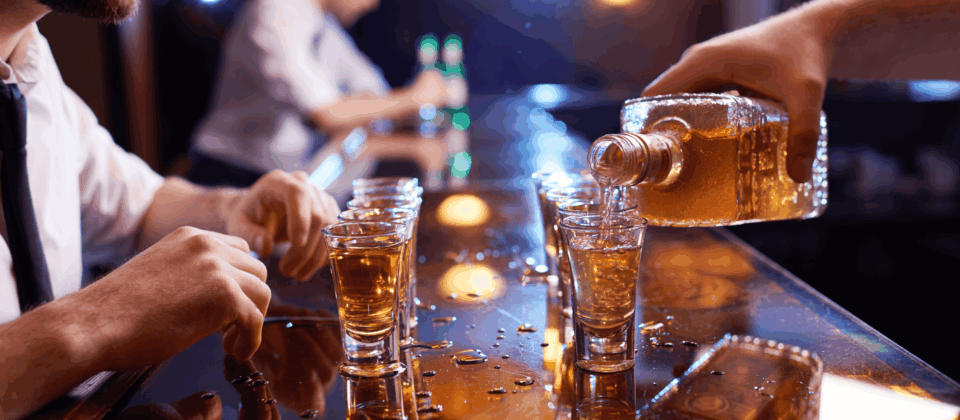
How long does alcohol stay in your system
How long alcohol stays in your system depends on several factors, including how much alcohol you consumed, how the body processes alcohol, and the type of test used. After drinking, alcohol passes quickly through the digestive system and begins absorbing into the bloodstream, but complete elimination takes much longer. The speed of alcohol absorption and how efficiently the body processes alcohol both affect how long it remains detectable.
Once consumed, alcohol travels through the stomach and small intestines and quickly enters the bloodstream. Blood alcohol content (BAC) usually peaks within about one hour, but body composition, weight, drinking habits, and the amount consumed all influence how long alcohol stay at measurable levels.
The liver handles most of the work, breaking alcohol down at a relatively consistent rate. On average, the body clears about one standard drink per hour. Drinking on an empty stomach accelerates absorption, causing BAC to rise more quickly and potentially extending the time alcohol stays in the system. Heavy intake or binge drinking can slow how fast the body clears the alcohol completely.
Detection windows vary depending on the type of test and the amount of alcohol still present in the body.
| Test type | Detection window |
|---|---|
|
Blood test |
Up to 12 hours |
|
Breath test |
12 to 24 hours |
|
Urine tests |
24 to 72 hours (up to 5 days after heavy drinking) |
|
Saliva tests |
12 to 24 hours |
|
Hair test |
Up to 90 days |
Even when blood alcohol content drops to zero, trace chemicals can still be identified. Detection times vary depending on the type of test used and how much time has passed since drinking. Urine tests, for instance, can detect alcohol longer than breath or blood tests.
You can overcome addiction. Reach out to discover:
What is blood alcohol concentration (bac)?
Blood alcohol concentration (BAC) is the standard way to measure how much alcohol is in the blood. It indicates the level of impairment caused by drinking and reflects how long alcohol stays in the bloodstream before being eliminated.
After a few drinks, BAC can reach levels that significantly impair judgment and coordination. Even small amounts can impact the body and contribute to poor decision-making and slowed reflexes.
A standard drink is typically defined as:
- 12 fl. oz. of regular beer (5% alcohol)
- 8 to 9 fl. oz. of malt liquor (7% alcohol)
- 5 fl. oz. of wine (12% alcohol)
- 1.5 fl. oz. of distilled spirits (40% alcohol), such as gin, vodka, rum, or whiskey
A blood test provides the most direct measure of BAC, while a breath test estimates it based on how much alcohol passes through the lungs. Urine and saliva samples may also be used to infer recent consumption.
Factors like body weight, body composition, drinking habits, and metabolic rate affect how long alcohol remains detectable and how high BAC peaks. The way the body handles alcohol also impacts how quickly levels return to zero.
How the body metabolizes alcohol
Although alcohol moves through the digestive system, it is not broken down in the same way as food. Instead, much of it is absorbed directly into the bloodstream through the lining of the stomach and the upper small intestine. Once in circulation, alcohol moves throughout the body and quickly reaches the brain.
Food in the stomach can slow alcohol absorption by absorbing some of the alcohol itself, limiting its contact with the stomach lining, and delaying its movement into the duodenum, the first part of the small intestine where absorption would otherwise happen very quickly.
After absorption, the body begins to metabolize alcohol, with the liver performing most of the work. An enzyme called alcohol dehydrogenase converts alcohol into acetaldehyde, a toxic substance. Acetaldehyde is then broken down into acetate, which the body further processes into carbon dioxide and water. Roughly 90% of alcohol is metabolized through this pathway.
Other organs, including the kidneys, lungs, and skin, help eliminate small amounts. Breath tests, for example, work by analyzing what exits the lungs, while traces may also appear in sweat and urine.
Several factors influence how efficiently the body handles alcohol, including drinking patterns, the amount consumed, body composition, and genetic traits. On average, the body metabolizes about one standard drink per hour. Contrary to popular belief, drinking water, exercising, or taking a cold shower does not speed up this process. Only time allows the body to fully eliminate it.
WE ARE AVAILABLE 24/7
Request a call for answers and help.
If you or someone you care about is struggling with addiction or mental health problems, request a call to speak with a knowledgeable treatment specialist. Our team is here to help you understand your options for care. There is no cost or obligation to enter treatment by requesting a call.
"*" indicates required fields
Factors that affect alcohol metabolism
Several factors influence how long alcohol stays in your system and how efficiently the body metabolizes it:
- Body weight and composition. People with lower weight or higher body fat generally process alcohol slower.
- Sex. Women often have less alcohol dehydrogenase, causing slower alcohol breakdown.
- Age. Alcohol metabolism slows with age, leading to longer alcohol stays.
- Food intake. Eating before or while drinking slows absorption significantly.
- Health conditions. Liver disease and other metabolic issues interfere with alcohol metabolism.
- Genetics. Some people inherit faster or slower alcohol-processing enzymes.
Other factors like drinking habits, past substance use, and overall intake also determine how quickly the body clears alcohol.
How long does it take to feel the effects of alcohol
After drinking, most people begin to feel the effects of alcohol within minutes. It absorbs quickly through the stomach and small intestine, enters the bloodstream, and spreads throughout the body. Once it reaches the brain, alcohol slows communication between nerve cells, affecting mood, coordination, judgment, and reflexes.
Several factors influence how quickly these effects are felt. Body composition, body weight, gender, recent meals, and medications can all impact how fast absorption occurs. Drinking on an empty stomach typically leads to faster onset.
Signs of intoxication usually begin when BAC reaches about 0.05%. Higher levels result in more obvious signs, including slurred speech, poor balance, and delayed reaction time. Since many variables affect how the body handles alcohol, the time it takes to feel the effects can vary widely.
Free Insurance Check
Our rehab center accepts most insurance plans.
Check if your insurance will cover the cost of treatment by filling out our confidential insurance form. We accept most insurance plans.

What impacts how long alcohol stays in your system
Several factors influence how long alcohol stays in your system, with the amount consumed being one of the most significant. But beyond that, individual biology and lifestyle play a major role in how quickly the body absorbs and metabolizes alcohol after drinking alcohol.
Gender
Women may feel the effects longer than men due to body composition differences. They often have a higher ratio of body fat to water, making alcohol more concentrated in their system.
Food intake
Eating before or during drinking slows absorption. A full stomach delays how quickly alcohol enters the bloodstream and can extend how long it stays present after drinking alcohol.
Body size and composition
People with smaller frames or more body fat may experience higher BAC levels after consuming the same amount as someone with more lean mass.
Medication use
Certain medications, such as antidepressants, antibiotics, and anti-anxiety drugs, can affect how the body breaks down alcohol. Always check with a doctor if combining alcohol with medications.
How long does it take to metabolize a standard drink
On average, the body processes alcohol at a rate of about one standard drink per hour. A standard drink typically means 12 ounces of beer, 5 ounces of wine, or 1.5 ounces of distilled spirits like vodka or whiskey. This rate can vary depending on factors such as weight, metabolism, and overall alcohol use history.
If you are wondering “how long does alcohol stay in your system,” the answer is that it depends not just on the amount consumed, but also on how efficiently the body handles alcohol. After one standard drink, blood alcohol concentration (BAC) rises, and it usually takes about 60 minutes for the body to metabolize it completely. However, drinking multiple drinks over a short period can lead to longer detection times and a greater impact on the body.
According to the National Institute on Alcohol Abuse and Alcoholism, several factors influence detection times. These include how fast the liver processes alcohol, how much food was eaten, genetic factors, and drinking patterns. For example, binge drinking or drinking heavily over time can slow the body’s ability to clear alcohol, leading to higher BAC levels for extended periods.
While one standard drink generally clears within an hour, alcohol detection can vary between individuals. Blood, breath, or urine tests may still identify alcohol even after obvious signs of intoxication have faded.
Risks of heavy drinking and alcohol abuse
Long-term alcohol use can lead to serious health risks that affect nearly every organ in the body. Over time, alcohol damages the liver, heart, brain, and immune system, increasing the likelihood of chronic diseases and life-threatening conditions.
According to the National Institute on Alcohol Abuse and Alcoholism, prolonged drinking raises the risk of liver disease, heart disease, pancreatitis, and certain types of cancer. It can also contribute to high blood pressure, stroke, and memory problems. Mental health effects are common, with excessive alcohol use closely linked to major depression, anxiety disorders, and an increased risk of suicide.
The risks are not limited to physical health. Regular misuse of alcohol can impair judgment, increase the chances of accidents and injuries, and worsen social, work, and family problems. Long-term drinking also weakens the immune system, making it harder for the body to fight off infections.
Even moderate levels of alcohol consumption over time can gradually erode both physical and mental well-being. Recognizing the signs of alcohol-related harm early and seeking treatment can help prevent long-term damage and improve recovery outcomes.
Alcohol overdose symptoms and the dangers of alcohol poisoning
Alcohol poisoning occurs when BAC rises to dangerously high levels, overwhelming the body’s ability to process it. Symptoms include:
- Vomiting
- Seizures
- Confusion
- Slow or irregular breathing
- Pale or bluish skin
- Low body temperature
- Unconsciousness
- Mental confusion
At extreme levels, breathing may slow or stop entirely. Combining alcohol with sedatives, opioids, or other depressants raises the risk of fatal overdose.
Alcohol enters the bloodstream rapidly. If too much is consumed in a short time, the liver cannot keep up, leading to toxic buildup. This is a medical emergency. If any of the symptoms above are present, seek immediate help.
Key Takeaways
- Alcohol is processed by the body through absorption, distribution, metabolism, and excretion, with the liver playing the primary role in breaking it down.
- The duration alcohol remains detectable in the system varies based on the type of test used, such as blood, breath, urine, or hair analysis.
- Factors like individual metabolism, the amount consumed, and physical health significantly influence how quickly the body clears alcohol from the bloodstream.
Get help for alcohol use in Indiana
Knowing how long alcohol stays in your system answers one question. If you are checking because drinking has become hard to control, or because someone you love keeps pushing the limits, that is the bigger one. Red Ribbon Recovery Indiana provides outpatient alcohol treatment, including PHP, IOP, and telehealth, so you can get care without putting your job or family on hold. Call (317) 707-9848 or fill out our confidential contact form. An admissions specialist will talk through what is going on, help you decide whether treatment fits, and check your insurance at no cost. We also treat other types of addiction, which matters if alcohol is not the only substance involved.
We are here to help you or a loved one find addiction treatment near you.
Admitting you have a substance abuse problem and asking for help is not always easy. If you or a loved one are struggling with drug addiction, alcohol addiction or another substance use disorder, help is available. You can visit SAMHSA’s National Helpline to learn about resources in your area or reach out to our team by calling (317) 707-9848 to explore personalized treatment.
Treatment center reviews
Sources
- Jones, A. (2019). Alcohol, its absorption, distribution, metabolism, and excretion in the body and pharmacokinetic calculations. Wiley Interdisciplinary Reviews: Forensic Science, 1, e1340.
- National Institute on Alcohol Abuse and Alcoholism. Overview of Alcohol Consumption.
- Cederbaum, A. I. (2012). Alcohol metabolism. Clinics in Liver Disease, 16(4), 667–685.
- Substance Abuse and Mental Health Services Administration. (2020). Clinical Issues in Intensive Outpatient Treatment for Substance Use Disorders.
- Substance Abuse and Mental Health Services Administration. (2024). Key Substance Use and Mental Health Indicators in the United States: Results from the 2023 National Survey on Drug Use and Health. U.S. Department of Health and Human Services, Rockville, MD.
- National Institute on Alcohol Abuse and Alcoholism. (2024). Understanding the Dangers of Alcohol Overdose.
National Institute on Alcohol Abuse and Alcoholism. (2022). Alcohol’s Effects on Health.
About the content

Written by: Carli Simmonds. Carli Simmonds holds a Master of Arts in Community Health Psychology from Northeastern University. From a young age, she witnessed the challenges her community faced with substance abuse, addiction, and mental health challenges, inspiring her dedication to the field.

Medically reviewed by: Jodi Tarantino, MSW, LICSW. Jodi Tarantino is an experienced, licensed Independent Clinical Social Worker (LICSW) and Program Director with over 20 years of experience in Behavioral Healthcare. Also reviewed by the RRR Editorial team.
Red Ribbon Recovery is committed to delivering transparent, up-to-date, and medically accurate information. All content is carefully written and reviewed by experienced professionals to ensure clarity and reliability. During the editorial and medical review process, our team fact-checks information using reputable sources. Our goal is to create content that is informative, easy to understand and helpful to our visitors.
Disclaimer: This website is for informational purposes only, not medical advice. Red Ribbon Recovery Indiana connects people with the full continuum of care, including a detox center Indiana, Indiana inpatient drug rehab, PHP Indiana, IOP Indiana, and outpatient rehab Indiana.
For those managing co-occurring conditions, our dual diagnosis treatment centers in Indiana treat addiction and mental health together. We also offer telehealth mental health and online addiction treatment for flexible, remote access to care.


