
Drug and alcohol detox Indiana refers to the process of managing withdrawal as alcohol or other substances leave the body. Withdrawal symptoms can range from uncomfortable changes such as nausea, sweating, anxiety, sleep disruption, and muscle aches to more serious complications that require medical attention. Detox is not the same as ongoing addiction treatment. Instead, withdrawal management may help someone reach enough physical stability to consider the behavioral, medical, and mental health treatment that can support the next stage of the recovery journey.

Substance use disorders and withdrawal symptoms
Substance use disorders can affect how the brain and body respond when alcohol or drugs are reduced or stopped. Withdrawal symptoms vary by substance, level of physical dependence, other health conditions, and whether multiple substances are involved.
Because alcohol, opioids, benzodiazepines, and stimulants can produce very different withdrawal patterns, medical risk should be considered before stopping suddenly. Addiction treatment may begin with an assessment of substance use, previous withdrawal, and overall health to help determine the safest next step.
The Centers for Disease Control and Prevention continues to track overdose mortality in Indiana, reinforcing the importance of treating seizures, hallucinations, breathing problems, or persistent vomiting as medical concerns rather than routine detox discomfort.
What medical withdrawal management may involve
Medical detox generally begins with an assessment of the substances being used, the amount and frequency of use, previous withdrawal experiences, current medications, and physical health. Co-occurring mental health concerns can also influence withdrawal, and psychiatric evaluation may be appropriate when severe depression, psychosis, or suicidal thinking is present.
Depending on clinical needs, withdrawal management may involve.
- Medical monitoring. Vital signs and symptoms may be followed to identify changes that require additional evaluation.
- Medication management. Certain medications may be used to reduce specific withdrawal symptoms or complications when clinically appropriate.
- Hydration and nutritional support. Vomiting, diarrhea, poor intake, or long-term alcohol use can contribute to dehydration or nutritional problems.
- Mental health assessment. Mood changes, anxiety, agitation, or other psychiatric symptoms may need separate evaluation.
- Planning for continued care. Detox addresses the immediate physical effects of stopping a substance, but therapeutic interventions and recovery skills are generally addressed in later stages of treatment.
The length of withdrawal management varies. A fixed number of days cannot accurately describe every detox because substance type, physical dependence, health status, and symptom severity all affect the timeline.
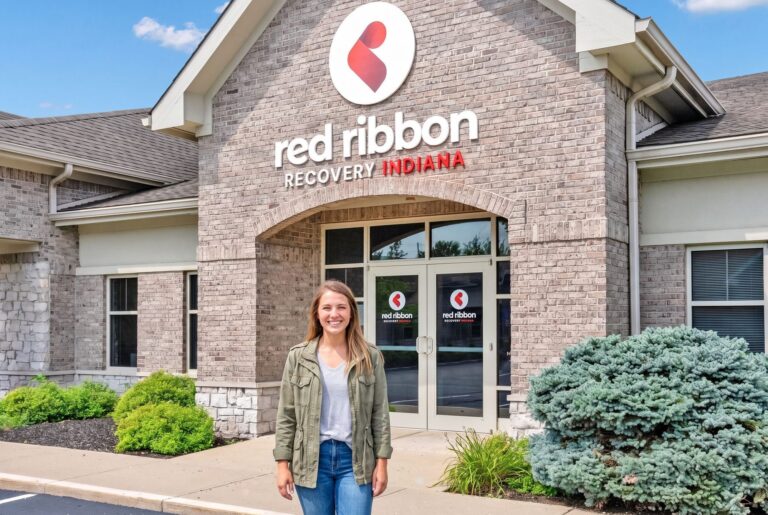
You can overcome addiction. Reach out to discover:
Inpatient detox, residential treatment, and intensive outpatient care
The appropriate setting for withdrawal management depends on medical risk, symptom severity, home stability, and the amount of monitoring needed.
| Feature | Inpatient withdrawal management | Outpatient treatment |
|---|---|---|
| Setting | Overnight medical or residential setting | Scheduled treatment while living at home |
| Monitoring | Continuous or frequent observation | Periodic clinical follow-up |
| Often considered when | Withdrawal or medical risk is higher | Medical risk is lower and the home environment is stable |
| Daily responsibilities | Greater temporary disruption | More flexibility around work or family |
| Primary purpose | Stabilization and withdrawal management | Continued addiction and mental health treatment |
Indiana inpatient drug rehab and detox are related concepts but are not interchangeable. Detox focuses on withdrawal and medical stabilization, while residential treatment generally extends beyond the acute withdrawal period into structured addiction recovery.
An IOP Indiana is generally part of ongoing treatment rather than acute withdrawal management and may offer more flexibility once medical stability has been established.
The appropriate level of care depends on withdrawal risk, physical health, mental health, home stability, substance use patterns, and the amount of structure needed.
Alcohol withdrawal symptoms and detox
Alcohol withdrawal can begin after a person who has developed physical dependence significantly reduces or stops drinking. Symptoms may range from mild anxiety and tremor to severe complications.
Common alcohol withdrawal symptoms can include sweating, nausea, headache, irritability, tremors, trouble sleeping, increased heart rate, and changes in blood pressure. Symptoms often begin within hours of the last drink, although the timing and severity vary.
More severe alcohol withdrawal can involve seizures, hallucinations, severe agitation, or delirium tremens. These complications require medical attention and are one reason heavy or prolonged alcohol use should be discussed with a healthcare professional before attempting to stop abruptly.
Alcohol addiction and severe withdrawal risk
The likelihood of severe withdrawal is influenced by factors such as the amount and duration of alcohol use, previous withdrawal episodes, history of seizures or delirium tremens, other substance use, age, and overall medical health.
For people dealing with alcohol addiction, detox addresses physical dependence rather than the broader behavioral and psychological components of the condition. Alcohol addiction treatment may involve continued evidence-based care after withdrawal has stabilized.
Medication may be used during medically supervised alcohol withdrawal to reduce the risk of seizures and other complications. Fluids, nutritional support, and vitamins may also be considered depending on individual needs.
There is no single alcohol-detox timeline that applies to everyone. Acute symptoms often become most noticeable during the first several days, while sleep disruption, anxiety, fatigue, or mood changes may continue longer.
OUR PROCESS
1
Get in touch
with us2
Do a free
assessment3
Review your
insurance4
Start your
addiction treatment
What to expect during opioid and stimulant detox
Withdrawal from opioids and stimulants can look very different, which is why the substance involved matters when planning the next stage of care.
Opioid withdrawal from heroin, fentanyl, prescription painkillers, or other opioids may involve muscle aches, sweating, restlessness, abdominal cramping, nausea, vomiting, diarrhea, sleep disruption, and intense cravings. These symptoms can be physically exhausting, and dehydration or a rapid return to opioid use can create additional medical risks.
Opioid rehab may include medication, behavioral treatment, recovery support, and other interventions after immediate withdrawal concerns have been addressed. Medication-assisted treatment may also be considered for opioid use disorder when an FDA-approved medication is clinically appropriate.
Stimulant withdrawal and mental health needs
Stimulant withdrawal from methamphetamine or cocaine is often dominated by fatigue, increased sleep, appetite changes, irritability, slowed thinking, cravings, and depressed mood rather than the gastrointestinal symptoms commonly associated with opioid withdrawal.
Mental health challenges can become especially important during this period. Severe depression, paranoia, agitation, or thoughts of self-harm may require psychiatric evaluation and a higher level of clinical monitoring.
Meth addiction treatment may address stimulant use beyond the withdrawal period through behavioral and therapeutic interventions. When substance use occurs alongside depression, anxiety, trauma, or another mental illness, dual diagnosis treatment centers in Indiana may address both concerns within the broader recovery process.
Evidence-based care after stimulant withdrawal may include cognitive behavioral approaches, DBT therapy, group therapy, individual sessions, family education, and peer support depending on individual needs.
Choosing treatment after detox
After withdrawal is stabilized, the next level of care depends on medical needs, substance use history, co-occurring mental health concerns, the home environment, and how much structure someone needs in daily life. A complete continuum may include residential treatment followed by progressively more flexible outpatient programs.
Residential and partial hospitalization care
Indiana inpatient drug rehab involves living in a structured treatment setting for a period of time. Residential treatment may allow someone to focus more fully on addiction recovery when returning home immediately would create significant risks or distractions.
A PHP Indiana generally provides substantial daytime treatment without requiring overnight residence. Partial hospitalization may involve evidence-based therapy, group treatment, mental health care, and other structured therapeutic interventions.
The appropriate setting depends on clinical need rather than a predetermined sequence. Not everyone progresses through every level of treatment.
Intensive outpatient care and daily responsibilities
An IOP Indiana provides structured treatment while allowing greater flexibility around work, school, family members, and other daily responsibilities.
An intensive outpatient program may include group therapy, individual counseling, relapse-prevention work, mental health treatment, family involvement when appropriate, and recovery skills that can be practiced outside scheduled treatment hours.
Outpatient rehab Indiana generally involves less weekly structure and may become appropriate as stability increases.
The goal is not simply to move through a checklist of programs. The level of care should reflect the whole person, including medical needs, mental health, home environment, recovery goals, and ability to remain engaged in treatment.
Free Insurance Check
Our rehab center accepts most insurance plans.
Check if your insurance will cover the cost of treatment by filling out our confidential insurance form. We accept most insurance plans.

Family members and the recovery journey
Family members can be affected by drug and alcohol addiction even when they are not the person using substances. Communication problems, financial stress, loss of trust, changing family roles, and fear surrounding overdose or relapse may continue even after withdrawal has ended.
Family therapy may help address communication, boundaries, and relationship patterns when family involvement is clinically appropriate and the client consents.
Support groups and family education may also help relatives understand substance use disorders, recognize realistic recovery expectations, and learn how to support healing without taking responsibility for another person’s recovery.
Addiction recovery centers and other treatment centers may approach family involvement differently, so it can be useful to ask how they handle family participation before entering a program.
Insurance accepted and paying for treatment in Indiana
Insurance coverage for detox, residential treatment, partial hospitalization, intensive outpatient care, medications, and mental health services varies by insurance plan and treatment center.
Many recovery centers work with major insurance providers, but having insurance accepted does not automatically mean a facility is in network or that every service is covered. Deductibles, copayments, coinsurance, prior authorization requirements, and medical-necessity criteria can all affect out-of-pocket costs.
Indiana Medicaid programs may cover substance use disorder treatment and certain FDA-approved addiction medications for eligible members, while private insurance coverage depends on the individual policy.
Before admission, useful questions can include.
- Is the treatment center in network? In-network and out-of-network benefits may differ significantly.
- Which levels of care are covered? Coverage for detox, residential treatment, PHP, IOP, and outpatient programs may not be identical.
- Are medications covered? Pharmacy and medical benefits can have different rules.
- Is prior authorization required? Some plans require approval before certain levels of care begin.
- What costs remain after insurance? Deductibles and coinsurance may still apply even when insurance coverage is available.
Treatment advisors or admissions staff at a treatment center may be able to answer questions about insurance benefits, but coverage should ultimately be confirmed through the individual insurance plan.
WE ARE AVAILABLE 24/7
Request a call for answers and help.
If you or someone you care about is struggling with addiction or mental health problems, request a call to speak with a knowledgeable treatment specialist. Our team is here to help you understand your options for care. There is no cost or obligation to enter treatment by requesting a call.
"*" indicates required fields
Finding addiction recovery centers in Indiana
Choosing among recovery centers involves more than comparing amenities. The strongest indicators are usually clinical quality, appropriate licensing, evidence-based care, staff qualifications, mental health capabilities, and whether the program can address the person’s actual level of need. For people with co-occurring mental health conditions, trauma-informed care and access to dual diagnosis treatment centers in Indiana may also be important selection factors.
Some residential programs may also include wellness activities, animal-assisted or equine therapy, fitness programming, or other complementary approaches. These features can support the experience of care, but they should not replace evidence-based therapy, qualified clinical oversight, or treatment for the underlying substance use disorder.
What happens after detox on the recovery journey
Detox can stabilize the immediate physical effects of stopping alcohol or drugs, but long-term recovery often requires continued support for substance use, mental health, relationships, and daily life.
Depending on clinical needs, continued care may involve PHP Indiana, IOP Indiana, outpatient rehab Indiana, or aftercare. A 12-step program or another peer-support approach may also provide community and accountability.
The recovery journey does not follow one universal sequence. The most appropriate path depends on medical stability, substance use, mental health, family circumstances, and changing needs over time.
Rehab might feel like a big step, but remember why you're here—you’re looking for a way forward. We can help.
Key Takeaways
- Drug and alcohol detox is the crucial first step in recovery, providing medical supervision to safely manage withdrawal symptoms.
- Following detox, comprehensive addiction treatment addresses broader physical, psychological, and behavioral factors related to substance use.
- Red Ribbon Recovery Indiana offers various treatment options, including residential, outpatient, mental health care, and therapy, to create an appropriate recovery path.
Frequently asked questions
How do other treatment centers differ from drug rehab programs?
Other treatment centers may focus on specific levels of care, populations, or recovery needs. Drug rehab programs can include detox, residential treatment, outpatient care, and dual diagnosis treatment. Some programs also include dialectical behavior therapy, peer support, or family-focused services as part of a broader approach to lasting recovery.
What does in-network mean for insurance coverage?
An in-network treatment center has a contracted relationship with an insurance company, which can reduce out-of-pocket costs compared with out-of-network care. Coverage varies by plan, so the admissions process should include benefit verification with the insurer. Most major insurance providers apply different deductibles, copays, and authorization rules depending on the level of care.
What makes addiction treatment evidence-based?
Evidence-based addiction treatment uses approaches supported by research and clinical guidelines. This may include medication, behavioral therapy, group treatment, relapse-prevention strategies, and care for co-occurring mental health conditions. A clinical team may combine these methods based on substance abuse history, mental health needs, and treatment goals.
Do rehab programs offer amenities such as transportation assistance or a fitness center?
Some residential programs offer transportation assistance, a fitness center, chef-prepared meals, or other amenities that can make it easier to focus fully on treatment. These features vary widely and should be considered secondary to clinical quality, qualified staff, and access to the appropriate level of drug and alcohol care.
What should people in Marion County look for in a treatment program?
People in Marion County can look for programs that offer an appropriate level of care, clear insurance information, licensed professionals, and support for both substance use and mental health needs. A strong program offers a coordinated path through treatment rather than a one-size-fits-all plan, with attention to continuity across the full continuum of recovery support.
Understanding detox and treatment options in Indiana
Drug and alcohol detox can address the immediate challenges of withdrawal, while continued addiction treatment focuses on the broader physical, psychological, and behavioral factors connected to substance use. At Red Ribbon Recovery Indiana, we may recommend the appropriate path to involve residential treatment, outpatient care, mental health treatment, medication, therapy, peer support, or a combination of approaches. Understanding the differences between these levels of care can make it easier to ask informed questions about safety, insurance coverage, clinical support, and what may come next after detox. While we do not provide detox services, we will connect you with a trusted rehab that can. Contact us by calling (317) 707-9848 with questions about drug and alcohol detox, withdrawal symptoms, insurance coverage, and addiction treatment options in Indiana.
We are here to help you or a loved one find addiction treatment near you.
Admitting you have a substance abuse problem and asking for help is not always easy. If you or a loved one are struggling with drug addiction, alcohol addiction or another substance use disorder, help is available. You can visit SAMHSA’s National Helpline to learn about resources in your area or reach out to our team by calling (317) 707-9848 to explore personalized treatment.
Treatment center reviews
Read what treatment patients and their families have to say about their experiences at Red Ribbon Recovery Indiana.
Sources
- Indiana Department of Health. (March 31, 2021). Indiana Drug Overdose Dashboard. Indiana Department of Health.
- Centers for Disease Control and Prevention. (March 3, 2026). Drug Overdose Mortality | Stats of the States. Centers for Disease Control and Prevention.
- Blackburn, S. C. (May 17, 2024). Alcohol Withdrawal in Hospitalized Patients – NCBI Bookshelf. NCBI Bookshelf.
- New York State Office of Addiction Services and Supports. (April 13, 2026). Guidance on Medical Protocols for Withdrawal Management. New York State Office of Addiction Services and Supports.
About the content

Written by: Carli Simmonds. Carli Simmonds holds a Master of Arts in Community Health Psychology from Northeastern University. From a young age, she witnessed the challenges her community faced with substance abuse, addiction, and mental health challenges, inspiring her dedication to the field.

Medically reviewed by: Jodi Tarantino, MSW, LICSW. Jodi Tarantino is an experienced, licensed Independent Clinical Social Worker (LICSW) and Program Director with over 20 years of experience in Behavioral Healthcare. Also reviewed by the RRR Editorial team.
Red Ribbon Recovery is committed to delivering transparent, up-to-date, and medically accurate information. All content is carefully written and reviewed by experienced professionals to ensure clarity and reliability. During the editorial and medical review process, our team fact-checks information using reputable sources. Our goal is to create content that is informative, easy to understand and helpful to our visitors.
Disclaimer: This website is for informational purposes only, not medical advice. Red Ribbon Recovery Indiana connects people with the full continuum of care, including a detox center Indiana, Indiana inpatient drug rehab, PHP Indiana, IOP Indiana, and outpatient rehab Indiana.
For those managing co-occurring conditions, our dual diagnosis treatment centers in Indiana treat addiction and mental health together. We also offer telehealth mental health and online addiction treatment for flexible, remote access to care.


