
Interested in outpatient rehab Indiana? Outpatient addiction treatment programs are a type of substance use treatment that allows individuals to receive care without staying overnight at a hospital or residential facility. You live at home, keep working or going to school, and attend scheduled therapy sessions at our Greenwood treatment center or online.
Nearly 80% of Indiana residents who need substance use treatment do not receive it. Outpatient care removes the biggest barriers by fitting treatment around daily life.
This page covers the main components of outpatient rehab Indiana, the treatment levels available, how much time each program takes per week, and options for covering the cost of treatment.
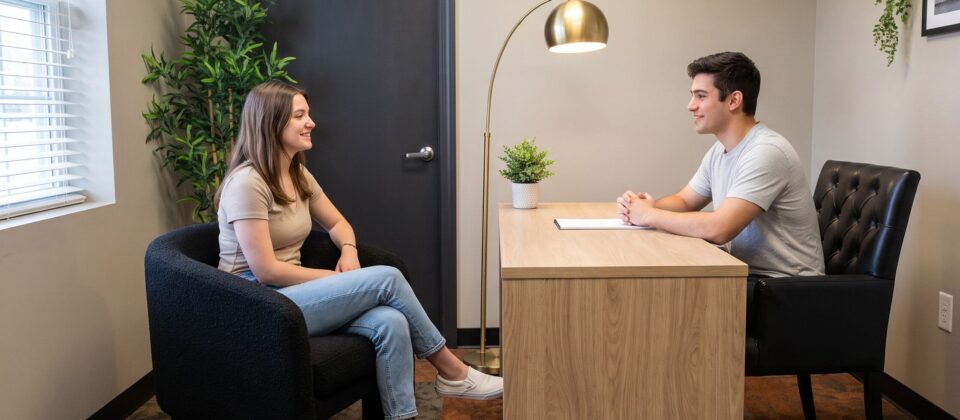
What is outpatient addiction treatment?
Outpatient addiction treatment allows individuals to live at home or in a supportive, therapeutic environment like a sober living home while maintaining daily responsibilities such as work or school.
How outpatient addiction treatment works:
- Patients attend scheduled sessions at treatment centers, hospitals, mental health clinics, or with behavioral counselors during set hours on specific days
- Some outpatient addiction treatment programs offer evening or weekend sessions to balance treatment with personal, professional, and family responsibilities
- Care may be provided in substance use treatment centers, community health clinics, mental health facilities, hospital-affiliated programs, or office settings
- Therapeutic services include individual and group counseling, family therapy, education sessions, recreational or occupational therapy, psychotherapy, and medication-assisted treatment
- Each program matches treatment intensity to the severity of the substance use disorder (SUD), the patient’s personal strengths, treatment goals, and support at home
Outpatient care is often preferred for its flexibility and affordability, offering a level of effectiveness comparable to inpatient treatment. While outpatient care may not always be the first step in treatment, it often becomes a key component of long-term recovery as individuals transition from more intensive care settings.
Outpatient alcohol rehab in Indiana
Alcohol use disorder is one of the most common reasons people seek outpatient rehab in Indiana, and it responds well to structured outpatient treatment when withdrawal is not a medical concern. At the outpatient level, alcohol rehab typically includes individual therapy, group sessions focused on triggers and relapse prevention, and medication management when appropriate. Medications such as naltrexone and acamprosate can be prescribed and monitored through an outpatient program, supporting reduced cravings alongside behavioral treatment.
Outpatient alcohol rehab works best if you:
- Are medically stable and not at risk of severe withdrawal
- Have a supportive home environment
- Can attend scheduled sessions at our treatment center consistently
- Do not require 24-hour supervision
A medically supervised detox may need to come first if you:
- Have a history of severe withdrawal symptoms
- Have had prior detox admissions
- Have high daily alcohol consumption
If you are unsure where to start, our admissions team can assess your situation and point you toward the right level of care. Call (317) 707-9848 or verify your insurance here.
Types of outpatient rehab Indiana programs
Outpatient rehab Indiana programs vary in intensity and structure, catering to different levels of need and support during the recovery process. The main types of outpatient rehab for substance abuse and mental health treatment include:
| Level of care | Hours per week | Schedule | Best for |
|---|---|---|---|
| Partial hospitalization program (PHP) | 20+ | 4 to 5 days per week, daytime | Complex or less stable medical or psychiatric needs, or stepping down from inpatient treatment |
| Intensive outpatient program (IOP) | 9 to 20 | 3 to 4 days per week, day or evening | Early recovery that needs regular structure, or stepping down from PHP or inpatient. Available in person and virtually. |
| Standard outpatient program (OP) | Under 9 | 1 to 3 sessions per week | Lower-acuity needs, strong support at home, or aftercare following IOP |
Partial hospitalization program (PHP)
- Often referred to as PHP or day treatment, this outpatient addiction treatment program provides a high level of medical and clinical care
- Designed for individuals with complex or unstable medical or psychiatric conditions
- These alcohol and drug addiction programs typically require at least 20 hours of intensive treatment per week, with daily or near-daily structured support
- Patients receive comprehensive care during the day and return home or to a supportive living arrangement at night
Intensive outpatient program (IOP)
- Intensive outpatient programs are less intensive than PHPs but still offer a comprehensive approach to care with a multidisciplinary team of providers
- Patients at recovery centers in Indiana generally attend 9 to 20 hours of therapy and treatment sessions per week
- IOPs deliver many of the same therapeutic interventions found in inpatient settings with the flexibility of outpatient care
- Offered in person in Greenwood and virtually statewide
Standard outpatient program (OP)
- Standard outpatient programs focus on helping individuals change behaviors related to substance use
- Fewer than 9 hours of treatment per week, usually 1 to 3 sessions
- Typically does not include medical services, though programs often connect patients to more intensive care if needed
Outpatient rehab vs IOP: what is the difference?
Standard outpatient and intensive outpatient programs are both forms of outpatient care, but the level of structure and time commitment is different.
Standard outpatient:
- Fewer than 9 hours of therapy per week, usually one to three sessions
- Works well as a step-down from IOP or as a standalone option for individuals with lower-acuity needs
- Best for individuals with strong support at home
Intensive outpatient program:
- A minimum of 9 hours per week across multiple days
- More intensive group therapy, individual counseling, and clinical oversight
- Better suited for individuals who need daily structure, are early in recovery, or are transitioning from a higher level of care like PHP or inpatient treatment
The right choice depends on your history, the severity of your substance use, and what your daily life can support. If you are not sure which fits, our team will help you figure it out during the intake assessment.
Determining the appropriate outpatient rehab Indiana program
The right outpatient rehab Indiana program for you depends on your needs and goals. While all programs offer compassionate care and ongoing support, placement generally works like this:
- Patients begin at a level that matches their medical stability and the severity of the substance use disorder (SUD)
- Those with less severe SUDs may start the healing journey with standard outpatient care, while others with more complex needs might require a PHP or IOP
- Many individuals transition between levels of care, such as moving from a PHP to an IOP or standard outpatient program, based on progress and readiness for greater independence
- Those struggling in a less intensive program may move to a higher level of care, like an IOP, PHP, or inpatient treatment, to better meet their needs and prevent relapse
- Our team will help you determine if you are a good candidate for standard outpatient rehab or if a more intensive program would be more beneficial, with rehabilitation services, addiction medicine, and treatment services tailored to each individual
What services are offered during outpatient drug rehab programs?
Outpatient addiction treatment is designed to help you overcome the chronic disease of addiction. Using a holistic approach that involves medication management (if needed), traditional talk, and behavioral therapies, outpatient addiction treatment can help you address the root causes of addiction and co-occurring disorders affecting mental health.
At our rehab center, each client undergoes an evaluation that allows their outpatient care team of mental health and addiction specialists to provide personalized, individualized care. However, outpatient programs generally include the following:
- Individual therapy. Clients work one-on-one with therapists to address the underlying causes of their addiction and develop healthier behavioral patterns. Various therapeutic modalities, including behavioral therapy, support personal growth and lasting recovery.
- Group therapy. Support groups and group therapy can help reduce the social isolation that can accompany addiction and help eliminate the stigma surrounding addiction. Group settings are also helpful for improving communication and interpersonal skills.
- Family therapy. Family members participate in therapy sessions designed to improve communication and address dynamics that may impact recovery. These sessions help families learn how to provide effective support for their loved ones during the recovery process.
- Medication management. Outpatient addiction treatment programs provide access to licensed medical experts capable of safely prescribing and managing medications that can help to stabilize mood, reduce the effects of withdrawal, and maintain sobriety.
- Treatment for co-occurring disorders. It is common for substance abuse disorders to occur together with mental health conditions like bipolar disorder, depression, and anxiety disorders. Co-occurring disorder treatment addresses both conditions simultaneously so that you can achieve lasting symptom relief and recovery.
- Aftercare and relapse prevention. One of the biggest benefits of outpatient rehab Indiana is that clients learn to cultivate tools and resources for ongoing sobriety. Following acute treatment, aftercare, and relapse-prevention management ensures that you don’t feel like you are being pushed out into the world alone. Options might include 12-step programs, counseling, and group meetings.
Outpatient programs at Red Ribbon Recovery Indiana are available in person in Greenwood and virtually through our online IOP program for adults who need flexible access to care.
What’s the difference between residential treatment and outpatient addiction treatment?
While both inpatient rehabilitation and outpatient rehabilitation programs offer a range of therapies designed to help individuals overcome substance use disorders, two primary distinctions set these approaches apart:
Living arrangements:
- Inpatient rehab requires individuals to reside at the treatment facility throughout the duration of their treatment program, providing a structured and immersive environment
- Outpatient rehab allows patients to live at home while attending scheduled treatment sessions at the facility, and some outpatient therapy programs can connect patients to supportive housing services
Level of care and monitoring:
- Inpatient programs provide 24/7 medical and clinical support for individuals with severe substance use disorders, complex withdrawal needs, or co-occurring medical or mental health conditions, and some residential programs offer medical detox services
- Outpatient rehab Indiana programs, while still offering professional support and therapeutic services, involve less intensive monitoring and are better suited for those with stable living environments and less severe treatment needs
Key Takeaways
- Customized outpatient addiction treatment programs are available in Indiana to help individuals overcome drug or alcohol addiction.
- Outpatient rehab offers a flexible treatment option for those with mild substance use disorders or transitioning from higher levels of care.
- Treatment involves scheduled therapy sessions focused on addressing addiction triggers, developing coping strategies, and maintaining long-term sobriety, with support available 24/7.
Frequently asked questions about outpatient rehab in Indiana
What is outpatient rehab in Indiana?
Outpatient rehab Indiana refers to addiction treatment programs that allow you to live at home while attending scheduled therapy sessions at a treatment center. Programs vary in intensity from standard outpatient, which involves a few hours per week, to intensive outpatient (IOP) at 9 or more hours per week, to partial hospitalization (PHP) at 20 or more hours per week. At Red Ribbon Recovery Indiana, outpatient rehab is available in person in Greenwood and virtually for adults who need flexible scheduling. Most major insurance plans cover outpatient treatment.
Does insurance cover outpatient rehab?
In most cases, yes. Outpatient rehab is a covered benefit under most commercial insurance plans. The Mental Health Parity and Addiction Equity Act requires that substance use disorder treatment be covered at the same level as other medical care. Coverage varies by plan and may include individual therapy, group sessions, medication management, and co-occurring mental health treatment. To confirm your specific benefits, submit a free insurance check here or call (317) 707-9848. Our admissions team will review your coverage and explain any out-of-pocket costs before you start.
How long is outpatient rehab?
The length of outpatient rehab in Indiana depends on the level of care and your individual progress. Standard outpatient programs may run anywhere from a few weeks to several months, with sessions one to three times per week.
Intensive outpatient programs typically last 8 to 12 weeks at 9 or more hours per week, though some individuals continue longer based on clinical need. There is no fixed end date.
Treatment length is determined by how you are responding, what your goals are, and what your clinical team recommends. Most people can begin within a few days of their initial assessment.
Are there outpatient programs near me in Indiana?
Red Ribbon Recovery Indiana offers outpatient addiction treatment in Greenwood, Indiana, which is accessible from Indianapolis, Carmel, Fishers, Bloomington, and surrounding areas via I-65. For individuals who cannot travel or prefer to receive treatment from home, our virtual outpatient and intensive outpatient program in Indiana is available statewide through a secure video platform. Whether you are in central Indiana or a more rural part of the state, we can connect you with the right level of care. Call (317) 707-9848 to get started.
Ready to take the next step? Begin outpatient rehab Indiana
You don’t have to face addiction to drugs or alcohol alone. We are here to help. Take the first step by contacting us for more information about our customized outpatient addiction treatment programs. As a leading provider of outpatient rehab in Indiana, we are committed to guiding you on your journey to recovery. Give us a call 24 hours a day, 7 days a week.
We are here to help you or a loved one find addiction treatment near you.
Admitting you have a substance abuse problem and asking for help is not always easy. If you or a loved one are struggling with drug addiction, alcohol addiction or another substance use disorder, help is available. You can visit SAMHSA’s National Helpline to learn about resources in your area or reach out to our team by calling (317) 707-9848 to explore personalized treatment.
Treatment center reviews
Read what treatment patients and their families have to say about their experiences at Red Ribbon Recovery Indiana.
Sources
- Substance Abuse and Mental Health Services Administration. (2020). Clinical Issues in Intensive Outpatient Treatment for Substance Use Disorders. U.S. Department of Health and Human Services, Rockville, MD.
- American Society of Addiction Medicine. (2015). About the ASAM Criteria. Chevy Chase, MD: ASAM.
- McCarty, D., Braude, L., Lyman, D. R., Dougherty, R. H., Daniels, A. S., Ghose, S. S., & Delphin-Rittmon, M. E. (2014). Substance abuse intensive outpatient programs: Assessing the evidence. Psychiatric Services, 65(6), 718–726.
- Substance Abuse and Mental Health Services Administration. (2015). TIP 45: Detoxification and Substance Abuse Treatment. U.S. Department of Health and Human Services, Rockville, MD.
- National Institute on Drug Abuse. (2020). Treatment Approaches for Drug Addiction. National Institutes of Health, U.S. Department of Health and Human Services.
- Substance Abuse and Mental Health Services Administration. (2026). 2023-2024 NSDUH State-Specific Tables: Indiana.
About the content

Written by: Carli Simmonds. Carli Simmonds holds a Master of Arts in Community Health Psychology from Northeastern University. From a young age, she witnessed the challenges her community faced with substance abuse, addiction, and mental health challenges, inspiring her dedication to the field.

Medically reviewed by: Jodi Tarantino, MSW, LICSW. Jodi Tarantino is an experienced, licensed Independent Clinical Social Worker (LICSW) and Program Director with over 20 years of experience in Behavioral Healthcare. Also reviewed by the RRR Editorial team.
Red Ribbon Recovery is committed to delivering transparent, up-to-date, and medically accurate information. All content is carefully written and reviewed by experienced professionals to ensure clarity and reliability. During the editorial and medical review process, our team fact-checks information using reputable sources. Our goal is to create content that is informative, easy to understand and helpful to our visitors.
Disclaimer: This website is for informational purposes only, not medical advice. Red Ribbon Recovery Indiana connects people with the full continuum of care, including a detox center Indiana, Indiana inpatient drug rehab, PHP Indiana, IOP Indiana, and outpatient rehab Indiana.
For those managing co-occurring conditions, our dual diagnosis treatment centers in Indiana treat addiction and mental health together. We also offer telehealth mental health and online addiction treatment for flexible, remote access to care.


