
If you are searching for outpatient detox near me in Indiana, you are already taking one of the most important steps of your life. We understand that you are juggling work deadlines, family dinners, maybe even classes or carpools, and in the back of your mind there is a quiet ache. You want help, but stepping away feels impossible. That is exactly why outpatient detox programs exist. You don’t have to choose between getting better and keeping life moving.
Overdose deaths in Indiana have declined in recent years, mirroring the national trend, but overdose remains the leading cause of death for Americans ages 18 to 44. Accessible, medically supervised withdrawal options are part of what keeps that progress going.
Whether you are looking for outpatient alcohol detox, outpatient drug detox, or outpatient opiate detox, there are safe, flexible outpatient detox centers near you right here in Indiana that can fit around your world. Outpatient detoxification is a medically supervised process that allows you to manage withdrawal from home, without putting your responsibilities on hold. For many Hoosiers, an outpatient detox program is the first step that makes recovery feel genuinely possible.
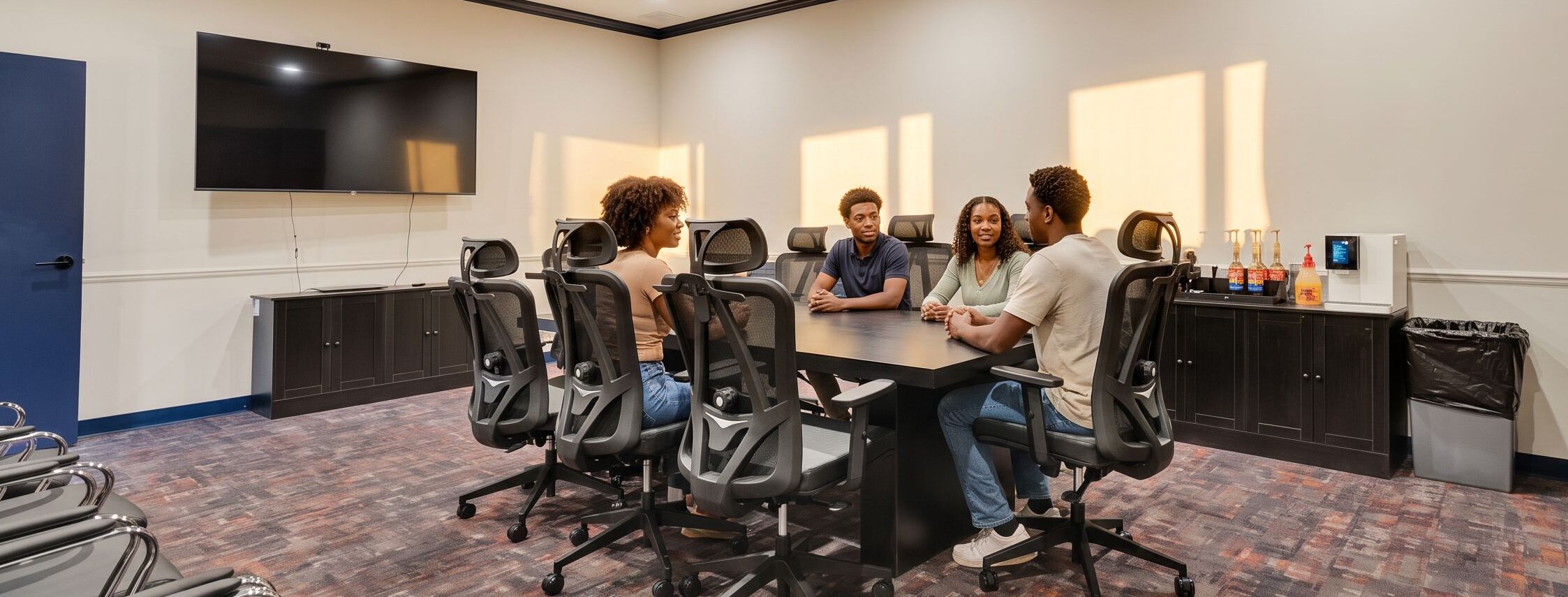
What is outpatient detox for drugs and alcohol in Indiana?
When you hear the words “addiction treatment,” you might picture a residential facility far away from your daily life. But what is outpatient detox, really? It’s a safe way to undergo medical withdrawal management while living at home. This approach is designed for people with a mild to moderate substance use disorder, and it’s one of several levels of addiction that can serve as a starting point for healing.
Outpatient detoxification allows you to keep up with work, family, and personal responsibilities. Instead of stepping away from your life, you heal within your own support system.
The American Society of Addiction Medicine (ASAM) defines this as Level 1-WM. It means your withdrawal symptoms can be safely managed without 24-hour monitoring. This option is especially vital in rural Indiana, where long travel distances create barriers to care. As the opioid crisis has grown, outpatient drug detox programs have expanded to meet the need. You don’t have to leave your community to get expert help.
You can overcome addiction. Reach out to discover:
Who should consider outpatient detox?
Outpatient detox is not the right fit for everyone, but for the right person it is an incredibly effective and practical path to beginning recovery. Understanding whether you are a good candidate for an outpatient detox program starts with an honest look at your health, your home environment, and the nature of your substance use.
A licensed clinical professional will always make the final determination, but there are several common indicators that outpatient detoxification may be the appropriate level of care for you.
Mild to moderate withdrawal symptoms
The most important factor in determining candidacy for outpatient detox centers is the expected severity of your withdrawal symptoms. If your substance use history suggests that withdrawal will be mild to moderate rather than severe, outpatient medical detox can manage those symptoms safely and effectively.
People withdrawing from prescription opioids, marijuana, or lower levels of alcohol use are often good candidates for outpatient detox for alcohol or drugs. Those with a history of severe withdrawal, seizures, or delirium tremens are generally better suited for inpatient care where round-the-clock monitoring is available.
A stable and supportive home environment
Outpatient detox programs rely on your home environment being safe, calm, and free from triggers. If you have supportive family members or housemates who understand your recovery goals, outpatient detox for alcohol or drugs is far more likely to succeed.
A chaotic or unsafe home environment, or one where substances are regularly present, can undermine even the most motivated individual. Your clinical team will assess your living situation during the initial evaluation to make sure outpatient detoxification is a realistic option for you.
A strong personal commitment to recovery
Outpatient detox centers near me require a higher level of personal accountability than inpatient care. Because you are managing your recovery from home rather than within a controlled clinical environment, your own motivation and commitment play a significant role in your success.
People who do well in outpatient detox programs are typically those who have a clear desire to change, a willingness to attend all scheduled appointments, and an understanding of the importance of following their medical team’s guidance closely.
No significant co-occurring medical conditions
If you have serious underlying medical conditions that could complicate the withdrawal process, inpatient care may be safer. However, many people with well-managed health conditions are still strong candidates for outpatient drug detox or outpatient opiate detox.
Your initial medical evaluation will take your full health history into account and ensure that the level of supervision provided through an outpatient detox program is sufficient for your needs.
First time seeking treatment
For many people who are seeking help for the first time, an outpatient detox center near me is a natural and appropriate starting point. It offers a lower barrier to entry than residential treatment, making it easier to take that first step.
If this is your first time seeking help and your substance use history does not involve severe physical dependence, outpatient detox near me may be exactly the right place to begin.
The outpatient detox process: what to expect step-by-step
Stepping into the outpatient detox process might feel overwhelming at first. Breaking it down into clear steps can help demystify the experience. Your medical team will create a personalized, safe plan just for you.
Initial assessment and medical evaluation
The process starts with a confidential assessment. A clinical professional will review your overall health, substance use history, and home environment. This medical evaluation ensures that outpatient care is a safe choice for your specific needs. It helps the clinical team understand exactly how to support your recovery.
Medically supervised withdrawal management at home
Next, you begin withdrawal management while staying comfortably at home. During an outpatient opiate detox or alcohol withdrawal, doctors may prescribe medications to manage withdrawal symptoms safely, and you’ll have regular check-ins under strict medical supervision.
Once detox is complete, medications like naltrexone can help block cravings and support the next phase of recovery. For those farther from our Greenwood facility, like Evansville or South Bend, telehealth mental health makes these check-ins and sessions possible remotely. You might spend nine to fifteen hours a week in virtual or in-person therapy sessions.
Transition to ongoing recovery support
Detox is only the first step of your healing process. After medical withdrawal is complete, your team will help you plan for the future. You’ll transition to outpatient rehab Indiana, ongoing counseling, and peer support programs. For those who need a more structured next step, IOP Indiana or PHP Indiana may be the right fit. This continuing care builds a solid foundation for long-term recovery and ensures you have the right tools to stay healthy.
Free Insurance Check
Our rehab center accepts most insurance plans.
Check if your insurance will cover the cost of treatment by filling out our confidential insurance form. We accept most insurance plans.

Is an outpatient detox program in Indiana right for you?
Deciding on the right level of care is a deeply personal choice. You might be a great candidate for outpatient care if you have mild to moderate withdrawal symptoms. National surveys show that over half of young people with a substance use disorder fall into this milder category. A strong personal commitment and a safe home environment are also vital.
| Factor | Outpatient detox | Inpatient detox |
|---|---|---|
| Ideal candidate | Mild to moderate symptoms, highly motivated | Severe symptoms, history of medical complications |
| Environment | Safe, stable, and supportive home | 24/7 monitored clinical facility |
| Level of medical supervision | Regular check-ins, scheduled appointments | Round-the-clock medical nursing staff |
| Daily life integration | Can maintain work, school, and family roles | Full pause on daily life responsibilities |
| Typical substances | Mild alcohol, prescription opioids | High-risk alcohol, severe polysubstance use |
Clinical studies prove that a stable support system at home dramatically increases treatment success rates. If you live with supportive family members, an outpatient detox near me program for alcohol or drugs can work well.
However, some cases require much closer monitoring. Severe alcohol withdrawal carries medical risks like dangerous seizures, and outpatient opiate detox also requires careful medical evaluation to ensure your absolute safety.
Indiana inpatient drug rehab provides round-the-clock care for those with severe symptoms or complex medical needs. If there are co-occurring mental health concerns, dual diagnosis treatment centers in Indiana may be more appropriate. Ultimately, a licensed clinical professional must help you make this critical decision. They will thoroughly evaluate your health and guide you toward the safest option.
WE ARE AVAILABLE 24/7
Request a call for answers and help.
If you or someone you care about is struggling with addiction or mental health problems, request a call to speak with a knowledgeable treatment specialist. Our team is here to help you understand your options for care. There is no cost or obligation to enter treatment by requesting a call.
"*" indicates required fields
How to find outpatient detox centers near me in Indiana
Paying for professional care is often a major concern. Indiana Medicaid covers many outpatient substance use treatments, including medical withdrawal management; to check your coverage, log into your member portal or call your plan directly, and the Indiana Division of Mental Health and Addiction can help you locate Medicaid providers across the state.
Red Ribbon Recovery Indiana works with most major commercial insurance plans and is a fully accredited, trusted local partner for your healing process. If you have commercial insurance, our team can verify your benefits and walk you through your options with deep compassion.
Start your recovery at home with Red Ribbon Recovery Indiana
Choosing to seek help takes immense courage, but you don’t have to upend your entire life to heal. An outpatient detox program offers a highly flexible, medically safe first step for many. You can maintain your daily routines while receiving expert clinical support. Healing happens best when you are surrounded by your community, your family, and the people who care about you.
Rehab might feel like a big step, but remember why you're here—you’re looking for a way forward. We can help.
Frequently asked questions
What is outpatient detox and how does it work?
Outpatient detox is a form of addiction treatment that allows individuals to receive medical supervision and support for withdrawal symptoms while continuing to live at home. Unlike inpatient detox, outpatient detox programs do not require overnight stays at a treatment center.
Patients typically attend scheduled appointments throughout the week to receive medications, check-ins with physicians, counseling, and ongoing support during the detox process.
Outpatient detox near me searches are common for people seeking flexible treatment options for alcohol addiction, opioid addiction, or substance use disorder while maintaining work, family, or personal responsibilities.
Who is a good candidate for outpatient detox?
Outpatient treatment may be appropriate for individuals with mild to moderate withdrawal symptoms, strong support systems, and stable living environments. People struggling with alcohol addiction, outpatient drug detox needs, or substance abuse may qualify for outpatient care if their withdrawal symptoms are not considered life threatening.
However, some individuals with severe addiction, serious medical conditions, psychiatric disorders, or a history of dangerous withdrawal may require inpatient treatment or medical detox for safety. A doctor or addiction treatment professional can help determine the safest level of care based on a person’s physical health, mental health, substance use history, and recovery needs.
What services are included in outpatient detox programs?
Many outpatient programs include medication assisted treatment, individual counseling, group therapy, one on one support, motivational interviewing, relapse prevention education, and ongoing medical supervision throughout the recovery process.
Some treatment programs also provide support for depression, anxiety, trauma, and other mental health concerns connected to addiction recovery.
Depending on the treatment center, clients may receive medications to reduce cravings, ease withdrawal symptoms, and improve comfort during detox. Family members and loved ones may also be encouraged to participate in counseling or recovery education as part of the healing journey.
What is the difference between inpatient and outpatient treatment?
The main difference between inpatient and outpatient treatment is where patients receive care and the intensity of support provided. Inpatient treatment involves living full time at a rehab or detox facility with 24 hour medical supervision and structured care.
Outpatient treatment allows individuals to live at home while attending scheduled therapy sessions, detox appointments, or intensive outpatient program services during the week.
Inpatient and outpatient treatment both play important roles in addiction recovery, and the right choice depends on factors like withdrawal severity, mental health needs, relapse history, family support, and overall safety.
Can outpatient detox support long term recovery?
Yes. Outpatient detox can be an important first step in the recovery journey when combined with continued addiction treatment, therapy, counseling, and sustained support.
Detox alone does not treat the underlying causes of substance use disorder, which is why many people transition into outpatient programs, intensive outpatient treatment, group therapy, or ongoing counseling after detox.
Long term recovery often involves addressing emotional health, behavioral patterns, trauma, relationships, and relapse prevention strategies while building healthier coping skills and support systems throughout the healing process.
How do outpatient detox centers near me support outpatient alcohol detox?
Many people searching for outpatient detox centers near me are looking for flexible treatment options that allow them to receive medical support while continuing daily responsibilities at home.
Outpatient alcohol detox programs may include medical monitoring, medications for withdrawal symptoms, counseling, therapy, relapse prevention planning, and ongoing recovery support.
When researching outpatient detox centers near me, it is important to choose a licensed treatment provider that can assess medical safety and recommend the appropriate level of care.
Finding addiction treatment in outpatient detox programs
If you are ready to make a change, we are here to support you. You can easily verify your insurance to clearly understand your clinical options. Call our team directly at (317) 707-9848 to review your health needs and schedule your initial medical evaluation. Contact us today.
We are here to help you or a loved one find addiction treatment near you.
Admitting you have a substance abuse problem and asking for help is not always easy. If you or a loved one are struggling with drug addiction, alcohol addiction or another substance use disorder, help is available. You can visit SAMHSA’s National Helpline to learn about resources in your area or reach out to our team by calling (317) 707-9848 to explore personalized treatment.
Treatment center reviews
Read what treatment patients and their families have to say about their experiences at Red Ribbon Recovery Indiana.
Sources
- American Society of Addiction Medicine. (2021). ASAM Criteria.
- National Center for Biotechnology Information. (2014). Barriers to Substance Abuse Treatment in Rural and Urban Communities.
- Indiana Family and Social Services Administration. (n.d.). Best Practice Guidelines for the Treatment of Opioid Use Disorder. Retrieved July 20, 2026.
- University of New Hampshire. (2023). Utilizing Outpatient Telehealth as a Treatment Approach for Patients with Substance Use Disorder.
- Substance Abuse and Mental Health Services Administration. (2023). Key Substance Use and Mental Health Indicators in the United States: Results from the 2023 National Survey on Drug Use and Health. Rockville, MD.
- National Center for Biotechnology Information. (2024). Alcohol Withdrawal Syndrome. StatPearls.
- Indiana Health Coverage Programs. (2021). Substance Use Disorder (SUD)/Serious Mental Illness (SMI) Treatment. IN.gov.
- Substance Abuse and Mental Health Services Administration. (n.d.). FindTreatment.gov.
- Centers for Disease Control and Prevention. (2025). Statement on Provisional 2024 Overdose Death Data.
About the content

Written by: Carli Simmonds. Carli Simmonds holds a Master of Arts in Community Health Psychology from Northeastern University. From a young age, she witnessed the challenges her community faced with substance abuse, addiction, and mental health challenges, inspiring her dedication to the field.

Medically reviewed by: Jodi Tarantino, MSW, LICSW. Jodi Tarantino is an experienced, licensed Independent Clinical Social Worker (LICSW) and Program Director with over 20 years of experience in Behavioral Healthcare. Also reviewed by the RRR Editorial team.
Red Ribbon Recovery is committed to delivering transparent, up-to-date, and medically accurate information. All content is carefully written and reviewed by experienced professionals to ensure clarity and reliability. During the editorial and medical review process, our team fact-checks information using reputable sources. Our goal is to create content that is informative, easy to understand and helpful to our visitors.
Disclaimer: This website is for informational purposes only, not medical advice. Red Ribbon Recovery Indiana connects people with the full continuum of care, including a detox center Indiana, Indiana inpatient drug rehab, PHP Indiana, IOP Indiana, and outpatient rehab Indiana.
For those managing co-occurring conditions, our dual diagnosis treatment centers in Indiana treat addiction and mental health together. We also offer telehealth mental health and online addiction treatment for flexible, remote access to care.


