
Naltrexone blocks 90 to 95 percent of the brain’s opioid receptors, which means a drink or a dose of heroin stops delivering the reward it used to. That single mechanism is why doctors prescribe it for both alcohol use disorder and opioid use disorder, and why it is not a substitute drug or a source of a high. It contains no opiates, it is not habit-forming, and it does not create withdrawal symptoms when you stop taking it. What it does is quiet the physical pull of craving long enough for therapy, structure, and support to take hold. For people across Indiana who have spent years trying to white-knuckle recovery on willpower alone, that shift changes what is possible.
What is naltrexone and how does it work?
Naltrexone is an FDA-approved opioid antagonist used in the treatment of alcohol use disorder and opioid use disorder. It is one of several medications that may be used as part of medication-assisted treatment alongside behavioral support and other evidence-based care. Unlike an opioid medication, naltrexone does not produce a high and is not used for pain relief. It works by blocking opioid receptors rather than activating them.
Because it does not produce the pleasurable effects associated with opioid drugs, naltrexone is not considered habit-forming and does not create the same type of physical dependence seen with opioids such as morphine or codeine. That makes naltrexone use different from treatment approaches that rely on opioid agonist medications.
How naltrexone works in the brain
Naltrexone binds to opioid receptors and blocks other opioids from activating them. This can reduce the rewarding effects associated with taking opioids and can also help reduce opioid cravings in some people. For alcohol addiction, the exact mechanism is more complex, but naltrexone can reduce alcohol cravings and the reinforcing effects associated with drinking alcohol.
Before beginning treatment for opioid use disorder, a person generally needs to be opioid-free for a period of time to reduce the risk of precipitated withdrawal. Depending on the situation, a healthcare professional may use a urine test, clinical assessment, or a naloxone challenge test to help confirm that opioids are no longer active in the body.
You can overcome addiction. Reach out to discover:
What is naltrexone used for?
Naltrexone may be used to help treat opioid addiction after detoxification or an adequate opioid-free period, and it can also support people working to reduce or stop alcohol use.
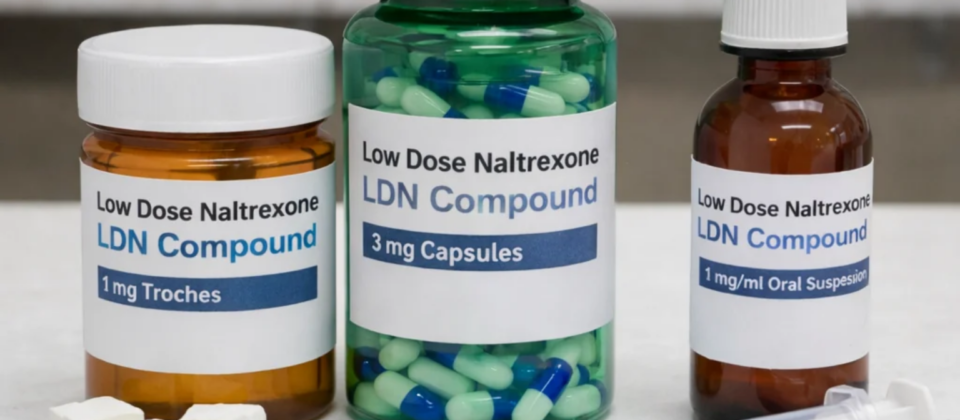
Naltrexone is available in different formulations and doses. The standard oral naltrexone dose differs from extended-release injectable treatment, and low-dose naltrexone is sometimes discussed for off-label uses such as chronic pain or other conditions. Those low doses are not the same as the doses used for addiction treatment.
Because naltrexone is processed through the liver, liver function tests may be recommended before or during treatment, particularly for people with liver disease or other risk factors. Kidney disease, other drugs, and other medical conditions may also affect whether naltrexone is appropriate.
Alcohol use disorder
Incorporating it into an alcohol addiction treatment plan is one of this medication’s most common and most successful applications. For someone with alcohol dependence, the craving for a drink can feel overwhelming. Naltrexone reduces that urge by blocking the pleasurable sensations normally tied to drinking. According to research on naltrexone and its approved uses, patients taking it alongside structured medical treatment have reached abstinence on as many as 80.6 percent of days. It also sharply reduces the risk of returning to heavy drinking days, which makes it a strong support for lasting behavioral change.
Opioid use disorder
Naltrexone is equally important for opioid use disorder, where it serves as a cornerstone of relapse prevention for people recovering from heroin, fentanyl, or prescription pills. Because it strictly blocks the opioid receptors, using opioids while on it will not produce a euphoric rush. Research indicates that following a standard 100 mg dose, the subjective effects of opioids are blocked by up to 90 percent at the 24-hour mark. That blockade gives people a real safety net.
It removes much of the biological incentive to use while you build a new foundation, whether that happens through an IOP Indiana or a more structured schedule like our PHP Indiana. The medication holds the line on cravings while therapy does the harder work of changing how you respond to stress, boredom, and grief.
Available forms and dosages of naltrexone
Naltrexone is available in oral and extended-release injectable forms. The right option depends on factors such as treatment goals, adherence, medical history, and how often someone can reliably take or receive the medication.
| Form | Common name | Typical dose | How it is taken/th> | Main consideration |
|---|---|---|---|---|
| Oral tablet | Revia or generic naltrexone | 50 mg daily | Taken by mouth once a day | Requires consistent daily adherence |
| Extended-release injection | Vivitrol shot | 380 mg every 4 weeks | Intramuscular injection given by a healthcare professional | Provides longer-lasting medication coverage without a daily pill |
Choosing between oral and injectable naltrexone
The oral form may work well for someone who can consistently take a daily medication and prefers greater flexibility. If side effects or another concern develops, the medication can also be stopped more easily than a month-long injectable formulation.
The extended-release injection removes the need to remember a pill every day. Because the medication remains active for several weeks, however, any side effects or medication-related concerns may also persist longer.
A healthcare professional can help compare the two forms based on adherence history, liver health, opioid-free status, treatment goals, and other medications.
Free Insurance Check
Our rehab center accepts most insurance plans.
Check if your insurance will cover the cost of treatment by filling out our confidential insurance form. We accept most insurance plans.

Crucial precautions before starting naltrexone
This medication is highly effective, but it requires careful clinical preparation before your very first dose. Several naltrexone contraindications need review with your doctor to keep you safe.
- An opioid-free window comes first. You must be completely free of opioids for a minimum of 7 to 10 days before your first dose. If you are transitioning off a long-acting medication like methadone or buprenorphine, that window can stretch to 14 days. Your medical team confirms you are clear before treatment begins.
- Severe opioid withdrawal risk. Taking this medication while opioids are still in your system strips those substances from your brain receptors all at once. That triggers an event called precipitated withdrawal. Symptoms can arrive immediately, be intensely severe, and be dangerous enough to require hospitalization.
- Specific items to avoid. When asking what to avoid when taking naltrexone, the central answer is anything containing opioids. That includes illicit drugs, prescription painkillers, and even certain over-the-counter cough syrups or anti-diarrheal medicines with mild opioid derivatives.
- Liver function monitoring. Because high doses can occasionally stress the liver, medical screening is mandatory. Your provider runs blood tests to check your liver enzymes before you begin, then continues monitoring throughout treatment to confirm your body is processing the medication safely.
Working these precautions into your plan
None of this is meant to be discouraging. The screening exists so your first dose lands safely, and your clinical team walks you through the timeline step by step rather than handing you a prescription and a warning label.
Timing also depends on where you are in your recovery. People stepping down from a more intensive schedule often begin the medication as they move into our standard outpatient rehab Indiana, where weekly appointments make lab monitoring and dose adjustments simple to manage. Others start later, after a stretch of stability, when cravings resurface, and a chemical buffer becomes useful again. Both paths are legitimate, and neither one means you have fallen behind.
OUR PROCESS
1
Get in touch
with us2
Do a free
assessment3
Review your
insurance4
Start your
addiction treatment
Start your recovery today!
(317) 707-9848What are the most common side effects of naltrexone?
Naltrexone can cause side effects, especially when treatment first begins. Common reactions may include:
- Nausea.
- Headache.
- Fatigue.
- Dizziness.
- Sleep changes or insomnia.
- Reduced appetite.
- Stomach discomfort.
Some side effects improve as the body adjusts, while others may last longer. The experience can also differ between oral naltrexone and the extended-release injection.
When side effects need medical attention
More serious reactions are less common but should not be ignored. A healthcare professional should be contacted if symptoms such as severe abdominal pain, persistent vomiting, yellowing of the skin or eyes, dark urine, significant weakness, or a serious injection-site reaction develop.
Because naltrexone is processed through the liver, monitor liver function before or during treatment when clinically appropriate. Discuss any side effect that is persistent, worsening, or interfering with daily life with a healthcare provider rather than changing the dose without medical guidance.
Naltrexone drug interactions
Another key part of your medical safety involves monitoring naltrexone drug interactions closely. The most critical naltrexone interactions involve opioid-based medications. Because this drug blocks opioid receptors, standard opioid pain relievers will be rendered largely ineffective while you are on it. Be cautious with cough syrups, prescription pain relievers, and anti-diarrheal medicines, and read the labels on any over-the-counter product to confirm it is opioid-free.
Just as important, tell every one of your healthcare providers that you are taking an opioid antagonist. That includes your dentist, any surgeon, and emergency room staff. With that information, they can plan safe non-opioid pain management if you need a procedure or are hurt unexpectedly. Carrying a medical ID card that lists the medication is a simple way to ensure the message gets through when you cannot deliver it yourself.
WE ARE AVAILABLE 24/7
Request a call for answers and help.
If you or someone you care about is struggling with addiction or mental health problems, request a call to speak with a knowledgeable treatment specialist. Our team is here to help you understand your options for care. There is no cost or obligation to enter treatment by requesting a call.
"*" indicates required fields
How naltrexone can support treatment for a substance use disorder
Naltrexone is generally most useful as one part of a broader treatment plan rather than as a standalone solution. For a substance use disorder, the medication can help reduce the reinforcing effects of alcohol or other opioid drugs, while behavioral treatment addresses the habits, emotions, and circumstances connected to substance use.
Depending on individual needs, care may combine naltrexone with cognitive behavioral therapy, group support, trauma-informed approaches, and other evidence-based strategies. Naltrexone lowers the rewarding effects associated with certain substances, but it does not replace the work of building coping skills, managing stress, and changing patterns that contribute to continued use.
Treating substance use and mental health together
Cravings and substance use do not always occur in isolation. Anxiety, depression, trauma, and other mental health concerns can influence why a person drinks or uses other drugs.
When these concerns overlap, dual diagnosis treatment centers in Indiana may address both substance use and mental health within the same overall treatment plan. This can help ensure that medication is not the only tool being used when emotional or psychiatric symptoms are also contributing to the substance use disorder.
People taking naltrexone should also report serious side effects, worsening depression, or suicidal thoughts to a healthcare professional. Symptoms such as severe stomach pain, jaundice, or other signs of liver problems may require prompt medical attention.
Planning for continued support after treatment
Stopping treatment does not always mean support should end. Aftercare may provide continued accountability, relapse-prevention planning, peer connection, and support as formal treatment becomes less intensive.
For people receiving the monthly injection, follow-up is also important because the medication remains active for several weeks after administration. Healthcare professionals can help review response to treatment, side effects, cravings, and any increased risk related to opioid use.
Because naltrexone blocks opioid receptors, attempting to overcome that blockade by taking larger amounts of opioids creates a serious risk of overdose. Overdose risk may also increase after naltrexone is stopped because opioid tolerance can be lower than it was before treatment.
Rehab might feel like a big step, but remember why you're here—you’re looking for a way forward. We can help.
Key Takeaways
- Naltrexone is a non-addictive medication used to treat alcohol and opioid use disorders by blocking the rewarding effects of these substances.
- By blocking the "high," it helps reduce cravings and removes the incentive to relapse, making it an effective tool for recovery.
- Available as a daily oral tablet or a monthly injection, naltrexone is prescribed by a healthcare professional as part of a comprehensive treatment plan that includes therapy.
Frequently asked questions
What is low-dose naltrexone, and is it used for addiction treatment?
Low-dose naltrexone uses substantially smaller doses than standard naltrexone treatment. It is being researched and used off-label for several conditions, but it is not the standard FDA-approved dosing approach for alcohol use disorder or opioid use disorder. Anyone considering low-dose naltrexone should discuss its intended use, evidence, and dosing with a healthcare professional.
What should you know before taking naltrexone for opioid use disorder?
Before taking naltrexone for opioid use disorder, a person generally needs to complete opioid withdrawal and remain opioid-free for an appropriate period, often at least 7 to 10 days. Starting too soon can trigger precipitated withdrawal. A healthcare professional may use medical history, testing, and clinical assessment to determine when naltrexone can be safely administered.
How does the monthly injection differ from oral naltrexone?
Oral naltrexone is typically taken daily, while extended-release injectable naltrexone, commonly known as Vivitrol, is administered about once a month by a healthcare professional. The monthly injection eliminates the need to remember a daily pill, while oral treatment offers greater flexibility if the medication needs to be discontinued or adjusted.
Can you take naltrexone with other drugs?
Naltrexone can interact with other drugs, particularly medications containing opioids. Opioid pain medicines, certain cough preparations, and other opioid-containing products may not work as expected while opioid receptors are blocked. Healthcare professionals should know about prescription medications, over-the-counter products, and supplements before naltrexone treatment begins.
Can opioid use after taking naltrexone increase overdose risk?
Yes. Trying to overcome naltrexone’s opioid blockade by taking large amounts of opioids can cause a potentially fatal overdose. Risk can also increase after treatment ends because opioid tolerance may be reduced. Warning signs of an opioid overdose include slowed or stopped breathing, unconsciousness, and pinpoint pupils. Suspected overdose requires immediate emergency medical attention.
Getting started with naltrexone in Indiana
Beginning treatment for a substance use disorder starts with determining whether naltrexone is medically appropriate. A healthcare professional can review opioid-free status, liver health, other medications, treatment goals, and whether oral or extended-release naltrexone fits the situation. If you are ready to talk through your options with our team at Red Ribbon Indiana, contact us by calling (317) 707-9848 to get started.
We are here to help you or a loved one find addiction treatment near you.
Admitting you have a substance abuse problem and asking for help is not always easy. If you or a loved one are struggling with drug addiction, alcohol addiction or another substance use disorder, help is available. You can visit SAMHSA’s National Helpline to learn about resources in your area or reach out to our team by calling (317) 707-9848 to explore personalized treatment.
Treatment center reviews
Sources
- Croop, R. S., Faulkner, E. B., & Labriola, D. F. (December 5, 1997). The safety profile of naltrexone in the treatment of alcoholism. PubMed.
- M. E. et al. (January 15, 2019). Serious adverse events reported in placebo randomised controlled trials of naltrexone. PMC.
- National Center for Biotechnology Information. (2022). Chapter 4—Oral Naltrexone. NCBI.
- Medical University of South Carolina. (2020). Three genes predict success of naltrexone in alcohol dependence. MUSC.
- Indiana Family and Social Services Administration. (2021). Medicaid Rehabilitation Option (MRO). IN.gov.
- Substance Abuse and Mental Health Services Administration. (December 22, 2025). What is Naltrexone? Side Effects, Uses, Dose & Risk.
About the content

Written by: Carli Simmonds. Carli Simmonds holds a Master of Arts in Community Health Psychology from Northeastern University. From a young age, she witnessed the challenges her community faced with substance abuse, addiction, and mental health challenges, inspiring her dedication to the field.

Medically reviewed by: Jodi Tarantino, MSW, LICSW. Jodi Tarantino is an experienced, licensed Independent Clinical Social Worker (LICSW) and Program Director with over 20 years of experience in Behavioral Healthcare. Also reviewed by the RRR Editorial team.
Red Ribbon Recovery is committed to delivering transparent, up-to-date, and medically accurate information. All content is carefully written and reviewed by experienced professionals to ensure clarity and reliability. During the editorial and medical review process, our team fact-checks information using reputable sources. Our goal is to create content that is informative, easy to understand and helpful to our visitors.
Disclaimer: This website is for informational purposes only, not medical advice. Red Ribbon Recovery Indiana connects people with the full continuum of care, including a detox center Indiana, Indiana inpatient drug rehab, PHP Indiana, IOP Indiana, and outpatient rehab Indiana.
For those managing co-occurring conditions, our dual diagnosis treatment centers in Indiana treat addiction and mental health together. We also offer telehealth mental health and online addiction treatment for flexible, remote access to care.