
Antabuse, the brand name for disulfiram, does not reduce alcohol cravings. It works by making alcohol physically intolerable, so a single drink brings on flushing, a pounding headache, nausea, and vomiting within about ten minutes. That deterrent effect is the entire point of the medication, and it is why Antabuse is prescribed to people who have already stopped drinking and want a hard barrier against relapse. Paired with counseling and structured treatment, it holds the line through the stretch of early recovery when willpower alone tends to fail.
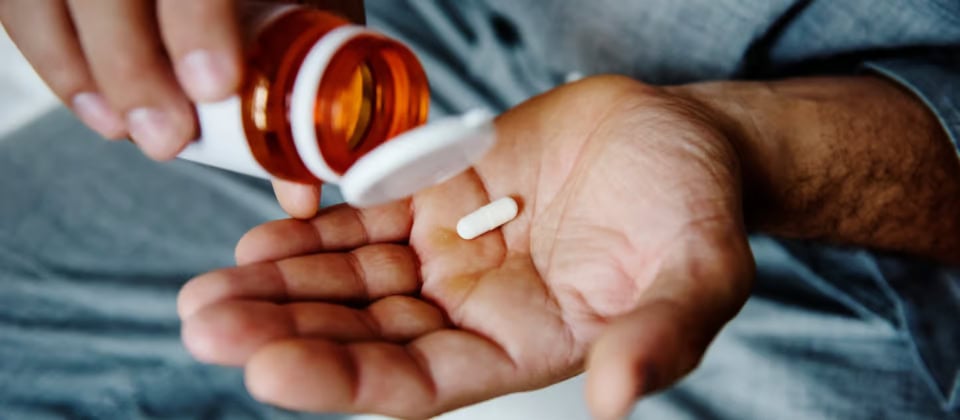
What is Antabuse (disulfiram) and what is it used for?
Antabuse is an FDA-approved prescription medication for alcohol use disorder, and it has been in clinical use since the early 1950s. It is an anti alcohol medicine in the most literal sense, because it does not blunt the urge to drink. It changes what happens when you do. Prescribers use it as a chemical boundary for people who have decided to stop and want that decision reinforced every day.
No medication resolves an alcohol use disorder on its own, and this one is unusually dependent on the care around it. It only works on the days you take it, which is why it is prescribed to people who are motivated and supported rather than handed out broadly. Disulfiram may be incorporated into alcohol addiction treatment alongside medication-assisted treatment, medical monitoring, and peer support when clinically appropriate. Clinical references consistently find the same thing: outcomes improve when the medication is part of a program rather than used alone.
How does disulfiram work?
Many people ask how Antabuse works, and the answer comes down to one enzyme. Your liver normally breaks alcohol down into acetaldehyde, a toxic intermediate, and an enzyme called aldehyde dehydrogenase clears that acetaldehyde within seconds. The disulfiram MOA is straightforward because the drug irreversibly inhibits that enzyme.
With aldehyde dehydrogenase blocked, acetaldehyde accumulates instead of clearing, reaching concentrations several times higher than normal. That accumulation produces the illness people describe, and it is why the effect is so reliable. Disulfiram therapy also inhibits dopamine beta-hydroxylase, a second action that explains the fatigue, flat mood, or sedation some patients notice during the first few weeks.
Because the enzyme inhibition is irreversible, the effect does not switch off when you skip a dose. Your body has to synthesize new enzyme, which takes days. That slow recovery gives the medication its protective window and makes stopping it a deliberate decision rather than a casual one.
Who Antabuse for alcohol dependence helps most
Antabuse for alcohol dependence suits a specific profile. It fits someone who has already stopped drinking, wants to stay stopped, and benefits from taking the daily decision off the table entirely. For that person, the drink is no longer a choice made at six in the evening; it is a choice already made that morning when the pill was swallowed.
It is a poor fit in other situations. Anyone still drinking cannot start it safely, and anyone whose goal is moderation rather than abstinence will not benefit. As a medicine for alcohol addiction, it does nothing for craving intensity, so people whose main struggle is relentless urges often do better on a craving-focused option. A clinical assessment sorts this out quickly.
You can overcome addiction. Reach out to discover:
What symptoms does alcohol cause in people taking Antabuse?
The physical response to drinking on this medication is called the disulfiram-alcohol reaction. It begins fast, usually 5 to 10 minutes after the first sip, and it does not require a full drink to trigger. A mouthful is enough.
The reaction lasts anywhere from 30 minutes to several hours depending on how much alcohol reached the bloodstream. Common antabuse side effects during a reaction include severe facial flushing, a throbbing headache, chest tightness, and a racing heart, followed by heavy sweating, profound nausea, and repeated vomiting. Severe reactions can look like alcohol poisoning signs and symptoms and occasionally involve dangerous drops in blood pressure.
Accidental exposure counts. The reaction does not distinguish between a beer and a splash of cooking wine, so everyday products matter more than people expect. That vigilance has to hold until the medication has fully cleared, which can take up to two weeks.
Alcohol-containing products to avoid
Hidden alcohol shows up in ordinary household items, and label reading becomes a habit worth building early. Check the following before use:
- Foods. Avoid cooking wine, wine vinegar, flambéed dishes, and baking extracts such as vanilla extract.
- Liquid medicines. Avoid over-the-counter cough syrups, liquid cold remedies, and some tinctures.
- Dental care. Never use a mouthwash that lists alcohol as an active or inactive ingredient.
- Personal care. Avoid alcohol-based skin toners, perfumes, hand sanitizers, and aftershaves.
How long the risk lasts after the last dose
A common question is how to remove disulfiram from the body faster, and the honest answer is that nothing speeds it up. Because the enzyme block is irreversible, your body has to build new aldehyde dehydrogenase, and that takes time no fluid, supplement, or exercise routine can shorten.
Plan on remaining sensitive to alcohol for a full 14 days after the final tablet. Drinking inside that window can still produce a complete reaction, and people who assume the drug clears in a day or two are the ones who get caught out. If you and your prescriber decide to stop, mark the two-week date on a calendar.
Free Insurance Check
Our rehab center accepts most insurance plans.
Check if your insurance will cover the cost of treatment by filling out our confidential insurance form. We accept most insurance plans.

Antabuse dosage forms
Antabuse generic and brand-name tablets come in a small number of strengths, and the schedule is deliberately simple. Treatment often opens with a higher loading dose for a few days before settling into a lower daily maintenance dose that most patients stay on for months.
| Treatment phase | Typical dosage | Timing and administration |
|---|---|---|
| Initial loading dose | 800mg daily (for a few days) | Usually taken in the morning. |
| Daily maintenance dose | 100mg to 500mg daily | Taken once a day. Take at bedtime if drowsiness occurs. |
A strict waiting period applies before the first tablet. According to the official Antabuse (disulfiram tablets USP) in alcoholism label, you must wait at least 12 hours after your last drink. Starting sooner risks triggering a reaction from alcohol still in your system.
Missing a dose is handled simply. Take it when you remember, unless your next scheduled dose is close; in that case, skip it rather than doubling up. Store the tablets at room temperature in a tightly closed container, away from heat, moisture, and direct sunlight.
Common and serious disulfiram side effects
Separate from the alcohol reaction, disulfiram side effects occur on their own. The common ones are mild and usually settle within a few weeks, including a metallic or garlic-like taste, drowsiness, headache, fatigue, and mild acne. Shifting the dose to bedtime resolves most of the sedation complaints.
Serious effects are uncommon but require attention. Liver injury is the primary concern, and warning signs include yellowing of the skin or eyes, dark urine, pale stools, persistent nausea, and pain under the right ribs. Optic neuritis and peripheral neuropathy can also develop, typically with longer use, and any change in vision or new numbness and tingling in the hands or feet warrants a same-day call to your prescriber.
Monitoring and lab work while on treatment
Liver function testing is not optional. Most prescribers check baseline liver enzymes before the first dose, repeat them at two weeks, and then repeat them every three to six months while treatment continues. A complete blood count and a basic metabolic panel are often drawn alongside them.
Monitoring works best when treatment is coordinated rather than scattered across separate offices. Care at facilities offering dual diagnosis treatment centers in Indiana keeps prescribing, lab review, and mental health care under one clinical team, so a rising enzyme level or a mood change gets caught in the same conversation.
Drug interactions to review before starting
Antabuse interacts with more compounds than most people anticipate. Metronidazole and isoniazid can produce confusion or psychotic symptoms in combination with it. Warfarin levels rise, so anticoagulation needs tighter monitoring, and phenytoin can accumulate toward toxic concentrations.
Bring a complete list to the appointment where the prescription is written, including prescriptions, over-the-counter products, herbal supplements, and anything taken occasionally. Liquid formulations deserve particular scrutiny, since many contain alcohol as a solvent.
When Antabuse should not be used
Some conditions rule the medication out. It is contraindicated in significant coronary artery disease, severe myocardial disease, and psychosis, and it is not given to anyone who has consumed alcohol within the previous 12 hours or who has a known hypersensitivity to thiuram derivatives.
Other conditions call for caution rather than exclusion, including diabetes, hypothyroidism, seizure disorders, kidney impairment, and existing liver disease. Pregnancy is a separate conversation, since safety data are limited. Full disclosure of your medical history helps make the prescribing decision safe.
WE ARE AVAILABLE 24/7
Request a call for answers and help.
If you or someone you care about is struggling with addiction or mental health problems, request a call to speak with a knowledgeable treatment specialist. Our team is here to help you understand your options for care. There is no cost or obligation to enter treatment by requesting a call.
"*" indicates required fields
How disulfiram fits into addiction treatment
Medication can be one component of a personalized treatment plan, not the entire plan. Disulfiram earns its place when a patient wants a firm deterrent and has the structure around them to take it consistently.
Choosing an alcohol addiction medicine is a comparison, not a default. Naltrexone and acamprosate reduce craving directly and do not demand the same all-or-nothing commitment, which suits patients whose main difficulty is the pull toward a drink. Disulfiram suits patients whose difficulty is the moment of decision. Some people do best on a combination, and that call belongs in a clinical conversation with your prescriber.
Adherence is the variable that decides whether the medication works. Research on disulfiram has been consistent on this point for decades: supervised or observed dosing produces markedly better outcomes than unsupervised self-administration. Building the dose into a morning routine, or having a partner or family member present, turns a good idea into a reliable one.
Where medication fits in your level of care
Medication management only works when it sits inside a program with regular clinical contact. A PHP Indiana provides day-long structure for patients who need close support, which is where adherence problems and side effects surface early enough to correct.
As stability builds, an IOP Indiana keeps several sessions a week in place while you return to work and family responsibilities. An outpatient rehab Indiana program then holds prescribing, liver monitoring, and therapy on a lighter schedule for the long stretch that follows.
Therapy and long-term support
A deterrent buys time, and therapy is what uses it. Cognitive behavioral therapy works on the thinking that precedes a drink, while family therapy addresses the relationships alcohol has strained and the household patterns that surround drinking.
Peer accountability matters between sessions, and many patients pair clinical care with a 12-step program or a secular alternative. Because disulfiram is usually a time-limited tool rather than a lifelong one, the plan should also cover what comes after it. Choosing an appropriate aftercare program keeps you connected once the prescription ends, which is exactly the point where relapse risk quietly rises.
Rehab might feel like a big step, but remember why you're here—you’re looking for a way forward. We can help.
Key Takeaways
- Antabuse (Disulfiram) acts as a daily deterrent in alcohol recovery by making drinking physically unpleasant.
- It establishes a firm boundary against drinking, freeing individuals to focus on counseling, rebuilding relationships, and developing sober habits.
- Red Ribbon Recovery Indiana provides clinical assessments to integrate Antabuse into a personalized treatment plan for alcohol recovery.
Frequently asked questions
What are the most common side effects of disulfiram for alcohol use disorder?
The most common side effects of taking disulfiram include drowsiness, fatigue, headache, acne, and a metallic or garlic-like taste. More serious adverse effects can include liver problems, nerve damage, blurred vision, vision changes, or psychiatric symptoms. Healthcare providers may monitor liver function during disulfiram treatment. New jaundice, dark urine, significant weakness, or vision loss or pain requires prompt medical attention.
What adverse effects can occur from drinking alcohol while taking disulfiram?
Drinking alcohol while taking disulfiram can trigger a disulfiram-ethanol reaction as acetaldehyde accumulates. Even small amounts of alcohol may cause unpleasant symptoms such as flushing, nausea, vomiting, chest pain, low blood pressure, and a rapid heartbeat. Severe adverse reactions can include cardiovascular collapse or seizures. The amount of alcohol consumed can influence reaction severity, but no alcohol intake should be considered safe during disulfiram treatment.
Can disulfiram interact with other medicines or alcohol-containing products?
Yes. Disulfiram can interact with other medicines, medications, and drugs. Healthcare professionals should know everything a person takes before administering disulfiram. Alcohol may also be hidden in cough mixtures, certain foods, sauces, shave lotions, and other substances. A pharmacist can help identify alcohol-containing products and potential medication interactions.
What should I do about a missed dose of disulfiram?
For a missed dose, follow the instructions provided by healthcare providers or a pharmacist rather than taking extra medication. Disulfiram is eliminated slowly, so its effects can persist after a missed dose. People taking disulfiram should remain fully informed about alcohol restrictions and may be advised to carry an identification card describing the disulfiram-alcohol reaction.
Who should discuss disulfiram and other medicines carefully with healthcare providers?
Disulfiram may not be appropriate for everyone with alcohol use disorder. People with severe heart disease, a history of heart attack, kidney disease, liver problems, or certain psychiatric conditions should discuss risks with healthcare providers. Other medicines also require review because clinically important interactions can occur, including with metronidazole. Careful medical supervision helps reduce adverse events and determine whether disulfiram is appropriate for an individual.
Take the next step toward alcohol recovery in Indiana
Changing your relationship with alcohol takes sustained effort, and the right clinical tools give that effort somewhere to stand. Antabuse removes the immediate option to drink, which frees your attention for counseling, for rebuilding family ties, and for the ordinary day-to-day habits that keep sobriety in place. It works as a firm boundary while the rest of the work happens. If you are weighing whether this medication belongs in your care plan, the team at Red Ribbon Recovery Indiana can help you decide. Contact us by calling (317) 707-9848 to schedule a clinical assessment, and we will build a treatment plan around your specific situation.
We are here to help you or a loved one find addiction treatment near you.
Admitting you have a substance abuse problem and asking for help is not always easy. If you or a loved one are struggling with drug addiction, alcohol addiction or another substance use disorder, help is available. You can visit SAMHSA’s National Helpline to learn about resources in your area or reach out to our team by calling (317) 707-9848 to explore personalized treatment.
Treatment center reviews
Sources
- National Library of Medicine. (2012). ANTABUSE®(Disulfiram Tablets USP)IN ALCOHOLISM. DailyMed.
- National Library of Medicine. (2024). Disulfiram – StatPearls – NCBI Bookshelf. NCBI.
- National Institute on Alcohol Abuse and Alcoholism. (2021). Alcohol Metabolism. NIAAA.
- National Library of Medicine. (2006). Chapter 3—Disulfiram – Incorporating Alcohol Pharmacotherapies. NCBI.
- National Library of Medicine. (2021). Disulfiram – LiverTox® – NCBI Bookshelf. NCBI.
About the content

Written by: Carli Simmonds. Carli Simmonds holds a Master of Arts in Community Health Psychology from Northeastern University. From a young age, she witnessed the challenges her community faced with substance abuse, addiction, and mental health challenges, inspiring her dedication to the field.

Medically reviewed by: Jodi Tarantino, MSW, LICSW. Jodi Tarantino is an experienced, licensed Independent Clinical Social Worker (LICSW) and Program Director with over 20 years of experience in Behavioral Healthcare. Also reviewed by the RRR Editorial team.
Red Ribbon Recovery is committed to delivering transparent, up-to-date, and medically accurate information. All content is carefully written and reviewed by experienced professionals to ensure clarity and reliability. During the editorial and medical review process, our team fact-checks information using reputable sources. Our goal is to create content that is informative, easy to understand and helpful to our visitors.
Disclaimer: This website is for informational purposes only, not medical advice. Red Ribbon Recovery Indiana connects people with the full continuum of care, including a detox center Indiana, Indiana inpatient drug rehab, PHP Indiana, IOP Indiana, and outpatient rehab Indiana.
For those managing co-occurring conditions, our dual diagnosis treatment centers in Indiana treat addiction and mental health together. We also offer telehealth mental health and online addiction treatment for flexible, remote access to care.

