
Gabapentin has FDA approval for exactly three uses: partial seizures, restless legs syndrome, and the lingering nerve pain that follows shingles. Almost everything else it gets prescribed for, including anxiety, insomnia, and the physical discomfort of early withdrawal, is off-label. That gap between what the drug is approved to treat and how prescribers actually use it is why so many people entering treatment in Indiana have questions about it. Knowing what gabapentin does, where it genuinely helps, and where it carries risk makes the conversation with your prescriber much shorter.
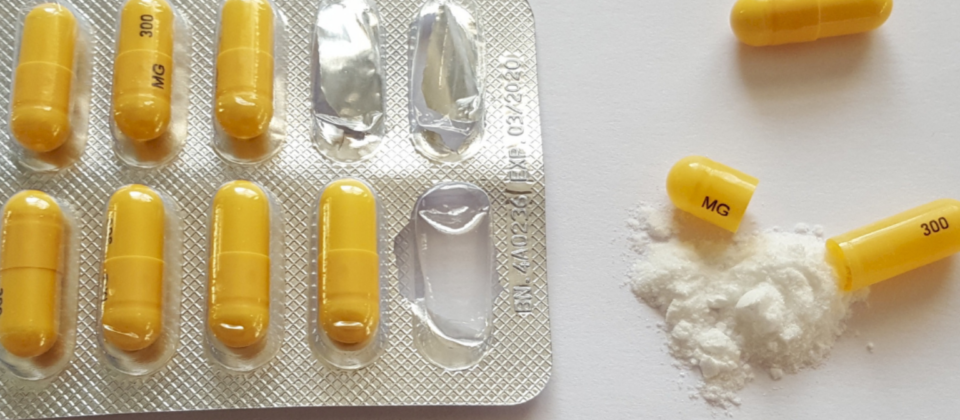
What is gabapentin?
Gabapentin is an anticonvulsant and nerve pain medication used for several neurological conditions and, in some cases, considered off-label for symptoms that can occur during addiction recovery. Because medication decisions are only one part of broader care, medication-assisted treatment may include ongoing review of prescriptions, side effects, substance use, and whether a medication continues to fit a person’s clinical needs.
The U.S. Food and Drug Administration approves gabapentin for a limited group of conditions, including certain partial seizures and postherpetic neuralgia. Gabapentin enacarbil, a related formulation, is also approved for restless legs syndrome. In practice, gabapentin is prescribed off-label for a wider range of concerns, including certain types of pain, sleep problems, anxiety symptoms, and some aspects of alcohol recovery. Medical literature on gabapentin indications and off-label uses outlines how its clinical use has expanded beyond its original approvals.
Gabapentin affects signaling within the nervous system rather than directly blocking opioid or alcohol receptors. Whether it is appropriate depends on the condition being treated, medical history, kidney function, other medications, substance use history, and the potential risks of sedation or misuse.
You can overcome addiction. Reach out to discover:
Gabapentin for addiction and mental health treatment
In Indiana, the opioid and methamphetamine crises have hit communities from Indianapolis and Fort Wayne down to Evansville. Recovering from these substances takes a multifaceted approach. Gabapentin for addiction is an off-label use, but it has become a supportive tool in many treatment plans. It binds to specific calcium channels in the nervous system, which reduces the release of excitatory chemicals. The result is a calming effect that helps quiet the intense electrical activity spiking in the brain during early recovery.
When someone stops using alcohol or drugs, the brain is left in a hyperactive state. That hyper-excitability drives many of the worst withdrawal symptoms, including restlessness, muscle pain, and overwhelming anxiety. When substance use occurs alongside anxiety, depression, trauma, or another mental health condition, dual diagnosis treatment centers in Indiana may address both concerns within the same overall treatment plan.
Studies show promising clinical evidence for alcohol use disorder treatment, with gabapentin reducing cravings and relapse risk when it is introduced after the acute withdrawal period has passed. Evidence for stimulant and cocaine dependence is mixed. It belongs in a treatment plan as one component, not as a cure on its own, and any prescriber who frames it otherwise is overselling it.
Off-label uses for gabapentin abuse
In addiction treatment, uses for gabapentin focus on the secondary problems of early sobriety. Severe insomnia and untreated nerve pain are both well-documented relapse triggers. Easing those physical problems frees people to actually participate in therapy and peer support instead of white-knuckling through a session.
Gabapentin for mental health is a common consideration as well, since mental illness and substance use overlap so often. Clinicians may prescribe it as a third-line option for severe social anxiety or panic symptoms when standard treatments fall short. The benefits of gabapentin in these cases come from its ability to calm the body enough that the mind can follow.
Why do people take gabapentin?
Why do people take gabapentin? Outside of recovery settings, most prescriptions are written for nerve pain, seizure control, or restless legs. Inside them, the reasons narrow considerably: sleep that will not come, nerve pain that makes sitting through a group session unbearable, and anxiety severe enough to derail the first few weeks. A smaller group takes it for its sedating effect without a prescription at all, which is where the risk of misuse starts.
Free Insurance Check
Our rehab center accepts most insurance plans.
Check if your insurance will cover the cost of treatment by filling out our confidential insurance form. We accept most insurance plans.

Safety, side effects, and risks of gabapentin
Understanding the safety profile of any medication is essential for trusting your treatment plan. Gabapentin is generally well tolerated, but it carries specific risks that require careful medical oversight. When choosing among options, prescribers weigh gabapentin against standard addiction pharmacotherapies such as naltrexone or buprenorphine. Gabapentin does not block drug receptors the way those medications do. It gets chosen for a different reason: its ability to manage the nerve-related discomfort and sleep disruption of early recovery.
A common question is whether alcohol can be used safely while taking gabapentin. The answer is a strict no. Combining this medication with alcohol, opioid pain medicines, or other central nervous system depressants is extremely dangerous. It can cause severe breathing problems, heavy sedation, and a significantly higher risk of fatal overdose. Follow your exact prescription and be honest with your care team about anything else you are taking.
Dosage forms and how gabapentin is taken
If your care team decides this medication fits your plan, the next question is usually which dosage strengths and forms of gabapentin are available. It is versatile. Standard capsules, regular tablets, extended-release tablets, and an oral liquid are all available, and the immediate-release forms are typically split across three doses a day because the body clears the drug quickly. Your prescriber selects the form and strength based on your kidney function and the specific symptoms being treated.
Gabapentin use requires strict adherence to your prescriber’s instructions. Never take more than prescribed, double up after a missed dose, or share the medication with anyone. Swallow extended-release tablets whole, and use a proper measuring syringe for liquid doses rather than a kitchen spoon. IOP Indiana may include ongoing clinical contact that supports medication monitoring when this level of care is appropriate.
What your prescriber needs to know
Be specific with your care team about your full history. That includes every prescription and over-the-counter medication, any supplements, your alcohol and drug use as it actually is rather than as you wish it were, past kidney problems, and any history of depression or suicidal thinking. Gabapentin can worsen mood changes in a small number of people, and antacids taken close to a dose can blunt how much of it your body absorbs. None of these details disqualify you from treatment. They change how the medication is dosed and how closely you’re monitored in the first weeks.
Why gabapentin instead of a benzodiazepine?
For anxiety and sleep problems in early recovery, benzodiazepines work quickly but carry a high dependence risk and a difficult withdrawal of their own, which makes them a poor fit for most people with a substance use history. Gabapentin is often chosen because it addresses similar symptoms through a different mechanism, with a lower dependence risk and no reinforcement of the pattern someone is trying to leave behind. That does not make it harmless. It makes it the more defensible option when a medication is warranted, and it still requires the same monitoring and the same planned exit.
| Common side effects | Serious side effects | Precautions & interactions |
|---|---|---|
| Dizziness and lightheadedness | Trouble breathing or shallow breathing | Do not mix with alcohol |
| Feeling unusually tired or sleepy | Suicidal thoughts or mood changes | Dangerous with opioid pain medicines |
| Swelling in the hands or feet | Severe allergic skin reactions | Requires careful kidney monitoring |
| Mild nausea or stomach upset | Extreme confusion or memory loss | Interacts with certain antacids |
Preventing gabapentin withdrawal symptoms by tapering slowly
Coming off gabapentin is a gradual process, not a decision to make in the middle of a hard week. Prescribers typically step the dose down over several weeks while watching for returning anxiety, sleep disruption, or nerve pain that the medication had been covering. That taper goes better in a program where someone tracks your symptoms and can adjust the plan than it does alone at home. Medication-assisted treatment may include ongoing review of medications, side effects, response to treatment, and whether continued use remains clinically appropriate.
WE ARE AVAILABLE 24/7
Request a call for answers and help.
If you or someone you care about is struggling with addiction or mental health problems, request a call to speak with a knowledgeable treatment specialist. Our team is here to help you understand your options for care. There is no cost or obligation to enter treatment by requesting a call.
"*" indicates required fields
Gabapentin addiction support in Indiana
Medication is generally most useful as one part of a broader, evidence-informed treatment plan. Gabapentin may address specific symptoms, while behavioral therapy, peer support, and other forms of care address the patterns and circumstances connected to substance use. Across Indiana, treatment needs can vary according to geography, access, medical history, mental health, and the severity of substance use.
Medication inside a structured program
Medication calms physical symptoms so you can engage with behavioral therapy, group counseling, and the community-building work that keeps people in recovery. PHP Indiana may provide substantial daytime structure and frequent clinical contact when a higher level of support is appropriate. As treatment needs change, IOP Indiana or outpatient rehab Indiana may provide lower-intensity support while medication monitoring continues.
Therapy does the work medication cannot
No medication tells you what to do at nine on a Friday night when a craving arrives, and the house is quiet. That is the work of cognitive behavioral therapy, which targets the thinking patterns that precede use, and of skills-based approaches like dialectical behavioral therapy for people whose emotions escalate faster than they can respond. Gabapentin may help you stay steady enough to sit through those sessions. The sessions are what change the outcome.
Planning for what comes after
Most relapses happen after formal treatment ends, not during it. A tapering plan, a plan for sleep once the medication stops, and a standing set of appointments all belong in your discharge paperwork before you need them. Aftercare may help maintain structure, accountability, and relapse-prevention planning after more intensive treatment becomes less frequent.
Rehab might feel like a big step, but remember why you're here—you’re looking for a way forward. We can help.
Key Takeaways
- Gabapentin is used off-label in addiction treatment to ease withdrawal symptoms, anxiety, and sleep issues, particularly for alcohol or benzodiazepine dependence.
- Despite its therapeutic uses, gabapentin carries its own potential for misuse and can be addictive.
- Due to its risks, the medication is typically prescribed and monitored closely by professionals as part of a broader, comprehensive treatment plan.
Frequently asked questions
Can a gabapentin overdose require immediate medical attention?
Yes. A gabapentin overdose may cause severe drowsiness, slurred speech, double vision, jerky movements, confusion, or breathing problems. The risk can increase with higher doses or when gabapentin is combined with narcotic pain medicines, muscle relaxants, alcohol, or other substances that depress the central nervous system. People with chronic obstructive pulmonary disease may face an increased risk of serious breathing complications. Suspected overdose or a severe allergic reaction requires immediate medical attention.
Is gabapentin a controlled substance with abuse potential?
Gabapentin is a prescription medication and is not federally classified as a controlled substance, although some states regulate it more closely because of its abuse potential. Physical dependence can develop, particularly with prolonged use or higher doses. Risk may also be greater among people with a substance use disorder or those obtaining prescriptions from multiple doctors. A medical provider should periodically review gabapentin use and other medications.
Can hot flashes or other symptoms occur after stopping gabapentin?
Withdrawal can begin within roughly 12 to 48 hours after the last dose and may involve sweating or hot flashes, anxiety, panic attacks, trembling, uncomfortable sensations, heart palpitations, or headaches. More serious symptoms can include confusion, hallucinations, and seizures. People should not stop taking gabapentin suddenly, particularly when it is used to control seizures. A prescriber may gradually reduce the dose over at least a week or longer depending on individual circumstances.
How does gabapentin treat neuropathic pain and seizures?
Gabapentin can treat nerve pain and help control partial seizures by affecting calcium-channel activity and reducing abnormal electrical activity and excitatory pain signals. It is used to treat epilepsy and nerve pain, including postherpetic neuralgia, which can follow a painful rash from shingles. Clinicians may also prescribe gabapentin off-label for certain conditions. Despite its name, gabapentin does not work by directly activating gamma-aminobutyric acid receptors.
Can you drink alcohol during gabapentin use?
It is generally safest to avoid or limit alcohol unless a medical provider says otherwise. Drinking can intensify side effects of gabapentin such as dizziness, drowsiness, and impaired coordination. Other possible effects include fatigue, increased appetite, and weight gain. Symptoms such as unusual bleeding or dark urine warrant medical attention. During medical detox, inpatient programs, or other treatment approaches, medication and alcohol use should be reviewed individually because certain medicines can interact with alcohol.
Considering gabapentin during addiction treatment in Indiana
Deciding to get help takes real courage, and you should not have to sort out the medical details alone. Medications can stabilize your body and mind enough to do the harder work, but they only hold up alongside professional guidance and a genuine therapeutic foundation. Our team at Red Ribbon Indiana is here to help. Contact us by calling (317) 707-9848 to discuss treatment resources and possible next steps in Indiana.
We are here to help you or a loved one find addiction treatment near you.
Admitting you have a substance abuse problem and asking for help is not always easy. If you or a loved one are struggling with drug addiction, alcohol addiction or another substance use disorder, help is available. You can visit SAMHSA’s National Helpline to learn about resources in your area or reach out to our team by calling (317) 707-9848 to explore personalized treatment.
Treatment center reviews
Sources
- PubMed. (2025). Mechanisms of action of gabapentin. PubMed.
- National Center for Biotechnology Information. (February 21, 2024). Gabapentin – StatPearls. NCBI Bookshelf.
- National Center for Biotechnology Information. (December 23, 2017). Gabapentin for the treatment of alcohol use disorder. PMC – NIH.
- U.S. Drug Enforcement Administration. (2026). Gabapentin. DEA Diversion Control Division.
About the content

Written by: Carli Simmonds. Carli Simmonds holds a Master of Arts in Community Health Psychology from Northeastern University. From a young age, she witnessed the challenges her community faced with substance abuse, addiction, and mental health challenges, inspiring her dedication to the field.

Medically reviewed by: Jodi Tarantino, MSW, LICSW. Jodi Tarantino is an experienced, licensed Independent Clinical Social Worker (LICSW) and Program Director with over 20 years of experience in Behavioral Healthcare. Also reviewed by the RRR Editorial team.
Red Ribbon Recovery is committed to delivering transparent, up-to-date, and medically accurate information. All content is carefully written and reviewed by experienced professionals to ensure clarity and reliability. During the editorial and medical review process, our team fact-checks information using reputable sources. Our goal is to create content that is informative, easy to understand and helpful to our visitors.
Disclaimer: This website is for informational purposes only, not medical advice. Red Ribbon Recovery Indiana connects people with the full continuum of care, including a detox center Indiana, Indiana inpatient drug rehab, PHP Indiana, IOP Indiana, and outpatient rehab Indiana.
For those managing co-occurring conditions, our dual diagnosis treatment centers in Indiana treat addiction and mental health together. We also offer telehealth mental health and online addiction treatment for flexible, remote access to care.