
Outpatient detox programs in Indiana let people withdraw from alcohol or drugs under medical supervision while still sleeping at home. For someone juggling a job, children, or school, that can be the difference between starting treatment now and putting it off again.
Detox is the first stage of recovery for many people, but it is not right for everyone in an outpatient setting. This page explains how outpatient detox works, who tends to be a good candidate, when a higher level of care is safer, and what should happen once withdrawal is over.
The stakes are real in Indiana. The state recorded 1,618 overdose deaths in 2024, down from 2,130 in 2023, according to the Indiana Department of Health. That progress depends on people getting safe, timely help, and our update on Indiana overdose deaths tracks the latest trends.

What is outpatient detox for drugs and alcohol in Indiana?
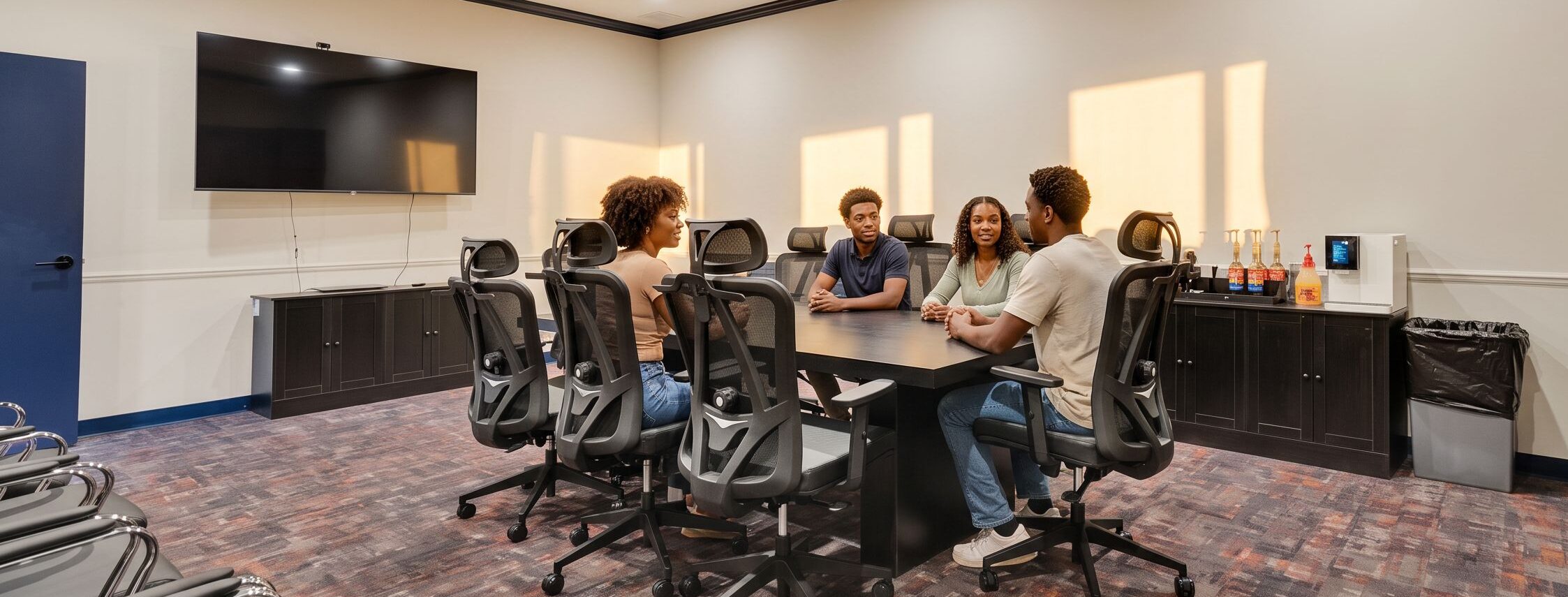
Outpatient detox is medically supervised withdrawal management that happens while you live at home. Instead of staying overnight in a facility, you attend scheduled visits for evaluation, medication when appropriate, and check-ins on your symptoms. It is one of several levels of addiction treatment, and it is designed for people whose withdrawal is expected to be mild to moderate.
The American Society of Addiction Medicine (ASAM) describes this as ambulatory withdrawal management (Level 1-WM), meaning symptoms can be managed safely without 24 hour monitoring. Because it does not require a bed, it can reduce barriers for people in rural Indiana and for anyone who cannot step away from work or family for a week.
Outpatient detox is different from detox in a hospital or residential unit. For a side by side comparison, read outpatient detox vs inpatient detox or see our overview of drug and alcohol detox in Indiana.
You can overcome addiction. Reach out to discover:
Who should consider outpatient detox?
Outpatient detox works well for the right person and can be unsafe for the wrong one. Whether you are a good candidate depends on your health, your home, and how your body is likely to react when you stop using.
A licensed clinician makes the final call after an assessment. The factors below are the ones they usually weigh, and our checklist of signs you need to detox can help you prepare for that conversation.
Mild to moderate withdrawal symptoms
The most important factor is how severe your withdrawal is expected to be. If your history points to mild or moderate symptoms, outpatient withdrawal management can usually handle them safely.
People stopping prescription opioids, marijuana, or lower levels of alcohol use are often good candidates. People with a history of severe withdrawal, withdrawal seizures, or delirium tremens generally need inpatient care with round-the-clock monitoring.
Benzodiazepines need extra caution. Stopping them suddenly can cause seizures, so benzo addiction is usually treated with a slow, prescriber-supervised taper rather than abrupt withdrawal.
A stable and supportive home environment
Outpatient detox depends on a home that is safe, calm, and free of alcohol or drugs. Having a family member or housemate who knows your plan and can check on you makes it much more likely to succeed.
A chaotic or unsafe home, or one where substances are regularly present, can undermine even a highly motivated person. Your clinical team will ask about your living situation during the first evaluation to decide whether outpatient detox is realistic.
A strong personal commitment to recovery
Outpatient detox asks more of you than inpatient care. You manage symptoms at home between visits, so you need to keep appointments, take medications exactly as prescribed, and call the team if symptoms get worse.
People who do well usually have a clear reason to change, someone they can call for support, and a willingness to follow their medical team’s guidance closely.
No significant co-occurring medical conditions
Serious medical conditions such as heart disease, liver disease, pregnancy, or uncontrolled seizures can make withdrawal riskier, and inpatient care may be safer. Many people with well-managed health conditions can still detox as outpatients.
The same applies to mental health. Severe depression, suicidal thoughts, or psychosis call for closer monitoring. Your first evaluation should review your full medical and psychiatric history before outpatient detox is recommended.
First time seeking treatment
For many first-time patients, outpatient detox is a natural starting point. It has a lower barrier to entry than residential treatment, which can make that first step easier to take.
If this is your first attempt at stopping and your history does not involve heavy physical dependence, outpatient withdrawal management may be the right place to begin. Our guide on alcohol detox at home explains why unsupervised home detox is risky and what medical support adds.
The outpatient detox process: what to expect step-by-step
Knowing what happens at each step makes outpatient detox less intimidating. Your medical team builds the plan around your substance, your history, and your health. For more detail, read what to expect during detox and how long detox takes.
Initial assessment and medical evaluation
The process starts with a confidential assessment. A clinician reviews your physical health, substance use history, past withdrawal experiences, mental health, and home environment, and may order lab work.
This evaluation decides whether outpatient detox is safe for you. If it is not, the clinician will explain which level of care fits better so you can start somewhere safe.
Medically supervised withdrawal management at home
Next, you begin withdrawal management while living at home. During opioid or alcohol withdrawal, a prescriber may use detox medications to ease symptoms and prevent complications, with frequent check-ins to adjust the plan. Visits are often daily or close to daily during the first few days, when symptoms usually peak.
Once withdrawal is complete, medications such as naltrexone can reduce cravings and support the next phase of recovery. For people farther from our Greenwood facility, such as Evansville or South Bend, telehealth makes many check-ins and sessions possible remotely.
Call the team or seek emergency care right away if you develop confusion, hallucinations, a seizure, chest pain, or vomiting that will not stop.
Transition to ongoing recovery support
Detox is only the first step. It clears substances from the body but does not change the patterns, stressors, and mental health concerns that drive use, so people who stop after detox alone have a high risk of relapse.
Before detox ends, your team should help you plan the next stage of care. A partial hospitalization program offers the most structure, an intensive outpatient program typically involves 9 or more hours of therapy a week, and outpatient rehab provides ongoing counseling at a lighter pace. Read more about what happens after detox.
Free Insurance Check
Our rehab center accepts most insurance plans.
Check if your insurance will cover the cost of treatment by filling out our confidential insurance form. We accept most insurance plans.

Is an outpatient detox program in Indiana right for you?
Deciding on the right level of care is a personal and medical decision. You may be a good candidate for outpatient detox if your withdrawal is expected to be mild to moderate, your home is stable, and you can keep frequent appointments. Severity varies widely. In the 2025 National Survey on Drug Use and Health, 54.1% of people with a substance use disorder had a mild disorder and 22.5% had a severe one.
The table below compares the two settings.
| Factor | Outpatient detox | Inpatient detox |
|---|---|---|
| Ideal candidate | Mild to moderate expected withdrawal, stable health, motivated | Severe expected withdrawal, history of seizures or delirium tremens, complex medical needs |
| Environment | Safe, stable, substance-free home | 24/7 monitored clinical facility |
| Medical supervision | Scheduled visits and check-ins, often daily at first | Round-the-clock nursing and physician oversight |
| Daily life | Can usually keep some work, school, and family roles | Full pause on daily responsibilities for several days |
| Typical situations | Lower-level alcohol use, prescription opioids, marijuana | Heavy daily alcohol use, high-dose benzodiazepines, severe polysubstance use |
Support at home matters. Living with people who back your recovery makes it easier to keep appointments, take medications correctly, and get help quickly if symptoms change.
Some cases need much closer monitoring. Severe alcohol withdrawal can cause dangerous seizures, and opioid withdrawal also needs careful medical evaluation.
Indiana inpatient drug rehab provides round-the-clock care for people with severe symptoms or complex medical needs. If mental health concerns are part of the picture, dual diagnosis treatment centers in Indiana treat both conditions together. A licensed clinician should help you make this decision after a full evaluation.
WE ARE AVAILABLE 24/7
Request a call for answers and help.
If you or someone you care about is struggling with addiction or mental health problems, request a call to speak with a knowledgeable treatment specialist. Our team is here to help you understand your options for care. There is no cost or obligation to enter treatment by requesting a call.
"*" indicates required fields
How to find outpatient detox centers near me in Indiana
Start with a clinical assessment, either through a treatment program or your doctor, so the level of care matches your actual withdrawal risk. FindTreatment.gov, run by SAMHSA, lets you search licensed Indiana providers by service type, including withdrawal management, and by payment option.
Paying for care is often the next question. Indiana Medicaid covers many outpatient substance use services, including withdrawal management. To check your coverage, log in to your member portal or call your health plan. The Indiana Division of Mental Health and Addiction can also help you find Medicaid providers across the state.
Red Ribbon Recovery Indiana accepts most private insurance plans and does not accept Medicare or Medicaid. If you have commercial insurance, our team can verify your benefits and walk you through your options. See how to pay for rehab for more on costs.
Start your recovery at home with Red Ribbon Recovery Indiana
Choosing to get help takes courage, and for many people it does not require putting life on hold. When withdrawal risk is mild to moderate and home is stable, outpatient detox can be a safe first step, followed by structured treatment and aftercare that keep recovery moving.
The key is matching the setting to your real medical needs, which is what the first assessment is for.
Rehab might feel like a big step, but remember why you're here. You’re looking for a way forward. We can help.
Key Takeaways
- Outpatient detox programs are an important first step for individuals with physical dependence on drugs or alcohol.
- Receiving medical support during detox helps manage withdrawal symptoms, improving safety, comfort, and overall treatment outcomes.
- To begin treatment, individuals can verify their insurance and contact the provided number at (317) 707-9848 to schedule an initial medical evaluation.
Frequently asked questions
What is outpatient detox and how does it work?
Outpatient detox is medically supervised withdrawal management that lets you live at home instead of staying overnight in a facility. You attend scheduled visits, often daily at first, for symptom checks, medication when appropriate, and support. It is meant for people whose withdrawal is expected to be mild to moderate and who have a stable, substance-free home.
Who is a good candidate for outpatient detox?
Good candidates usually have mild to moderate expected withdrawal, stable physical and mental health, a supportive home, and the ability to keep frequent appointments. People with a history of seizures, delirium tremens, severe withdrawal, serious medical or psychiatric conditions, or heavy benzodiazepine use usually need inpatient care. A clinician determines the safest level of care after a full assessment.
What services are included in outpatient detox programs?
Programs vary, but outpatient detox commonly includes a medical evaluation, scheduled check-ins, medications to ease withdrawal symptoms when appropriate, and counseling or relapse prevention education. Many programs also screen for depression, anxiety, and trauma and help plan the next stage of treatment. Family members may be invited to learn how to support recovery at home.
What is the difference between inpatient and outpatient treatment?
Inpatient treatment means living at a facility with 24 hour medical supervision and structured care. Outpatient treatment means living at home and attending scheduled visits or therapy sessions during the week. The right choice depends on withdrawal severity, medical and mental health needs, relapse history, and how safe and supportive home is.
Can outpatient detox support long term recovery?
Yes, when it leads into continued treatment. Detox clears substances from the body but does not address the causes of substance use, so most people move into an intensive outpatient program, outpatient therapy, or another structured program afterward. Long-term recovery usually involves therapy, relapse prevention skills, support for mental health, and a reliable support network.
How do outpatient detox centers near me support outpatient alcohol detox?
Outpatient alcohol detox starts with an assessment of how much and how often you drink, your past withdrawal symptoms, and your overall health. If outpatient care is safe, you receive scheduled monitoring, medications to prevent complications when needed, and clear instructions on warning signs. Anyone with a history of alcohol withdrawal seizures or delirium tremens should detox in an inpatient setting.
Finding addiction treatment in outpatient detox programs
If you are ready to make a change, we are here to support you. Start by verifying your insurance so you understand your options, or review our admissions process. Call our team at (317) 707-9848 to talk through your health needs and schedule an initial medical evaluation.
We are here to help you or a loved one find addiction treatment near you.
Admitting you have a substance abuse problem and asking for help is not always easy. If you or a loved one are struggling with drug addiction, alcohol addiction or another substance use disorder, help is available. You can visit SAMHSA’s National Helpline to learn about resources in your area or reach out to our team by calling (317) 707-9848 to explore personalized treatment.
Treatment center reviews
Read what treatment patients and their families have to say about their experiences at Red Ribbon Recovery Indiana.
Sources
- American Society of Addiction Medicine. (2021). ASAM Criteria.
- National Center for Biotechnology Information. (2014). Barriers to Substance Abuse Treatment in Rural and Urban Communities.
- Indiana Family and Social Services Administration. (n.d.). Best Practice Guidelines for the Treatment of Opioid Use Disorder.
- University of New Hampshire. (2023). Utilizing Outpatient Telehealth as a Treatment Approach for Patients with Substance Use Disorder.
- Substance Abuse and Mental Health Services Administration. (2026). Key Substance Use and Mental Health Indicators in the United States: Results from the 2025 National Survey on Drug Use and Health. Rockville, MD.
- National Center for Biotechnology Information. (2024). Alcohol Withdrawal Syndrome. StatPearls.
- Indiana Health Coverage Programs. (2021). Substance Use Disorder (SUD)/Serious Mental Illness (SMI) Treatment. IN.gov.
- Substance Abuse and Mental Health Services Administration. (n.d.). FindTreatment.gov.
- Indiana Department of Health. (2025). Fatal Overdose and Suicide Report, 2024. Division of Trauma and Injury Prevention.
About the content

Written by: Carli Simmonds. Carli Simmonds holds a Master of Arts in Community Health Psychology from Northeastern University. From a young age, she witnessed the challenges her community faced with substance abuse, addiction, and mental health challenges, inspiring her dedication to the field.

Medically reviewed by: Jodi Tarantino, MSW, LICSW. Jodi Tarantino is an experienced, licensed Independent Clinical Social Worker (LICSW) and Program Director with over 20 years of experience in Behavioral Healthcare. Also reviewed by the RRR Editorial team.
Red Ribbon Recovery is committed to delivering transparent, up-to-date, and medically accurate information. All content is carefully written and reviewed by experienced professionals to ensure clarity and reliability. During the editorial and medical review process, our team fact-checks information using reputable sources. Our goal is to create content that is informative, easy to understand and helpful to our visitors.
Disclaimer: This website is for informational purposes only, not medical advice. Red Ribbon Recovery Indiana connects people with the full continuum of care, including a detox center Indiana, Indiana inpatient drug rehab, PHP Indiana, IOP Indiana, and outpatient rehab Indiana.
For those managing co-occurring conditions, our dual diagnosis treatment centers in Indiana treat addiction and mental health together. We also offer telehealth mental health and online addiction treatment for flexible, remote access to care.


