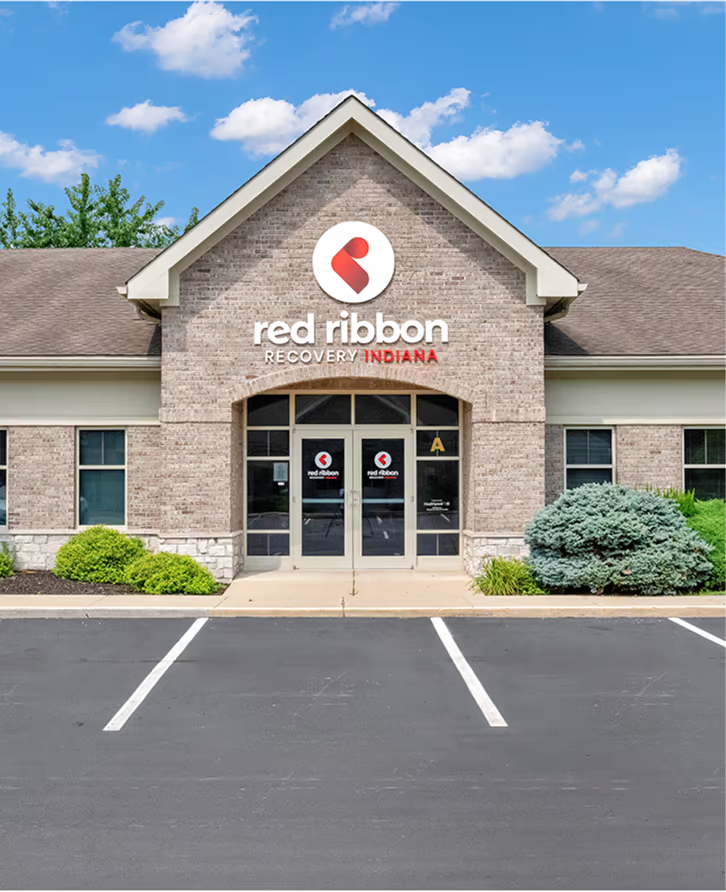
Substance use affects individuals and families across Indianapolis, from Broad Ripple to Fountain Square. The rise in opioid-related deaths, methamphetamine use, and alcohol-related hospitalizations reflects a growing need for compassionate, evidence-based treatment. Recovery is possible—but it often begins with alcohol addiction treatment or other clinical care that addresses both physical dependence and the emotional toll of addiction. Many people begin their search by looking for drug rehab Indianapolis options that provide structured, medically informed support close to home.
Drug and alcohol rehab in Indianapolis includes a wide range of services that help people safely stop using substances, rebuild their lives, and stay connected to ongoing support. Whether you’re seeking help for yourself or someone you love, it’s important to understand what treatment involves and how to access it locally. Many local treatment facilities offer comprehensive addiction treatment programs grounded in clinical research and tailored to individual needs.
Drug and alcohol addiction treatment options in Indianapolis, Indiana

Treatment for substance use disorder (SUD) involves more than just stopping drugs or alcohol, it’s a structured process that supports physical stabilization, mental health, behavioral change, and long-term recovery. In Indianapolis, most programs for substance use disorder and mental health offer multiple levels of care so that treatment can be matched to your clinical needs, daily responsibilities, and stage of recovery. These treatment programs often provide a full continuum of care designed to meet people where they are in their recovery journey.
Medical detox
Medical detox is often the first step for people who are physically dependent on alcohol, opioids, or other substances. It’s designed to help individuals withdraw safely, with 24/7 supervision, symptom management, and clinical oversight. In Indianapolis, detox services are available at standalone centers as well as hospitals and inpatient rehab facilities.
Medical detox is often the first step for people who are physically dependent on alcohol, opioids, or other substances. It’s designed to help individuals withdraw safely, with 24/7 supervision, symptom management, and clinical oversight. In Indianapolis, detox services are available at standalone centers as well as hospitals and inpatient rehab facilities.
During detox, patients may receive medications to ease withdrawal symptoms, especially in cases of alcohol addiction or opioid dependence. The goal is not just physical safety, but also emotional support during a vulnerable time, with close attention to withdrawal symptoms that are common in alcohol use disorder and other substance use disorders.
Residential treatment/ inpatient rehab
After detox, many people transition to inpatient treatment which provides structured, round-the-clock care in a live-in setting. Inpatient treatment programs are ideal for individuals who need a break from triggers at home or in their environment.
In residential rehab, days are organized around therapeutic groups, individual counseling, skills development, health services, and structured therapy sessions that support long-term healing. Indianapolis drug and alcohol addiction treatment facilities often include recreational and wellness-based therapies, offering a whole-person approach to recovery.
Outpatient treatment
Outpatient programs allow individuals to participate in treatment while continuing to live at home and maintain some of their regular responsibilities. These programs are often a good fit for people stepping down from inpatient or residential care, or for those whose substance abuse has not reached a level that requires 24-hour supervision.
In Indianapolis, many treatment facilities offer a continuum of outpatient care that includes partial hospitalization programs (PHP), intensive outpatient programs (IOP), and standard outpatient programs (OP). These levels of care differ in intensity, frequency, and structure, allowing providers to match services to a person’s unique needs and stage in their recovery journey.
Partial hospitalization program (PHP)
PHP is the most intensive level of outpatient care. Patients typically attend treatment five to six days a week for several hours each day, often from morning through mid-afternoon. It offers the structure and clinical intensity of residential treatment without requiring an overnight stay.
In Indianapolis, PHP often includes daily group therapy, individual counseling, psychiatric care, and medical monitoring when needed. It’s ideal for individuals who need strong clinical support but are stable enough to return home at night or live in a sober living environment.
Intensive outpatient program (IOP)
IOP is a step down from PHP, offering a more flexible schedule while still maintaining a strong therapeutic foundation. Most IOPs in Indianapolis meet three to five days per week for around three hours per session, often in the morning or evening to accommodate work or school.
IOP focuses on relapse prevention, emotional regulation, peer support, and skill-building. Individuals in IOP continue to receive individual & group therapy, and case management while gradually reintegrating into daily life. It’s often used as a follow-up to inpatient or PHP, or as a starting point for those who don’t require higher levels of care.
Standard outpatient program (OP)
Standard outpatient treatment is typically the least intensive level of care. It involves one to two sessions per week, often focused on ongoing therapy, support, or relapse prevention. OP may include individual therapy, family counseling, or drug testing, and can continue for several months or longer. In Indianapolis, OP is frequently used as part of aftercare planning, helping people maintain progress and stay accountable after completing more structured treatment.
Dual diagnosis program
Many patients struggling with addiction also live with underlying mental health conditions such as manic depression, anxiety, PTSD, or bipolar disorder. In these cases, treatment needs to address both conditions at the same time, this is known as dual diagnosis care.
Dual diagnosis programs in Indianapolis are staffed by clinicians trained in both addiction medicine and mental health rehab. These programs offer integrated therapy, psychiatric care, and medication management for co-occurring disorders, helping individuals better understand how each condition influences the other.
By treating both mental health conditions and substance use together, dual diagnosis programs support more stable, lasting recovery outcomes.
If you are unsure which level of care is right for you, a licensed treatment team can help guide you through your options and recommend a program that fits your needs.

You can overcome addiction. Reach out to discover:
What to expect at an addiction treatment center in Indianapolis, Indiana
Starting addiction and mental health rehab can feel uncertain, especially if it’s your first time entering a treatment program. Knowing what to expect can help ease some of that anxiety. Whether you’re beginning with medical detox for drug addiction or alcohol use disorder, enrolling in residential care for substance use disorder, or starting outpatient care in Indianapolis, the process is designed to be structured, supportive, and focused on your individual needs.
Substance abuse treatment programs in Indianapolis often provide a personalized treatment plan based on your medical history, mental health needs, and goals for recovery.

Intake and admissions
The first step at drug and alcohol addiction recovery centers is usually a confidential assessment or intake appointment. This may be done over the phone or in person. A licensed clinician will ask about your substance abuse history, physical and mental health, and any current challenges you’re facing. They’ll also review your medical records if needed and may perform a brief physical exam or lab work.
From there, the therapist team or admissions staff will recommend a level of care based on your clinical needs, safety, and recovery goals. If drug and alcohol detox is necessary, that step usually comes first. Otherwise, you may begin in residential or outpatient care right away.
Drug and alcohol treatment facilities may handle intake differently, but most follow a similar process aimed at making patients feel safe and supported throughout the entire recovery process.
A typical day in treatment
While the structure varies by program, most treatment days follow a consistent schedule built around therapy, education, and wellness. If you’re in residential care or a full-day outpatient program like PHP, your day may start around 9:00 a.m. and include several group sessions, breaks for meals, and time for personal reflection or recreation.
Some of the drug and alcohol addiction treatment services and therapy sessions you may participate in at drug and alcohol recovery centers in Indianapolis, Indiana include:
- Group therapy sessions / group psychotherapy
- Medication assisted treatment (MAT)
- Relapse prevention
- Nutrition education
- Stress management and life skills development
- Family education groups
- Recreational therapy
Whether in a residential setting or outpatient program, the goal is to create a predictable, supportive environment where healing can take place, surrounded by a caring community that understands your experience. For those participating in outpatient care for a substance use disorder, structured recovery housing may be recommended to provide added stability and accountability outside of treatment hours.
Family resources
Substance use disorder doesn’t just affect the person using substances—it impacts entire families. Loved ones often experience fear, confusion, and a deep sense of loss while trying to help someone who is struggling. In Indianapolis, there are resources available to support families through every stage of the recovery process.
Many treatment centers in Indianapolis, Indiana offer family education groups or family therapy as part of their core programming. These sessions help loved ones understand addiction as a medical condition, not a moral failing, and give them the tools to communicate more effectively, set boundaries, and participate in the healing process in a healthy way.
Support doesn’t stop when treatment ends. Families are encouraged to stay involved in recovery through ongoing counseling or outside support groups. Local Al-Anon and Nar-Anon meetings offer confidential spaces for spouses, parents, and children of people with addiction to connect with others who understand what they’re going through. These meetings take place throughout Marion County and surrounding areas, including at clubs and recovery centers.
Even if your loved one isn’t ready for addiction treatment yet, you don’t have to wait to get support. Family-focused resources are available to help you cope, stay safe, and prepare for the possibility of recovery.
After treatment
Finishing a treatment program is a major step, but recovery doesn’t end when formal drug or alcohol addiction treatment stops. The weeks and months after discharge are often when people face the most challenges, especially as they return to their everyday routines, relationships, and responsibilities.
In Indianapolis, continuing care options are widely available to help individuals stay connected to support and reduce the risk of relapse. This may include:
- Ongoing therapy. Many people continue individual or group counseling on a weekly basis after completing a residential or outpatient program.
- Medication management. Those using medication-assisted treatment (MAT) may continue seeing a prescribing provider for maintenance support.
- Sober living homes. Structured recovery housing offers a safe, substance-free environment with peer support. A sober living facility or home can be especially helpful after residential addiction treatment or for those without a stable home environment.
- Outpatient step-down care. Many programs offer a phased approach to addiction treatment, gradually reducing the level of clinical involvement over time while maintaining connection to care.
- Alumni programs. Some addiction treatment centers in Indianapolis host alumni meetings, community events, and mentorship opportunities to help former clients stay engaged in recovery.
Some programs also offer support from recovery coaches, peer mentors who can walk alongside individuals as they build new routines and begin to see life differently.
Long-term recovery is not just about staying abstinent. It’s about building a fulfilling life—one that includes purpose, relationships, structure, and wellness. Aftercare is designed to support that process in a way that feels realistic and sustainable.
WE ARE AVAILABLE 24/7
Request a call for answers and help.
If you or someone you care about is struggling with addiction or mental health problems, request a call to speak with a knowledgeable treatment specialist. Our team is here to help you understand your options for care. There is no cost or obligation to enter treatment by requesting a call.
"*" indicates required fields
Insurance, costs and available payment options for treatment in Indianapolis
The cost of addiction treatment can vary depending on the level of care, the length of the program, and the services provided. Many addiction treatment centers in Indianapolis work with a wide range of insurance plans and offer financial assistance options to make care more accessible.
Many rehab programs in Indiana accept most major insurance providers, including Anthem, UnitedHealthcare, Aetna, Cigna, and others. Some also meet national quality standards and are accredited by organizations like the Joint Commission. Many also accept Medicaid, Medicare, or state-funded options for those who qualify. During the admissions process, most facilities will verify your insurance coverage and explain any out-of-pocket costs upfront.
If you’re uninsured or underinsured, don’t assume help is out of reach. Some addiction treatment center options offer sliding-scale fees based on income or may connect you with grant-funded programs that cover part or all of the cost. Payment plans, scholarships, and partnerships with nonprofit agencies are also available at some Indianapolis locations.
The most important step is reaching out. A treatment coordinator or admissions specialist can guide you through the financial options, help verify your insurance, and connect you to a program that meets your clinical and financial needs. They may also help explain the entire procedure so that you feel more confident starting recovery care.
Free Insurance Check
Our rehab center accepts most insurance plans.
Check if your insurance will cover the cost of treatment by filling out our confidential insurance form. We accept most insurance plans.

Living in recovery: support options

Recovery continues long after addiction treatment ends. Maintaining sobriety requires connection, structure, and ongoing support, especially in the first year. Fortunately, Indianapolis offers a strong network of community resources to help individuals stay engaged and supported in their addiction recovery.
Many people find success by participating in peer-led recovery groups, attending in-person meetings, or joining structured alumni programs through their recovery center. Support can look different for everyone, but consistency is key.
Some people say that peer groups and sober social spaces have absolutely changed how they connect with others and how they see their life in recovery. Many go on to build meaningful relationships, develop new coping skills, and find purpose in giving back to others.
Outside support meetings
Across Indianapolis and surrounding areas, 12-step and alternative peer support groups meet daily. These groups provide accountability, encouragement, and a safe space to talk about the realities of living in addiction recovery. Most are free, open to the public, and offer both in-person and online options.
In-person support groups and recovery clubs
- Carvel Club. 4627 Carvel Ave., Indianapolis
- Club East. 441 S Ritter Ave., Indianapolis
- Westside Club. 6450 W 10th St. #7, Indianapolis
- Southside Fellowship Center. Indianapolis
- Way Out Club. 226 Cherry Street, Greenfield
- Dry Dock Club. 62 W 3rd Street, Shelbyville
- Suburban North Club. 1811 South 10th St., Noblesville
These venues host a variety of meetings throughout the week, including Alcoholics Anonymous (AA), Narcotics Anonymous (NA), and other peer-based groups. Some members describe the people they meet in these rooms as an amazing team of individuals who genuinely care and provide advice that’s practical and personal.
Online support
For those who prefer virtual support or need flexible options, a wide range of online meetings and digital communities are available. These include:
- AA Online Meetings – Indianapolis chapter
- Adult Children of Alcoholics
- Indianapolis AA Intergroup
- Al-Anon
- Alateen
- Co-Dependents Anonymous
- Narcotics Anonymous
- Nar-Anon
- Cocaine Anonymous
- Crystal Meth Anonymous
- Gamblers Anonymous
- Heroin Anonymous
- Overeaters Anonymous
- Smart Recovery
- Women for Sobriety
- Allies in Recovery
- Celebrate Recovery
- Refuge Recovery
- Sex and Love Addicts Anonymous
- S-Anon
- Recovery Dharma
Each of these programs offers different philosophies and formats, whether you prefer spiritual, secular, structured, or mindfulness-based recovery, there are local and virtual options to meet your needs.
Rehab might feel like a big step, but remember why you're here—you’re looking for a way forward. We can help.
Stats about addiction, drug use and alcohol use in Indianapolis, Indiana
Substance use continues to affect people across Marion County and the broader Indianapolis area. According to the Marion County Coroner’s Office, overdose deaths involving fentanyl decreased in 2024, but synthetic opioids still contribute to the majority of fatalities. Emergency departments in Indianapolis treat an average of 20 overdose-related patients per day, showcasing the ongoing need for accessible care. Indiana HIDTA also reports that Indianapolis continues to serve as a major corridor for fentanyl, methamphetamine, and cocaine distribution, often routed through Chicago and fueling the local drug supply.
In Indiana, alcohol remains one of the most misused substances. While rates of youth drinking have declined, alcohol addiction still contributes to thousands of hospital visits and arrests each year. According to the 2024 Indiana Drug Fact Sheet, 46.5% of Hoosiers ages 12 and older reported current alcohol use, with 20.7% engaging in binge drinking. About 10% of the population met the criteria for Alcohol Use Disorder, and alcohol-related deaths increased to 15.1 per 100,000 people.
Recent studies have also shown a correlation between untreated mental health conditions and ongoing drug addictions, particularly among adults with limited access to affordable care. In 2022, 24.4% of Indiana adults reported having a mental health condition, and 6.4% experienced a serious mental illness that interfered with daily functioning. Suicide rates remain high across the state, especially among men. Many providers in the area now offer integrated mental health and addiction services, and programs that use evidence-based drug interventions are seeing stronger outcomes for long-term recovery.
While there has been progress, substance use and mental health treatment are still needed desperately throughout Indianapolis. The region continues to face overlapping challenges tied to polysubstance use, psychiatric distress, and gaps in prevention, underscoring the need for coordinated care and expanded access.
Local things to do while sober in Indianapolis, IN
Recovery isn’t just about what you stop doing, it’s also about building a new life filled with meaningful activities, relationships, and community. Thankfully, Indianapolis offers plenty of sober-friendly experiences for people at all stages of their recovery journey.
Whether you’re reconnecting with your interests, spending more time with loved ones, or exploring new parts of the city, these activities support a fulfilling, substance-free lifestyle.
Sober-friendly things to do in Indianapolis include:
- Memento Zero Proof Lounge. Indiana’s first sober nightlife spot, offering craft mocktails and live events.
- WildEye Lounge. Known for its THC and CBD mocktails, offering a chill, wellness-centered atmosphere.
- Loren’s AF Beverages. A unique bottle shop featuring non-alcoholic wines, beers, and spirits.
- White River State Park. Go for a walk, bike ride, or just relax in this scenic downtown park.
- Garfield Park Conservatory. A quiet place for reflection and nature.
- Tibbs Drive-In Theatre. Enjoy nostalgic movies under the stars—no alcohol required.
- Monument Circle’s “Shining A Light” show. A free, nightly light display downtown.
- Art classes, recovery meetups, and mindfulness groups. Hosted by local recovery centers and wellness spaces.
These sober experiences are more than just entertainment, they’re opportunities to engage with a caring community, develop coping skills, and discover joy without substances. Many in long-term recovery say their life has been greatly improved, and they often highly suggest these kinds of activities to others starting out.
Frequently asked questions
How many days do you get in rehab?
The length of stay in drug rehab indianapolis programs depends on individual needs, substance use history, and medical stability. Many people begin with a 30-day stay, while others benefit from 60- or 90-day programs offered through licensed rehab centers indianapolis. Providers offering substance abuse treatment indianapolis services determine treatment length after a full clinical assessment. In some cases, individuals may transition from residential care within rehab indianapolis indiana programs into outpatient services for continued support.
How much is rehab in Indiana?
The cost of treatment varies depending on level of care, insurance coverage, and whether medical detox is required. Facilities providing alcohol rehab indianapolis and drug rehab indianapolis services may offer inpatient, outpatient, and partial hospitalization options at different price points. Many indianapolis rehab centers verify insurance before admission to clarify coverage. Programs offering substance abuse treatment indianapolis often work with private insurance, Medicaid, or payment plans. Costs for alcohol rehab indianapolis indiana may include therapy, case management, and discharge planning as part of comprehensive care.
How does rehab work for drug addicts?
Rehab begins with an evaluation to determine whether detox is necessary. Some individuals require detox indianapolis services before entering structured treatment. After stabilization, drug rehab indianapolis programs focus on therapy, relapse prevention, and skill development. Many providers integrate counseling within broader addiction treatment indianapolis models that address both behavioral patterns and underlying mental health concerns. Continued participation in substance abuse treatment indianapolis improves long-term recovery outcomes.
Does alcohol rehab really work?
Structured treatment has been shown to improve sobriety rates compared to attempting recovery alone. Programs offering alcohol rehab indianapolis combine therapy, peer support, and relapse prevention planning. Many individuals benefit from licensed alcohol treatment indianapolis programs that provide ongoing accountability. When delivered through regulated rehab centers in indianapolis indiana, alcohol treatment includes evidence-based care tailored to individual needs.
How long does someone stay in rehab for alcohol?
The length of stay in alcohol rehab indianapolis depends on severity and relapse history. Some individuals complete 30-day residential care, while others remain in longer-term programs within rehab indianapolis indiana facilities. Extended outpatient options offered through substance abuse treatment indianapolis programs can continue for several months after residential treatment ends. Ongoing addiction treatment indianapolis support is often recommended to reduce relapse risk.
What not to say to someone in recovery?
Avoid minimizing their experience or suggesting they should have recovered already. Individuals who have completed drug rehab indianapolis or alcohol rehab indianapolis programs often continue working on recovery long after discharge. Dismissive comments can undermine progress made in substance abuse treatment indianapolis settings. Encouragement, consistency, and accountability are more helpful than criticism.
What types of addiction treatment are available in Indianapolis?
There are multiple options for drug rehab indianapolis, including residential, partial hospitalization, and outpatient programs. Many individuals begin care through substance abuse treatment indianapolis providers that offer medical evaluation and therapy under one roof. Programs delivering addiction treatment indianapolis services often tailor treatment plans based on clinical assessment and relapse history.
Is inpatient rehab available in Indianapolis?
Yes. Several rehab centers indianapolis provide residential care for individuals who require 24-hour supervision. These drug rehab indianapolis programs focus on stabilization, therapy, and relapse prevention. Many indianapolis rehab centers also coordinate detox indianapolis services before transitioning patients into ongoing substance abuse treatment indianapolis plans.
What should I expect during alcohol rehab in Indianapolis?
During alcohol rehab indianapolis, patients typically undergo medical evaluation, therapy sessions, and structured relapse prevention planning. Some programs offering alcohol rehab indianapolis indiana also include psychiatric care and case management. Facilities providing alcohol treatment indianapolis services adjust care plans as recovery progresses.
Are there outpatient options for addiction treatment in Indianapolis?
Yes. Outpatient substance abuse treatment indianapolis programs allow individuals to receive therapy while living at home. Many people step down from drug rehab indianapolis residential programs into outpatient care within the same rehab indianapolis indiana facility. These outpatient tracks are often part of comprehensive addiction treatment indianapolis services.
How do I know which rehab center in Indianapolis is right for me?
Choosing among rehab centers in indianapolis indiana depends on medical needs, insurance coverage, and program structure. A licensed recovery center indianapolis can provide an intake assessment to determine whether residential or outpatient drug rehab indianapolis is appropriate. Many alcohol rehab indianapolis providers also offer consultations to guide families through the decision-making process.
Do rehab centers in Indianapolis treat both drugs and alcohol?
Yes. Most indianapolis rehab centers provide integrated care for multiple substances. Programs offering drug rehab indianapolis and alcohol rehab indianapolis often combine therapy, relapse prevention, and ongoing monitoring within broader substance abuse treatment indianapolis services.
Is long-term treatment available in Indianapolis?
Long-term care is available through extended drug rehab indianapolis and alcohol rehab indianapolis programs. Some rehab indianapolis indiana facilities provide structured support beyond 30 days. Extended participation in addiction treatment indianapolis programs has been associated with improved long-term stability.
What happens after completing rehab in Indianapolis?
After finishing residential care, individuals may continue outpatient substance abuse treatment indianapolis or peer support services. Many providers operating as a recovery center indianapolis offer aftercare planning. Continuing care following drug rehab indianapolis or alcohol rehab indianapolis improves long-term outcomes.
Get help for drug addictions and mental health at a recovery center in Indianapolis, Indiana
If you or someone you care about is struggling with drug addictions, substance abuse, or untreated mental health issues, you’re not alone, and help is available. At a trusted recovery center in Indianapolis, patients receive care that goes beyond symptom management. These programs are designed to support lasting change by addressing addiction along with the emotional and psychological challenges that often accompany it.
Many of the clinicians involved in mental health rehab have extensive experience supporting people with complex needs. Patients often describe the care as absolutely amazing, noting how the staff treat everyone with compassion, attention, and the knowledge required to properly care for someone in early recovery. Whether you’re just starting or returning to care, there are a wide range of treatment options available, and many have been genuinely impressed by how personalized and responsive those services can be.
Recovery isn’t just about getting sober, it’s about rebuilding your life with meaning and support. With the right team behind you and a safe place to heal, even the most persistent drug addictions and mental health conditions can be managed. If you’re ready to take the next step, reaching out to a local mental health rehab could be the decision that changes your life, or the life of someone you love.
We are here to help you or a loved one find addiction treatment near you.
Admitting you have a substance abuse problem and asking for help is not always easy. If you or a loved one are struggling with drug addiction, alcohol addiction or another substance use disorder, help is available. Call SAMHSA’s National Helpline at (317) 707-9848 to learn about resources in your area or reach out to our team for personalized treatment.
Treatment Center Reviews
Bridget LaRocco
I have been to this facility twice now, for Laser Hair removal and Botox. I saw Kim 2 times now for laser and she has been great, she made me feel really comfortable and…
Bridget LaRocco
I have been to this facility twice now, for Laser Hair removal and Botox. I saw Kim 2 times now for laser and she has been great, she made me feel really comfortable and…
Bridget LaRocco
I have been to this facility twice now, for Laser Hair removal and Botox. I saw Kim 2 times now for laser and she has been great, she made me feel really comfortable and…
Sources
- National Institute on Drug Abuse. (2020). Treatment and Recovery. National Institutes of Health, U.S. Department of Health and Human Services.
- Substance Abuse and Mental Health Services Administration. (2015). U.S. Department of Health and Human Services, Rockville, MD.
- Marion County Coroner’s Office. (2024). 2024 Q2 Drug Overdose Surveillance Report. Marion County Public Health Department.
- USA Facts. (2024). How many drug overdose deaths happen every year in the U.S.? – Indiana. USAFacts Institute.
- Office of National Drug Control Policy. (2024). High Intensity Drug Trafficking Areas Program: 2024 Report to Congress. Executive Office of the President.
- Substance Abuse and Mental Health Services Administration. (2024). Co-Occurring Disorders and Other Health Conditions. U.S. Department of Health and Human Services.
About the content

Written by: Carli Simmonds. Carli Simmonds holds a Master of Arts in Community Health Psychology from Northeastern University. From a young age, she witnessed the challenges her community faced with substance abuse, addiction, and mental health challenges, inspiring her dedication to the field.

Medical reviewed by: Jodi Tarantino, LICSW. Jodi Tarantino is an experienced, licensed Independent Clinical Social Worker (LICSW) and Program Director with over 20 years of experience in Behavioral Healthcare. Also reviewed by the RRR Editorial team.
Red Ribbon Recovery is committed to delivering transparent, up-to-date, and medically accurate information. All content is carefully written and reviewed by experienced professionals to ensure clarity and reliability. During the editorial and medical review process, our team fact-checks information using reputable sources. Our goal is to create content that is informative, easy to understand and helpful to our visitors.