Addiction is a problem Evansville knows well. From the riverfront and Haynie’s Corner to the neighborhoods stretching across Vanderburgh County, the effects of drug and alcohol use are visible. In 2023, the Vanderburgh County Coroner’s Office recorded 77 overdose deaths. In 2024, that number dropped to around 50, a sign of progress but still a heavy toll on the community. Local hospitals continue to see steady numbers of opioid overdoses, meth-related emergencies, and alcohol-related admissions.
Alcohol use is a long-standing concern here. State data shows that over 46% of adults drink, and binge drinking rates in Vanderburgh County sit above the state average. These numbers translate into more ER visits, more DUI cases, and more strain on families.
For many, recovery starts with having the right kind of help. That might mean a safe place to detox, a program that addresses mental health alongside addiction, or ongoing support to stay on track. Access to structured addiction treatment Evansville Indiana residents can rely on is an important part of reducing long-term harm and preventing future overdoses. Evansville has treatment options that focus on each of these needs, giving people a chance to find stability and rebuild their lives.
Drug and alcohol addiction treatment options in Evansville
When it comes to addiction treatment in Evansville, Indiana, there is no single approach that works for everyone. People living with substance use disorders often need a mix of physical care, mental health treatment, emotional support, and structure to sustain recovery. Many treatment centers in Evansville take a comprehensive approach that addresses both the physical effects of drug and alcohol use and the psychological challenges that come with it. This often includes care for co-occurring mental health disorders such as depression, anxiety, or trauma-related disorders like PTSD.
A variety of treatment programs are available in the area, ranging from medically supervised detox in a hospital setting to inpatient treatment in a residential facility and flexible outpatient treatment. These inpatient and outpatient services are designed to help people safely stop using drugs or alcohol, restore their health, and build the skills needed for sustained sobriety. Whether a person is taking their first step toward recovery or returning to care after a relapse, choosing the right level of support is an important decision.
Most treatment centers in Evansville offer individualized care plans that account for the type of substance involved, a person’s medical and mental health history, and their daily responsibilities. Treatment methods often combine group counseling, individual counseling services, evidence-based therapy, and medication assisted treatment when needed. Family involvement is encouraged in many programs, with education and family therapy available to help loved ones understand the recovery process and play a healthy role in it.
Drug and alcohol detox in Evansville, Indiana
For many adults and young adults starting addiction treatment in Evansville, Indiana, the first step is medical detox. Safely withdrawing from alcohol, opioids, or other drugs can be difficult and, in some cases, dangerous without medical supervision. detoxification treatment services are designed to help individuals clear substances from their system in a way that prioritizes safety, comfort, and stability.
Detox in Evansville may take place in a hospital setting or in a residential facility that specializes in drug addiction treatment. Patients are monitored 24 hours a day by trained medical staff who can check vital signs, manage symptoms, and provide prescription medication when appropriate. This is especially important for substances like alcohol, benzodiazepines, and opioids, where withdrawal can trigger severe or even life-threatening complications.
While detoxification alone is not a complete form of treatment, it is a critical first step that prepares patients for the next stage of care. Completing detox gives a person the chance to begin inpatient treatment or outpatient treatment with a clearer mind and a more stable physical foundation. In Evansville, detox services are offered both as part of larger treatment programs and as a standalone option.
Residential or inpatient treatment in Evansville, Indiana
After detox, some people need the structure and safety of a residential treatment program, also known as inpatient treatment. These addiction treatment programs give patients 24-hour care in a live-in facility where they are removed from daily triggers and distractions. In Evansville, inpatient rehab is often part of a continuum of care at local treatment centers, which may also include outpatient services for ongoing recovery.
Residential drug addiction treatment focuses on addressing both substance use and co-occurring mental health disorders through a combination of evidence-based treatment and supportive care. A typical program may include group and individual therapy, mental health care, medication management, trauma-informed counseling, skill-building activities, and wellness services. Many drug rehab centers in the area emphasize family involvement through family therapy and educational sessions that help loved ones understand the recovery process and their role in it.
Many treatment centers develop personalized care plans for clients to address the specific needs of each client, taking into account the type of drugs involved, any co-occurring mental health disorders, and the person’s overall history. Facilities work with a range of insurance accepted options, including private insurance, to help make these programs accessible. Staff focus on providing compassionate care through therapy, medication when appropriate, family services, and structured recovery planning that prepares clients for life after treatment.
Outpatient treatment in Evansville, Indiana
Outpatient programs allow people to receive addiction and mental health treatment on an outpatient basis while living at home. This level of care is an important option for clients who do not need 24-hour supervision or for those stepping down from inpatient treatment after completing detox or a residential program. Outpatient services in Evansville, Indiana, give individuals the ability to stay connected to therapy and structured support while continuing to manage work, school, and family responsibilities.
These programs are designed to meet people where they are in their recovery, using treatment modalities that combine therapy, skill-building, and, when appropriate, medication management. Services may be offered in a dedicated treatment facility, a hospital-based program, or a community clinic. Many offer flexible scheduling, including evening or weekend sessions, to accommodate the daily lives of clients.
Outpatient services in Evansville include:
- Partial hospitalization programs (PHP). Partial hospitalization programs are the most intensive form of outpatient treatment, meeting five to six days a week for several hours each day. Clients in PHP receive therapy, structured activities, and clinical oversight that can include medication management. This approach offers strong support while allowing participants to return home each evening.
- Intensive outpatient programs (IOP). Intensive outpatient programs meet three to five days a week, often in three-hour blocks, focusing on relapse prevention, coping skills, and therapy. IOP can be an effective step down from PHP or inpatient care, or a starting point for those who need significant support but can manage outside a facility setting.
- Standard outpatient programs. Standard outpatient programs offer one or two counseling services a week, generally for ongoing therapy and relapse prevention. This option is often used by clients in stable recovery who want to maintain accountability and stay connected to support.
Outpatient treatment in Evansville plays a vital role in long-term recovery. By keeping clients engaged in therapy and support services while they navigate everyday life, these programs help reinforce progress made in higher levels of care and prepare individuals for sustained independence.
Dual diagnosis program in Fort Wayne
Many people in addiction treatment also live with mental health disorders like depression, anxiety, PTSD, or bipolar disorder. Dual diagnosis programs in Evansville, Indiana, address substance use and mental health issues at the same time, making sure neither is overlooked.
This integrated approach helps clients maintain sustained sobriety, reduce relapse risk, and improve overall stability. Services may include therapy, trauma-focused care, medication management, and peer support groups, all tailored to each person’s needs. By treating both conditions together, clients have a stronger chance of long-term recovery.

You can overcome addiction. Reach out to discover:
What to expect during addiction treatment in Evansville, Indiana

When starting addiction treatment in Evansville, the process usually begins with an intake assessment to review medical history, substance use patterns, and any mental health concerns. This information helps create a personalized care plan that may include detox, inpatient treatment, or outpatient services.
A typical day in treatment can involve group therapy, individual counseling, medication management, and skill-building activities, with family involvement encouraged when appropriate. The goal is to provide structure, support, and the tools needed for long-term recovery.
Insurance, costs, and payment options for counseling services and treatment programs at treatment centers in Evansville, IN
Paying for alcohol or drug rehab can seem overwhelming, but most treatment providers offer flexible options to make care accessible. Whether using insurance, private pay, or Medicaid, there are ways to begin treatment that fit different financial situations.
Many behavioral health centers accept major insurance plans and can verify benefits before admission. For those without coverage, some programs provide sliding-scale fees or scholarships. Private pay is also available for services not always covered by insurance.
Costs vary based on the level and length of care, from detox to outpatient services or longer residential stays. If cost is a concern, contacting a treatment center directly is often the best next step. Admissions teams can explain payment options, verify coverage, and help create a plan that supports your recovery goals.
Free Insurance Check
Our rehab center accepts most insurance plans.
Check if your insurance will cover the cost of treatment by filling out our confidential insurance form. We accept most insurance plans.

Local activities to do while sober in Evansville, IN
Living in recovery can open the door to new experiences and interests. Evansville offers a variety of sober-friendly activities that can help you stay engaged, connect with others, and enjoy your community.
- Evansville Riverfront. Walk or bike along scenic Ohio River trails.
- Wesselman Woods Nature Preserve. Explore hiking paths and enjoy the peaceful forest environment.
- Evansville Museum of Arts, History & Science. Visit rotating exhibits and interactive displays.
- Bosse Field. Catch a baseball game at one of the nation’s oldest ballparks.
- Hartman Arboretum. Spend time in nature surrounded by beautiful gardens.
- Angel Mounds State Historic Site. Learn about Native American history at this preserved archaeological site.
- Local art classes and workshops. Build new skills in a creative setting.
- Community fitness programs. Join group exercise classes, yoga, or wellness activities.
Rehab might feel like a big step, but remember why you're here—you’re looking for a way forward. We can help.
Frequently asked questions
What does full detox cost?
The cost of detox depends on the substance involved, medical needs, and length of stay. Programs offering alcohol detox evansville indiana may vary in price depending on whether 24-hour medical supervision is required. Facilities providing drug detox evansville indiana services often verify insurance coverage before admission to clarify out-of-pocket expenses. Some providers that also offer addiction treatment evansville indiana services bundle detox and follow-up care into one coordinated treatment plan.
How long are most alcohol detox programs?
Most alcohol detox programs last between three and seven days, depending on severity of withdrawal symptoms. In alcohol detox evansville indiana settings, medical staff monitor vital signs and manage symptoms to reduce risk of complications. Some individuals transition directly from alcohol detox evansville indiana programs into structured alcohol rehab evansville indiana care for continued recovery support.
Is alcohol detox covered by insurance?
In many cases, insurance covers medically necessary detox services. Programs providing alcohol detox evansville indiana typically verify benefits before admission. Coverage may also extend to continued care within drug rehab evansville indiana or broader addiction treatment evansville indiana programs, depending on policy terms.
What do detox centers give for alcohol withdrawal?
During withdrawal, medical teams may administer medications to reduce seizures, manage anxiety, and stabilize blood pressure. Facilities offering alcohol detox evansville indiana provide 24-hour monitoring to ensure safety. Some patients may require coordination with drug detox evansville indiana providers if multiple substances are involved.
How long are alcoholics usually in rehab?
The length of stay varies based on individual needs. Many individuals move from alcohol detox evansville indiana into residential or outpatient drug rehab evansville indiana programs. Some begin with structured inpatient care and then step down into php evansville indiana or iop evansville indiana programs for continued support.
How much is rehab in Indiana?
The cost of treatment depends on the level of care. Programs providing drug rehab evansville indiana may offer residential, partial hospitalization, and outpatient tracks at different price points. After completing drug detox evansville indiana, individuals may enter long-term addiction treatment evansville indiana programs, which can vary in cost depending on duration and services provided.
How successful is rehab for alcoholism?
Research shows structured treatment improves long-term recovery outcomes compared to attempting sobriety alone. Individuals who complete alcohol detox evansville indiana and continue into comprehensive drug rehab evansville indiana programs often experience improved stability. Participation in ongoing addiction treatment evansville indiana services, including iop evansville indiana aftercare, increases the likelihood of sustained sobriety.
What is the difference between detox and rehab?
Detox focuses on safely managing withdrawal symptoms, while rehab addresses the behavioral and psychological aspects of addiction. Individuals may begin with drug detox evansville indiana or alcohol detox evansville indiana before transitioning into drug rehab evansville indiana programs for therapy and relapse prevention planning.
Are there outpatient rehab options in Evansville?
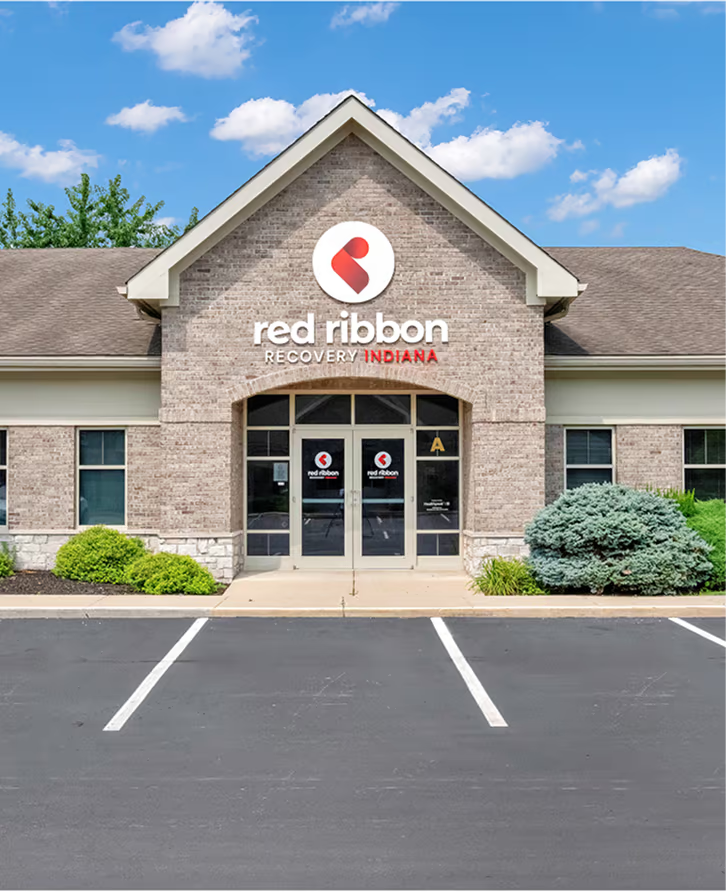
Yes. Many facilities, like Red Ribbon Recovery, offer structured outpatient care, including iop evansville indiana and php evansville indiana programs. These services often follow residential drug rehab evansville indiana treatment or provide an alternative for individuals who do not require 24-hour supervision.
Get help for drug addictions and mental health at a recovery center in Evansville, Indiana
No matter where you are in your recovery journey, help is available in Evansville, Indiana. From medically supervised detox to outpatient support and long-term care, local treatment providers offer services that address the full picture—substance use, mental health, and the challenges that come with rebuilding life in sobriety. Whether you’re reaching out for yourself or a loved one, taking that first step can lead to something better. Recovery takes work, but with the right support, it’s possible to move forward with strength, purpose, and hope.
We are here to help you or a loved one find addiction treatment near you.
Admitting you have a substance abuse problem and asking for help is not always easy. If you or a loved one are struggling with drug addiction, alcohol addiction or another substance use disorder, help is available. Call SAMHSA’s National Helpline at (317) 707-9848 to learn about resources in your area or reach out to our team for personalized treatment.
Treatment Center Reviews
Bridget LaRocco
I have been to this facility twice now, for Laser Hair removal and Botox. I saw Kim 2 times now for laser and she has been great, she made me feel really comfortable and…
Bridget LaRocco
I have been to this facility twice now, for Laser Hair removal and Botox. I saw Kim 2 times now for laser and she has been great, she made me feel really comfortable and…
Bridget LaRocco
I have been to this facility twice now, for Laser Hair removal and Botox. I saw Kim 2 times now for laser and she has been great, she made me feel really comfortable and…
Sources
- Vanderburgh County Coroner’s Office. (December 2023). Overdose deaths are trending down in Vanderburgh County
- Indiana Family and Social Services Administration, Division of Mental Health and Addiction. (2023). Indiana 2023 SEOW Report
- Data Commons. (2023). Vanderburgh County, Indiana: Health and population data
- Ascension St. Vincent Evansville Hospital & Vanderburgh County Health Department. (June 2025). 2024 Community Health Needs Assessment
- Centers for Disease Control and Prevention. (December 2024). Alcohol and public health: Alcohol-related disease impact (ARDI)
About the content

Written by: Carli Simmonds. Carli Simmonds holds a Master of Arts in Community Health Psychology from Northeastern University. From a young age, she witnessed the challenges her community faced with substance abuse, addiction, and mental health challenges, inspiring her dedication to the field.

Medical reviewed by: Jodi Tarantino, LICSW. Jodi Tarantino is an experienced, licensed Independent Clinical Social Worker (LICSW) and Program Director with over 20 years of experience in Behavioral Healthcare. Also reviewed by the RRR Editorial team.
Red Ribbon Recovery is committed to delivering transparent, up-to-date, and medically accurate information. All content is carefully written and reviewed by experienced professionals to ensure clarity and reliability. During the editorial and medical review process, our team fact-checks information using reputable sources. Our goal is to create content that is informative, easy to understand and helpful to our visitors.