
If you’ve ever found yourself wondering what is rehab, you’re not alone. It’s a question that often comes up during some of the hardest moments in life, whether you’re facing substance use, supporting someone you love, or just trying to understand what real help actually looks like. Rehab, short for rehabilitation, is a structured form of treatment designed to help people recover from addiction, rebuild their health, and regain control over their lives. It’s not just about stopping drug or alcohol use. It’s about healing the mind, body, and behaviors that led someone there in the first place, with support, guidance, and a clear path forward.

What is a rehab center?

Rehabilitation, or rehab, is a structured program designed to help individuals overcome substance use disorders. If you are wondering what rehab is, it is a comprehensive, compassionate approach to healing. The rehab center’s meaning goes far beyond simply stopping your drug or alcohol use. It is about understanding the root causes of your struggles, managing your mental health, and learning how to live a truly healthy life again.
According to SAMHSA, an estimated 52.6 million people have needed substance abuse help recently. This staggering statistic reminds us that you are not walking this path alone. Substance use disorders affect families across every part of Indiana, from our largest cities to our quietest rural towns. Acknowledging the problem is the bravest thing you can do to reduce the stigma surrounding addiction treatment.
The central goal is always to help you reclaim your life, rebuild trust with your family, and restore your connections to your community. In Indiana, where faith and community ties run deep, recovery is often viewed as a return to the values that matter most. By focusing on your whole health, a modern rehab program gives you the tools needed to build a meaningful life.
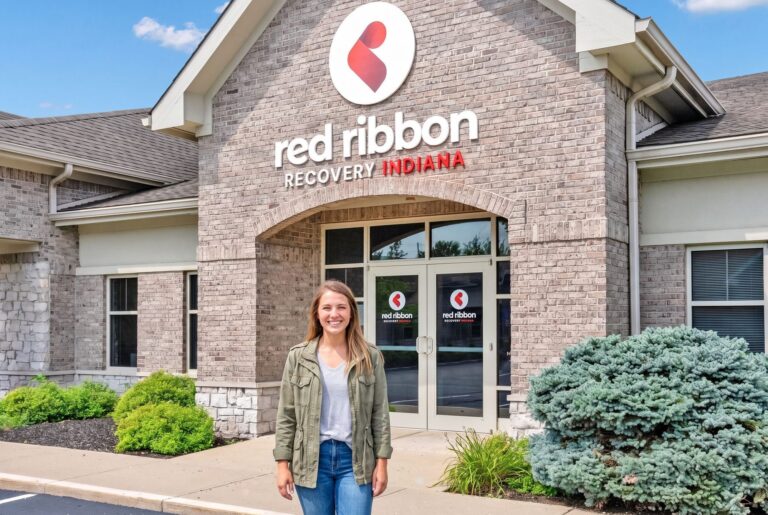
You can overcome addiction. Reach out to discover:
Types of rehab programs available
When you decide to seek help, knowing the different types of programs makes the process feel much less overwhelming. The right choice depends entirely on your unique situation. We consider the severity of your substance use, the strength of your home support system, and your daily responsibilities before recommending a specific path.
| Feature | Inpatient rehab (residential) | Outpatient rehab |
|---|---|---|
| Living Situation | Live at the facility 24/7 | Live at home |
| Level of Care | Highly structured, constant supervision | Flexible, part-time attendance |
| Time Commitment | Full day of therapies and activities | 3 to 25 hours per week |
| Typical Duration | 30 to 90 days | Varies, often several months |
| Ideal Candidate | Severe addictions, co-occurring disorders | Strong home support, work obligations |
Inpatient rehab
Inpatient rehab provides a safe, supportive place where you live full-time at the facility. This residential treatment gives you 24/7 care and a highly structured environment completely free from everyday triggers.
It’s often the best choice for individuals facing severe addictions or those managing co-occurring disorders like depression or anxiety. By stepping away from your usual surroundings, you can focus entirely on healing your mind and body. Inpatient care provides the intensive support needed during the most vulnerable early stages of recovery.
Outpatient rehab
Outpatient rehab allows you to attend treatment sessions during the day or evening while returning to your own bed at night. This option is highly beneficial if you have a strong support network at home. It is also ideal if you need to maintain work, school, or family commitments. Outpatient programs vary in intensity, ranging from partial hospitalization (PHP Indiana) to less intensive weekly therapy sessions. For many Hoosiers, especially those living in rural Indiana or working demanding agricultural jobs, outpatient programs provide essential flexibility.
Indiana Medicaid frequently covers both inpatient and outpatient rehab programs. This means that financial constraints do not have to stop you from getting support. This ensures that effective care is accessible to those who need it, no matter where they live in the state. Exploring the levels of addiction help available helps you find a program that fits your life.
Free Insurance Check
Our rehab center accepts most insurance plans.
Check if your insurance will cover the cost of treatment by filling out our confidential insurance form. We accept most insurance plans.

The rehab process: what to expect step-by-step
Entering a program can feel intimidating if you do not know what to expect. Breaking the journey down into clear stages can help demystify the process. What happens in rehab is carefully designed to guide you safely from your first day to a lasting recovery.
Intake and assessment
Your journey begins with a comprehensive evaluation of your physical health, mental health, and substance use history. The admissions team uses this information to build a solid foundation for your personalized treatment plans. They will take the time to deeply understand your unique needs. This helps them identify any underlying mental health concerns so they can map out the most effective path forward for your specific situation.
Detoxification (detox)
For many people, the next step often involves detoxification. This is the process of safely managing your withdrawal symptoms under close medical supervision. A medically supervised detox prioritizes your physical safety and comfort, often utilizing specific protocols and medications to ease the transition. This structured approach is vastly different and much safer than trying to quit cold turkey on your own at home.
Therapy and aftercare
Once your body is stabilized, the core work begins through active therapy and counseling. Your daily schedule may involve a blend of individual sessions and group therapy. Evidence-based approaches, like cognitive behavioral therapy, help you identify triggers and develop strong relapse prevention skills. Many programs also include family therapy to help heal damaged relationships.
Finally, your team will help you create a solid plan for aftercare and support. This vital step ensures you have the resources, community connections, and ongoing guidance needed to maintain your long-term sobriety after the program ends.
Why go to rehab? Reasons to seek help
You might be asking yourself, “Do I need rehab?” or wondering exactly why people go to rehab in the first place. Acknowledging that you need help is never a sign of weakness. In fact, it is a profound display of personal strength and the first proactive step toward a better future. People seek professional care for a variety of deeply personal reasons, often when the weight of their struggles becomes too heavy to carry alone. Untreated substance use can lead to severe long-term health and financial consequences, making early intervention critical.
Here are some common signs that it might be time to consider professional support:
- Your health is declining. You are experiencing physical deterioration or mental health problems directly related to substance use.
- Your relationships are suffering. You feel completely disconnected from loved ones or are dealing with frequent conflicts at home.
- Your responsibilities are slipping. You are struggling to maintain your job, your schoolwork, or your daily family obligations.
- Your choices feel out of control. You want to stop drinking or using drugs, but you find that you simply cannot do it on your own.
When to go to rehab is a deeply personal decision. The core reasons to go to rehab all point toward a healthier, more fulfilling life. Seeking help allows you to rebuild your self-worth and repair the vital connections that anchor you to your community.
Rehab might feel like a big step, but remember why you're here—you’re looking for a way forward. We can help.
Key Takeaways
- Red Ribbon Recovery Indiana offers comprehensive and accessible substance abuse treatment tailored to individuals in Indiana.
- They address financial concerns by accepting Indiana Medicaid and provide completely confidential consultations.
- Connecting with their compassionate and expert team is a crucial step towards recovery, with direct contact available for immediate support and assessment.
Frequently asked questions
When should someone go to rehab for drug or alcohol use?
Deciding to go to rehab can feel overwhelming, especially if someone hasn’t fully hit rock bottom. But the truth is, you don’t have to wait for things to become life threatening before seeking help.
If drug use, alcohol, or other substance use disorders are affecting your health, relationships, or daily life, it may be time to consider a treatment program. Many people seek help when they notice worsening depression, anxiety, or physical symptoms tied to substance use. Taking that first step early can make a big difference in long-term recovery.
What happens during a drug rehab or addiction treatment program?
A typical drug rehab or addiction treatment plan includes several stages, starting with medical detox. This helps the body safely manage withdrawal symptoms as substances leave the system.
After detox, treatment often includes counseling sessions, family therapy, and different forms of therapy that address both mental health and behavioral patterns. Programs may be inpatient, where you stay at the treatment facility, or outpatient, where you receive care while living at home.
The goal is to treat the whole person, not just the addiction, helping them build skills to cope, improve well being, and maintain long-term recovery.
Is addiction really a disease that needs treatment?
Yes, addiction is widely recognized by organizations like the National Institute on Drug Abuse as a chronic disease that affects the brain and behavior. It’s not simply a lack of willpower.
Just like conditions such as heart disease, addiction changes how the brain works, making it difficult to stop without proper treatment. That’s why professional drug treatment and addiction treatment programs are so important. They help people manage symptoms, improve physical and emotional health, and reduce the risk of ongoing harm.
What is the rehab center meaning in addiction recovery?
The rehab center meaning usually refers to a treatment facility that helps individuals recover from substance use disorders through therapy, counseling, relapse prevention planning, and recovery support. Many people searching for substance abuse help want to better understand the rehab center meaning before beginning treatment. Understanding the rehab center meaning can also help individuals compare different levels of care, therapy options, and long term recovery support when researching treatment programs.
Why do people go to rehab for addiction treatment?
Many individuals ask why do people go to rehab when struggling with alcohol or drug addiction. Why do people go to rehab often depends on factors such as mental health concerns, relapse risk, relationship struggles, or difficulty managing daily responsibilities due to substance use. People seeking substance abuse help may benefit from therapy, peer support, structured treatment planning, and relapse prevention services during recovery. Understanding why do people go to rehab may also help families better support loved ones during treatment.
How can learning the rehab center meaning help families support recovery?
Understanding the rehab center meaning may help families feel more informed and prepared when supporting a loved one through treatment. The rehab center meaning often includes therapy, counseling, emotional wellness support, and long term recovery planning designed to help individuals maintain sobriety. Many families searching for substance abuse help also research treatment options to better understand how recovery programs work. Learning the rehab center meaning may also reduce fear or uncertainty surrounding addiction treatment.
Why do people go to rehab instead of trying to recover alone?
Why do people go to rehab instead of recovering alone is a common question for individuals beginning treatment research. Many people ask why do people go to rehab because addiction can affect emotional health, relationships, work, and physical wellbeing in ways that are difficult to manage without support. Professional treatment programs may provide counseling, relapse prevention education, peer support, and substance abuse help designed to support long term recovery success. In many cases, why do people go to rehab comes down to having access to structure, accountability, and professional guidance throughout recovery.
How can understanding the rehab center meaning make treatment less intimidating?
Learning the rehab center meaning may help individuals feel more comfortable exploring addiction recovery options and understanding what treatment involves. The rehab center meaning often includes therapy, counseling, peer support, relapse prevention planning, and substance abuse help designed to support long term recovery. Many families also research the rehab center meaning to better understand why do people go to rehab and how professional support can improve recovery outcomes.
How can understanding the rehab center meaning help individuals explore recovery options?
Understanding the rehab center meaning may help individuals feel more informed when researching addiction treatment and recovery support. The rehab center meaning often includes therapy, counseling, relapse prevention planning, peer support, and long term recovery resources designed to support emotional wellness and sobriety. Many families also research the rehab center meaning to better understand why do people go to rehab and how professional treatment programs can improve recovery outcomes. Many individuals also search for substance abuse help when learning more about treatment and recovery options.
Finding substance abuse help in Indiana
Finding reliable substance abuse help in Indiana is an effective, highly accessible path to recovery. You do not have to navigate this challenging season by yourself. Red Ribbon Recovery Indiana stands ready to be your compassionate, expert local partner. We offer comprehensive addiction treatment that honors your unique experiences and respects your Midwestern background.
We understand the practical financial hurdles people in Indiana often face. Because of this, we accept Indiana Medicaid and provide completely confidential consultations. Connecting with our supportive services means gaining a dedicated team that truly cares about your success. Reaching out today is the most important step you can take toward healing. You can call us directly at (317) 707-9848 to ask questions about our programs, verify your insurance coverage, and schedule your initial assessment. Contact us today.
We are here to help you or a loved one find addiction treatment near you.
Admitting you have a substance abuse problem and asking for help is not always easy. If you or a loved one are struggling with drug addiction, alcohol addiction or another substance use disorder, help is available. You can visit SAMHSA’s National Helpline to learn about resources in your area or reach out to our team by calling (317) 707-9848 to explore personalized treatment.
Treatment center reviews
Read what treatment patients and their families have to say about their experiences at Red Ribbon Recovery Indiana.
Sources
- SAMHSA. (November 26, 2025). Recovery and Support | SAMHSA. SAMHSA.
- SAMHSA. (August 12, 2025). Substance Use Disorder – Causes, Symptoms, Treatment & Help. SAMHSA.
- SAMHSA. (April 24, 2023). Treatment Types for Mental Health, Drugs and Alcohol | SAMHSA. SAMHSA.
- National Center for Biotechnology Information. (September 19, 2016). SAMHSA’s Definition of Recovery – NCBI – NIH. National Institutes of Health.
- USA.gov. Substance Abuse and Mental Health Services Administration. USA.gov.
- SAMHSA. (July 28, 2025). SAMHSA Releases Annual National Survey on Drug Use and Health. SAMHSA.
- National Center for Biotechnology Information. (July 7, 2020). Tracking the Quality of Addiction Treatment Over Time and Across …. National Institutes of Health.
- National Center for Biotechnology Information. (March 22, 2023). Cycles of reform in the history of psychosis treatment in the United …. National Institutes of Health.
- University of Hawaii. (February 14, 2014). Mental Health Treatment: Past and Present – Psychology. University of Hawaii.
- National Center for Biotechnology Information. (November 7, 2017). Summary of Evidence – Inpatient and Outpatient Treatment … – NCBI. National Institutes of Health.
- PubMed. Inpatient vs outpatient treatment for substance dependence revisited. National Library of Medicine.
- PubMed. Children with special health care needs program: urban/rural …. National Library of Medicine.
- Indiana University. Access to Healthcare in Rural Indiana. Indiana University.
- U.S. Department of Health and Human Services. (July 1, 2021). Access to Affordable Care in Rural America: Current Trends and Key …. Assistant Secretary for Planning and Evaluation.
- Medicaid and CHIP Payment and Access Commission. (October 1, 2018). Access in Brief: Rural and Urban Health Care – MACPAC. MACPAC.
- State of Indiana. The State of the Rural Economy in Indiana. IN.gov.
- University of North Carolina. RURAL AND URBAN DIFFERENCES IN NURSING HOME AND …. University of North Carolina.
- National Institute on Alcohol Abuse and Alcoholism. (May 8, 2025). Recommend Evidence-Based Treatment: Know the Options. NIAAA.
- SAMHSA. (December 22, 2025). 2026 Substance Use Disorder Treatment Month – SAMHSA. SAMHSA.
- National Center for Biotechnology Information. (May 17, 2024). Alcohol Withdrawal in Hospitalized Patients – NCBI Bookshelf – NIH. National Institutes of Health.
- American Society of Addiction Medicine. (June 4, 2020). The ASAM Clinical Practice Guideline on Alcohol Withdrawal. ASAM.
- SAMHSA. (June 9, 2023). National Helpline for Mental Health, Drug, Alcohol Issues – SAMHSA. SAMHSA.
- American Society of Addiction Medicine. (July 29, 2021). The ASAM Clinical Practice Guideline on Alcohol Withdrawal …. ASAM.
- National Center for Biotechnology Information. (April 20, 2023). The Impact of Family Therapy Participation on Youths and Young …. National Institutes of Health.
- National Center for Biotechnology Information. (December 7, 2017). Alliance and Treatment Outcome in Family-Involved … – PMC. National Institutes of Health.
- Centers for Disease Control and Prevention. (June 13, 2023). Mental Health Treatment Among Children Ages 5–17 Years – CDC. CDC.
- National Institute on Drug Abuse. (July 6, 2020). Treatment and Recovery | National Institute on Drug Abuse (NIDA). NIDA.
- National Center for Biotechnology Information. Substance Abuse Trends in Indiana: A 10-Year Perspective. Indiana University.
- National Institute on Drug Abuse. (July 6, 2020). Addiction and Health | National Institute on Drug Abuse (NIDA). NIDA.
- SAMHSA. (December 22, 2025). Co-Occurring Disorders and Other Health Conditions – SAMHSA. SAMHSA.
- State of Indiana. (March 21, 2023). Know the Facts about Substance Use Disorder – IN.gov. IN.gov.
- National Center for Biotechnology Information. (November 26, 2016). The Association Between Health Changes and Cessation of Alcohol …. National Institutes of Health.
- National Center for Biotechnology Information. (May 24, 2023). Exploring the meaning of recovery and a sober life after a long …. National Institutes of Health.
- National Center for Biotechnology Information. (April 24, 2022). The Beneficial Role of Involvement in Alcoholics Anonymous for …. National Institutes of Health.
- State of Indiana. (June 16, 2021). Substance Use Disorder (SUD)/Serious Mental Illness (SMI) Treatment. IN.gov.
- Centers for Medicare & Medicaid Services. (February 1, 2018). in-healthy-indiana-plan-support-20-sud-implementation … – Medicaid. Medicaid.gov.
- State of Indiana. (November 10, 2021). Behavioral Health and Human Services Resources – IN.gov. IN.gov.
- State of Indiana. (June 16, 2021). Providers: Medicaid Rehabilitation Option (MRO) – IN.gov. IN.gov.
- State of Indiana. (October 21, 2024). Stress Management Resources – Mental Health – IN.gov. IN.gov.
- State of Indiana. (September 30, 2021). Mental Health Resources – ISDA – IN.gov. IN.gov.
- SAMHSA. (April 24, 2023). Help for mental health, drugs, alcohol – IN Medicaid, CHIP – SAMHSA. SAMHSA.
- City of Indianapolis. Clinician-Led Community Response (CLCR) – Indy.gov. Indy.gov.
About the content

Written by: Carli Simmonds. Carli Simmonds holds a Master of Arts in Community Health Psychology from Northeastern University. From a young age, she witnessed the challenges her community faced with substance abuse, addiction, and mental health challenges, inspiring her dedication to the field.

Medically reviewed by: Jodi Tarantino, MSW, LICSW. Jodi Tarantino is an experienced, licensed Independent Clinical Social Worker (LICSW) and Program Director with over 20 years of experience in Behavioral Healthcare. Also reviewed by the RRR Editorial team.
Red Ribbon Recovery is committed to delivering transparent, up-to-date, and medically accurate information. All content is carefully written and reviewed by experienced professionals to ensure clarity and reliability. During the editorial and medical review process, our team fact-checks information using reputable sources. Our goal is to create content that is informative, easy to understand and helpful to our visitors.
Disclaimer: This website is for informational purposes only, not medical advice. Red Ribbon Recovery Indiana connects people with the full continuum of care, including a detox center Indiana, Indiana inpatient drug rehab, PHP Indiana, IOP Indiana, and outpatient rehab Indiana.
For those managing co-occurring conditions, our dual diagnosis treatment centers in Indiana treat addiction and mental health together. We also offer telehealth mental health and online addiction treatment for flexible, remote access to care.