

What is Marijuana Anonymous?
Marijuana Anonymous (MA) is a 12-step recovery program for people who want to stop using marijuana. Sometimes referred to as Cannabis Anonymous, the program follows the same peer-led, 12-step format as Alcoholics Anonymous. It’s based on the same principles as Alcoholics Anonymous but specifically supports those who feel their cannabis use is negatively affecting their lives.
Marijuana Anonymous provides free, peer-led meetings where members can share their experiences, offer support, and work through the twelve steps to build a life free from marijuana. The program welcomes people from all backgrounds and belief systems. It’s spiritual in nature, but not affiliated with any religion, and encourages each person to define their own concept of a higher power if they choose.
The primary purpose of Marijuana Anonymous is not just quitting marijuana, but to help marijuana addicts stay sober, avoid dealing with life through substances, and stay free from the privately defined world that addiction can create. Through the twelve steps, members find the hope and structure needed to turn over a new leaf, support one another in service, and begin recovering from a common problem, helping anyone who suffers achieve peace and clarity.
How does Marijuana Anonymous help people recover?
Marijuana Anonymous is a community-based support group for people who want to stop using marijuana and stay clean. The structure is simple but powerful: people come together to talk openly about their relationship with marijuana, share what’s working in recovery, and listen to others going through the same thing. These meetings offer a safe, nonjudgmental space to be honest about what you’re struggling with and to hear how others are navigating life without marijuana.
Everything shared in a meeting is meant to stay within the group. Confidentiality and anonymity are core values of the program, it’s right in the name. That means you’re free to speak without fear of judgment or exposure.
At the heart of Marijuana Anonymous is the belief in a power greater than ourselves. This can be God, a concept of the universe, nature, or simply a sense of purpose. MA doesn’t push any one belief system and makes it clear that the program is spiritual, not religious.
People from all backgrounds are welcome, whether they believe in God, something else, or nothing at all. MA does not engage in public controversy or take positions on outside issues. What matters most is the willingness to change and a desire to live without marijuana.
Through open in person or virtual meetings, MA helps individuals confront how marijuana caused problems in their lives, whether through broken relationships, financial difficulties, or emotional isolation. Many find that marijuana was used to avoid dealing with life, creating a privately defined world that slowly cut them off from reality. By connecting with others who share a common problem, members discover the strength to rebuild, the clarity to stay grounded, and the hope needed to recover.
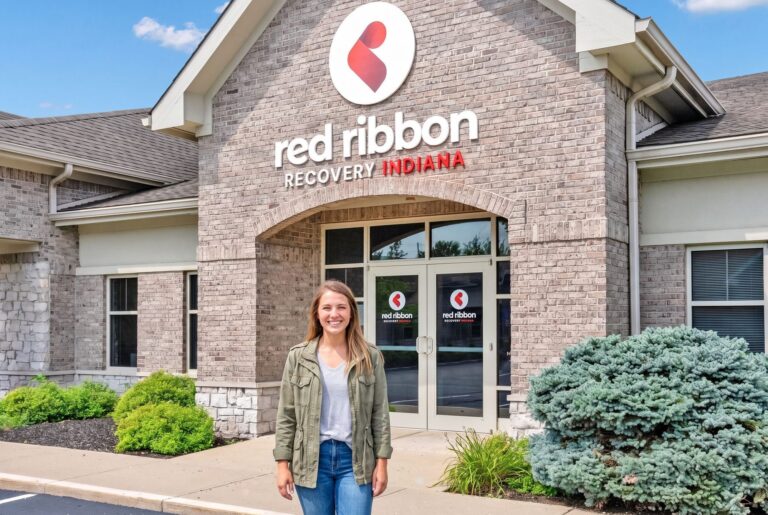
You can overcome addiction. Reach out to discover:
What types of Marijuana Anonymous meetings are available?
Marijuana Anonymous (MA) offers a variety of meeting formats so individuals can find the support they need, no matter where they are or what their schedule looks like. The MA program provides in person meetings, online meetings, phone meetings, and even a moderated chat room, all designed to help members connect and stay accountable.
Many members begin with in person meetings in their local MA district or anonymous district, where face-to-face interaction can make a big difference in early recovery. Others prefer the flexibility and privacy of virtual formats. Online meetings and phone meetings are especially helpful for those who live far from a meeting location or have limited mobility.
The chat room is another resource, offering continuous support throughout the day. While not a substitute for formal meetings, it gives MA members a place to share in real time, especially during moments of craving or stress.
Each meeting is run by the group conscience and supported by trusted servants, all of whom are volunteers from the fellowship. No matter the format, the focus remains the same: helping people who have a desire to stop using cannabis find a safe, supportive place to recover.
MA groups are self-governing but part of a larger district structure that helps coordinate service efforts. Whether you’re new or returning, there’s likely a meeting style that fits your needs within your district.
What are the 12 steps of Marijuana Anonymous?
Marijuana Anonymous is modeled closely after Alcoholics Anonymous and follows the same 12-step format. These steps guide members through a process of personal reflection, accountability, and healing. They’re not just about quitting marijuana, they’re about changing the way you live, think, and connect with others.
Here are the 12 steps as practiced in MA:
- We admitted we were powerless over marijuana, that our lives had become unmanageable.
- Came to believe that a power greater than ourselves could restore us to sanity.
- Made a decision to turn our will and our lives over to the care of God, as we understood God.
- Made a searching and fearless moral inventory of ourselves.
- Admitted to God, to ourselves, and to another human being the exact nature of our wrongs.
- Were entirely ready to have God remove all these defects of character.
- Humbly asked God to remove our shortcomings.
- Made a list of all persons we had harmed, and became willing to make amends to them all.
- Made direct amends to such people wherever possible, except when to do so would injure them or others.
- Continued to take personal inventory and when we were wrong, promptly admitted it.
- Sought through prayer and meditation to improve our conscious contact with God, as we understood God, praying only for knowledge of God’s will for us and the power to carry that out.
- Having had a spiritual awakening as the result of these steps, we tried to carry this message to marijuana addicts and to practice these principles in all our affairs.
Some people follow these steps in the order they’re written. Others revisit them multiple times or spend more time on one step than another. The steps are a framework, not a checklist, and they often serve as the backbone for long-term recovery.
WE ARE AVAILABLE 24/7
Request a call for answers and help.
If you or someone you care about is struggling with addiction or mental health problems, request a call to speak with a knowledgeable treatment specialist. Our team is here to help you understand your options for care. There is no cost or obligation to enter treatment by requesting a call.
"*" indicates required fields
Who goes to MA meetings?
MA is for anyone who feels like their marijuana use has taken more than it’s given. If you’ve tried to quit and keep going back, if you’re using to cope with stress or numb emotions, or if your marijuana use is affecting your health, work, or relationships, MA might be a place to start. Some members continue using despite serious outcomes such as health problems, relationship strain, or legal consequences. People who attend MA meetings often report:
- Using more than they intended or for longer periods of time
- Avoiding responsibilities or isolating from others while using
- Feeling anxious or uneasy when they don’t have access to marijuana
- Making promises to cut back but struggling to follow through
- Using marijuana to cope with life instead of facing it
If any of that sounds familiar, you’re not alone—and you don’t have to keep doing this by yourself. MA exists specifically for anyone with a problem with marijuana who wants to recover from marijuana addiction using the basic 12 steps as a guide.
What does it cost to attend Marijuana Anonymous?
Marijuana Anonymous is completely free to join. There are no membership fees or dues required to attend. MA is a self supporting fellowship that relies solely on voluntary contributions from its members. This funding model follows the 7th tradition, which holds that the group is fully self-supporting through its own contributions. These donations help cover the cost of meeting spaces, printed literature, and outreach efforts, but no one is ever obligated to contribute in order to participate. The only requirement for membership is a desire to stop cannabis use.
Rehab might feel like a big step, but remember why you're here—you’re looking for a way forward. We can help.
What if I need more support than Marijuana Anonymous?
MA can be incredibly helpful for a lot of marijuana addicts, but it’s not the only path. If you’ve tried support groups and still find yourself struggling, or if your marijuana addiction is part of a larger issue like anxiety, trauma, or depression, you may benefit from professional treatment. Rehab centers that treat marijuana addiction can offer therapy, peer support, medical care, and structured guidance. Some programs and service offerings incorporate the 12 steps into their curriculum, while others focus on clinical approaches like cognitive behavioral therapy or dual diagnosis treatment. For those starting treatment, understanding how long marijuana stays in your system and what to expect during detox can be an important part of preparing for recovery.
Key Takeaways
- Help is available for individuals struggling with marijuana addiction, and recovery is possible.
- Marijuana Anonymous offers support and hope for those seeking freedom from marijuana use.
- Support is provided by understanding individuals, including team members at an Indiana rehab center who have personal experience with addiction.
Getting help for marijuana addiction
If you think your marijuana use has become more than just a habit, or if you’re watching someone you care about struggle with another’s marijuana use, help is out there. Overcoming marijuana addiction is possible, and you don’t have to figure it out on your own. Many who once felt hopeless have found the same freedom and hope through Marijuana Anonymous that you’re searching for. When you contact us, you’ll speak with someone who truly understands. Many of the team members at our Indiana rehab center have been in your shoes and know what it’s like to take that first step toward change.
We are here to help you or a loved one find addiction treatment near you.
Admitting you have a substance abuse problem and asking for help is not always easy. If you or a loved one are struggling with drug addiction, alcohol addiction or another substance use disorder, help is available. You can visit SAMHSA’s National Helpline to learn about resources in your area or reach out to our team by calling (317) 707-9848 to explore personalized treatment.
Treatment center reviews
Read what treatment patients and their families have to say about their experiences at Red Ribbon Recovery Indiana.
About the content

Written by: Carli Simmonds. Carli Simmonds holds a Master of Arts in Community Health Psychology from Northeastern University. From a young age, she witnessed the challenges her community faced with substance abuse, addiction, and mental health challenges, inspiring her dedication to the field.

Medically reviewed by: Jodi Tarantino, MSW, LICSW. Jodi Tarantino is an experienced, licensed Independent Clinical Social Worker (LICSW) and Program Director with over 20 years of experience in Behavioral Healthcare. Also reviewed by the RRR Editorial team.
Red Ribbon Recovery is committed to delivering transparent, up-to-date, and medically accurate information. All content is carefully written and reviewed by experienced professionals to ensure clarity and reliability. During the editorial and medical review process, our team fact-checks information using reputable sources. Our goal is to create content that is informative, easy to understand and helpful to our visitors.
Disclaimer: This website is for informational purposes only, not medical advice. Red Ribbon Recovery Indiana connects people with the full continuum of care, including a detox center Indiana, Indiana inpatient drug rehab, PHP Indiana, IOP Indiana, and outpatient rehab Indiana.
For those managing co-occurring conditions, our dual diagnosis treatment centers in Indiana treat addiction and mental health together. We also offer telehealth mental health and online addiction treatment for flexible, remote access to care.