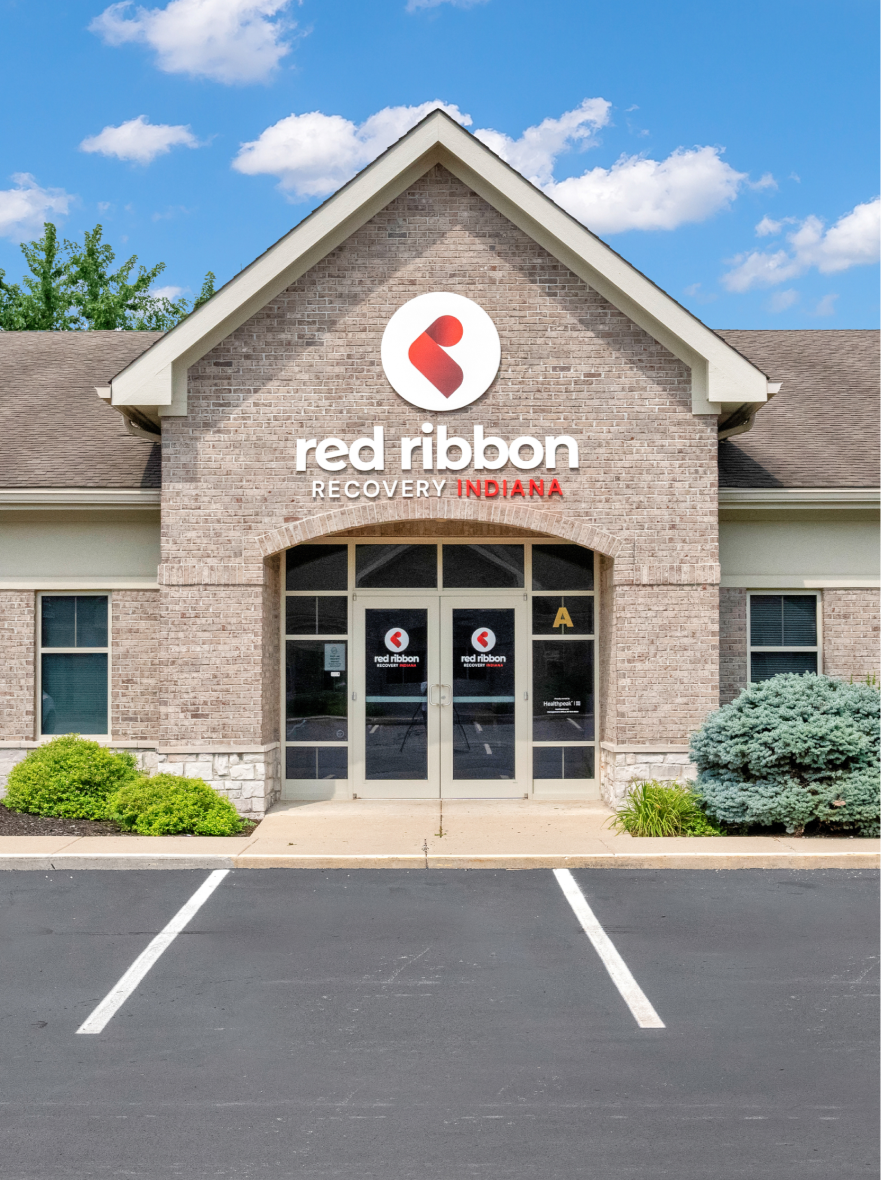
Lafayette is known for its strong sense of community, culture, and resilience. However, many families across Lafayette are navigating the effects of substance use disorder, including rising concerns around alcoholism, prescription drug misuse, and co-occurring conditions such as depression that require thoughtful, evidence-based care. For many individuals, the search for help begins by exploring options for addiction treatment Lafayette, looking into drug rehab centers, or trying to understand what a treatment program might actually involve.
Alcohol and drug rehab Lafayette, IN
Finding the right approach to addiction treatment near Lafayette starts with understanding how care is structured. Treatment is not a single step, but a process that addresses both the physical and emotional impact of substance use disorder. In Lafayette, individuals have access to a full range of care that supports stabilization, therapy, and long-term addiction recovery.
Most treatment program options are designed to meet people where they are. Some individuals require a higher level of medical and clinical support, while others benefit from flexible outpatient care that allows them to stay connected to daily responsibilities. Effective programs often combine mental health treatment, behavioral therapy, and medical oversight to create a well-rounded approach.
At our drug rehab Indiana, we often help individuals understand how the different levels of addiction and the corresponding range of treatments connect.
Medical detox for alcohol and drug addiction
For many people, recovery begins with medical detox. Detoxification services are often the first step in addiction treatment, helping individuals safely manage withdrawal and begin the healing process. During detox, patients receive medical support to monitor symptoms and reduce discomfort as substances leave the body.
Withdrawal symptoms can vary depending on the substance, which is why supervised care is important. A safe detox center Indiana experience helps individuals transition into the next phase of treatment with greater stability and focus.
Residential treatment for long-term recovery
After detox, some individuals move into residential treatment or inpatient drug rehab. These residential programs provide a structured environment with continuous supervision, therapy, and recovery support. This level of care is especially helpful for those who need distance from triggers or additional stability during early recovery.
In a residential setting, individuals participate in group therapy, individual counseling, and skill-building sessions led by licensed therapists and a multidisciplinary team. The goal is to create a foundation for long-term recovery by addressing both substance use and underlying mental health concerns.
Outpatient treatment and intensive outpatient programs
Not everyone requires full-time care. Outpatient rehab Indiana allows individuals to continue recovery while living at home. Programs such as an intensive outpatient (IOP Indiana), or partial hospitalization programs (PHP Indiana) provide structured therapy sessions several times per week, offering a balance between support and independence.
These programs often include group sessions, relapse-prevention strategies, and ongoing counseling. Exploring options like outpatient rehab can help individuals better understand how flexible care models support ongoing recovery.
Medication-assisted treatment (MAT)
Medication-assisted treatment is often used to help reduce cravings and ease withdrawal symptoms, particularly when incorporated into opioid rehab or alcohol addiction treatment. MAT combines medications with therapy, creating a more stable and manageable recovery experience.
This approach is not standalone. It is typically part of a broader treatment plan that includes counseling, behavioral therapy, and ongoing support to address both the physical and psychological aspects of addiction.
Dual diagnosis and mental health care
Many individuals experiencing substance use disorder also face co-occurring mental health conditions such as anxiety, trauma, or depression. Dual diagnosis care focuses on treating both conditions simultaneously, recognizing their close connection.
Therapies such as cognitive-behavioral therapy and motivational interviewing are commonly used to help individuals understand behavioral patterns, build coping strategies, and improve emotional regulation. Addressing both mental health treatment and addiction together can lead to more stable and lasting outcomes.

You can overcome addiction. Reach out to discover:
What to expect at an addiction treatment Lafayette program
Starting addiction treatment near Lafayette can feel uncertain, especially for individuals who have never been through the process before. Whether someone begins with medical detox, transitions into residential treatment, or participates in intensive outpatient care, the experience is structured, supportive, and centered on each person’s unique needs.
Treatment is not just about stopping drug and alcohol use. It is about understanding the underlying causes of substance use disorder, addressing mental health challenges, and building a path toward long-term recovery that feels realistic and sustainable.
At Red Ribbon Recovery Indiana, we often speak with individuals and family members who are trying to understand what this process looks like before taking the first step. Having clarity can make the decision to move forward feel less overwhelming.
Intake and admissions
The admission process for most drug rehab Indiana centers begins with a phone call or initial assessment. During this stage, a treatment team gathers information about a person’s history with substance use, physical health, and mental health treatment needs.
This process may include a medical and psychological evaluation to help create a personalized treatment plan. The goal is to match each individual with the appropriate level of care, whether that involves detox, residential care, or outpatient services.
A typical day in treatment
Daily life in treatment is built around routine and consistency. In residential programs, individuals often follow a structured schedule that includes group therapy, individual counseling, and educational sessions focused on relapse prevention and emotional awareness.
Clients may also participate in group sessions that create a sense of connection and shared progress. These sessions are designed to help individuals feel less isolated as they learn from others navigating similar experiences.
For those in intensive outpatient or other outpatient programs, care is delivered on a flexible schedule, allowing individuals to balance recovery with work, school, or family responsibilities.
Family involvement and support
Addiction affects more than one person. It impacts the entire family system. Many treatment approaches include family therapy to help rebuild communication, strengthen relationships, and provide education around substance use disorder.
Family involvement can be an important part of recovery. It allows loved ones to better understand what their family member is experiencing and learn how to offer healthy, effective support.
We often hear how valuable this connection becomes over time. Recovery is not something people have to navigate alone.
After treatment and ongoing care
Completing a treatment program is an important milestone, but recovery continues beyond that point. Ongoing care is often necessary to maintain progress and prevent relapse.
This may include continued therapy, participation in outpatient treatment, or structured aftercare planning. Some individuals also explore support groups, alumni programs, or community-based resources to stay connected.
Aftercare services help individuals transition back into daily life while maintaining the tools and support systems needed for long-term recovery.
Insurance, costs, and available payment options for treatment near Lafayette
The cost of addiction treatment near Lafayette can vary depending on the level of care, length of stay, and the types of services included in a treatment program. Services such as medical detox, residential treatment, and intensive outpatient care each come with different levels of clinical support, which can influence overall cost. For individuals and families in Lafayette, understanding these differences is often an important part of planning for treatment.
Insurance coverage can help make addiction treatment more accessible. Most drug rehab centers accept major insurance plans, and many also work with Medicaid or Medicare, depending on eligibility. Coverage may include in-person or telehealth mental health treatment, counseling, and medication-assisted treatment, though specifics can vary by provider and plan.
For those without insurance, there may still be options to explore. Some programs offer flexible payment arrangements or financial assistance to help reduce barriers to care. Understanding what is available often begins with asking questions and carefully reviewing options.
The admissions process typically includes verifying insurance coverage and discussing costs before beginning care. During this stage, individuals can learn more about how services are structured, what their treatment plan may entail, and which level of support best fits their situation. Reviewing resources, such as addiction treatment programs, can also help clarify how different programs align with financial considerations.
Free Insurance Check
Our rehab center accepts most insurance plans.
Check if your insurance will cover the cost of treatment by filling out our confidential insurance form. We accept most insurance plans.

Local things to do while sober in Lafayette, IN
Recovery is not only about stepping away from drug and alcohol use. It is also about rebuilding a life that feels meaningful, engaging, and connected. In Lafayette, there are many ways to stay active, explore new interests, and create routines that support both mental health and long-term recovery.
Spending time in the community can help individuals stay focused and connected. Simple activities like getting outdoors, attending local events, or finding creative outlets can have a positive impact on overall well-being. Many people in addiction recovery find that staying engaged in healthy activities helps reinforce the progress they have made during treatment.
Some sober-friendly activities in Lafayette include:
- Walking along the Wabash Heritage Trail for fresh air, movement, and a steady routine that supports both physical and mental health
- Spending time at Columbian Park or the Celery Bog Nature Area for quiet reflection, nature, and a break from daily stress
- Exploring downtown Lafayette and West Lafayette, including local coffee shops, bookstores, and creative spaces that encourage connection without alcohol
- Visiting the Art Museum of Greater Lafayette or attending local exhibits for creative expression and emotional reset
- Attending Purdue University events, lectures, or cultural programs that focus on community, learning, and engagement
- Participating in support group meetings such as AA or NA meetings, throughout Tippecanoe County to stay connected, supported, and accountable
These experiences offer more than distraction. They create space for adults and adolescents to build new habits, develop healthier routines, and reconnect with a sense of purpose. Over time, these moments can begin to replace old patterns tied to substance use.
At our alcohol and drug rehab Indiana, we often remind individuals that recovery is not about restriction. It is about rebuilding a life that supports growth, connection, and purpose. With the right support and a willingness to explore new experiences, it becomes possible to create a lifestyle that supports lasting recovery.
Rehab might feel like a big step, but remember why you're here—you’re looking for a way forward. We can help.
Frequently asked questions
How long does addiction treatment usually last?
The length of addiction treatment can vary depending on the individual and the level of care. Some people begin with a few days of medical detox, while others continue with residential treatment or intensive outpatient programs for several weeks or months. Recovery timelines are flexible and designed to support steady progress over time.
What is the difference between a treatment center and a drug rehab program?
A treatment center refers to the facility or setting where care is provided, while drug rehab describes the actual process of recovery, including therapy, support, and medical care. Most drug rehab centers offer multiple types of programs, allowing individuals to move through different levels of treatment as their needs change. Adults and adolescents receive personalized care based on the level of services they need, the facility they select, and the reason for their treatment.
Is it possible to work or attend school during treatment?
Yes. Many people participate in intensive or other outpatient programs that offer flexible schedules. These options allow individuals to continue work, school, or family responsibilities while still receiving structured support for addiction recovery.
What roles do individual and group therapy play in addiction recovery?
Therapy is a central part of any treatment program. Approaches like group therapy and individual counseling help individuals understand patterns of substance use, develop coping strategies, and build healthier behaviors that support long-term recovery.
How can family members support someone in recovery?
Support from family members can make a meaningful difference to their loved one. This may include participating in education, attending family therapy, and creating a stable, encouraging environment. Recovery is often stronger when individuals feel supported both during and after treatment. If you have a loved one who is struggling with their mental health, drug and alcohol abuse, or seeking services and a tailored treatment plan, contact us today.
Get substance abuse treatment Lafayette, IN
Recovery does not begin with certainty. It begins with a conversation. Understanding your options, learning how different levels of treatment fit together, and finding an approach that aligns with your unique needs can make the process feel more manageable.
At Red Ribbon Recovery Indiana, we are here to help you navigate those decisions. We provide guidance, education, and support so you can better understand your options for addiction recovery and mental health treatment without pressure or obligation. If you are ready to receive support today, call (317) 707-9848 or contact us to get started. Access our Google page for even more insight from our valued customers.
We are here to help you or a loved one find addiction treatment near you.
Admitting you have a substance abuse problem and asking for help is not always easy. If you or a loved one are struggling with drug addiction, alcohol addiction or another substance use disorder, help is available. Call SAMHSA’s National Helpline at (317) 707-9848 to learn about resources in your area or reach out to our team for personalized treatment.
Treatment Center Reviews
Bridget LaRocco
I have been to this facility twice now, for Laser Hair removal and Botox. I saw Kim 2 times now for laser and she has been great, she made me feel really comfortable and…
Bridget LaRocco
I have been to this facility twice now, for Laser Hair removal and Botox. I saw Kim 2 times now for laser and she has been great, she made me feel really comfortable and…
Bridget LaRocco
I have been to this facility twice now, for Laser Hair removal and Botox. I saw Kim 2 times now for laser and she has been great, she made me feel really comfortable and…
Treatment center reviews
Sources
- Clinical Guidelines for Withdrawal Management and Treatment of Drug Dependence in Closed Settings. Geneva: World Health Organization; 2009. 4, Withdrawal Management. Available from: https://www.ncbi.nlm.nih.gov/books/NBK310652/
About the content

Written by: Carli Simmonds. Carli Simmonds holds a Master of Arts in Community Health Psychology from Northeastern University. From a young age, she witnessed the challenges her community faced with substance abuse, addiction, and mental health challenges, inspiring her dedication to the field.

Medically reviewed by: Jodi Tarantino, LICSW. Jodi Tarantino is an experienced, licensed Independent Clinical Social Worker (LICSW) and Program Director with over 20 years of experience in Behavioral Healthcare. Also reviewed by the RRR Editorial team.
Red Ribbon Recovery is committed to delivering transparent, up-to-date, and medically accurate information. All content is carefully written and reviewed by experienced professionals to ensure clarity and reliability. During the editorial and medical review process, our team fact-checks information using reputable sources. Our goal is to create content that is informative, easy to understand and helpful to our visitors.