
Carmel, Indiana, located in Hamilton County, is often recognized for its quality of life, strong community, and growing population. But like many areas across the state, it has not been untouched by drug abuse, alcohol use, and the increasing need for accessible mental health care and substance abuse treatment Carmel IN. Families are navigating challenges related to opioid misuse, alcohol dependency, and co-occurring conditions that require thoughtful, evidence-based support.
Outpatient drug treatment Carmel IN
Understanding substance abuse treatment near Caramel, IN, starts with recognizing that recovery is not a single step but a process that unfolds over time. Individuals facing substance use disorders often need a combination of physical support, mental health treatment, and structured care that evolves with their progress. In Carmel, Indiana, people exploring addiction treatment will find that most programs follow a full continuum approach, helping individuals move from early stabilization into long-term recovery with the right level of care at each stage.
Every person entering alcohol and drug rehab Indiana has a different story, which is why effective treatment plans are built around individual needs rather than a fixed model. Support often includes a mix of evidence-based therapies, mental health care, and practical tools designed to strengthen stability over time. Whether someone is beginning with drug or alcohol addiction treatment, considering outpatient programs, or looking into more structured care, the goal is always the same: to build a path toward lasting recovery that feels sustainable in real life.
Medical detox and inpatient detox at Indiana health care facilities
For individuals who are physically dependent on substances, a medical detox or inpatient detox center Indiana is often the starting point. Withdrawal symptoms can be serious, especially with alcohol or opioids, which is why clinical supervision is important during this phase. Detox focuses on helping the body stabilize safely while also providing emotional support during a time that can feel uncertain.
This stage is not designed to resolve addiction on its own. Instead, it helps individuals begin the recovery process with a clearer physical and mental state. In many cases, medically assisted treatment may be introduced to ease symptoms and support early stabilization, creating a stronger foundation for continued addiction care.
Residential treatment and inpatient care for substance abuse treatment Carmel IN
After detox, some individuals benefit from residential treatment, where care takes place in a fully structured environment. This level of care allows people to step away from outside stressors and focus on healing with consistent support throughout the day. Within residential care, individuals often participate in group therapy, individual counseling, and activities that support emotional and behavioral growth. Evidence-based therapies like dialectical behavior therapy (DBT therapy), acceptance and commitment therapy (ACT therapy), or eye movement desensitization and reprocessing (EMDR therapy) may be integrated into treatment.
This setting can be especially helpful for those who need more stability or who are navigating both substance use and mental health disorders. The goal is not only to address substance use but also to help individuals begin rebuilding routines, relationships, and daily structure that support long-term recovery.
Outpatient programs and intensive outpatient programs
For those who do not require full-time supervision, outpatient programs offer a more flexible path forward. Options such as an intensive outpatient (IOP Indiana) or partial hospitalization programs (PHP Indiana) allow individuals to receive structured support while continuing to manage responsibilities at home or work. This type of outpatient treatment provides consistency without removing someone from their daily environment.
These programs often include group therapy, individual counseling, and relapse prevention planning, all delivered on a flexible schedule. Many people in Hamilton County use outpatient care as a step down from more intensive treatment or as an entry point into recovery, depending on their needs and level of stability.
Medication assisted treatment and advanced approaches
In some cases, medication-assisted treatment is used to support recovery by helping manage cravings and reduce the intensity of withdrawal symptoms. This approach combines medications with therapy and ongoing support, allowing individuals to engage more fully in the recovery process.
Some treatment models also include more advanced addiction approaches, which may involve personalized care strategies based on individual response and history. These methods are designed to strengthen outcomes and support individuals as they work toward sustaining long-term recovery, especially when traditional approaches alone are not enough.
Dual diagnosis and mental health treatment
It is common for individuals seeking substance abuse treatment Carmel IN to also experience underlying mental health challenges. Conditions such as anxiety, depression, or trauma can influence substance use and make recovery more complex without the right support.
Dual diagnosis care focuses on treating both addiction and mental health at the same time. This may include approaches like motivational interviewing, therapy, and integrated mental health treatment plans that address the full picture. By supporting both areas together, individuals are better equipped to build stability, reduce relapse risk, and move toward a more balanced and meaningful life.
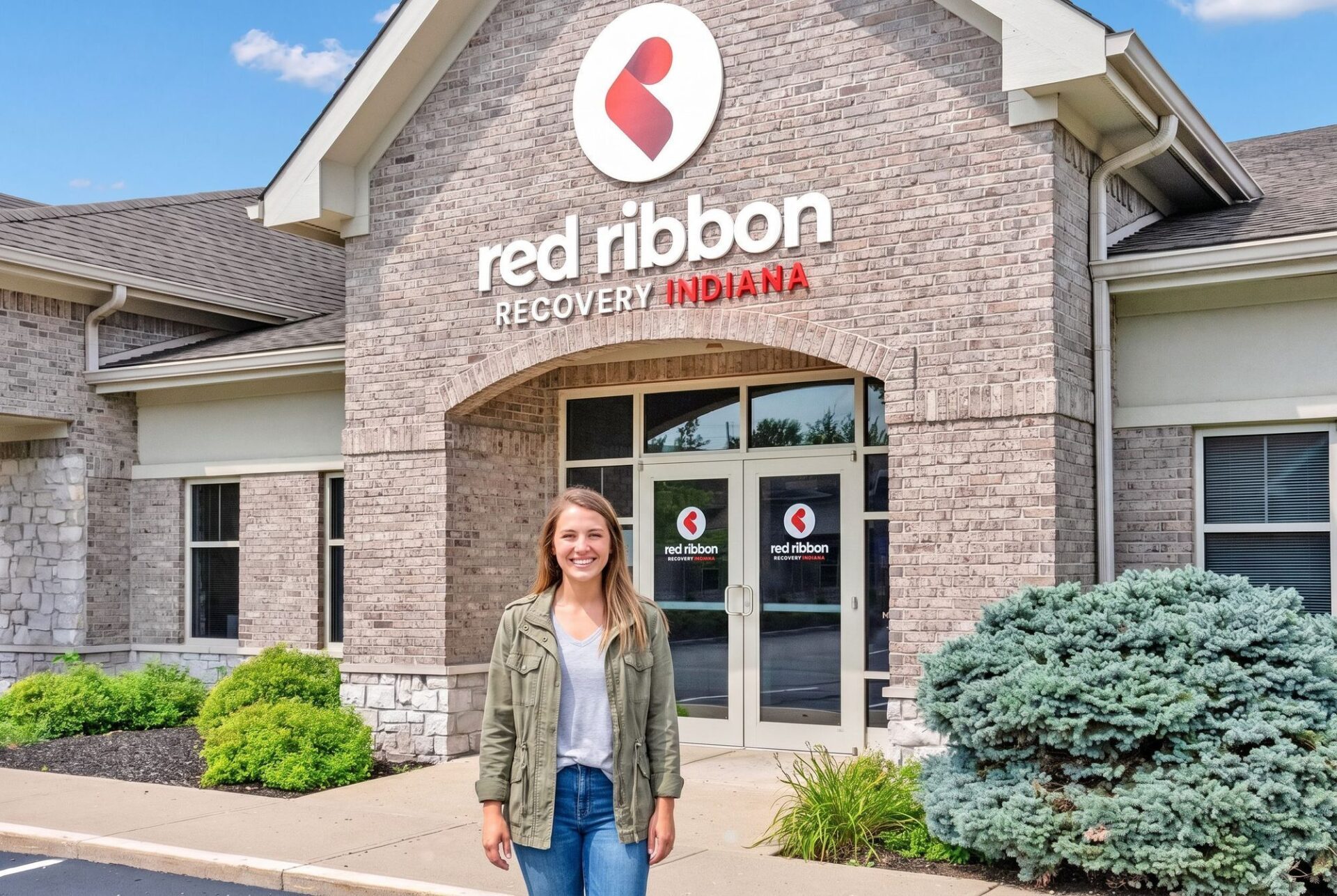
You can overcome addiction. Reach out to discover:
What to expect at an addiction treatment center in Carmel, Indiana
starting addiction treatment can feel uncertain, especially if it is your first time exploring care. Whether someone begins with medical detox, moves into residential treatment, or participates in outpatient programs, the process is structured, supportive, and centered on individual needs. In Carmel, Indiana, many people begin by simply trying to understand their options and how to take the next step toward long-term recovery.
At our drug rehab Indiana, we often speak with individuals and families who are unsure where to begin. Some are comparing programs, others are trying to understand the difference between levels of care, and many are navigating both substance use disorders and mental health challenges at the same time. Having a clearer picture of what to expect can make the process feel more manageable and less overwhelming.
Intake and admissions
The first step in most programs is an intake or assessment. This process is designed to gather information about a person’s history with substance use, physical health, and any mental health treatment needs. These details are used to guide personalized treatment plans that reflect each individual’s situation.
A typical day in treatment
Daily life in treatment is built around consistency and purpose. In more structured settings like residential care, schedules often include group therapy, individual counseling, and sessions focused on relapse prevention and emotional awareness. These routines are designed to help individuals build stability while developing tools they can carry into everyday life.
For those in intensive outpatient programs or other outpatient options, care is delivered on a flexible schedule. Many people benefit from learning to apply recovery strategies in real time while remaining connected to structured support. If you are exploring flexible care, options like outpatient rehab Indiana can provide additional context around how these programs work.
Some treatment approaches also include holistic options, such as art therapy, mindfulness practices, and wellness activities, that support both physical and emotional healing.
Family support and involvement
Addiction rarely affects just one person. Families often carry confusion, stress, and emotional weight alongside their loved ones. Many approaches to addiction and mental health care include family therapy as part of the process, helping loved ones better understand addiction and learn how to support recovery in a healthy way.
After treatment and ongoing support
Completing a program is an important milestone, but recovery continues well beyond that point. The transition back into everyday life can bring new challenges, which is why aftercare support plays such an important role in maintaining progress.
Ongoing care may include continued therapy, participation in outpatient treatment, or structured aftercare planning that helps individuals stay connected to support. Some people also explore recovery housing or peer-based communities to maintain accountability and stability.
Insurance, costs, and available payment options for treatment in Carmel
Insurance often plays a significant role in making addiction treatment more accessible. Many rehabilitation centers in Carmel accept a variety of insurance plans, making treatment more accessible. Reviewing your benefits ahead of time can help clarify what is covered and what costs may vary based on your specific plan. Resources that explain addiction treatment and the available levels of care can also help clarify how different services fit together financially.
For those without insurance, options may still be available. Some programs offer payment plans, sliding-scale fees, or other forms of financial assistance to help reduce barriers to care. The most important step is asking questions and exploring what is possible. Many people are surprised to find that support exists, even if they were unsure at first.
At Red Ribbon Recovery Indiana, we often help individuals and families verify insurance. Whether you are trying to understand coverage, compare treatment options, or simply figure out where to begin, having guidance can make the process feel more manageable.
Free Insurance Check
Our rehab center accepts most insurance plans.
Check if your insurance will cover the cost of treatment by filling out our confidential insurance form. We accept most insurance plans.

Local things to do while sober in Carmel, IN
Recovery is not just about stepping away from substance use. It is also about building a life that feels full, engaging, and worth staying present for. In Carmel, Indiana, and across Hamilton County, there are many ways to reconnect with yourself, spend time with others, and create new routines that support long-term recovery.
Simple activities can make a meaningful difference. Spending time outdoors, exploring new interests, or finding quiet spaces for reflection can all support both physical and emotional well-being. Many people in recovery find that staying active and connected helps reinforce the progress they have made through addiction treatment.
Some sober-friendly activities in Carmel include:
- Walking or biking the Monon Trail, a popular path that runs through Carmel and offers space to clear your mind
- Exploring Central Park or Coxhall Gardens for a quieter, more reflective environment
- Attending local events at the Carmel Arts & Design District, where creativity and community come together
- Visiting the Carmel Clay Public Library for reading, workshops, or a calm place to reset
- Joining fitness classes, yoga sessions, or wellness programs that support both mental health and physical strength
- Participating in local classes or creative outlets like art therapy, which can support emotional expression and healing
These activities are not just ways to pass the time. They are opportunities to build new habits, strengthen connections, and experience life without relying on substances. Many people discover that as they continue their recovery, moments like these become more meaningful and enjoyable over time.
At Red Ribbon Recovery Indiana, we often remind people that recovery is not about restriction. It is about rediscovery. With the right support and a willingness to explore, it becomes possible to create a lifestyle that supports lasting recovery and a renewed sense of purpose.
Rehab might feel like a big step, but remember why you're here—you’re looking for a way forward. We can help.
Key Takeaways
- Red Ribbon Recovery Indiana offers support and guidance for individuals struggling with substance use, alcohol use, and mental health challenges in Carmel, IN.
- They provide education and assistance in understanding different levels of addiction treatment options without pressure or obligation.
- Treatment programs include both in-person support and a virtual option delivering therapy, psychiatry, and structured programming to Carmel residents via video.
Frequently asked questions
How do I know if I need substance abuse treatment in Carmel, Indiana?
If substance use is starting to affect your health, relationships, work, or daily stability, it may be time to explore substance abuse treatment in Carmel. Even early signs like increased tolerance, difficulty stopping, or relying on substances to cope can indicate a need for support. Most facilities conduct comprehensive assessments to determine the best level of care for substance abuse treatment.
What is the difference between inpatient and outpatient treatment?
Inpatient drug rehab involves staying in a residential treatment setting with a fully structured environment, while outpatient rehab centers allow patients to live at home and continue working or studying during treatment. The right option depends on the severity of substance use disorders, your support system, and your daily responsibilities.
Does treatment address both addiction and mental health?
Yes. Many approaches to addiction treatment include support for mental health treatment at the same time. Addressing both is important because conditions like anxiety, depression, or trauma can directly impact recovery and increase the risk of relapse if left untreated. Cognitive behavioral therapy (CBT) is commonly used in the treatment of alcohol addiction, as well as drug addiction, and medication-assisted treatment (MAT) integrates FDA-approved medications with counseling and behavioral therapies.
What happens after completing a treatment program?
After completing a program, ongoing support becomes essential. This may include continued therapy, outpatient treatment, aftercare support, or structured living options like recovery housing. These steps help individuals maintain progress and work toward long-term recovery.
Is medication-assisted treatment necessary for everyone?
No. Medication-assisted treatment is one option that may be recommended based on individual needs, especially for managing cravings or withdrawal. Some people benefit from it, while others focus on therapy-based approaches. A personalized plan helps determine what is most effective for each person.
How can family involvement support drug rehab Carmel IN recovery programs?
Family support can play an important role during drug rehab Carmel IN treatment by encouraging accountability, communication, and long term recovery planning. Many individuals participating in drug rehab in Carmel programs benefit from family therapy, educational support, and outpatient drug treatment Carmel IN services that help strengthen stability outside of treatment.
What is the difference between outpatient drug treatment Carmel IN and residential care?
Outpatient drug treatment Carmel IN programs allow individuals to receive therapy, counseling, and recovery support while continuing to live at home. In comparison, some drug rehab Carmel IN programs may involve more structured levels of care for those needing additional support. Many people exploring drug treatment Carmel IN options compare outpatient services with other drug rehab in Carmel programs based on their daily responsibilities and recovery needs.
How do relapse prevention strategies work during drug rehab in Carmel treatment?
Relapse prevention planning is often a major focus during drug rehab in Carmel treatment programs. Individuals in drug rehab Carmel IN may learn coping strategies, stress management techniques, and recovery planning skills designed to support long term sobriety. Outpatient drug treatment Carmel IN services may also provide ongoing counseling and peer support after initial treatment ends.
Can outpatient drug treatment Carmel IN help individuals transition back into daily life?
Outpatient drug treatment Carmel IN programs are often designed to help individuals maintain recovery while balancing work, school, or family responsibilities. Many people leaving drug rehab in Carmel programs continue with outpatient care to strengthen coping skills and maintain accountability. Drug treatment Carmel IN services may also include therapy and relapse prevention support during this transition process.
. How can family involvement support drug rehab Carmel IN recovery programs?
Family involvement can play an important role during drug rehab Carmel IN treatment by helping individuals feel supported, understood, and motivated throughout the recovery process. Many people participating in drug rehab in Carmel benefit from family therapy sessions, educational resources, and healthy communication strategies that strengthen relationships damaged by addiction. Recovery often becomes more sustainable when loved ones are actively involved in creating a stable and encouraging environment at home. Many drug rehab Carmel IN programs encourage family participation because addiction can affect the entire household, not just the individual receiving treatment. In some cases, outpatient drug treatment Carmel IN services may include counseling sessions that teach families how to set healthy boundaries, recognize relapse warning signs, and support long-term recovery goals. Individuals searching for drug treatment Carmel IN options often look for programs that provide both individual and family-centered support during treatment.
What is the difference between outpatient drug treatment Carmel IN and residential care?
Outpatient drug treatment Carmel IN programs allow individuals to receive counseling, therapy, relapse prevention support, and recovery education while continuing to live at home. This type of care is often beneficial for people who need flexibility to continue working, attending school, or caring for family responsibilities while receiving treatment. Outpatient services may range from weekly counseling appointments to more structured intensive outpatient programs depending on the level of support needed. In comparison, some drug rehab Carmel IN programs may involve residential or inpatient care where individuals stay in a treatment setting full time for a period of recovery. Many people exploring drug treatment Carmel IN options compare outpatient care with residential drug rehab in Carmel programs based on their recovery history, support system, and the severity of substance use. Both approaches can include therapy, mental health support, relapse prevention planning, and long-term recovery resources designed to help individuals maintain stability after treatment. Many individuals researching drug rehab in Carmel also look for flexible outpatient support that fits into their daily responsibilities.
How do relapse prevention strategies work during drug rehab in Carmel treatment?
Relapse prevention planning is often a major focus during drug rehab in Carmel treatment programs because recovery continues long after the initial phase of treatment ends. Many individuals in drug rehab Carmel IN participate in therapy sessions that help identify emotional triggers, high-risk situations, unhealthy coping patterns, and stressors that could contribute to substance use in the future. Learning how to recognize these challenges early can help individuals respond in healthier ways. Drug rehab in Carmel programs may also teach practical relapse prevention skills such as stress management, communication strategies, goal setting, and building supportive routines. Many people continue receiving support through outpatient drug treatment Carmel IN services after completing more structured treatment. Continued therapy, peer support groups, and ongoing recovery planning can help strengthen accountability and encourage long-term success. Individuals seeking drug treatment Carmel IN services often look for programs that provide relapse prevention education as part of a comprehensive recovery plan.
Can outpatient drug treatment Carmel IN help individuals transition back into daily life?
Outpatient drug treatment Carmel IN programs are often designed to help individuals maintain recovery while balancing work, school, family responsibilities, and everyday routines. Many people leaving drug rehab in Carmel programs continue with outpatient care because it allows them to receive ongoing professional support while gradually returning to normal daily activities. This level of care can provide structure and accountability during a period that may otherwise feel overwhelming. Outpatient drug treatment Carmel IN may include individual counseling, group therapy, relapse prevention planning, medication management, and mental health support depending on individual needs. Some people participating in drug rehab Carmel IN programs use outpatient care as a step-down level of treatment after detox or residential services, while others begin treatment directly in outpatient settings. Drug treatment Carmel IN services often focus on helping individuals strengthen coping skills, improve emotional wellness, and maintain progress in long-term recovery.
What should someone look for when researching drug rehab Carmel IN programs?
When researching drug rehab Carmel IN programs, many individuals look for treatment options that provide personalized care, experienced professionals, therapy services, relapse prevention planning, and mental health support. Because recovery needs vary from person to person, it is important to find programs that can adapt treatment plans based on individual goals, medical history, and level of support needed throughout recovery. Some people searching for substance abuse treatment Carmel IN or outpatient drug treatment Carmel IN services also compare factors such as flexibility, therapy approaches, family involvement, and aftercare planning. Drug rehab in Carmel programs may include behavioral therapies, peer support, recovery education, and ongoing counseling designed to support long-term wellness. Individuals exploring drug treatment Carmel IN options often benefit from choosing programs that focus on both addiction recovery and overall emotional health.
How can substance abuse treatment Carmel IN programs support long-term wellness?
Substance abuse treatment Carmel IN programs support long-term wellness by helping individuals develop healthier coping skills, improve emotional stability, and build routines that encourage lasting recovery. Treatment often includes counseling, behavioral therapies, relapse prevention education, and recovery planning designed to address both the physical and emotional effects of addiction. Long-term wellness usually involves continued support rather than short-term treatment alone. Many people participating in drug rehab Carmel IN or outpatient drug treatment Carmel IN programs continue attending therapy sessions or support groups after completing their initial level of care. Ongoing recovery support can help individuals manage stress, improve relationships, and reduce the risk of relapse over time. Some drug rehab in Carmel programs also provide mental health services because conditions such as anxiety, depression, and trauma can directly impact recovery outcomes. By combining addiction treatment with emotional wellness support, individuals are often better prepared to maintain stability and long-term recovery success.
Get help for substance abuse and mental health in Carmel, Indiana
If you or someone you care about is struggling with substance use, alcohol use, or untreated mental health challenges, you are not alone. Whether you are exploring substance abuse treatment in Carmel, trying to understand different levels of addiction treatment, or simply looking for guidance, support is available.
At Red Ribbon Recovery Indiana, we are here to help you navigate those decisions. We provide support, education, and guidance so you can better understand your options for addiction and mental health care without pressure or obligation.
You do not have to figure this out on your own. If you are ready to learn more or take the next step, reach out to us by calling (317) 707-9848 or by contacting us online. You can also read our Google reviews for more insight.
For those who prefer care from home, our virtual treatment program delivers therapy, psychiatry, and structured programming to Carmel residents through a secure video platform.
We are here to help you or a loved one find addiction treatment near you.
Admitting you have a substance abuse problem and asking for help is not always easy. If you or a loved one are struggling with drug addiction, alcohol addiction or another substance use disorder, help is available. You can visit SAMHSA’s National Helpline to learn about resources in your area or reach out to our team by calling (317) 707-9848 to explore personalized treatment.
Treatment center reviews
Sources
- Regina AC, Gokarakonda SB, Attia FN. Withdrawal Syndromes. [Updated 2024 Sep 2]. In: StatPearls [Internet]. Treasure Island (FL): StatPearls Publishing; 2026 Jan-.
About the content

Written by: Carli Simmonds. Carli Simmonds holds a Master of Arts in Community Health Psychology from Northeastern University. From a young age, she witnessed the challenges her community faced with substance abuse, addiction, and mental health challenges, inspiring her dedication to the field.

Medically reviewed by: Jodi Tarantino, MSW, LICSW. Jodi Tarantino is an experienced, licensed Independent Clinical Social Worker (LICSW) and Program Director with over 20 years of experience in Behavioral Healthcare. Also reviewed by the RRR Editorial team.
Red Ribbon Recovery is committed to delivering transparent, up-to-date, and medically accurate information. All content is carefully written and reviewed by experienced professionals to ensure clarity and reliability. During the editorial and medical review process, our team fact-checks information using reputable sources. Our goal is to create content that is informative, easy to understand and helpful to our visitors.