

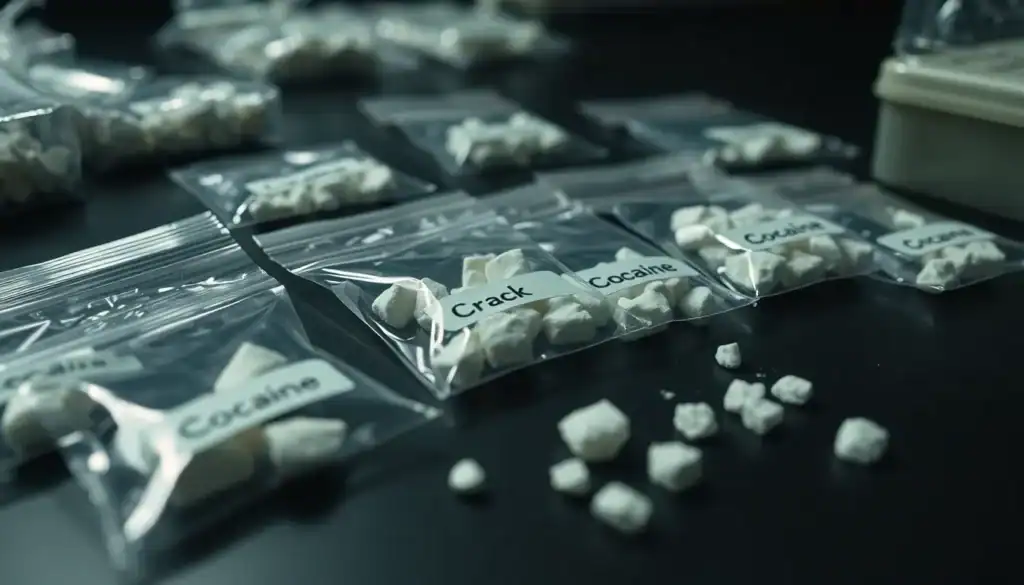
If you are trying to figure out **what does cocaine look like**, it might be a moment of concern. You may have found a suspicious substance or are worried about a loved one. Crack, a form of cocaine, appears as small, irregular rocks. These can range from pebble-sized pieces to larger chunks. Their color varies from white to an off-white or yellowish-brown, which helps distinguish it from other substances.
These rocklike crystals have a hard, waxy texture and often look rough or jagged—earning street names like “rocks,” “stones,” or “gravel.” The pieces can vary dramatically in appearance, with some looking almost crystalline and translucent while others appear more opaque and chalky. Understanding these visual characteristics isn’t just about identification—it’s about recognizing a highly addictive Schedule II controlled substance that poses serious risks to physical and mental health.
What is crack cocaine?
Crack cocaine is a crystallized form of cocaine that has been chemically altered in a cooking process. This process uses water with either ammonia or baking soda. The result is a rock-like appearance, giving crack its street name. The substance appears as small, irregularly shaped chunks that range from the size of pebbles to grapes.
This manufacturing process creates a drug that is much more potent and faster-acting than powdered cocaine. Crack is typically 75-100% pure cocaine, making it extremely concentrated. In comparison, street cocaine powder often contains only 20-40% actual cocaine. This high concentration is responsible for crack’s intense and immediate effects when smoked, making it a highly addictive substance that can quickly lead to dependence.
Drug dealers frequently add various cutting agents during production to increase volume and their profits. These additives include:
- Sugar or caffeine to mimic purity
- Talcum powder for weight
- Laundry detergent as filler
- Pesticides or other toxic substances
The presence of these dangerous additives creates additional health risks beyond cocaine’s natural dangers. These substances were not designed for human consumption and can cause severe respiratory damage, organ failure, and other life-threatening complications.
Crack cocaine is classified as a Schedule II controlled substance under federal law, which indicates its high potential for abuse and severe psychological dependence. The Drug Enforcement Administration reports that crack cocaine is involved in about 80% of cocaine-related emergency room visits. The substance’s affordability and intense high have made it widespread in urban areas, where it fuels addiction and increases the need for professional addiction treatment.
What does crack look like?
Crack cocaine appears as small, rock-like crystals that have a distinctively hard texture and irregular shape. These rocks can be off-white to yellowish-brown in color and vary a lot in size and appearance.
Physical appearance and texture
The appearance of crack cocaine is one of its most recognizable features. It typically takes the form of small, hard, rock-like crystals with an uneven surface. The texture of crack feels brittle and waxy, and it breaks easily when pressure is applied. These rocks often leave a light, powdery residue on the fingers and can appear rough or jagged depending on how they were made.
The color of crack ranges from off-white to pale yellow or light brown. Its shade and overall appearance can be changed by its purity and the cutting agents used, such as baking soda, sugar, or caffeine. Some pieces look glossy and crystalline, while others appear dull and chalky. Each batch is unique, shaped by its method of production and the chemicals involved.
When you compare samples, you will see that purer forms of crack tend to be lighter and more consistent in color, while street versions look darker or uneven. The irregular texture of crack makes it easy to distinguish from powdered cocaine, which is fine, smooth, and consistent in its appearance.
Size and shape
The shape of crack rocks is irregular, often rough and uneven, reflecting how they harden during production. Each piece looks slightly different, sometimes appearing angular or chunky with sharp corners and jagged edges. Crack rocks can look like small pebbles, gravel, or bits of candle wax depending on how they were formed.
A crack rock can vary in size and shape, usually ranging from tiny fragments the size of a grain of rice to larger pieces about as big as a grape. Most individual rocks are somewhere in between, often around the size of a pencil eraser. Dealers might break larger chunks into smaller portions to sell as individual doses.
Each batch differs in consistency and size, as crack is not made in uniform molds. This inconsistency gives it an unpredictable, coarse look that sets it apart from the fine, smooth powder of cocaine. Packaging also varies; crack rocks are usually found in small plastic bags or vials, divided by weight for quick sale.
What does crack smell like?
Crack cocaine has minimal odor in its raw form, but a distinct crack cocaine smell becomes noticeable when it is heated or smoked. The scent is similar to burning rubber or plastic, creating a sharp chemical smell that stays in enclosed spaces.
You might detect several other distinct smells when crack is being used:
- Burning electronics or wiring
- Paint fumes
- Gasoline or motor oil
- Nail polish or acetone
- Ammonia undertones
The presence of adulterants like levamisole can add odors that smell like rotten eggs to the mix. High-purity crack tends to produce a sharper, more intense chemical smell, while impurities create muddled odors that some describe as being similar to milk, caramel, or vitamins.
You can distinguish crack’s scent from other substances by its chemically artificial nature. Unlike methamphetamine (which smells like acetone), heroin (vinegar-like), or cannabis (skunky, herbal), crack’s burning rubber or plastic odor is unmistakable.
Paraphernalia like glass pipes, burnt spoons, aluminum foil, and steel wool pads often accompany these unusual chemical smells, indicating crack use in the area. Crack smoke creates a thick, pungent vapor that can get into clothing and furniture, making the smell difficult to remove completely.
If you notice strong chemical smells or odors of burning rubber or plastic without an obvious source, this may be a sign of crack cocaine use in your vicinity.
How to identify crack vs. powder cocaine
Crack cocaine and powder cocaine come from the same source, but they differ in how they are processed, used, and experienced. Understanding the difference between crack and cocaine helps distinguish their unique risks, effects, and appearance.
Physical form differences
Crack appears as small, hard rocks or crystals with irregular shapes, while powder cocaine is a fine, smooth, white powder. Crack’s solid, brittle texture is different from the softer, granular texture of powder cocaine. This difference in the form of cocaine is one of the easiest ways to tell them apart. Crack rocks are typically the size of a pencil eraser or smaller, while powder cocaine is often sold in baggies for snorting.
Color variations
| Substance | Color range | Common appearance |
|---|---|---|
| Crack cocaine | Color range: Off-white to yellow-brown | Common appearance: Small rocks, crystal-like |
| Powder cocaine | Color range: White to off-white | Common appearance: Fine powder, smooth texture |
Crack cocaine tends to have a slightly yellow or brown tint from impurities and additives, while powder cocaine usually remains consistently white. This variation reflects the crack vs powder distinction in purity and preparation. Additives such as baking soda, caffeine, or sugar can darken the color and affect the texture.
Usage methods
Crack cocaine is almost always smoked, producing a rapid, intense high that fades quickly. Powder cocaine is snorted, rubbed on gums, or dissolved and injected, creating a slower onset and longer duration. Smoking allows crack’s active ingredients to reach the brain within seconds, contributing to its highly addictive nature.
Chemical properties
Crack melts at lower temperatures than powder cocaine, which allows it to be smoked effectively. This chemical property is another key difference between crack and cocaine, helping explain why the two forms produce such different experiences. Crack’s faster absorption leads to a more intense high and a stronger craving cycle.
Recognizing crack paraphernalia
Identifying crack-related equipment provides important context clues that supplement visual recognition of the drug itself. Understanding these tools helps you recognize potential crack use situations more effectively.
Crack pipes and smoking devices
Glass crack pipes are the most common crack smoking equipment you will find. These specialized glass pipes are small, clear tubes about 4–6 inches long with a bulbous bowl at one end where the rock sits. These pipes often contain steel wool or mesh filters inside the bowl to hold the drug in place while it is heated.
Makeshift smoking devices are often used instead of traditional pipes when commercial options are not available. Modified soda cans with holes serve as improvised pipes, along with tire air gauges that are repurposed for drug use. Light bulbs with the internal parts removed are another common homemade smoking device. These items typically show burn marks from repeated heating.
Other drug equipment
Heating implements are used with crack pipes because regular lighters do not get hot enough for effective use. Butane torch lighters provide the intense heat needed to vaporize crack rocks quickly. You might also find metal spoons with characteristic burn marks on the bottom from heating the substance.
Additional paraphernalia includes items that assist with preparation and consumption. Aluminum foil sheets often have burn patterns or residue from heating crack. Thin straws or hollow glass containers help users inhale vapors, while copper mesh screens filter the smoke. Empty plastic bags or small glass vials are typically used to store individual crack rocks.Signs of Crack Use
Signs of crack use
Recognizing the signs of crack use involves paying attention to both physical and behavioral changes that develop after someone starts using this highly addictive substance. These indicators can help identify when a person is struggling with crack cocaine addiction and may need professional addiction treatment.
Physical signs
The physical signs of crack cocaine use appear quickly because of the drug’s rapid impact on the body. Users often display dilated pupils and bloodshot eyes. Burn marks or darkened skin around the lips and fingertips are common from repeated contact with hot crack pipes or other smoking devices.
Respiratory problems such as a persistent cough, shortness of breath, and hoarseness develop from inhaling crack vapor. Many people experience dramatic weight loss due to appetite suppression, sometimes in just weeks. Other physical signs include muscle twitches, frequent nosebleeds, and lip blisters. These symptoms tend to get worse with prolonged use and can signal a chronic dependence.
Behavioral signs
The behavioral signs of crack addiction often mirror the stimulant’s powerful and unpredictable effects on mood and energy. During intoxication, users may seem hyperactive, euphoric, and overly confident. When the high fades, they may become irritable, anxious, or withdrawn, showing sharp mood swings and restlessness.
Social and work performance typically declines. People may miss work or school, neglect their responsibilities, and isolate themselves from loved ones. As addiction deepens, secrecy increases, and users may lie about where they are or spend excessive money on the drug. Financial and legal issues frequently follow, along with worsening behavioral signs like aggression and paranoia.
Early recognition of the signs of crack use gives families and providers a chance to step in before the addiction gets worse. Connecting the person with a qualified treatment center can help stabilize their health and start the process of recovery.
Health risks and dangers of crack
The devastating effects of crack cocaine extend far beyond its appearance and smell. The drug’s intense potency creates immediate and long-term physical health risks that can permanently affect the body and brain. As a highly addictive substance, crack cocaine disrupts natural brain chemistry and produces dependence that often develops within days or weeks.
Addiction develops rapidly with crack cocaine use. Some individuals become dependent after only a few uses because the drug reaches the brain in under eight seconds when smoked. The high peaks within seconds but fades within minutes, driving compulsive use and severe withdrawal symptoms.
The physical health risks of crack cocaine include serious cardiovascular complications. Users often experience an elevated heart rate, increased blood pressure, and a heightened risk of heart attack, stroke, and seizures. Smoking the drug also damages the lungs, leading to a chronic cough, respiratory infections, and even respiratory failure. Repeated exposure to toxic manufacturing chemicals increases the risk of organ damage.
The mental health impact of crack use can be just as severe. The cycle of rapid highs and intense crashes contributes to depression, anxiety, paranoia, and psychosis. Over time, users may experience hallucinations, mood instability, and cognitive decline. Chronic stimulant use alters the brain’s reward system, which makes it harder to feel pleasure or motivation without the drug.
Long-term consequences affect multiple body systems:
- Heart disease from repeated cardiovascular stress
- Lung damage from inhaling heated chemicals
- Neurological disorders impacting brain function
- Increased risk of infectious diseases
- Severe weight loss from appetite suppression
Behavioral and emotional changes also emerge as the addiction progresses. Individuals may isolate themselves, neglect hygiene, and engage in risky or criminal behavior to sustain their addiction. These signs often appear alongside worsening mental health symptoms, strained relationships, and financial instability.
Getting help for crack addiction

Crack cocaine addiction requires professional intervention to overcome its powerful grip on your brain and body. Structured addiction treatment programs provide pathways to recovery, combining medical support with behavioral therapies to address both physical dependence and psychological triggers.
Inpatient programs offer 24/7 medical supervision in residential facilities where you are removed from external triggers. These programs typically last 30–90 days and include intensive daily therapy, medical detox support, and care planning. You will receive round-the-clock monitoring during withdrawal and have access to immediate medical care if complications arise.
Outpatient programs allow individuals to continue their daily responsibilities while they participate in structured addiction treatment. These options vary in intensity, from daily therapy to weekly appointments, depending on the person’s needs. Clients may live at home or in sober living facilities while they receive ongoing clinical and peer support.
Both approaches use evidence-based behavioral therapies proven effective for cocaine addiction:
- Cognitive-behavioral therapy (CBT) to identify triggers and build healthier coping mechanisms
- Contingency management (CM) to reinforce abstinence through incentives and accountability
Aftercare and long-term support play key roles in maintaining sobriety. Mutual-help groups like Narcotics Anonymous offer community and accountability, while recovery housing provides safe, structured environments during early sobriety. A professional treatment center can also coordinate continued therapy, relapse prevention planning, and access to alumni programs that strengthen social support during long-term addiction recovery.
Frequently asked questions
Understanding crack cocaine terminology and classification helps you recognize important details about this dangerous substance. These frequently asked questions address common concerns about its street names, drug classification, and comparable substances.
Crack cocaine goes by numerous street names that reflect its distinctive rock-like appearance, with the most common being “rock,” “crack rock,” and simply “crack.” The street name for crack comes from the crackling sound the rocks make when heated and smoked. Other slang terms include “hard,” “stones,” “gravel,” “nuggets,” “rock candy,” “hail,” and “badrock.” Recognizing these names helps parents, educators, and health professionals identify drug-related conversations and detect possible use early.
Crack cocaine is definitively classified as a hard drug due to its highly addictive nature and potent stimulant effects, placing it among the most dangerous controlled substances alongside heroin and methamphetamine. Crack’s rapid onset, short-lived high, and severe withdrawal symptoms make it one of the most challenging drugs to quit without professional addiction treatment or medical supervision.
Powder cocaine remains the drug most similar to crack since both are derived from the coca plant and share nearly identical chemical structures. However, crack’s crystalline form is smoked rather than snorted, leading to faster absorption and a more intense high. Other drugs similar to crack include methamphetamine and amphetamine-based stimulants, which can produce comparable euphoria and energy surges but differ in composition and duration. None match the speed and intensity of crack cocaine’s effects, which contribute to its highly addictive potential.
Sources
- Drug Enforcement Administration. (2020). Drug fact sheet: Cocaine and crack cocaine. U.S. Department of Justice. https://www.dea.gov/factsheets/cocaine
- National Institute on Drug Abuse. (June 2023). Cocaine drugfacts. U.S. Department of Health and Human Services. https://nida.nih.gov/publications/drugfacts/cocaine
- Centers for Disease Control and Prevention. (December 8, 2017). Cocaine and crack cocaine overdose deaths. National Vital Statistics System, National Center for Health Statistics. https://www.cdc.gov/nchs/products/databriefs/db294.htm
- Gawin, F. H., & Ellinwood, E. H. (April 1988). Cocaine and other stimulants: Actions, abuse, and treatment. New England Journal of Medicine, 318(18), 1173–1182. https://doi.org/10.1056/NEJM198805053181806