
When substance use takes hold, it is often the quiet damage to trust within families that lingers the longest. You might feel the weight of broken promises and tense silences, or see hope flickering behind cautious eyes. Rebuilding trust after addiction is a slow, deeply personal process, but it is absolutely possible with steady actions and patience. Step by step, families can mend those bonds and move toward genuine healing together.

Why relationships get damaged during addiction
Living with an untreated substance use disorder changes the entire environment of a home. Over time, secrecy and broken promises replace open communication. This constant unpredictability causes deep relational injuries. Family members often develop severe hypervigilance. They learn to anticipate the next crisis instead of feeling safe in their own living room.
The Midwestern values complication
In Indiana, strong cultural norms around privacy and keeping the peace can complicate this process. People in rural communities or cities like Evansville and Fort Wayne often value self-reliance. This Midwestern stoicism is a massive strength, but it can also hide problems. Families might conceal the reality of a loved one’s struggle. They try to protect the family’s reputation at all costs. This secrecy forces children and spouses to ignore what they see and feel, creating lasting confusion. Comprehensive addiction treatment helps break this cycle by providing structured support that families simply cannot give alone.
Validating the pain on both sides
We understand that this is incredibly painful for loved ones. The trust you placed in someone was repeatedly broken. Your feelings of mistrust and anxiety are completely valid. However, healing requires taking clear-eyed accountability for past behavior. You cannot fix what you do not acknowledge. The goal is never to invoke shame. It is about moving forward with radical honesty.
What to do if a loved one does not trust you yet
It is completely normal if your family members are hesitant to believe you right now. Trust is not rebuilt with a single apology or a well-meaning conversation. It is earned in thin layers over many months.
Research on emerging adults’ lived experience of formative family stress shows exactly how these dynamics fracture attachment. Acknowledging this damage is the vital first step toward mending relationships after addiction. The goal is never to invoke shame. It is about moving forward with radical honesty.
You must bring extreme patience into the healing process. Respect their emotional distance, and understand it protects them from further hurt. Not all relationships heal on the exact same timeline. There are no guarantees, but steady, predictable action is your absolute best tool.
You can overcome addiction. Reach out to discover:
Steps for repairing relationships after addiction
Mending relationships requires actionable, stepwise strategies. You must shift from making grand promises to showing up consistently every single day. Action is always louder than intent. This is especially true when figuring out how to get your parents to trust you again. They need to see permanent changes in your daily behavior.
In Indiana, we place a high value on hard work and showing up for our neighbors. Apply these exact core values to your personal recovery. Engaging in structured programs and evidence-based therapies proves you are serious. It shows your family that you are actively working on yourself.
Take responsibility for your actions
You must acknowledge past hurts without getting defensive. A sincere apology requires full ownership of the pain you caused. Do not play the victim or blame your substance use on others. State exactly what you did and how it caused pain. This upfront honesty helps lower the walls of resentment.
Demonstrate consistency and reliability
Your family will judge your reliability by your everyday actions. Show up on time for work, school, and family events. Keep your clinical appointments for therapy and ongoing care. Repairing relationships after addiction is built on a solid, unbreakable routine. Keeping your word in small, daily commitments proves your ongoing sobriety.
Practice honest communication
Keep the lines of communication wide open at all times. Answer direct questions truthfully, even when it feels highly uncomfortable. This total transparency prevents suspicion and fosters mutual understanding. Share your struggles before they have a chance to become secrets. These healthy interactions rebuild the safety your loved ones desperately need.
Accept that progress is gradual
Rebuilding trust in recovery happens in thin layers, not big leaps. Some days will feel like genuine breakthroughs. Other days will feel like you are right back at the beginning. Both are normal parts of the process. Stay patient and keep showing up.
Free Insurance Check
Our rehab center accepts most insurance plans.
Check if your insurance will cover the cost of treatment by filling out our confidential insurance form. We accept most insurance plans.

The importance of setting healthy boundaries
Boundaries are essential for protecting both the person in recovery and their loved ones. They are not punishments designed to make you feel bad. Instead, they are necessary guardrails that support a healthy lifestyle. Clear rules prevent the chaotic environment of active addiction from returning.
How boundaries reduce relapse risk
Healthy boundaries directly reduce the risk of relapse. They limit exposure to high-risk situations and interrupt old patterns of enabling. For example, a family in South Bend might state they will not allow any substances in their home. This firm rule protects the physical and emotional safety of everyone under that roof. Establishing these limits helps you manage stress while keeping everyone accountable and sharply focused on sustained sobriety.
Respecting other people's boundaries
You must gracefully accept when your loved ones need space. They might set strict rules regarding your daily interactions. Respect their decisions without arguing or demanding immediate forgiveness. Their personal healing process requires emotional safety, which these boundaries provide. Honoring their limits proves that you truly respect their needs and well-being.
Seek support through professional therapy
Navigating complex family trauma is incredibly difficult to do alone. Years of broken trust create deep emotional wounds that require careful handling. You often require a professional therapist or counselor to guide these delicate conversations safely. Attempting to fix relationships entirely by yourself can easily lead to frustration and repeated arguments.
Why family therapy works
Professional family therapy offers targeted, clinical guidance. A trained counselor can expertly mediate intense emotions and teach healthy conflict resolution skills. Sessions create a neutral space where every family member can be heard without escalating into anger. The therapist also helps establish boundaries, repair communication patterns, and address the underlying dynamics that addiction either created or revealed.
Pairing therapy with broader support
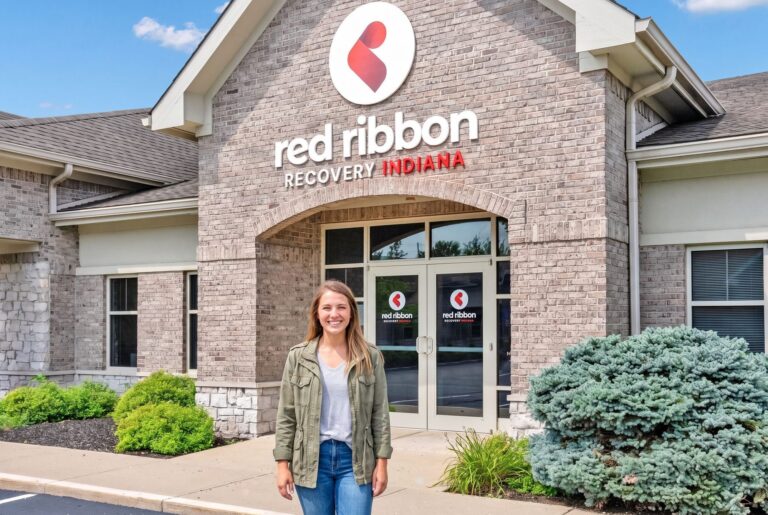
Indiana Medicaid covers many behavioral health services, making this support highly accessible. Red Ribbon Recovery Indiana is a deeply committed local treatment partner for Hoosiers. Whether you live in Indianapolis or a rural farming town, professional help is available to support your family’s healing journey.
WE ARE AVAILABLE 24/7
Request a call for answers and help.
If you or someone you care about is struggling with addiction or mental health problems, request a call to speak with a knowledgeable treatment specialist. Our team is here to help you understand your options for care. There is no cost or obligation to enter treatment by requesting a call.
"*" indicates required fields
Rebuilding your life after addiction
Rebuilding trust is deeply connected to rebuilding your own life. You cannot successfully mend relationships if your foundation remains unstable. Focus heavily on your personal growth and maintain a steady routine.
A practical daily accountability checklist
Use this checklist to track your daily accountability:
- Keep your word by completing small daily tasks exactly as promised.
- Maintain a structured routine for sleep, meals, and consistent work hours.
- Attend your scheduled meetings, therapy, or support groups without fail.
- Practice radical honesty about your daily cravings and struggles.
- Meet practical responsibilities at work and thoroughly manage your basic self-care.
- Take absolute responsibility immediately if you make a mistake.
Long-term sobriety requires daily dedication to your most important core values.
Finding new sources of meaning
Recovery is not just about removing the old; it is about building something new. Identifying your personal core values is a major step in the healing process. Whether it is family, faith, or honest hard work, these values guide your recovery decisions. Engaging in healthy hobbies, time outdoors, and meaningful recovery activities helps fill leisure time with sober purpose. Rediscovering what you love helps permanently replace the void left by substance use.
The hard work pays off
The hard work of recovery is absolutely worth the effort. Restoring your community and family ties brings immense joy. Rebuilding your life after addiction takes genuine time, but every honest day moves you forward. Stay patient, stay grounded, and keep showing up.
Rehab might feel like a big step, but remember why you're here—you’re looking for a way forward. We can help.
Key Takeaways
- Repairing family relationships after addiction requires a gradual, daily commitment to honesty and accountability.
- Key steps for relational repair include setting clear boundaries, engaging in professional counseling, and consistently demonstrating reliability.
- Red Ribbon Recovery Indiana offers clinical support for families in Indiana navigating recovery, including treatment options and Medicaid benefit verification.
Frequently asked questions
What is the best way to make amends and repair broken relationships?
Making amends starts with taking responsibility for the harm caused during substance use and offering a sincere apology. A heartfelt apology should acknowledge specific past mistakes without making excuses or placing blame on others. Individuals wondering how to get your parents to trust you again should focus on actions that support long-term change. Open communication and a willingness to listen to the feelings of loved ones can help create a safe space for healing. Repairing relationships after addiction may also require ongoing accountability and a commitment to healthier communication. While a genuine apology is important, rebuilding relationships also requires ongoing commitment and follow-through to demonstrate meaningful change. For many individuals rebuilding your life after addiction, making meaningful changes over time can help restore damaged relationships. Many individuals asking how to get your parents to trust you again benefit from showing consistent effort and personal growth.
Why won't some family members immediately forgive me after addiction recovery?
Forgiveness and trust are not always the same thing. A person may forgive someone struggling with alcohol addiction or substance use disorder while still needing time to feel emotionally safe again. Broken trust can leave lasting wounds, especially when promises were repeatedly broken during active addiction. Many people ask how to get your parents to trust you again, but rebuilding emotional safety can take time. Recovery is often a two-way street that involves both the person in recovery and their loved ones working through difficult emotions. People wondering how to get your parents to trust you again may need to focus on rebuilding emotional safety over time. Respecting boundaries and allowing others to heal at their own pace can be an essential part of restoring trust. Learning how to get your parents to trust you again may require patience, emotional growth, and ongoing honesty throughout recovery. Understanding how to get your parents to trust you again often involves accepting responsibility, respecting boundaries, and remaining consistent throughout recovery.
How can therapy help with rebuilding relationships after addiction?
Professional help can play a valuable role in repairing relationships affected by addiction. Individual therapy encourages self-reflection and helps people develop healthier communication skills. Family therapy allows loved ones to discuss concerns in a structured environment while working toward mutual understanding. Therapy can also support rebuilding trust in recovery while helping families focus on repairing relationships after addiction. Support groups can also provide guidance, encouragement, and accountability throughout the recovery process. Many individuals focus on rebuilding trust in recovery by improving communication and strengthening healthy family relationships. These resources help individuals communicate openly, strengthen healthy relationships, and develop tools for long-term sobriety. Some families working on repairing relationships after addiction also use counseling to rebuild communication and emotional trust.
What actions help restore trust during addiction recovery?
Actions speak louder than words when it comes to regaining trust. Staying sober, honoring commitments, respecting boundaries, communicating honestly, and following through on promises can demonstrate genuine change. People rebuilding your life after addiction often need to focus on daily habits that strengthen trust and accountability. People wondering how to get your parents to trust you again should understand that rebuilding trust often takes consistent actions over time. Consistent accountability helps loved ones see that recovery is more than a temporary effort. Rebuilding trust in recovery often requires patience, honesty, and long-term consistency from everyone involved. While rebuilding trust may take time, remaining committed to personal growth, maintaining a strong support system, and focusing on healthy behaviors can help restore trust and strengthen relationships over the long term. Rebuilding trust in recovery often requires patience, honesty, and long-term consistency from everyone involved. For people rebuilding your life after addiction, daily accountability and healthy routines can help restore stability and trust.
How does rebuilding trust after addiction take time with family members?
Rebuilding trust after addiction often takes consistent actions over time rather than promises alone. Family members may need time to heal from past experiences, especially if trust was repeatedly broken during active substance use. Staying sober, respecting boundaries, communicating honestly, and following through on responsibilities are all important parts of rebuilding trust in recovery. Many people find that rebuilding your life after addiction also involves improving communication skills, attending therapy, and showing long-term accountability. Learning how to get your parents to trust you again may require patience, openness, and a willingness to accept that healing does not happen overnight.
What are healthy ways of rebuilding trust in recovery after addiction?
Healthy habits such as honesty, accountability, therapy, and consistency can support rebuilding trust in recovery. People rebuilding trust after addiction often benefit from family counseling, support groups, and setting realistic expectations with loved ones. Repairing relationships after addiction may involve apologizing sincerely, listening without becoming defensive, and respecting the emotional needs of others. Rebuilding your life after addiction also means creating healthier routines and avoiding behaviors that damaged trust in the past. For many individuals wondering how to get your parents to trust you again, demonstrating long-term change through actions can be more effective than words alone.
Can therapy help with repairing relationships after addiction?
Therapy can play an important role in repairing relationships after addiction by creating a safe environment for honest communication and emotional healing. Individual counseling and family therapy can help people work through resentment, rebuild emotional connections, and focus on rebuilding trust after addiction in healthy ways. Rebuilding trust in recovery often includes learning conflict resolution skills, managing stress, and improving emotional awareness. Many individuals rebuilding your life after addiction discover that therapy helps strengthen relationships while also supporting sobriety goals. If someone is struggling with how to get your parents to trust you again, professional guidance may help families rebuild understanding over time.
Why is consistency important when rebuilding trust after addiction?
Consistency is one of the most important parts of rebuilding trust after addiction because loved ones often look for reliable behavior over time. Showing up to work, attending treatment, honoring commitments, and maintaining sobriety can demonstrate genuine change. Rebuilding trust in recovery may also include respecting boundaries, improving communication, and avoiding unhealthy relationships or environments. People rebuilding your life after addiction often need to focus on long-term growth rather than expecting immediate forgiveness. For those wondering how to get your parents to trust you again, consistent actions and accountability can help create a stronger foundation for healing.
What steps can support rebuilding your life after addiction and restoring family relationships?
Rebuilding your life after addiction may involve creating healthy routines, attending therapy, finding supportive friendships, and staying involved in recovery programs. Rebuilding trust in recovery can also require repairing financial issues, improving communication, and following through on personal responsibilities. Many families benefit from open conversations focused on rebuilding trust after addiction and setting realistic expectations moving forward. Repairing relationships after addiction often takes time, patience, and mutual effort from everyone involved. People searching for how to get your parents to trust you again may find that honesty, sobriety, and steady personal growth gradually help rebuild stronger family connections.
Move forward with steady, daily action
Healing a family after substance use is a gradual process built on daily honesty and steady accountability. By setting clear boundaries, engaging in professional counseling, and demonstrating reliability, you lay the groundwork for true relational repair. If your family is navigating the complexities of recovery in Indiana, Red Ribbon Recovery Indiana is prepared to provide the clinical support necessary for lasting change. Reach out to our team at (317) 707-9848 to review available treatment options, verify your Medicaid benefits, and schedule a family intake appointment. Contact us today.
We are here to help you or a loved one find addiction treatment near you.
Admitting you have a substance abuse problem and asking for help is not always easy. If you or a loved one are struggling with drug addiction, alcohol addiction or another substance use disorder, help is available. You can visit SAMHSA’s National Helpline to learn about resources in your area or reach out to our team by calling (317) 707-9848 to explore personalized treatment.
Treatment center reviews
Read what treatment patients and their families have to say about their experiences at Red Ribbon Recovery Indiana.
Sources
- National Institutes of Health. (2013). Emerging Adults’ Lived Experience of Formative Family Stress. PMC.
- SAMHSA. (January 8, 2025). Evidence-Based Practices Resource Center. SAMHSA.
- National Institutes of Health. (September 3, 2015). Relapse Prevention and the Five Rules of Recovery. PMC.
- National Institutes of Health. (April 14, 2021). Family Involvement in Treatment and Recovery for Substance Use Disorders. PMC.
- National Institutes of Health. (February 11, 2023). Habits and Routines of Adults in Early Recovery From Substance Use Disorders. PMC.
- National Institutes of Health. (2010). Evidence-based practices for substance use disorders. PMC.
- Indiana Family and Social Services Administration. (2024). Medicaid Mental Health Services. IN.gov.
- National Institutes of Health. (2018). Benefits and Challenges of Family Counseling in Substance Use Disorder Treatment. NCBI.
About the content

Written by: Carli Simmonds. Carli Simmonds holds a Master of Arts in Community Health Psychology from Northeastern University. From a young age, she witnessed the challenges her community faced with substance abuse, addiction, and mental health challenges, inspiring her dedication to the field.

Medically reviewed by: Jodi Tarantino, MSW, LICSW. Jodi Tarantino is an experienced, licensed Independent Clinical Social Worker (LICSW) and Program Director with over 20 years of experience in Behavioral Healthcare. Also reviewed by the RRR Editorial team.
Red Ribbon Recovery is committed to delivering transparent, up-to-date, and medically accurate information. All content is carefully written and reviewed by experienced professionals to ensure clarity and reliability. During the editorial and medical review process, our team fact-checks information using reputable sources. Our goal is to create content that is informative, easy to understand and helpful to our visitors.
Disclaimer: This website is for informational purposes only, not medical advice. Red Ribbon Recovery Indiana connects people with the full continuum of care, including a detox center Indiana, Indiana inpatient drug rehab, PHP Indiana, IOP Indiana, and outpatient rehab Indiana.
For those managing co-occurring conditions, our dual diagnosis treatment centers in Indiana treat addiction and mental health together. We also offer telehealth mental health and online addiction treatment for flexible, remote access to care.