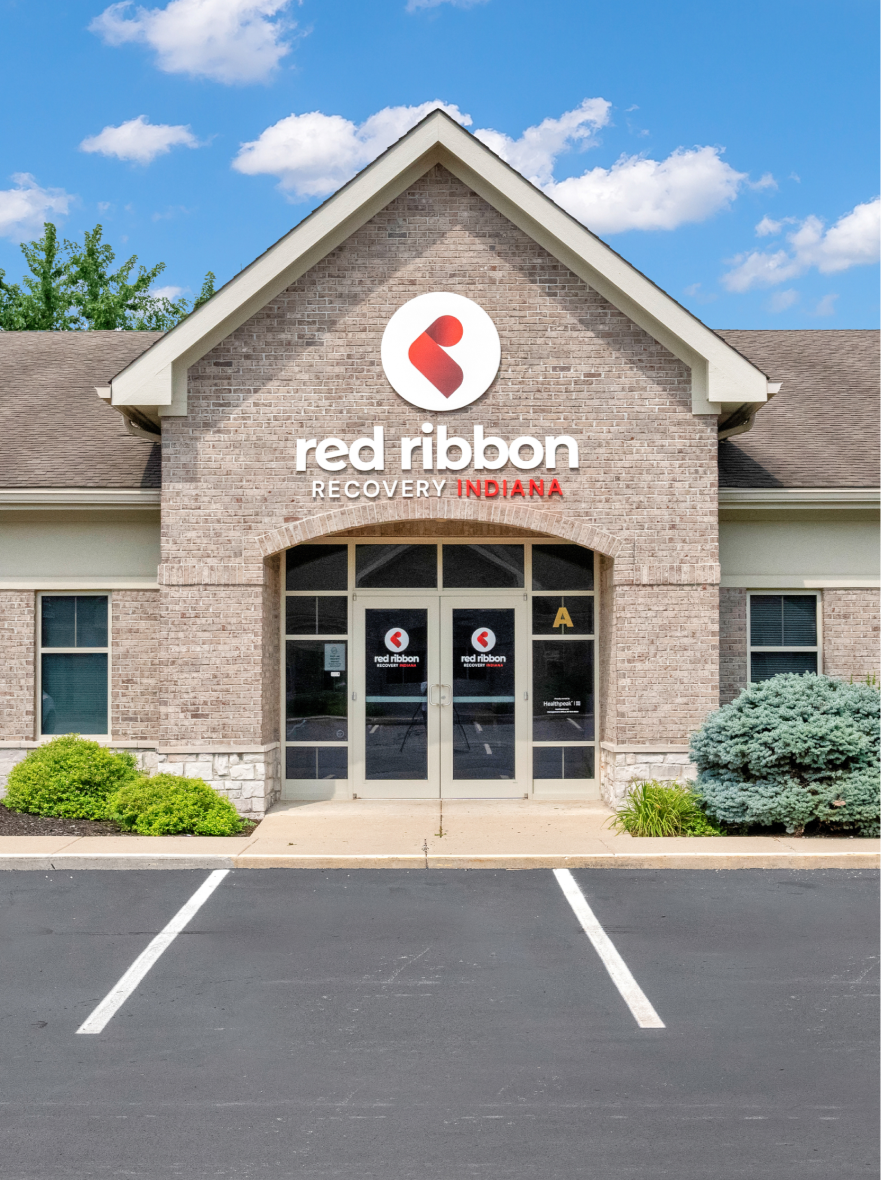
Finding the right alcohol and drug rehab in Terre Haute starts with understanding how addiction treatment works and what options are available near Terre Haute, Indiana, and Vigo County. Individuals facing substance use disorder often also experience challenges with mental health, which is why many treatment programs are designed to address both at the same time. At Red Ribbon Recovery Indiana, we help individuals and families understand how to choose treatment that fits their needs.
Drug and alcohol addiction treatment Terre Haute, Indiana
Understanding drug rehab in Terre Haute begins with recognizing that addiction treatment is not a single event, but a layered process. In Terre Haute, Indiana, and across Vigo County, individuals have access to a full continuum of care that supports stabilization, therapy, and long-term recovery from drug and alcohol use.
Treatment is built around flexibility. Some individuals require medically supported care to begin safely, while others benefit from structured but more flexible options like intensive outpatient programs. Many treatment programs integrate mental health treatment, therapy, and clinical oversight to address both substance use disorder and co-occurring conditions at the same time.
At our alcohol and drug rehab Indiana, we help individuals understand how these levels of care connect. Reviewing resources like levels of addiction can provide helpful insight when deciding what type of treatment may be the right fit.
Medical detox at an Indiana center for recovery
For individuals experiencing physical dependence on drug and alcohol use, detox is often the first step. Detoxification services in Terre Haute are designed to help patients safely manage withdrawal symptoms while receiving medical supervision and support.
Withdrawal can affect both physical and emotional stability, especially in cases involving opioids or alcohol. Access to a monitored detox center Indiana care helps reduce risk, manage discomfort, and prepare individuals for the next phase of addiction treatment with greater focus and stability.
Residential treatment
Following detox, some individuals benefit from transitioning into residential treatment or inpatient drug rehab. These residential programs provide a structured environment where individuals can step away from outside stressors and focus fully on healing.
Within a residential setting, patients engage in group therapy, individual counseling, and daily therapeutic activities guided by licensed therapists and a multidisciplinary treatment team. This level of care is especially important for adults struggling with long-standing substance abuse, past trauma, or repeated relapse.
The goal of residential care is to create stability, build coping skills, and support progress toward long-term recovery.
Outpatient treatment and intensive outpatient programs
Not all individuals require 24-hour care. Outpatient rehab Indiana options allow individuals to receive ongoing treatment while continuing to live at home and stay connected to work, school, or family responsibilities.
Programs such as an intensive outpatient (IOP Indiana), or partial hospitalization programs (PHP Indiana) offer structured therapy several times per week, creating a balance between support and independence. These programs often include group sessions, relapse-prevention planning, and ongoing counseling to support progress.
For many individuals in outpatient rehab Indiana drug rehab options in Terre Haute, outpatient care serves as either a starting point or a step-down level after more intensive treatment.
Medication-assisted treatment (MAT) for drug and alcohol rehab
Medication-assisted treatment is commonly used to support individuals recovering from opioid or alcohol dependence. This approach combines prescribed medications with therapy to reduce cravings, stabilize symptoms, and improve overall treatment engagement.
MAT is typically included as part of a broader treatment plan, not used alone. When combined with therapy, group therapy, and behavioral support, it can improve outcomes and help individuals stay engaged in recovery.
Dual diagnosis and mental health care
Many individuals entering drug rehab in Terre Haute are also managing underlying mental health conditions such as anxiety, depression, or trauma-related disorders. Treating both at the same time is essential for lasting results.
Dual diagnosis care integrates mental health treatment with addiction treatment, helping individuals understand how these challenges are connected. Approaches such as cognitive behavioral therapy, dialectical behavior therapy (DBT therapy), and motivational interviewing are often used to build coping skills and improve emotional regulation.
Addressing both mental health and substance use together creates a stronger foundation for healing and supports more sustainable long-term recovery.

You can overcome addiction. Reach out to discover:
What to expect at a drug rehab Terre Haute, Indiana
Beginning drug rehab in Terre Haute can bring a mix of uncertainty and urgency, especially for adults struggling with substance use disorder and mental health concerns at the same time. Whether someone starts with detox, enters residential treatment, or participates in intensive outpatient programs, the process is designed to provide structure, stability, and consistent support.
Treatment goes beyond stopping drug and alcohol use. It focuses on identifying patterns tied to addiction, addressing underlying mental health treatment needs, and helping individuals build practical tools that support long-term recovery. Each step is part of a larger system of care that evolves as progress is made.
At Red Ribbon Recovery Indiana, we regularly guide individuals and families who are trying to understand what this journey actually looks like. Knowing what to expect can reduce hesitation and make it easier to take the first step toward recovery.
Intake and admissions
The first step in most drug rehab Terre Haute programs begins with an intake process. This usually starts with a phone call or initial assessment where a treatment team gathers information about a person’s substance use, medical background, and mental health history.
This stage often includes a clinical evaluation to help shape personalized treatment plans. The goal is to determine the most appropriate level of care, whether that involves detox, residential care, or outpatient services.
For individuals still learning how different levels of care fit together, reviewing resources like levels of addiction can help provide clarity before moving forward.
A typical day in treatment
Structure plays a key role in recovery. In residential programs, daily schedules are designed to create consistency and focus. Individuals participate in group therapy, individual counseling, and educational sessions that support relapse prevention and emotional awareness.
Group sessions allow clients to connect with others facing similar challenges, helping build a sense of accountability and shared progress. Over time, these interactions help reduce isolation and strengthen motivation.
For those in intensive outpatient programs or other outpatient settings, treatment is delivered on a more flexible schedule. This allows individuals to continue meeting daily responsibilities while still engaging in structured therapy and recovery support.
Family involvement and support
Addiction often impacts the entire family, not just the individual. Many treatment programs include family therapy to help improve communication, rebuild trust, and provide education around substance use disorder and mental health.
Involving family members in the recovery process can strengthen long-term outcomes. It gives loved ones the opportunity to better understand what their family member is experiencing while learning how to offer meaningful support.
At Red Ribbon Recovery Indiana, we often see how this connection creates a stronger foundation for healing. Recovery becomes more sustainable when individuals feel supported both inside and outside of treatment.
After treatment and ongoing care
Completing a treatment program is a major step, but it is not the end of the process. Continued care plays an important role in maintaining progress and preventing relapse.
Ongoing support may include continued outpatient care, therapy, or structured aftercare planning. Some individuals also engage in community-based support, peer groups, or recovery networks across Vigo County.
These services help individuals transition back into daily life while maintaining the tools, structure, and support needed for long-term recovery.
Free Insurance Check
Our rehab center accepts most insurance plans.
Check if your insurance will cover the cost of treatment by filling out our confidential insurance form. We accept most insurance plans.

Insurances accepted, costs, and available payment options for treatment in Terre Haute
The cost of drug rehab in Terre Haute can vary depending on the level of care, length of stay, and the services included in a treatment program. Options such as detox, residential treatment, and intensive outpatient programs each involve different levels of clinical support, which can impact overall cost. For individuals and families in Terre Haute, Indiana, and across Vigo County, understanding how these levels of care differ is an important part of preparing for addiction treatment.
Many drug rehab Terre Haute programs offer insurance-accepted options, including major private insurance plans as well as Medicaid. Coverage may include in-person or telehealth mental health treatment, counseling, and medication-assisted treatment, though benefits can vary by plan. Verifying coverage early can help individuals better understand what services are available and what out-of-pocket costs may apply.
For those without insurance, there are still pathways to care. Some treatment programs offer sliding-scale fees, financial assistance, or community-based support to help reduce barriers. In many cases, asking the right questions during the admissions process can uncover options that make treatment more accessible.
Admissions teams typically verify insurance, discuss costs, and outline potential treatment plans before services begin. This step helps individuals understand how care is structured and what level of support aligns with their needs. Exploring resources like addiction treatment can also provide helpful context when comparing options.
Local things to do while sober in Terre Haute, Indiana
Recovery is not only about stepping away from drug and alcohol use. It is also about building a life that feels steady, connected, and worth showing up for. In Terre Haute, Indiana, and throughout Vigo County, there are opportunities to create new routines that support both mental health and long-term recovery.
Staying engaged in the community can make a meaningful difference. Whether it is spending time outdoors, exploring local spaces, or finding ways to connect with others, these recovery activities can help individuals strengthen focus and reinforce the progress made during addiction treatment. Many people in recovery find that consistent, healthy routines help replace patterns tied to substance use.
Some sober-friendly activities in Terre Haute include:
- Walking or biking along the Wabashiki Fish and Wildlife Area for quiet time, movement, and reflection
- Exploring Deming Park or Dobbs Park for nature trails, open space, and a break from daily stress
- Visiting the Swope Art Museum or local galleries to engage in creativity and emotional expression
- Spending time at the Terre Haute Farmers Market to connect with the community in a structured, daytime setting
- Attending local events at Indiana State University that focus on culture, education, and community involvement
- Participating in support groups such as AA or NA meetings throughout Vigo County to stay connected and accountable
These activities do more than pass the time. They help individuals rebuild structure, develop healthier habits, and create a sense of purpose that supports ongoing recovery. Over time, these experiences begin to replace old routines connected to addiction.
At our alcohol and drug rehab Indiana, we often remind individuals that recovery is not about limitation. It is about creating a life that feels sustainable, supported, and meaningful. With the right environment and consistent effort, it becomes possible to build a lifestyle that supports long-term recovery.
Rehab might feel like a big step, but remember why you're here—you’re looking for a way forward. We can help.
Frequently asked questions
How do I know if I need drug rehab in Terre Haute?
If substance use is starting to affect your health, relationships, work, or daily responsibilities, it may be time to consider drug rehab in Terre Haute. Many adults struggling do not need to hit a crisis point to seek help. Early addiction treatment can prevent more serious complications and support a smoother path to recovery.
What types of therapy are used in addiction treatment programs?
Most treatment programs include a combination of group therapy, individual counseling, and evidence-based approaches such as cognitive-behavioral therapy. These therapies help individuals understand patterns tied to addiction, build coping strategies, and improve emotional regulation during recovery.
Are there flexible treatment options available in Terre Haute?
Yes. Many individuals participate in Indiana centers offering intensive outpatient programs or other outpatient services with flexible schedules. These Indiana drug treatment options allow people to continue working, attending school, or caring for family while receiving structured support for substance use disorder, while still ensuring they receive the highest quality care.
Does insurance cover drug rehab in Terre Haute, Indiana?
Many drug rehab programs in Terre Haute accept insurance, including Medicaid and major private insurance plans. Coverage can vary by provider and policy, so verifying benefits during the admissions process is an important step before beginning treatment.
What should I look for when choosing a rehab program?
When deciding how to choose treatment, it is important to look for personalized treatment plans, access to mental health treatment, and a full range of care options from detox to outpatient support. Programs that focus on relapse prevention and ongoing care are more likely to support long-term recovery.
Get help for addiction and mental health in Terre Haute, Indiana
If you or someone you care about is struggling with substance use, drug and alcohol dependence, or ongoing mental health challenges, you are not alone. Many individuals in Terre Haute, Indiana, and across Vigo County reach a point where they know something needs to change, but are unsure what the next step should be. Whether you are exploring drug rehab in Terre Haute, comparing drug rehab centers, or trying to understand how addiction treatment works, support is available.
Recovery does not require having everything figured out. It starts with understanding your options and finding a path that fits your situation. From detox and residential treatment to intensive outpatient programs, each level of care plays a role in helping individuals build stability and move toward long-term recovery. Exploring resources like our alcohol and drug rehab Indiana can also help provide a broader view of what care may look like beyond a single program.
You do not have to navigate this alone. If you are ready to take the next step or want to speak with someone who understands what you are going through, support is available. Call (317) 707-9848 or contact us to speak with someone today.
We are here to help you or a loved one find addiction treatment near you.
Admitting you have a substance abuse problem and asking for help is not always easy. If you or a loved one are struggling with drug addiction, alcohol addiction or another substance use disorder, help is available. Call SAMHSA’s National Helpline at (317) 707-9848 to learn about resources in your area or reach out to our team for personalized treatment.
Treatment Center Reviews
Bridget LaRocco
I have been to this facility twice now, for Laser Hair removal and Botox. I saw Kim 2 times now for laser and she has been great, she made me feel really comfortable and…
Bridget LaRocco
I have been to this facility twice now, for Laser Hair removal and Botox. I saw Kim 2 times now for laser and she has been great, she made me feel really comfortable and…
Bridget LaRocco
I have been to this facility twice now, for Laser Hair removal and Botox. I saw Kim 2 times now for laser and she has been great, she made me feel really comfortable and…
Treatment center reviews
Sources
- Halladay, J., Georgiades, K., MacKillop, J., Lipman, E., Pires, P., & Duncan, L. (2024). Identifying patterns of substance use and mental health concerns among adolescents in an outpatient mental health program using latent profile analysis. European child & adolescent psychiatry, 33(3), 739–747. https://doi.org/10.1007/s00787-023-02188-7
About the content

Written by: Carli Simmonds. Carli Simmonds holds a Master of Arts in Community Health Psychology from Northeastern University. From a young age, she witnessed the challenges her community faced with substance abuse, addiction, and mental health challenges, inspiring her dedication to the field.

Medically reviewed by: Jodi Tarantino, LICSW. Jodi Tarantino is an experienced, licensed Independent Clinical Social Worker (LICSW) and Program Director with over 20 years of experience in Behavioral Healthcare. Also reviewed by the RRR Editorial team.
Red Ribbon Recovery is committed to delivering transparent, up-to-date, and medically accurate information. All content is carefully written and reviewed by experienced professionals to ensure clarity and reliability. During the editorial and medical review process, our team fact-checks information using reputable sources. Our goal is to create content that is informative, easy to understand and helpful to our visitors.