


Inpatient vs residential treatment: which program is right for you and what are the main differences?
When you’re facing a mental health crisis or struggling with substance use, the path to recovery can feel overwhelming – especially when you’re trying to navigate different treatment options. You’ve probably heard terms like “inpatient” and “residential” thrown around, but what’s the real difference between these two levels of care?
The distinction isn’t just about semantics. Inpatient treatment typically focuses on immediate medical stabilization in hospital-like settings, while residential programs emphasize longer-term therapeutic support in more home-like environments. Understanding these differences is important because the general consensus among healthcare professionals is that inpatient treatment should be reserved for the most severe cases, including those in mental or physical crisis.
Your choice between inpatient and residential treatment programs can significantly impact the recovery process, treatment costs, and long-term success. Each approach offers unique advantages depending on where you are in your healing process.
What is inpatient treatment?
Inpatient treatment represents the highest level of care for individuals with severe mental health issues or substance use disorders. This type of treatment requires you to stay at a hospital-based facility where medical professionals provide 24/7 supervision and intensive therapeutic intervention. According to the Substance Abuse and Mental Health Services Administration (SAMHSA), inpatient care typically lasts a few days to a few weeks and is intended for short-term stabilization of acute symptoms.
Medical supervision and hospital setting
Inpatient treatment takes place in a hospital-like environment with comprehensive medical oversight. You receive constant monitoring from trained medical staff including psychiatrists, nurses, and specialized technicians who can respond immediately to medical emergencies or psychiatric crises.
Medical professionals conduct regular assessments of your vital signs, medication effects, and psychological state throughout your stay. The clinical setting includes equipped medical units, emergency response capabilities, and access to advanced diagnostic tools that ensure your safety during critical treatment phases.
Hospital-based inpatient programs handle severe conditions such as:
- Life-threatening withdrawal symptoms requiring medical intervention
- Acute psychiatric episodes with risk of self-harm or harm to others
- Overdoses requiring immediate medical stabilization
- Severe mental health conditions with dangerous physical complications
Healthcare teams coordinate your care through structured daily schedules that include medical evaluations, psychiatric consultations, and inpatient therapy sessions designed to stabilize your immediate condition.
Length of stay and intensity
Inpatient treatment programs typically last between 3 to 30 days, with most stays averaging 5 to 14 days depending on your condition’s severity. The short-term nature focuses on crisis stabilization rather than long term care and behavioral changes targeting the root causes of addiction and mental health disorders.
Treatment intensity remains high throughout your stay, with multiple daily interventions including:
- Medication management and adjustment sessions
- Individual therapy appointments with psychiatrists
- Group therapy sessions led by licensed clinicians
- Medical monitoring at regular intervals
- Crisis intervention protocols when needed
Your length of stay depends on specific factors such as withdrawal symptom severity, response to initial treatment, insurance coverage limitations, and achievement of medical stabilization goals. Medical teams continuously evaluate your progress to determine when you’ve reached sufficient stability for discharge or transition to less intensive care levels.
The intensive nature of a this type of treatment program means you participate in 6 to 8 hours of structured treatment activities daily, compared to residential programs that offer more flexibility in scheduling and pacing of therapeutic interventions.
A 2024 study found that patients with greater alcohol use disorder (AUD) severity, larger social networks, and more dysfunction in their perceived social roles tended to stay in short-term inpatient residential care longer. These factors were more predictive of length of stay than general SUD severity or emotional self-efficacy.
What is residential treatment?
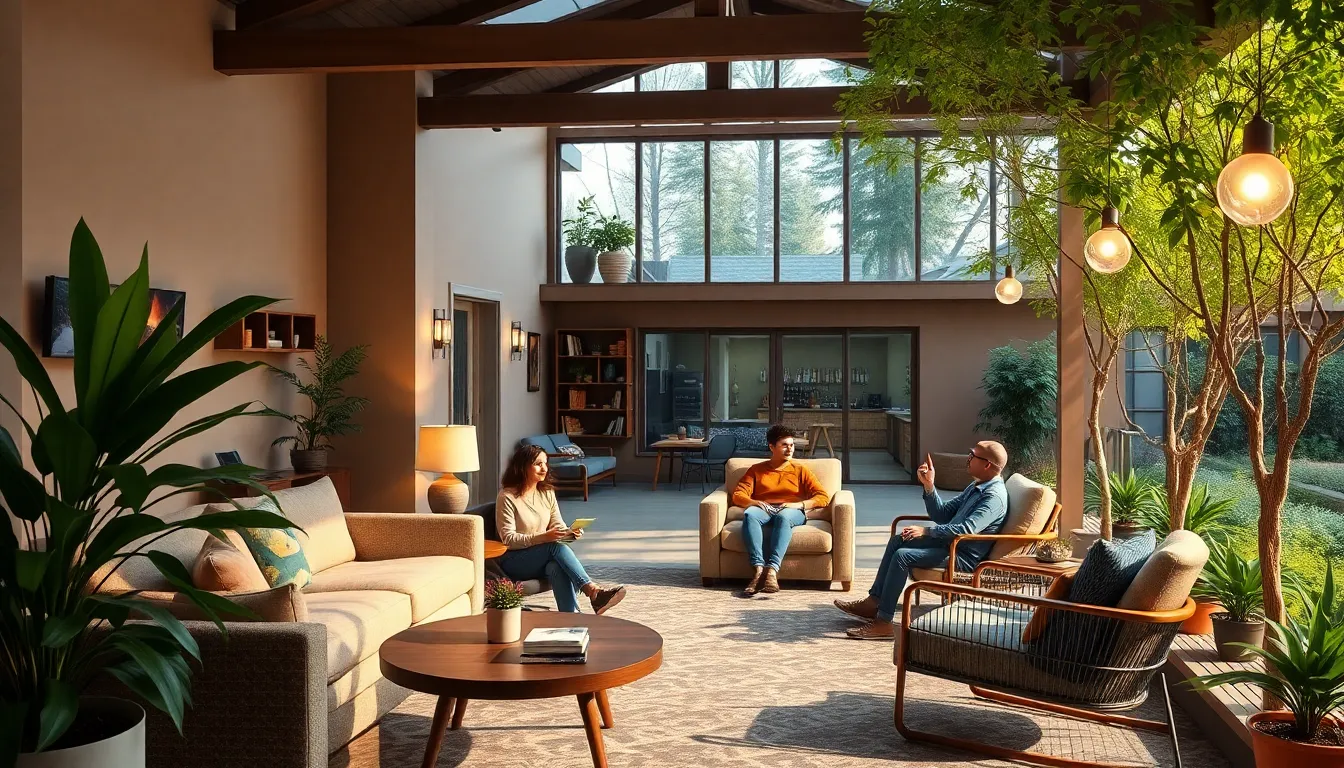
Residential rehabilitation provides long-term therapeutic care designed to help you rebuild your life after completing initial stabilization and generally before outpatient treatment. This comprehensive approach focuses on rehabilitation and reintegration into daily life through extended stays that typically last several weeks to months.
In Indiana, many residential behavioral health facilities also operate as crisis or respite care centers, offering short-term, 24-hour support in a structured setting. This dual-purpose approach helps bridge the gap between emergency care and long-term recovery, particularly in areas with limited psychiatric inpatient beds.
Home-like environment and community living
Residential treatment centers create comfortable accommodations that feel more like supportive communities than clinical hospital settings. You live in shared spaces with other individuals in recovery, fostering meaningful peer connections and social interactions that become crucial elements of your healing process. This home-like atmosphere includes common areas for socializing, private or semi-private bedrooms, and recreational spaces that encourage a sense of normalcy during treatment.
The community living aspect distinguishes residential treatment programs from inpatient care by emphasizing peer support networks and collaborative recovery experiences. While in residential rehab, you participate in daily life activities alongside fellow residents, building relationships that often extend beyond your treatment stay. These connections provide accountability, encouragement, and shared understanding that clinical staff alone cannot offer.
Structured programming and daily routine
Residential rehab programs carry out comprehensive daily schedules that include various therapeutic activities, educational sessions, and life changing skills training designed to prepare you for independent living during outpatient care. Your typical day includes individual therapy sessions, group therapy, recreational activities, and practical workshops covering topics like financial management, job searching, and healthy relationship building.
The structured routine helps you develop consistent habits and coping mechanisms while gradually increasing your autonomy and decision-making responsibilities. Unlike the intensive medical focus of inpatient treatment, residential programming emphasizes behavioral changes, relapse prevention strategies, and life-long recovery skills through a balanced mix of clinical interventions and experiential learning opportunities.
You engage in specialized therapies such as cognitive behavioral therapy, family therapy sessions, and holistic approaches like yoga or art therapy, all tailored to your specific treatment plan and recovery goals. This comprehensive approach addresses underlying issues contributing to your mental health conditions or substance use challenges while building practical skills for sustained recovery.
Key differences between inpatient and residential treatment
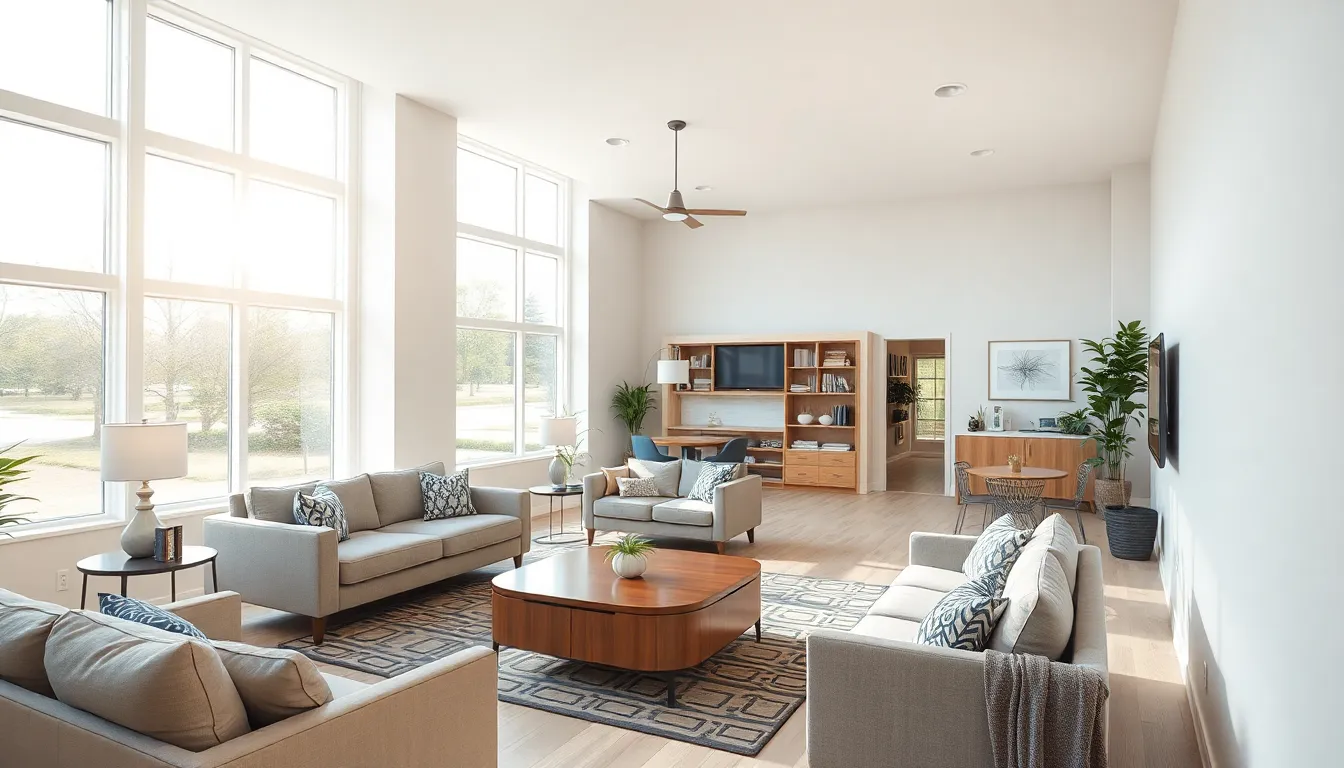
Understanding the key differences between inpatient and residential rehab helps you make informed decisions about where to receive treatment. Each approach serves different needs during your recovery journey. The ASAM Levels of Care framework is often used by clinicians to determine the appropriate treatment setting based on medical necessity, support needs, and risk factors.
Treatment setting and atmosphere
Inpatient treatment occurs in hospital-based facilities with clinical environments that prioritize medical safety and monitoring. These settings for addiction and mental health treatment maintain sterile medical atmospheres similar to intensive care units with structured schedules focused on acute stabilization. You’ll experience constant supervision in environments designed for crisis management rather than comfort.
Residential treatment facilities create home-like therapeutic communities that emphasize comfort and healing. These settings feature comfortable living spaces that resemble dormitories or group homes with common areas for social interaction. You’ll find environments designed to foster peer connections and normalize daily living while maintaining therapeutic structure.
The atmospheric differences significantly impact your treatment experience. Inpatient facilities maintain clinical protocols with restricted movement and limited personal belongings. Residential programs encourage community participation with recreational activities like yoga studios, art therapy rooms, and outdoor spaces that support holistic healing approaches.
Level of medical supervision
Inpatient care provides intensive 24/7 medical supervision with psychiatrists and nurses monitoring patients continuously. You generally meet with a psychiatrist weekly and receive constant medical oversight with frequent vital sign checks, medication management, and immediate intervention capabilities for medical emergencies. These programs handle severe conditions including suicidal thoughts/ideation, psychotic episodes, and dangerous withdrawal symptoms requiring immediate medical response.
Residential treatment offers 24-hour support with less intensive medical monitoring compared to inpatient settings. You receive nursing support throughout the day with medical staff available for routine care and medication administration. The focus shifts from acute medical stabilization to ongoing therapeutic support and rehabilitation services for addiction and mental health disorders.
Medical supervision intensity directly correlates with treatment purposes. Inpatient programs concentrate on medical stabilization with frequent doctor consultations and laboratory monitoring. Residential facilities emphasize therapeutic progress with weekly medical check-ins and case management focused on long-term recovery planning.
Duration and program structure
Inpatient treatment spans short timeframes typically lasting 3 to 30 days depending on crisis severity and stabilization needs. You experience intensive daily programming with multiple therapy sessions, medication adjustments, and medical evaluations concentrated into compressed timeframes. These programs prioritize rapid stabilization before transitioning to lower levels of care.
Residential treatment extends over longer periods ranging from one to three months or more based on individual progress and treatment goals. You participate in comprehensive rehabilitation programs that include individual therapy, group sessions, life skills training, and gradual reintegration preparation. The extended duration allows for deeper behavioral changes and sustained recovery skill development.
Program structures reflect different treatment objectives. Inpatient programs maintain rigid schedules with frequent medical interventions and crisis management protocols. Residential programs offer structured routines balanced with personal time, community activities, and progressive independence building that prepares you for successful community reintegration.
Which treatment option is right for you?
Selecting between inpatient vs residential treatment depends on your specific circumstances, medical needs, and recovery goals. Understanding the key factors and seeking professional guidance ensures you receive the most appropriate level of care for your situation.
- Severity of your condition. Determines the appropriate treatment intensity. Inpatient treatment becomes necessary when you experience life-threatening withdrawal symptoms, acute psychiatric episodes, or severe mental health crises requiring immediate medical intervention. Residential treatment suits individuals who’ve achieved initial stabilization but need extended therapeutic support for sustained recovery.
- Medical supervision requirements. Vary significantly between these options. You’ll receive 24/7 medical monitoring in inpatient facilities if you have complex medical conditions, require medication adjustments, or face potential complications during drug and alcohol detox at a detox center Indiana. Residential programs provide limited medical oversight, making them appropriate when you’re medically stable but benefit from ongoing therapeutic intervention.
- Duration of treatment commitment. Reflects your recovery timeline needs. Inpatient programs typically last 3 to 30 days, focusing on crisis stabilization and immediate symptom management. Residential treatment extends from several weeks to 6 months or longer, allowing you to develop comprehensive coping strategies and relapse prevention skills through extended therapeutic engagement.
- Environment preferences. Impact your treatment experience and outcomes. Hospital-like inpatient rehab settings prioritize medical safety and clinical protocols, which suits you if immediate medical attention takes precedence. Residential facilities offer home-like atmospheres in a structured environment that foster peer connections and community support, benefiting individuals who thrive in collaborative recovery environments.
- Treatment goals and objectives. Guide your decision between crisis intervention and long-term rehabilitation. Choose inpatient treatment when you need immediate stabilization, medical detoxification, or acute symptom management. Opt for residential care when your goals include behavioral modification, life skills development, and building sustainable recovery foundations through comprehensive therapeutic programming.
Assessment and professional guidance
- Clinical assessment process. Involves comprehensive evaluation by healthcare professionals who examine your medical history, current symptoms, support systems, and personal recovery objectives. Mental health professionals use standardized assessment tools to determine your appropriate level of care, considering factors like addiction severity, psychiatric conditions, and social circumstances that influence treatment success.
- Professional recommendations. Emerge from thorough clinical evaluation rather than personal preference alone. Healthcare providers assess your risk factors, including withdrawal severity, co-occurring disorders, and previous treatment experiences to recommend inpatient treatment for acute needs or residential care for long-term recovery support.
- Insurance considerations. Affect your treatment options and duration. Most insurance plans cover medically necessary inpatient treatment when you meet specific criteria for acute care. Residential treatment coverage varies by provider and policy, requiring pre-authorization and demonstrable medical necessity for extended stays.
- Family and support system involvement. Influences treatment selection and success rates. Healthcare professionals evaluate your existing support networks, family dynamics, and social environment to determine whether residential treatment’s community-focused approach or inpatient care’s intensive medical supervision better serves your recovery needs.
- Transition planning. Between treatment levels ensures continuity of care. You might begin with inpatient stabilization before transitioning to residential treatment for extended rehabilitation, or move from residential care to outpatient programs as you progress in recovery. Professional guidance coordinates these transitions to maintain therapeutic momentum and prevent treatment gaps.
Other levels of care to consider for continuing care
Beyond the inpatient vs residential treatment comparison, you have access to additional levels of care that can support your recovery journey. These alternatives provide varying degrees of intensity and structure, allowing you to receive appropriate addiction and mental health treatment based on your specific needs and circumstances. Medicaid’s ASAM resource guide explains how the ASAM framework supports effective care planning for substance use disorders.
Partial hospitalization programs (PHP)
Partial hospitalization programs, also known as day treatment, offer intensive daily treatment while allowing you to return home each evening. You’ll participate in therapeutic activities for 6-8 hours per day, 5-7 days per week, receiving comprehensive care that includes individual therapy, group sessions, and medication management. This level of care bridges the gap between inpatient treatment and outpatient services, providing structured support during critical transition periods.
Intensive outpatient programs (IOP)
Intensive outpatient programs provide structured treatment for 3-4 hours per day, typically 3-5 days per week. You’ll maintain your daily responsibilities while attending therapy sessions, educational groups, and skill-building activities. IOP serves as an effective step-down from residential treatment or as primary care for individuals who don’t require 24-hour supervision.
Standard outpatient treatment
Standard outpatient treatment involves regular appointments with therapists, psychiatrists, or counselors on a weekly or bi-weekly basis. You’ll receive individualized therapy sessions, medication management when necessary, and ongoing support while living independently. This level of care works well for individuals with established coping skills and strong support systems.
Sober living homes
Sober living facilities provide structured, substance-free housing environments for individuals transitioning from residential or inpatient treatment. You’ll live with peers in recovery, follow house rules, and participate in regular meetings while gradually reintegrating into community life. These homes offer accountability and peer support without the intensive medical supervision of residential facilities.
Crisis stabilization units
Crisis stabilization units provide short-term intervention for acute mental health episodes lasting 24-72 hours. You’ll receive immediate assessment, stabilization services, and discharge planning in a secure environment. These units serve as alternatives to emergency room visits and help determine appropriate long-term treatment placement.
Determining your appropriate level of care
Your treatment team evaluates multiple factors when recommending care levels, including symptom severity, medical stability, social support, and previous treatment history. The American Society of Addiction Medicine’s criteria help clinicians assess your needs across six dimensions: acute intoxication, withdrawal potential, biomedical conditions, emotional complications, treatment acceptance, and recovery environment.
Understanding these various levels of care helps you make informed decisions about your treatment path and ensures you receive appropriate support throughout your recovery journey.

