

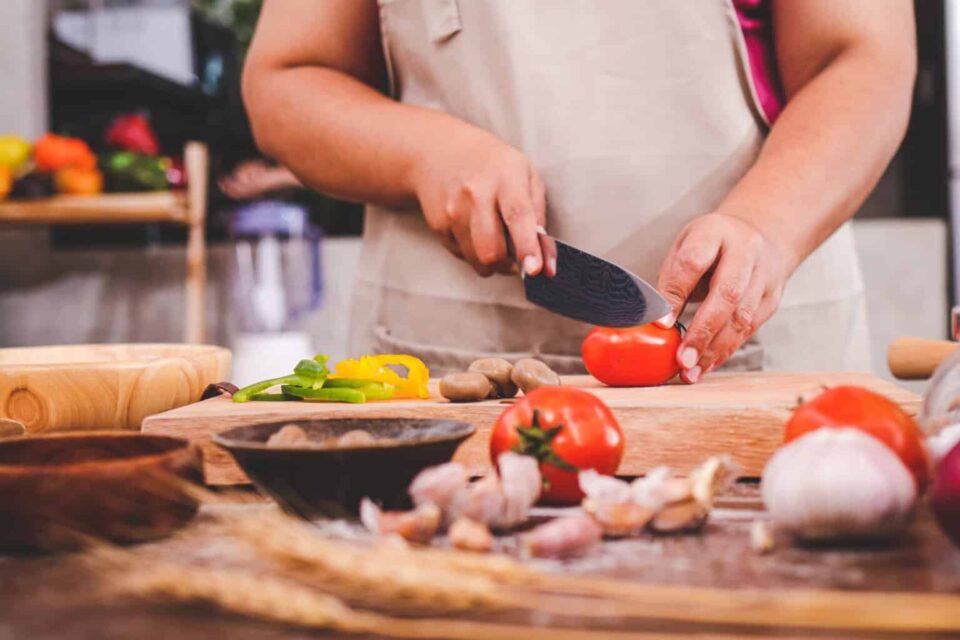
When you’re in addiction recovery, you’re not just healing from a substance use disorder, you’re rebuilding your life from the ground up. It’s a journey of rediscovering who you are and finding new, healthy ways to care for yourself. One of the most powerful and practical tools on this path can be found right in your own kitchen. The simple act of cooking offers profound benefits that nourish your body, calm your mind, and reconnect you with the world around you. It’s more than just making food; it’s an act of self-care that supports every part of your recovery.
It’s good for your physical health
A substance use disorder can take a significant toll on your physical health, often depleting your body of essential vitamins and minerals. Long-term use of drugs or alcohol can interfere with how your body absorbs nutrients, leading to deficiencies that affect everything from your energy levels to your mood. This is why proper nutrition is a cornerstone of healing.
When you start cooking for recovery, you take back control. Preparing your own meals allows you to choose fresh, whole ingredients and avoid the excessive sugar, unhealthy fats, and processed additives often found in takeout or convenience foods. A balanced diet is crucial for repairing physical damage, stabilizing your mood, and restoring your energy. As your body heals from the inside out, you’ll start to feel stronger and more resilient, which is a vital part of managing withdrawal symptoms and building a foundation for lasting sobriety. According to the National Institute on Drug Abuse, addressing the health issues connected to addiction is a critical part of the recovery process.
Big boost for your mental health
Cooking can be a powerful form of mindfulness, a practice that grounds you in the present moment. The simple, focused tasks of chopping vegetables, stirring a sauce, or measuring ingredients can help quiet anxious thoughts and create a sense of calm. This structured activity serves as a healthy coping skill, offering a constructive outlet for stress or boredom, which are common triggers for relapse. Each recipe you complete provides a tangible sense of accomplishment, helping to rebuild the self-esteem that addiction often erodes.
This process is a form of behavioral activation, a therapeutic approach where engaging in positive activities helps improve your mood and reduce symptoms of depression. The focus and patience you develop in the kitchen are skills that support other therapeutic work, reinforcing the benefits of your recovery journey. Exploring mindfulness and addiction recovery can open up new avenues for healing and self-care.
Makes a great brain workout
Beyond its benefits for your body and mood, cooking is also an excellent workout for your brain. Chronic substance use can impact cognitive function, but engaging in activities that challenge your mind can help rebuild those skills. Cooking requires planning your meals, making a grocery list, and problem-solving when you need to substitute an ingredient. Following a recipe strengthens your memory and attention to detail.
As you get more comfortable, you might find yourself multitasking, managing different steps at once. This mental engagement can help clear the “brain fog” that many people experience in early addiction recovery. Furthermore, the food you cook plays a direct role in your brain health. Foods rich in omega-3 fatty acids, antioxidants, and vitamins support cognitive function, helping you feel sharper and more focused.
Easy to stay in social connection
Addiction often thrives in isolation, pushing you away from the people who care about you. Cooking can be a wonderful bridge to reconnection. Preparing a meal for family or cooking with friends creates a positive, sober activity to share. It’s a natural way to foster conversation and bond, helping you rebuild trust and strengthen your relationships.
Sharing food is a universal act of community and care. It allows you to nurture others while also nurturing yourself. Building this strong support network is essential for long-term recovery, providing you with fellowship and encouragement along the way. These informal gatherings can complement the connections you make in more structured settings, like community support groups, creating a well-rounded system of support.
Practical tips for getting started
Getting started in the kitchen doesn’t have to be overwhelming. The key is to start small and find what works for you. If you’re feeling low on energy or motivation, remember that even the simplest meal can be a step in the right direction. Here are a few tips to help you begin.
Establishing a cooking routine
- Start by committing to one or two simple, home-cooked meals a week. You can gradually increase from there as you feel more comfortable.
- Try meal prepping on a day you have more energy. You can wash and chop vegetables, cook grains, or portion out ingredients in advance to make daily cooking faster.
- Find a few easy, go-to recipes that you enjoy. Having a small collection of trusted meals can build your confidence and reduce decision fatigue. Building a new routine is about living one day at a time and making small, sustainable changes.
Staying motivated
- Make the process enjoyable. Put on your favorite music, listen to a podcast, or open a window to let in some fresh air while you cook.
- Ask a friend or family member to cook with you. This can provide accountability and turn a chore into a fun, social activity.
- Pay attention to how you feel after eating a healthy, home-cooked meal. Focusing on the positive feelings of energy and well-being can be a powerful motivator to keep going.
Take the next steps in your recovery journey
Embracing cooking is a wonderful way to support your recovery journey. It nourishes your body, calms your mind, sharpens your brain, and helps you reconnect with others. It’s a practical, creative, and empowering tool for rebuilding a healthy and fulfilling life.
Cooking is a beautiful act of self-care, and it’s just one of many healthy habits that can transform your life in recovery. At Red Ribbon Recovery Indiana, we believe in a holistic approach that nurtures your whole being. Taking that next step in your sobriety journey can feel overwhelming, but you don’t have to do it alone. Contact us today to learn more about how we can support you.
Sources
- National Institute on Drug Abuse (NIDA). (07-06-2020). Addiction and Health | National Institute on Drug Abuse – NIDA. National Institute on Drug Abuse.
- Substance Abuse and Mental Health Services Administration (SAMHSA). (09-24-2025). Home | SAMHSA – Substance Abuse and Mental Health Services …. SAMHSA.
- U.S. National Library of Medicine. (09-25-2020). Nutritional status and eating habits of people who use drugs and/or …. PubMed Central.
- University of North Carolina at Chapel Hill. (08-23-2024). [PDF] Nutritional Considerations and Substance Use Disorders. UNC Behavioral Healthcare Integration.
- Harvard Health Publishing. (09-18-2022). Nutritional psychiatry: Your brain on food – Harvard Health. Harvard Health.
- Greater Good Science Center. (04-09-2025). Three Ways Cooking Is Good for Your Well-Being. UC Berkeley.
- U.S. National Library of Medicine. (04-12-2021). Well-Being and Cooking Behavior: Using the Positive Emotion …. PubMed Central.
- U.S. National Library of Medicine. (01-01-2008). The Influence of Diet and Physical Activity on Brain Repair and …. PubMed Central.
- U.S. National Library of Medicine. (03-09-2019). How Social Relationships Influence Substance Use Disorder …. PubMed Central.
- U.S. National Library of Medicine. (02-28-2023). The Importance of Social Support in Recovery Populations. PubMed Central.
- U.S. National Library of Medicine. (02-11-2023). Habits and Routines of Adults in Early Recovery From Substance …. PubMed Central.
- Substance Abuse and Mental Health Services Administration (SAMHSA). (No date). [PDF] Client’s Handbook: Matrix Intensive Outpatient Treatment for People …. SAMHSA.
- University of California San Diego Health. (06-03-2025). Substance Use Disorder Care – UC San Diego Health. UC San Diego Health.

