

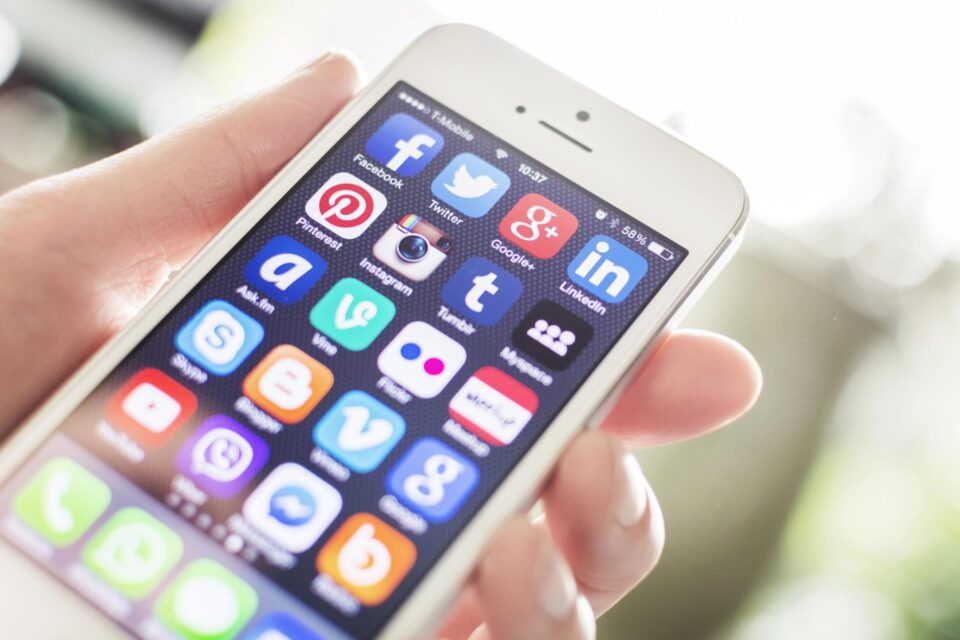
Social media recovery communities are online groups where people in recovery share their stories, trade encouragement, and stay connected around the clock. For someone who feels isolated in sobriety, finding a post that mirrors your own experience can break through that loneliness in seconds. These spaces have become powerful hubs of peer support, but they carry real risks alongside their benefits, from misinformation to triggering content. Used well, they strengthen your recovery; used carelessly, they can pull you off course. Knowing how to choose and use them safely is what makes the difference.
Social media communities in recovery
At their core, social media recovery communities are online groups where people connect to share their experiences, challenges, and triumphs in overcoming addiction. Recovery can be an isolating journey, and these digital spaces offer 24/7 access to a network of peers who simply get it. You do not have to explain the jargon, the feelings, or the daily battles, because you are surrounded by people walking a similar path. They can also point members toward professional addiction treatment when peer support alone is not enough.
While these groups exist across platforms like Reddit and Instagram, they are most prevalent on Facebook. One study found that the majority of these online communities were hosted on Facebook, with a smaller portion on other networks. This is where people turn for immediate, accessible peer support right from their phones. These communities serve different needs for different people, and understanding their purpose is the first step in finding the right one for you.
Community purpose
Not all social media recovery communities are created equal. They often have distinct purposes that cater to different aspects of the recovery journey. Understanding these categories can help you find a space that aligns with what you need most right now.
- Support-based communities. These are the most common type of group you will find. Their primary goal is to provide a safe space for members to share personal experiences, ask for advice, and offer mutual encouragement. It is all about connection and shared understanding.
- Awareness and resource communities. These groups focus on sharing information. You will find posts about addiction science, links to professional treatment options, articles on mental health, and news about recovery-related events. They act as a library of resources to educate and empower members.
- Motivation-oriented groups. These communities are built around inspiration. Members share success stories, celebrate sobriety milestones, and post motivational quotes. The goal is to uplift and remind everyone that long-term recovery is possible.
- Other communities. You might also come across smaller, more niche groups focused on things like fundraising for recovery causes or advertising products that support a sober lifestyle.
Community role in information support
One of the biggest benefits of joining an online recovery community is the powerful sense of belonging it provides. Addiction often thrives in isolation, but these groups break down those walls, connecting you with people who understand your struggles firsthand. Research shows that many people turn to the internet for health-related support; in fact, one study found that about 30% of U.S. internet users have participated in some form of online health group. These spaces offer more than just camaraderie, because they are a vital source of information and support.
Hearing personal stories from others can be incredibly motivating. When someone shares how they navigated a tough craving or celebrated a year of sobriety, it inspires hope and reinforces your own commitment to recovery. It shows you that you are not alone and that a different future is possible. For many, realizing that addiction is nothing to be ashamed of is the first step toward healing, a step often taken within the safety of a supportive peer community. These peer-to-peer interactions, as highlighted in a systematic review of health-related virtual communities, can have a tangible, positive impact on health outcomes.
Joining a popular social media recovery community
Imagine it is 10 p.m. on a Tuesday. A sudden, intense craving hits you, and your usual support person is not available. You feel that familiar wave of panic and isolation starting to creep in. So you open your phone and navigate to a private Facebook recovery group and type out a quick post: “Having a really tough night and fighting some major cravings. Just need some encouragement.” Within minutes, the notifications start rolling in.
Not just likes, but comments from people all over the country, even the world. Someone from Ohio shares a breathing technique that helps them. A user from California reminds you how far you have come. Another person simply says, “I have been there. You can get through this. We are here with you.” That immediate flood of support can be the difference between a moment of weakness and another day of sobriety. This is the lived experience inside many online recovery communities.
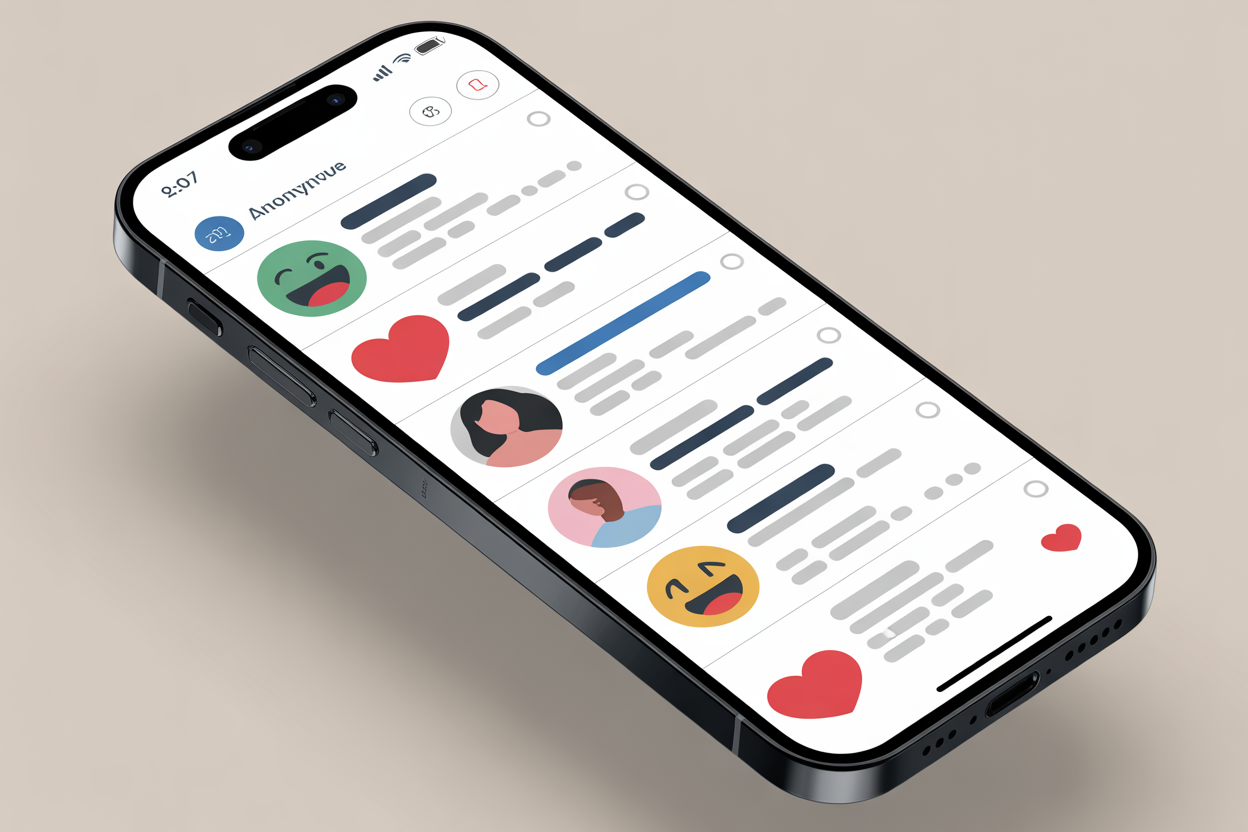
The content shared is as diverse as its members. On any given day, you might see a user from Instagram celebrating “90 days clean” with a photo of their new sobriety coin, drawing hundreds of congratulatory comments. You could find a heartfelt post from someone struggling with the emotional toll of early recovery, looking for advice on mending relationships. Success stories are a cornerstone, with members sharing updates about new jobs, rekindled family connections, or simply the joy of waking up without a hangover.
These posts are not just about individual triumphs; they serve as powerful reminders to the entire community of what is possible. The interactive nature of these platforms, the likes, the shares, and the direct messages, creates a dynamic, real-time support system. It transforms recovery from a solitary struggle into a shared journey, where every small victory is celebrated, and every challenge is met with collective strength. This dynamic is especially helpful for family members trying to understand how best to offer support, as they can learn from the shared experiences of others who have navigated the question of what to do when a loved one is addicted.
Discernment when joining a social media recovery community
While online communities can be a beacon of hope, it is crucial to navigate them with a healthy dose of discernment. Not all groups are created equal, and some can unintentionally do more harm than good. The very openness that makes them accessible also leaves them vulnerable to risks like medical misinformation and unqualified advice. Someone might share a “miracle cure” or a tapering schedule that is not medically sound, which could be dangerous to follow.
Another significant risk is exposure to triggers. A post describing past substance use in graphic detail, even with good intentions, could spark cravings for someone in a vulnerable state. Repeated exposure to certain online content can begin to normalize it, which can be detrimental in a recovery context.
Privacy is another major concern. In poorly moderated groups, personal stories could be shared outside the community, or members could be targeted by predatory behavior. That is why it is so important to carefully vet any community before you invest yourself in it. True recovery is a clinical process, and it helps to understand how professional rehab works as a foundation for your journey.
These criteria can help you choose a safe and supportive online space:
- Check for clear rules and guidelines. A well-run group will have posted rules about respectful communication, confidentiality, and what content is or is not allowed. Look for policies that prohibit glorifying past use, sharing dangerous advice, and harassment.
- Look for active moderation. Are there admins or moderators who enforce the rules? A group with active moderation is more likely to be a safe space where harmful content is removed quickly.
- Ensure the focus is on recovery. The tone of the community should be positive and forward-looking. If the conversations seem to dwell on past substance use rather than on solutions and growth, it might not be the healthiest environment for you.
- Prioritize respect for professional medical advice. A good community will encourage its members to consult with doctors and therapists. Be wary of any group that promotes abandoning professional treatment in favor of peer advice alone.
Your recovery is too important to leave to chance. While peer support is valuable, it should always complement, not replace, professional guidance. If you are looking for a safe and reliable place to start, reach out about telehealth treatment with one of our experienced professionals.
Social media and mental health in recovery
The same platforms that host recovery communities can also work against your progress, so it helps to understand the broader relationship between social media and mental health. Constant scrolling, comparison, and the pull of notifications shape mood and self-image in ways that matter for anyone rebuilding their life in sobriety. Researchers who study social media mental health outcomes have found that how you use these platforms matters as much as how often.
How does social media affect mental health?
How does social media affect mental health? Studies consistently link heavy, passive use to higher rates of anxiety, depression, and loneliness, the very feelings that can fuel a return to substance use. The design of these platforms rewards constant checking, and that loop can crowd out sleep, in-person connection, and the daily routines that keep recovery stable. Understanding this link between social media and mental health lets you set boundaries that protect your progress. Passive scrolling tends to hurt, while intentional, purpose-driven use, like checking in with a recovery group, tends to help.
How does social media affect teenagers’ mental health?
How does social media affect teenagers’ mental health? Adolescents are especially vulnerable, since their brains are still developing and their sense of identity is closely tied to peer feedback. Research has connected heavy use among teens to rising anxiety, disrupted sleep, body-image concerns, and depressive symptoms. For young people in recovery, these pressures can stack on top of the challenge of staying sober, which makes mindful use and trusted adult support even more important.
Recognizing social media addiction
Social media addiction describes compulsive use that continues despite negative consequences, and it shares features with other behavioral addictions. Warning signs include losing track of time online, feeling anxious when you cannot check your feed, and neglecting responsibilities or relationships. For someone recovering from a substance use disorder, trading one compulsive behavior for another can undermine the deeper work of healing. If your use of recovery communities starts to feel compulsive rather than supportive, that is a signal to step back and lean on professional care.
Integrating offline strategies into your treatment plan
Online communities can be a powerful part of your support network, but it is essential to see them as a supplement, not a substitute, for professional, evidence-based care. Think of it like building a house. Peer support can be the scaffolding that holds you up on tough days, but the foundation needs to be built with the sturdy materials of clinical therapy and medical oversight. Lasting recovery depends on addressing the deep-rooted causes of addiction, which is something online forums are not equipped to do.
Structured programs like standard outpatient care provide the clinical assessment and therapeutic interventions necessary for true healing. For many, addiction co-occurs with mental health conditions like anxiety or depression. In these cases, dual diagnosis treatment is crucial. It ensures that both the substance use disorder and the underlying mental health condition are treated simultaneously by qualified professionals, giving you the best chance at long-term stability.

At Red Ribbon Recovery Indiana, we understand that recovery is not one-size-fits-all. Our philosophy is rooted in creating a comprehensive treatment plan that honors your unique journey. We believe in integrating professional care seamlessly into your life, which is why we offer telehealth services. Through our virtual platform, we provide accessible, expert care that can complement your broader support network, including any online communities you find helpful.
This hybrid approach lets you benefit from the round-the-clock connection of peer groups while receiving the evidence-based therapy you need from our compassionate team. Whether you are in Indianapolis, Fort Wayne, or anywhere else in the state, our telehealth options make it possible to get high-quality treatment without disrupting your life. Building a solid recovery plan involves understanding all your options, including knowing how long rehab might take to create a sustainable path forward.
Building a life in recovery is a journey of courage, and you do not have to walk it alone. While social media recovery communities can offer powerful connection, the strongest foundation for sobriety is built with professional, evidence-based care. Combining the strength of peer support with expert clinical guidance gives you the best chance at lasting success. If you are ready to create a comprehensive treatment plan that truly supports you, our compassionate team at Red Ribbon Recovery Indiana is here to help. Call us today at (317) 707-9848 to learn more about our programs and find the right support groups for you, and take that next step whenever you choose to contact us.
Sources
- Athamneh, L. N., Stein, J. S., Epstein, L. H., & Bickel, W. K. (2020). An interdisciplinary approach to understanding the psychological and neurobiological mechanisms of grammaticalization of the future. Neuroscience & Biobehavioral Reviews, 114, 104552.
- Centers for Disease Control and Prevention. (2022, February 5). Peer recovery support services across the continuum.
- Eysenbach, G., Powell, J., Englesakis, M., Rizo, C., & Stern, A. (2004, May). Health-related virtual communities and electronic support groups: Systematic review of the effects of online peer-to-peer interactions on health care outcomes. Studies in Health Technology and Informatics, 108(Pt. 2), 833–837.
- Laudet, A. B., Savage, R., & Mahmud, A. (2004, September 1). Pathways to long-term recovery: A preliminary investigation. Journal of Psychoactive Drugs, 36(3), 305–317.
- Substance Abuse and Mental Health Services Administration. (2017). Peers supporting recovery from substance use disorders.
- Substance Abuse and Mental Health Services Administration. (2024, November 5). Share your recovery support story.
- Substance Abuse and Mental Health Services Administration. (2025, August 12). Social media guidelines.
- White, W. L., Kelly, J. F., & Roth, J. D. (2016, September 29). Benefits of peer support groups in the treatment of addiction. Substance Abuse and Rehabilitation, 7, 143–158.

