

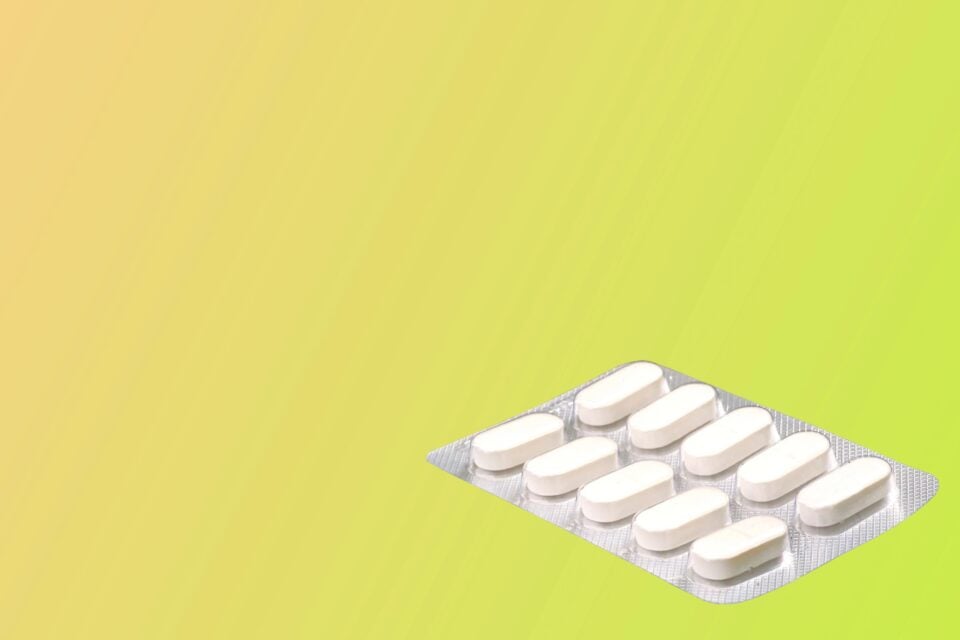
A white oblong pill stamped with M365 is one of the most common prescription painkillers people try to identify at home, and finding one you cannot account for is unsettling. The M365 pill contains hydrocodone and acetaminophen, a combination that relieves pain but also carries a real risk of dependence, overdose, and liver damage. Knowing what the pill is, how it is used, and where its dangers come from puts you in a far better position to protect yourself and the people around you.
What is the M365 white oblong pill?
The M365 white long pill is a widely used generic prescription painkiller. Pharmacists confirm it with a pill identifier, and any reliable pill finder for M365 will return the same result. This white oblong pill contains a specific combination of two distinct medications, and the M365 pill identifier code is stamped clearly on one side.
The imprint is easy to misread. People sometimes search for an m265 pill, an m356 pill, or write it as m 365, but the correct stamp is M365. The tablet is white and oblong rather than round, so a search for a white oval pill m365 or a white oval pill with m365 points to the same medication. Whether you see it described as an M365 oval pill, an M365 tablet, or an M365 white tablet, the contents do not change.
If you are trying to confirm a loose tablet, use a trusted pill identifier or pill finder rather than guessing from memory. Match the imprint (M365), the color (white), the shape (oblong, sometimes described as oval or capsule-shaped), and the score line on the reverse. A genuine M365 tablet always has the same imprint and formulation. If a pill looks similar but the markings differ, do not assume it is the same medication, because counterfeit and mislabeled pills are a serious and growing risk.
This medication is classified as a Schedule II controlled substance by federal authorities. The Drug Enforcement Administration moved it to this strict category because of its high potential for severe dependence. You can read the exact details in the DEA final rule on rescheduling hydrocodone combination products. A Schedule II status means the drug carries serious risks of physical and psychological dependence.
The M365 pill is never legally available over the counter. Doctors prescribe it only when non-opioid options do not control pain well enough. Because hydrocodone is an opioid, misuse can escalate quickly, and understanding the risks of opioid addiction helps you recognize a problem early. Storing the medication securely keeps your family safe from accidental ingestion or intentional misuse.
M365 pill composition and ingredients
The M365 pill contains two active ingredients that work together. It combines 5 mg of hydrocodone bitartrate with 325 mg of acetaminophen. Hydrocodone in M365 is a powerful opioid that changes how your brain and central nervous system respond to pain signals. Acetaminophen is a non-opioid pain reliever that enhances the overall effect.
Together, these ingredients reduce moderate to severe pain, but the combination also raises certain health risks. Because it contains a narcotic opioid, m365 hydrocodone requires strict, ongoing medical supervision. Even a small m365 mg dose changes how your brain processes reward and pain, which is part of why dependence can develop. People sometimes look for an M365 white pill 10mg, but the M365 imprint contains 5 mg of hydrocodone, not 10 mg, so any dosing assumption based on a higher strength is inaccurate and unsafe.
Hydrocodone works by binding to opioid receptors in the brain, spinal cord, and gut, which blunts the perception of pain and can produce a sense of calm or mild euphoria. That euphoric effect is part of what makes opioids like the M365 pill habit-forming, because the brain begins to associate the drug with relief and reward. Over time, the same dose produces less effect, a process called tolerance, and people may feel pressure to take more. Understanding this cycle explains why a medication that is genuinely useful for short-term pain can become dangerous when it is used longer or more heavily than prescribed.
Safe storage and disposal matter as much as safe dosing. Keep the M365 pill in its labeled container, out of reach of children, teens, and anyone it was not prescribed for, and never share it. When you no longer need it, dispose of leftover tablets through a pharmacy take-back program or an approved drug disposal site rather than leaving them in a cabinet where they can be misused.
Common uses and potential side effects of M365 pills
Doctors prescribe the M365 white tablet primarily for moderate to moderately severe pain. This usually includes post-surgical recovery, major dental procedures, or acute pain from a traumatic injury. It is a short-term solution and is not intended for long-term chronic pain management. Because the pill contains powerful active ingredients, you should understand the side effects before you take it.
People often ask how the acetaminophen in this medication compares to standard over-the-counter painkillers. The acetaminophen component is the same medication found in common store brands. Here, though, it is formulated alongside a potent opioid. That combination makes the overall side effects stronger and the medical risks higher.
The side effects below are worth monitoring closely:
- Mild side effects. You might experience frequent dizziness, sudden lightheadedness, or persistent daytime drowsiness.
- Digestive issues. Upset stomach, nausea, vomiting, and severe constipation are very common during treatment.
- Liver damage. Taking too much acetaminophen over time can cause severe, irreversible liver injury or failure.
- Respiratory depression. The hydrocodone component can cause dangerously slow or shallow breathing, especially while you sleep.
If you notice any severe side effects, seek medical help right away. Pain relief should never come at the cost of your safety.
The acetaminophen in the M365 pill also sets an important daily ceiling. Adults should not exceed 4,000 mg of acetaminophen in 24 hours from all sources combined, and many clinicians recommend staying well below that. Because acetaminophen is hidden in many combination products, it is easy to double up without realizing it, and doing so can cause serious liver injury. Track every product you take that contains acetaminophen, and never add extra over-the-counter acetaminophen on top of your M365 dose without medical guidance.
Interactions with alcohol and other substances
Mixing the M365 pill with alcohol or other unauthorized drugs is dangerous. Avoid alcohol, benzodiazepines, and other central nervous system depressants entirely while taking it. These substances all slow down your central nervous system.
Combined, they create a compounding effect that can lead to dangerous, potentially fatal breathing suppression. Your breathing can slow so dramatically that it stops without warning, which sharply raises the risk of a fatal overdose. Always tell your prescribing doctor about every medication and supplement you take. Combining multiple controlled substances is one of the fastest paths to drug addiction and overdose.
Possibility of addiction and M365 overdose
Opioid dependence can develop quickly, even when you follow a doctor’s prescription exactly. Research shows that taking M365 pills daily for just a few weeks can trigger physical adaptations in the brain. Physical dependence means your body has adjusted to the presence of the drug.
If you stop suddenly, withdrawal symptoms follow, often including muscle aches, sweating, nausea, and severe anxiety. To prevent that shock to your system, clinicians usually recommend a gradual tapering schedule.
Signs of opioid addiction
Dependence is not the same as opiate addiction, though it is an important warning sign. Addiction involves losing control over your medication use despite negative consequences. You might take larger doses than prescribed to get the same relief.
You might crave the medication or spend a great deal of time thinking about the next dose. Not everyone who takes opioids becomes addicted, but the risk is always present, so recognizing these behavioral changes early matters.
Certain factors raise the risk of developing a problem, including a personal or family history of substance use, untreated mental health conditions, higher doses, and using the medication for longer than a few weeks. None of these guarantee addiction, and having risk factors is not a reason for shame. They simply mean you should use extra caution and communicate more closely with your prescriber.
What opioid withdrawal feels like
Withdrawal from hydrocodone usually begins within eight to twenty-four hours of the last dose and peaks over the following few days. Early symptoms include anxiety, restlessness, sweating, and muscle aches, followed by nausea, stomach cramps, and trouble sleeping. Although opioid withdrawal is rarely life-threatening on its own, it is intensely uncomfortable and drives many people back to use. Medical support makes the process safer and far more manageable, which is why tapering or supervised detox is recommended rather than quitting abruptly.
M365 overdose warning signs
An overdose is a life-threatening emergency. The clearest warning sign of an M365 overdose is extremely slow or shallow breathing. The person may have bluish lips, fingernails, or skin from a lack of oxygen.
They might be unresponsive or making deep choking sounds. If you see any of these signs, call emergency services immediately and give naloxone if it is available.
Counterfeit pills pressed to look like legitimate hydrocodone tablets add another layer of danger, because some contain illicit fentanyl and carry a far higher overdose risk. If you did not receive a pill directly from a pharmacy, you cannot be sure of what it actually contains.
How long the M365 pill stays in your system
People often ask how long the M365 pill stays in your system. The pain relief itself lasts about four to six hours, but the drug remains in your body much longer.
It can be detected in blood tests for up to 24 hours and in urine screenings for up to four days after your last dose. Taking another dose too soon lets the drug accumulate, which raises overdose risk, so following your doctor’s exact schedule is essential.
Opiate addiction treatment in Indiana
Finding the right help for opioid use takes courage, and you do not have to do it alone. Red Ribbon Recovery Indiana is a committed local partner in your recovery. We understand the challenges facing Hoosiers, from Indianapolis to Fort Wayne and throughout Indiana’s rural communities. Our team provides expert, compassionate care for you and your family.
What treatment looks like
Opiate addiction is a treatable medical condition, not a moral failing or a lack of willpower. For many people, treatment begins with medical detox to safely manage withdrawal under professional supervision. After detox, a residential treatment program offers a structured environment where deeper healing begins, with individual counseling, group therapy, and coping skills. Comprehensive care often includes medication-assisted treatment to support your brain’s recovery over time.
Care at Red Ribbon Recovery Indiana is organized as a continuum, so treatment can step down as you stabilize. After the most intensive stages, a partial hospitalization program and an intensive outpatient program provide structured therapy while you rebuild daily routines. A standard outpatient program and ongoing aftercare then help you protect your progress for the long term.
Paying for treatment
Navigating the cost of treatment can feel overwhelming. Indiana Medicaid covers many essential recovery services, including medical detox, intensive outpatient care, and residential treatment. You can review the Healthy Indiana Plan SUD Implementation Protocol to see how the state supports addiction recovery. We also offer dual diagnosis treatment for people managing both a mental health condition and substance use.
Recovery is about more than stopping medication use. It is about recommitting to your family, your community, and your values, and rediscovering the grounded life you want to live. You do not have to face this alone, and with the right support, long-term healing and stability are within reach.
Get help for opioid use in Indiana
If you or someone in your family is struggling to control opioid use, professional support is available now. Recognizing a growing physical dependence is often the hardest step. Reach out to our care team at Red Ribbon Recovery Indiana by calling (317) 707-9848 to speak with an addiction specialist. We can help you understand your Medicaid benefits, explore local treatment options, and build a recovery plan that keeps you connected to the people who matter most.

