

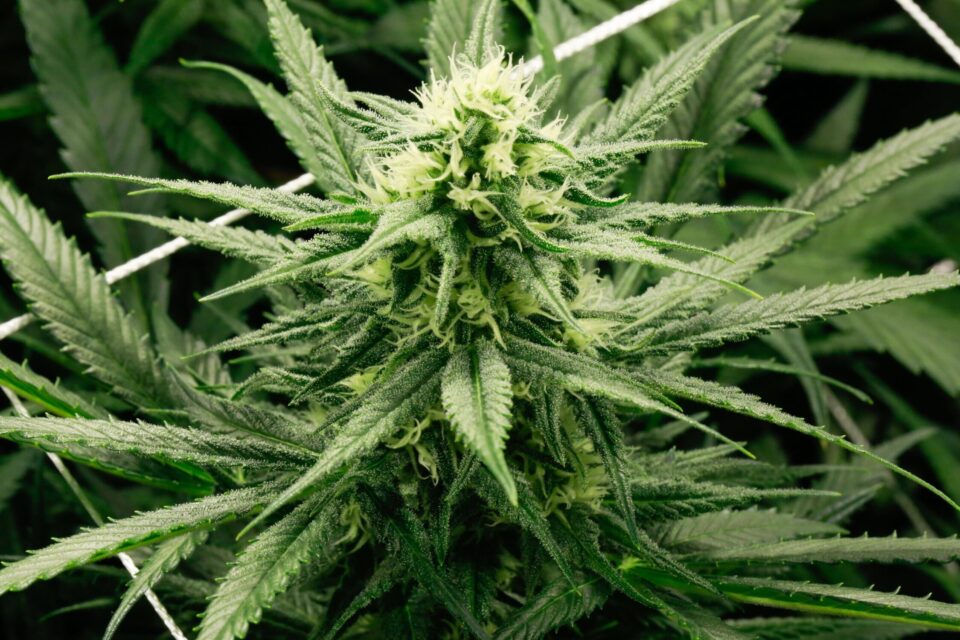
You pick up what you think is regular weed, expecting a familiar calm, but something feels off, and now you are worried. Across Indiana, laced weed has become an unfortunately common problem, with marijuana cut or contaminated by other substances that can trigger unexpected and even dangerous reactions. Learning to spot the signs and symptoms of laced weed matters, both to prevent harm and to recognize the moment it is time to reach out for help. Knowing what to look for gives you and the people you care about a real layer of safety and a clearer path forward.
What is laced weed?
When people ask what it means when marijuana is laced, they are usually asking about their basic safety. Laced weed is cannabis that has been mixed with other drugs or chemicals. This problem happens almost exclusively in the illicit market. Unregulated products skip all safety testing and quality control.
Sometimes, dealers intentionally add foreign substances to alter the high. They might want to make a weak product feel stronger. However, accidental cross-contamination is actually very common in illegal drug trades. This often occurs when sellers use shared scales or packaging. They might measure an opioid on a scale and then measure cannabis on the same surface. A product might look completely safe but still contain hidden, microscopic contaminants.
People struggling with marijuana addiction might buy unregulated products out of desperation. This dramatically increases the risk of unwanted polysubstance use. Because you cannot see these harsh chemicals, learning what marijuana can be laced with is absolutely vital for your safety.
It is incredibly dangerous to trust unregulated, street-level products. A simple mistake by a careless dealer can easily introduce life-threatening substances into your body. Understanding what is laced weed is the first critical step in keeping yourself and your community safe. Education gives you the power to make safer choices and avoid catastrophic medical emergencies.
Drugs and substances marijuana can be laced with
Cannabis from the unregulated market can hide a variety of dangerous additives. It is rarely pure, and many toxic substances find their way into these products.
Fentanyl and synthetic opioids
The danger of fentanyl-laced weed is very real and frightening for many families. Fentanyl is an extremely potent synthetic opioid. Over 150 people die each day in the US due to synthetic fentanyl adulteration. Experts point out that the heat from a lighter can sometimes destroy the fentanyl molecule. However, fatal cross-contamination during handling is still a severe risk. If someone with an opioid addiction handles both drugs, invisible residues can easily transfer. Even a microscopic amount of fentanyl can be deadly to someone without an opioid tolerance. You cannot smell or taste fentanyl, making it an invisible killer. This can cause unexpected respiratory depression and a fatal overdose.
Methamphetamine, cocaine, and PCP
Dealers sometimes mix in other psychoactive drugs to completely change the high. Stimulants like cocaine or methamphetamine are sometimes added. This creates highly unpredictable heart and nervous system effects. A person might feel a racing heart, severe panic, or an inability to sleep. PCP, also known as Angel Dust, is another terrifying risk. It can be sprayed directly onto cannabis to cause intense, dissociative highs. These unpredictable additives put enormous stress on your cardiovascular system. These reactions are terrifying and often require immediate medical attention to keep the person safe.
Household detergents and embalming fluid
Not all additives are traditional illicit drugs. Some sellers use cheap, non-drug chemicals to manipulate the product. They add foreign matter to increase the physical weight or artificially alter the smell. The Centers for Disease Control and Prevention strongly warns about the severe risks of unregulated additives. Sometimes, people use toxic laundry detergent, crushed glass, or even embalming fluid. These toxic substances mask poor quality but cause massive damage to your lungs and your entire body. Testing is the only way to know for sure what you are consuming. The health risks are simply too high to guess.
Synthetic cannabinoids and heavy metals
Two other contaminants deserve attention. Synthetic cannabinoids, sold under names like K2 or Spice, are sometimes sprayed onto plant material to mimic marijuana at a lower cost, yet they act very differently in the body and can cause seizures, severe agitation, and dangerous spikes in heart rate. Heavy metals such as lead, along with pesticides, can also collect in cannabis grown without oversight, building up quietly with repeated use. Neither is visible, which is exactly why unregulated products carry so much hidden risk.
Signs of laced weed: what to look for
You cannot usually tell if a product is laced just by looking at it. There are no guaranteed visual methods to completely ensure your safety when buying unregulated products. This fact alone highlights the extreme danger of relying on the illicit market. However, there are a few warning signs of laced weed that you should never ignore.
If you suspect something is wrong, pay close attention to these sensory red flags before consuming any product.
- Unusual odors. Scents resembling gasoline, ammonia, or strong cleaning products are huge warning signs, indicating the presence of dangerous contaminants.
- Abnormal appearance. Unnatural white powdery residues might look like typical plant crystals, but if they flake off easily, the product is likely contaminated.
- Strange textures. A slick, syrupy, or unusually hard texture is highly suspicious because natural plant products should feel slightly sticky and springy.
- Odd tastes. A highly chemical, bitter, or metallic taste when inhaled means you should stop smoking the substance immediately.
Even if you carefully check for these signs, many deadly substances are completely invisible and odorless. According to the U.S. Food and Drug Administration, comprehensive laboratory testing is needed to confirm drug presence. You cannot rely on your physical senses alone to keep you safe from microscopic toxins. It is always better to throw away a suspicious product than to risk a fatal medical emergency. Your health is irreplaceable.
Beyond how a product looks or smells, the circumstances of a purchase can be a warning in themselves. A price that seems too good to be true, a source you do not know well, or effects that feel wildly different from the same strain last time all suggest something has changed. When anything feels off, the safest move is to not use it and to hold on to a sample in case medical staff later need to identify what was involved.
Laced marijuana symptoms vs. a typical reaction
It is absolutely crucial to know the difference between a normal reaction and a severe medical emergency. Sometimes, taking too much THC causes a severe panic attack, commonly known as “greening out.” This causes a racing heart, sweating, and extreme anxiety. However, laced marijuana symptoms look very different and are much more dangerous.
| Symptom category | Typical marijuana reaction | Laced weed emergency |
|---|---|---|
| Heart and breathing | Racing heart and fast breathing | Slowed breathing, respiratory depression |
| Mental state | High anxiety, paranoia, or panic | Severe confusion, unresponsiveness |
| Physical appearance | Flushed face, sweating, shaking | Blue or gray lips, cold clammy skin |
A true opioid overdose is a life-threatening crisis that requires immediate intervention. Fentanyl laced weed symptoms often include pinpoint pupils, extreme drowsiness, and terrifying choking sounds. Opioid poisoning leads to dangerously slow breathing, unresponsiveness, and blue or gray lips. This is distinctly different from a typical weed reaction.
Never assume that someone is just sleeping off a bad high if they cannot be easily woken up. A fast response is the only way to prevent a tragedy when breathing begins to slow down. If you have a dual mental health and substance use issue, you might already struggle with anxiety. Seeking dual diagnosis treatment can help you manage the anxiety of these terrifying experiences in a safe, medical setting. Medical professionals can help you tell the difference between a panic attack and true toxicity.
What to do if you smoke laced weed
If you or someone else experiences severe symptoms after smoking, you must act fast. Do not wait to see if the person magically feels better. If they are unresponsive or barely breathing, call 911 immediately.
Treat the situation as a serious medical emergency right from the start. Never leave the person alone, even for a minute. If you suspect an opioid overdose, administer naloxone immediately. This life-saving medication, often known by the brand name Narcan, can safely reverse an overdose. Keep the person resting on their side to prevent choking while you wait for paramedics to arrive. First responders are trained to handle these exact situations without judgment. Your only job in that moment is to keep the person breathing and get them emergency medical help as quickly as humanly possible.
You can also call your local poison control center for expert medical guidance over the phone. After the immediate physical crisis has passed, it is critical to seek professional help. A supervised medical detox is often the safest next step for lasting health. Getting proper medical care ensures that all toxic substances safely leave the body without causing further harm. Professional treatment facilities monitor your vital signs and keep you comfortable during this vulnerable time. Never try to manage a severe toxic reaction at home.
Once the emergency has passed, the fear it leaves behind is often what finally motivates lasting change. Structured support helps you address the substance use that led to buying from the unregulated market in the first place. In Indiana, that can look like an intensive outpatient program, medication for addiction treatment, or flexible telehealth visits that fit around work and family. Reaching out early, before another close call, is always easier than waiting for a worse one.
Ready to make a change? Addiction treatment in Indiana
The unpredictable and dangerous illicit drug supply is terrifying for everyone involved. It is a major reason many people finally choose to seek professional help. You do not have to keep living with this constant fear. There is a clear way out, and you do not have to do it alone.
Red Ribbon Recovery Indiana is your deeply committed, local treatment partner. We understand the unique cultural and economic challenges Hoosiers face across our state. Whether you live in Indianapolis, Fort Wayne, Evansville, South Bend, or Gary, genuine help is nearby. We offer a highly structured Intensive Outpatient Program to help you build a totally new life. Our clinical team provides compassionate care, including medication for addiction treatment, to support your recovery safely.
Finances should never stop you from getting well and reclaiming your future. Indiana Medicaid covers comprehensive addiction treatment for eligible residents, making quality care highly accessible. We are proud to be one of the most trusted drug rehab centers in the entire state.
Recovery is about recommitting to your family, your community, and the values that define Indiana life. It takes incredible courage to step away from substance use, but you are entirely capable of making this change. We are here to support you every step of the way, without any judgment about your past. Your life is worth saving, and your community needs you healthy and whole.
When you call, you will speak with someone who listens first and explains your options in plain terms. There is no pressure and no judgment about how you got here. We can verify your Indiana Medicaid coverage, answer questions about scheduling, and help you take the next concrete step at a pace that feels manageable.
Find safe, compassionate support for recovery
Navigating the severe dangers of the illicit drug market is exhausting and incredibly risky for your health. If you are tired of the constant worry and the severe health risks of unregulated substances, it is time to ask for professional help. Red Ribbon Recovery Indiana is here to support you with practical, evidence-based care tailored to your specific situation.
We offer the structure and medical guidance you need to break free from substance use and rebuild your life in your local community. Call us today at (317) 707-9848 to speak confidentially with our compassionate admissions team. We can discuss your treatment options, verify your Indiana Medicaid coverage, and help you schedule an assessment to safely get started. You do not have to face this alone. Contact us now.
Sources
- National Academies of Sciences, Engineering, and Medicine. (November 14, 2024). Summary – Cannabis Policy Impacts Public Health and Equity. National Academies Press.
- Dryburgh, L. M., et al. (August 1, 2018). Cannabis contaminants: sources, distribution, human toxicity and public health impact. Clinical Toxicology.
- Centers for Disease Control and Prevention. (February 16, 2024). Cannabis Health Effects. Centers for Disease Control and Prevention.
- Centers for Disease Control and Prevention. (February 15, 2024). About Cannabis. Centers for Disease Control and Prevention.
- Jordan, M. R., et al. (May 5, 2024). Naloxone. StatPearls Publishing.
- U.S. Food and Drug Administration. (September 27, 2018). Drugs of Abuse Home Use Test. U.S. Food and Drug Administration.
- National Institute on Drug Abuse. (October 24, 2024). Understanding an Overdose and How to Respond to One. National Institute on Drug Abuse.
- Substance Abuse and Mental Health Services Administration. (June 9, 2023). National Helpline for Mental Health, Drug, Alcohol Issues. Substance Abuse and Mental Health Services Administration.
- U.S. Department of Health and Human Services. Indiana Summary — State Residential Treatment for Behavioral Health Conditions. Office of the Assistant Secretary for Planning and Evaluation.
- Centers for Medicare & Medicaid Services. (February 1, 2018). Healthy Indiana Plan 2.0 SUD Implementation Protocol. Centers for Medicare & Medicaid Services.

