

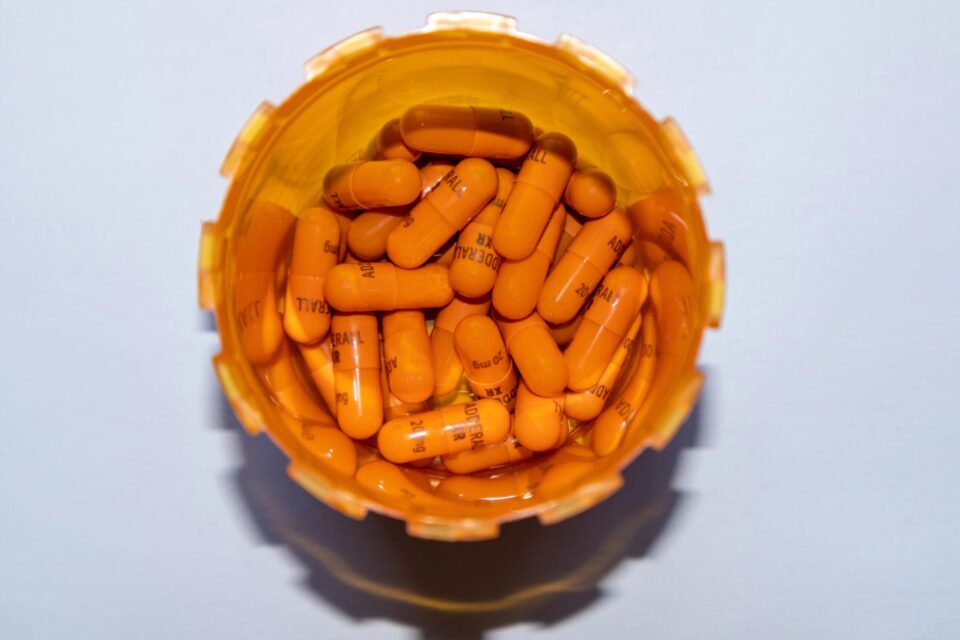
Adderall works well for a lot of people, but side effects like insomnia, appetite loss, and irritability, along with ongoing supply shortages, push many adults to look for another option. Adderall alternatives fall into three groups: other prescription stimulants, non-stimulant medications, and lifestyle-based strategies. Each works differently depending on your brain chemistry, your health history, and your recovery goals. If staying focused and dependable matters for your family and the people counting on you, understanding the full range of choices helps you and your prescriber build a plan that fits your real life.
Why people look for alternatives to Adderall
Adderall helps a lot of people, but it is far from the only way to manage ADHD, and plenty of adults have good reasons to consider something else.
Side effects that drive the switch
Adderall is effective, but physical and emotional side effects often disrupt daily life. The most common reasons people stop taking it include significant weight loss, daily headaches, and intense irritability. Sleep problems are especially prevalent, since nearly 80 percent of adults with ADHD already struggle with insomnia or disturbed sleep, and a strong stimulant tends to make those restless nights worse.
Research shows that 41 percent of people with ADHD who start a new medication do not stay on their first prescription. Many switch after severe weight loss, unpredictable mood changes, or sleep problems that stimulants tend to worsen. For a lot of people, the decision is less about whether Adderall works and more about whether they can live with how it makes them feel every day.
Getting care in Indiana
Indiana residents face unique, deeply rooted challenges around substance use and access to mental health care. Finding consistent care is difficult from Indianapolis down to the most rural communities. Residents often deal with an environment where opioid and methamphetamine crises strain local healthcare infrastructure. Regional shortages force patients to drive between distant towns just to find their medication in stock, and that constant stress takes a heavy toll on families seeking stability.
Understanding Adderall addiction is essential for making safe choices about your treatment plan, and many people worry about the long-term impact of stimulant dependence. If substance use is part of the picture, structured addiction treatment in Indiana can pair medication management with real behavioral support. State programs are also expanding coverage, and substance use disorder treatment and psychiatric care are becoming more accessible through community-based resources. You deserve a plan that fits your life without adding unnecessary anxiety.
Other prescription stimulant medications
Switching to a different prescription medication is often the most effective way to manage your ADHD symptoms. Sometimes the best Adderall alternative is simply another stimulant that interacts differently with your brain chemistry.
| Medication type | Common examples | Typical response rate | Key considerations |
| Amphetamine-based | Vyvanse, Dexedrine | 70% to 80% | Highly effective for many, but carries a risk of misuse. |
| Methylphenidate-based | Ritalin, Concerta | 70% to 80% | Blocks dopamine reuptake, helpful if amphetamines fail. |
| Non-stimulants | Strattera, Intuniv | 50% to 60% | Offers steady 24-hour coverage with zero addiction risk. |
Finding the right fit requires patience and close monitoring by your doctor. Clinical data shows that stimulant response rates generally sit around 70 to 80 percent. However, everyone metabolizes these medications differently. If one stimulant causes severe jitteriness, another formula might provide calm, clear focus.
The amphetamine family includes more than Adderall. Dexedrine and other dextroamphetamine products round out this category, and some people do best on an extended-release version that spreads coverage evenly across the day. Because response is so individual, expect a few weeks of dose adjustments before you and your prescriber settle on the right stimulant Adderall alternative.
Vyvanse (lisdexamfetamine)
Vyvanse is a unique prodrug that your body slowly converts into active dextroamphetamine. This specific chemical process provides a much smoother onset of action. Patients often enjoy up to 14 hours of coverage throughout their busy day. This gradual conversion significantly lowers the potential for sudden mood crashes.
It also reduces the immediate potential for dangerous medication tampering. This lower abuse risk makes Vyvanse a strong choice for individuals in recovery. If you are comparing your options, reading up on Adderall vs Vyvanse can add helpful clarity.
Methylphenidate-based medications (Ritalin, Concerta)
Methylphenidate medications offer a completely different chemical approach to treating complex ADHD symptoms. Ritalin, Concerta, and Focalin belong to this highly effective class of drugs. They work by blocking the reuptake of dopamine and norepinephrine in your brain.
These medications are excellent choices if you do not respond well to amphetamine products. Focalin is a highly refined version that can be effective at much lower doses. Working closely with an experienced doctor ensures you find the safest option for your lifestyle.
Non-stimulant prescription medications
Non-stimulant medications provide a safe, effective path for patients needing an alternative to Adderall. They are especially important for individuals with a history of substance use disorders. Patients with severe anxiety or cardiovascular issues also benefit greatly from these safer options.
While response rates for non-stimulants hover around 50 to 60 percent, they offer real daily advantages. They deliver steady, 24-hour symptom coverage without the sharp peaks of traditional stimulants. Most importantly, they carry zero addiction risk. Patients often ask what the non-stimulant alternatives to Adderall for ADHD are, and the answer includes several well-researched, widely available options.
Strattera (atomoxetine)
Strattera is a popular non-stimulant that specifically targets your brain’s norepinephrine levels. It does not directly spike dopamine the way traditional stimulants do. This medication provides reliable 24-hour coverage for improved daily focus.
However, it requires patience, because it takes two to six weeks to reach full effect. Early symptom improvement may begin within a week, but maximum benefit takes longer. Patients must take it consistently every single day to see real clinical results.
Wellbutrin (bupropion)
Wellbutrin is an antidepressant that doctors frequently prescribe off-label for adult ADHD. It is especially useful when patients face co-occurring depression alongside their ADHD symptoms. It helps lift energy levels and improves baseline mental focus over time.
Proper addiction medicines can safely support patients dealing with these complex mental health conditions. They provide a helpful boost without the severe physical crash associated with heavy stimulants.
Intuniv (guanfacine ER)
Intuniv plays a vital role in helping adults manage hyperactivity and impulse control. It improves emotional regulation by calming overactive circuits in the prefrontal cortex. This makes it much easier to pause and think before reacting to stress.
Doctors sometimes prescribe it alone, but they frequently pair it with a mild stimulant. This combination offers balanced results for patients with severe anxiety. Newer non-stimulant options like Qelbree also exist to treat these symptoms safely.
What to expect when starting a non-stimulant
Whichever non-stimulant you try, plan for regular follow-up. Expect your prescriber to monitor blood pressure, mood, and sleep during the first couple of months and to adjust the dose slowly. These medications reward daily consistency, which matters far more here than it does with a fast-acting stimulant, so build them into a routine you can actually keep.
Natural alternatives and lifestyle modifications
Lifestyle changes offer powerful, lasting support for your daily ADHD symptom management. Many patients actively search for natural alternatives to Adderall to avoid prescription medications entirely.
Structure outside of medication helps too. Breaking work into short timed blocks, keeping visible reminders, and protecting a consistent morning routine all reduce the mental load that ADHD creates. These habits will not replace treatment, but they make every other alternative to Adderall work better.
Cognitive behavioral therapy (CBT)
Behavioral therapies build practical life skills for time management and daily organization. Cognitive behavioral therapy is a primary non-medical strategy for creating lasting focus. It complements other treatments by teaching you how to restructure your thoughts.
This evidence-based psychological intervention helps patients manage frustration and overcome procrastination. Regular therapy builds the mental resilience needed to navigate a busy life without relying on stimulants.
Diet, exercise, and sleep hygiene
Regular physical exercise is a proven lifestyle modification that naturally boosts your focus. A balanced diet and structured sleep schedules are equally vital for your long-term brain health. Remember that roughly 80 percent of adults with ADHD suffer from severe sleep disturbances.
You can support your brain health by focusing on these three core areas:
- Regular physical exercise. Moving your body daily naturally boosts dopamine and improves sustained attention.
- Structured sleep schedules. Going to bed consistently helps combat insomnia and repairs cognitive function.
- Balanced daily nutrition. Eating protein-rich meals supports steady energy levels and prevents afternoon crashes.
Mindfulness and stress management
Mindfulness practices give your attention system a low-cost workout. Short daily meditation, breathing exercises, and even regular time outdoors can steady a restless mind and blunt the impulsivity that ADHD brings. Paired with therapy and good sleep, these habits help many people lean on medication a little less.
Over-the-counter (OTC) alternatives to Adderall
Patients frequently look for the best OTC Adderall alternative at their local pharmacy. Options like omega-3 fatty acids, magnesium, and L-theanine provide general cognitive support. However, over-the-counter Adderall alternative supplements are never FDA-approved to treat ADHD.
Natural does not mean risk-free. Unregulated supplements can cause dangerous interactions, especially for individuals in active recovery. Some products contain hidden, unapproved stimulant ingredients that disrupt your heart rate. Always discuss OTC Adderall alternatives with your doctor before starting them.
Choosing between stimulant and non-stimulant options
The right alternative depends less on which drug is strongest and more on how your body and daily routine respond. Stimulants, both amphetamine- and methylphenidate based, tend to work quickly and post the highest response rates, which makes them a common first choice. Non-stimulants take longer to build up, but they deliver steady coverage and carry no addiction risk, which matters a great deal for anyone in recovery.
Your health history guides the decision as much as your symptoms do. Someone with well-controlled blood pressure and no history of substance use has more room to try stimulants. Someone managing anxiety, heart concerns, or a past struggle with misuse is often better served by a non-stimulant or by a slower-onset stimulant like Vyvanse. Prescribers also weigh sleep, since evening stimulant doses can worsen the insomnia that already affects most adults with ADHD.
It also helps to think about your daily schedule. If you need steady focus from early morning through the evening, a long-acting option may serve you better than a short-acting pill that fades by midafternoon. If you only need coverage for specific tasks, a shorter-acting medication paired with strong routines can be enough.
Questions worth asking before you switch
A short list of questions keeps appointments focused and helps you compare options fairly.
- Onset and duration. Ask how quickly the medication works and how long each dose lasts.
- Side effects to expect. Clarify which reactions are normal and which ones warrant an immediate call.
- Interactions and safety. Review how the option fits with your other medications and your recovery plan.
There is no penalty for adjusting course. Many people try two or three options before landing on the plan that fits, and each trial gives your prescriber useful information to guide the next step.
Working with your healthcare provider to find the right alternative
Finding the right ADHD medication is a process of trial and adjustment, guided by a prescriber who understands your medical history and recovery goals. There is no single magic pill. The best Adderall alternative is the one that lets you function productively while safeguarding your mental and physical health.
Preparation makes those appointments count. Ask your provider why a specific medication is recommended and how long it takes to work, and clarify which side effects to watch for right away. By asking the right questions, you take ownership of your treatment.
Local support in Indiana
Red Ribbon Recovery Indiana is a committed partner for Hoosiers navigating complex mental health challenges. We understand the specific hurdles facing communities in South Bend, Evansville, Fort Wayne, and Indianapolis. Co-occurring substance use and mental health challenges often call for specialized dual diagnosis treatment.
You do not have to walk this path alone, and financial barriers should not stop you. Indiana Medicaid provides extensive coverage for behavioral health and addiction services. Reach out to a professional today to explore medications and therapies that support a grounded, community-focused recovery.
Find steady focus and support in Indiana
Managing ADHD well means building a treatment plan that fits your life and protects your recovery. Red Ribbon Recovery Indiana can help you navigate these choices, with integrated support for people facing both mental health and substance use challenges. Call us today at (317) 707-9848 to talk through your options with a compassionate professional, or visit Red Ribbon Recovery Indiana to explore our local addiction treatment programs. Schedule an evaluation with our clinical team to build a practical, supportive plan for your continued recovery.

