

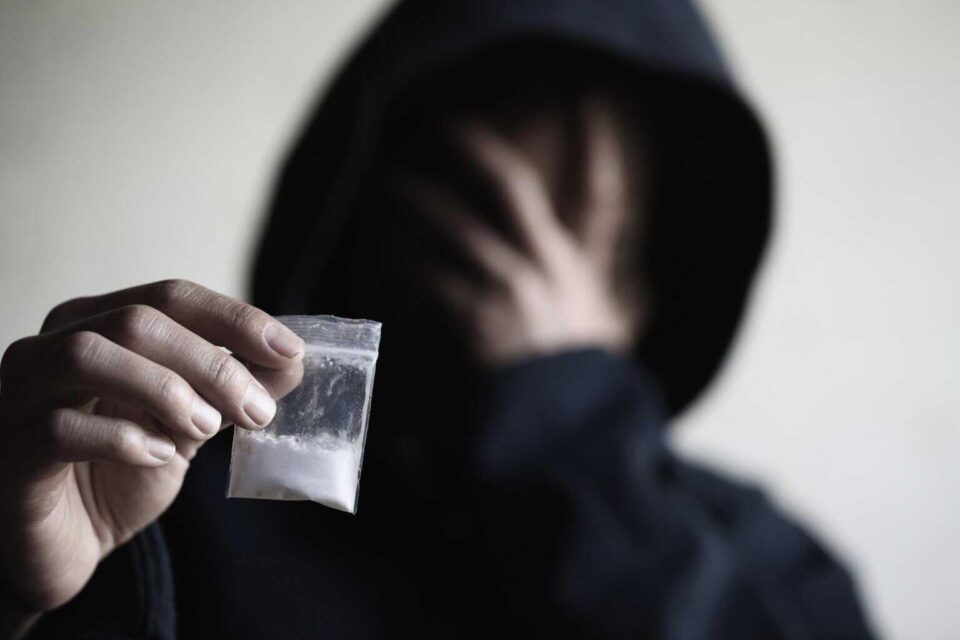
Meth addiction, also known as methamphetamine use disorder, is a serious and often devastating condition that requires specialized, multi-layered care. As a potent stimulant, methamphetamine triggers intense euphoric effects, but with chronic drug use, it can lead to severe withdrawal symptoms, drug-induced psychosis, and even fatal overdose.
At Red Ribbon Recovery Indiana, we’re committed to offering compassionate, science-based solutions for people struggling with methamphetamine dependence. Through evidence-backed approaches like contingency management, structured counseling, and supportive rehab programs, our goal is to help clients overcome addiction and reclaim their lives.
Understanding methamphetamine addiction
Methamphetamine addiction often develops rapidly due to the drug’s powerful and addictive properties. Whether smoked, snorted, injected, or ingested as crystal meth, prolonged meth use alters brain chemicals related to reward, motivation, and impulse control. The result? A dangerous cycle of stimulant use, increasing tolerance, and compulsive drug-seeking behaviors.
Long-term effects of methamphetamine use can include:
- Mood disturbances and depression
- Psychotic symptoms such as paranoia and hallucinations
- Weight loss or weight gain fluctuations
- High blood pressure and heart problems
- Increased risk of overdose deaths, hepatitis B, and other infections
- Severe dental decay (“meth mouth”)
- Cognitive impairment and social isolation
At Red Ribbon Recovery, we know the importance of knowing the background of addiction and substance abuse to aid in halting drug use. Through contingency management and levels of care we work to address methamphetamine use disorder and define the next steps of your recovery journey together.

Signs and symptoms of meth addiction or meth use
Recognizing the early signs of meth addiction is essential for getting help before the drug problem escalates. Methamphetamine is one of the most potent stimulants, and its effects can quickly turn casual use into a dangerous pattern of substance abuse.
Understanding these warning signs can help patients, families, and health care providers take action and connect to effective treatment sooner.
Behavioral signs of methamphetamine dependence
- Agitation, restlessness, and unpredictable mood swings
- Social withdrawal or isolation from friends and family
- Neglecting responsibilities at work, school, or home
- Obsessive focus on obtaining meth or other stimulants
- Risky or illegal activities, including paying people to obtain drugs
Physical signs
- Rapid or extreme weight loss
- Severe dental decay (“meth mouth”)
- Skin sores from picking or scratching
- Dilated pupils and excessive sweating
- Noticeable decline in hygiene and self-care
Cognitive and psychological signs
- Confusion, memory loss, and impaired judgment
- Paranoia, hallucinations, or psychotic episodes
- Mood disturbances such as depression or anxiety
- Intense cravings and an inability to stop use despite negative consequences
- Withdrawal symptoms such as fatigue, increased appetite, and disturbed sleep
Meth addiction doesn’t just harm the body—it rewires the brain’s reward pathways, affecting dopamine production and making it harder to feel pleasure without the substance. This is why addiction treatment often requires a comprehensive approach that addresses both the physical and psychological aspects of stimulant use disorders.
At Red Ribbon Recovery Indiana, our meth treatment programs are designed to help clients break the cycle of drug abuse and start their recovery journey with the tools and support they need for lasting change.
What is the treatment for meth addiction?
There is no one-size-fits-all answer, but effective treatment for methamphetamine use disorder typically includes a combination of behavioral therapies, clinical oversight, and ongoing support.
Here’s how Red Ribbon Recovery Indiana approaches meth treatment:
Behavioral therapies and structured rehab counseling
Behavioral therapy is at the core of meth treatment, helping individuals understand the root causes of their drug abuse, develop healthy habits, and build resilience.
Key therapies include:
- Group counseling for peer support
- Individual therapy focused on relapse prevention
- Trauma-informed care for underlying issues
- Support groups to promote accountability and emotional connection
Contingency management for methamphetamine use disorder
One of the most effective behavioral interventions for stimulant use disorders is contingency management (CM). This approach uses positive reinforcement and tangible rewards to encourage sobriety. Participants may receive vouchers, prizes, or other incentives during contingency management sessions for drug-free urine tests or treatment milestones.
Contingency management programs, including successful pilot programs in San Francisco and Veterans Affairs networks, have shown measurable success in reducing meth use and increasing treatment retention.
Medical and outpatient support as effective treatment
While there are no FDA-approved medications for methamphetamine addiction specifically, pharmacological approaches are being studied for their potential. Some addiction specialists may use medications to manage co-occurring conditions like anxiety, depression, or methamphetamine withdrawal symptoms.
At Red Ribbon Recovery Indiana, we offer:
- Medically supervised detox when needed
- Inpatient treatment for severe cases
- Outpatient programs for flexible, long-term care
- Access to other doctors, case managers, and other services
12-step support and peer fellowship
For many patients, 12-step programs such as Narcotics Anonymous (NA) provide structure, accountability, and a sense of belonging. These programs emphasize personal responsibility, peer mentorship, and ongoing recovery work.
At Red Ribbon Recovery Indiana, we encourage clients to engage with 12-step support groups during and after treatment to help maintain motivation and connect with others who understand the challenges of recovery. The spiritual and community components of 12-step programs can be a powerful complement to professional addiction treatment.
Dual diagnosis treatment
Methamphetamine addiction often co-occurs with mental health disorders such as depression, anxiety, PTSD, or bipolar disorder. This is known as a dual diagnosis or co-occurring disorder. Treating both conditions at the same time is critical to achieving lasting recovery—focusing on only the drug problem without addressing underlying mental health issues increases the risk of relapse.
Our treatment center provides integrated care where therapists, medical providers, and addiction specialists work together to address the full scope of a patient’s needs. This may include therapy, medication management, and targeted support for both substance abuse and mental health challenges.
Why timely addiction treatment matters
Delaying medical treatment for methamphetamine dependence can worsen the risk of drug-induced psychosis, fatal overdose, and co-occurring mental health issues. Individuals who misuse meth alongside other drugs like cocaine, opioids, or alcohol often face more complex challenges.
It’s critical to treat not only the substance use, but also the symptoms and behaviors that fuel the addiction. Comprehensive meth addiction treatment in Indiana also helps rebuild relationships, improve physical health, and restore dignity.

Risks of untreated meth addiction
Leaving meth use untreated can have devastating consequences on both mental and physical health. According to the National Institute on Drug Abuse, long-term amphetamine and methamphetamine abuse changes brain chemistry in ways that can take long periods to heal—if they heal at all. Without timely access to professional treatment services at a trusted treatment center, the risks only increase.
Potential consequences of untreated methamphetamine use disorder include:
- Increased risk of stroke, heart attack, and permanent cardiovascular damage
- Persistent psychological symptoms such as hallucinations, paranoia, and severe anxiety
- Criminal charges or criminal consequences tied to meth possession, trafficking, or related offenses
- Severe strain on family relationships, community safety, and social support networks
- Ongoing drug abuse that can progress to other substances or stimulant use disorders
- Heightened risk of infectious diseases due to unsafe practices
In addition to physical harm, untreated drug addiction can lead to a complete breakdown of daily functioning, making it difficult for patients to work, maintain housing, or engage in healthy relationships. Without structured recovery tools like support groups, behavioral therapy, and motivational incentives, individuals face a high likelihood of relapse and worsening negative consequences.
At Red Ribbon Recovery Indiana, our drug rehab in Indiana, we believe every person deserves a chance to break free from the cycle of addiction. Our meth addiction treatment in Indiana combine evidence-based addiction treatment methods with compassionate support to address every layer of use disorder—giving our clients the best possible chance at a healthier, safer future.
Aftercare and relapse prevention upon finishing meth treatment
Recovery from methamphetamine use doesn’t end after initial treatment—it’s a lifelong journey that requires ongoing support, skill-building, and accountability. At Red Ribbon Recovery Indiana, our aftercare planning ensures that every client leaves treatment with a strong network, practical tools, and a clear plan for staying sober.
Our aftercare services may include:
- Peer-led and clinician-led support groups to foster connection and shared accountability
- Relapse prevention planning with a licensed drug counselor to identify triggers and build coping strategies
- Ongoing therapy sessions to process challenges and reinforce recovery skills
- Access to contingency management programs that reward consistent sobriety and engagement in recovery activities
- Coordination with medical providers for medications that address co-occurring conditions or aid in mental health stabilization
The benefit of a well-structured aftercare plan is clear—clients are more likely to maintain progress, reduce the risk of relapse, and continue building healthy habits. Because substance abuse and drug abuse often involve deeply ingrained patterns, long-term engagement in aftercare gives individuals the best chance to sustain positive change.
Whether transitioning from inpatient care to outpatient services or continuing with periodic counseling, aftercare helps bridge the gap between formal addiction treatment and independent living. By staying connected to resources, monitoring drug use risks, and committing to healthy routines, patients can protect their recovery for the long haul.

Start the path to recovery
Meth addiction can feel overwhelming, but it does not have to define your future. Every day you wait, the risks grow. But so does the opportunity for change. At Red Ribbon Recovery Indiana, our drug rehab in Indiana, we combine proven addiction treatment strategies, a compassionate care team, and a safe, supportive environment to help you break free from the grip of methamphetamine use.
No matter how long you’ve been struggling, healing is possible. We’re here to walk beside you every step of the way, so that you can rebuild your life with dignity, purpose, and lasting stability. Call us today or contact us online to learn more about our comprehensive meth addiction treatment in Indiana and take the first step toward a healthier, drug-free life. The sooner you start, the sooner recovery begins.
Sources
- National Institute on Drug Abuse. (2024, November). Methamphetamine. Research Topics: Methamphetamine.
- Curtin, S. C., et al. (2020). Methamphetamine use in the United States: Epidemiology, morbidity, and mortality. Journal of the American Medical Association, 324(6), 602–604.
- National Library of Medicine (US), National Center for Biotechnology Information. (2021). Chapter 2—How stimulants affect the brain and behavior. Treatment for Stimulant Use Disorders.

