

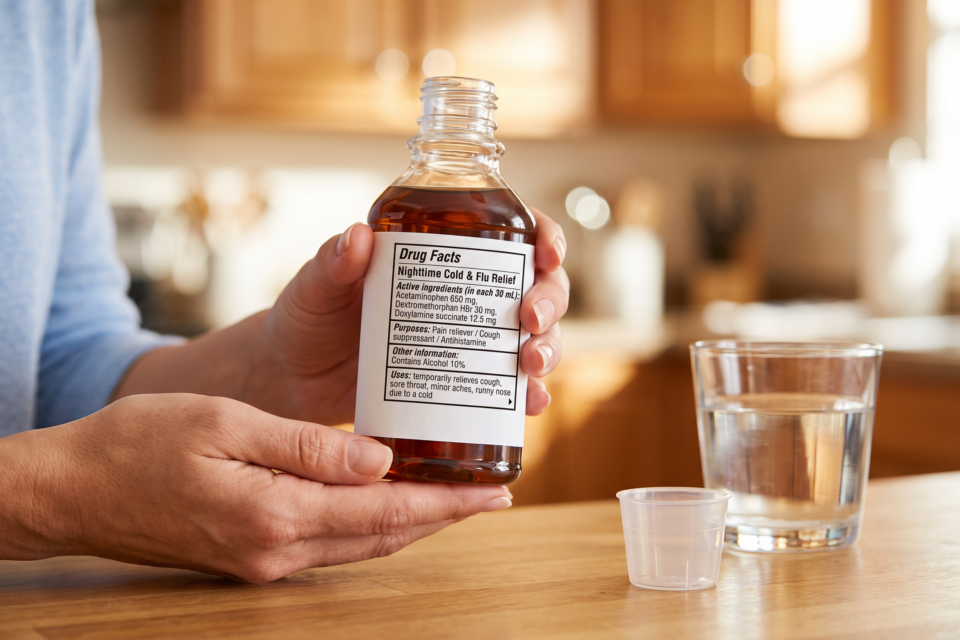
When you’re feeling under the weather, reaching for a common cold and flu remedy like NyQuil seems like a simple choice. But if you’re mindful of your health or are on a recovery journey, you might pause and wonder, “does NyQuil have alcohol in it?” It’s a smart question to ask, and taking a moment to find the answer is a powerful step in looking out for your well-being.
Do NyQuil products contain alcohol?
To give you a direct answer: yes, the original Vicks NyQuil liquid formula does contain alcohol. The typical green, cherry-flavored liquid that many people recognize has about 10% alcohol by volume. It’s important to know this, especially if you are avoiding alcohol for any reason. However, the good news is that not all NyQuil products are the same. Vicks also offers an alcohol-free version of their liquid formula, as well as NyQuil LiquiCaps, which do not contain alcohol.
The main purpose of the NyQuil ingredients is to relieve common cold and flu symptoms. The active ingredients in the original liquid include Acetaminophen (a pain reliever and fever reducer), Dextromethorphan (a cough suppressant), and Doxylamine Succinate (an antihistamine that helps with sneezing and a runny nose, and also causes drowsiness). The alcohol in the formula is considered an inactive ingredient, but its presence is still a significant factor for many people.
Why is there alcohol in NyQuil?
It might seem strange that a common over-the-counter medicine contains alcohol, but there’s a practical, scientific reason behind it. In liquid medicines like NyQuil, alcohol functions primarily as a solvent. Think of it like a carrier that helps dissolve the active ingredients, such as dextromethorphan and doxylamine succinate, and keep them evenly mixed throughout the liquid. Without a solvent, these components might not stay properly suspended, meaning you wouldn’t get a consistent and effective dose each time you use it.
Beyond its role as a solvent, alcohol also acts as a preservative. It helps prevent the growth of bacteria and other microbes, which keeps the product stable and extends its shelf life. So, while it’s not one of the active NyQuil ingredients fighting your cold symptoms, it plays a key role in the medicine’s formulation. Recognizing that this isn’t for everyone, manufacturers now offer great alcohol-free alternatives that use different substances, like propylene glycol or glycerin, to achieve the same result.
How much alcohol is in a dose of NyQuil?
The standard formula of Vicks NyQuil liquid contains 10% alcohol by volume. To put that into perspective, a standard 30 mL dose contains about 3 mL of pure alcohol. While the concentration is higher than most beers (which are typically around 5% alcohol), the total amount of alcohol you consume in one dose is much smaller than what’s in a standard drink. For instance, a 12-ounce can of beer has roughly 17 mL of alcohol.
Even though the amount in a single dose is small, it’s not insignificant, especially for someone who needs to avoid alcohol completely. It’s also helpful to see how NyQuil’s alcohol content compares to other common over-the-counter medicines. Some products have surprisingly high concentrations, while many others are completely alcohol-free.
| Product | Alcohol content (%) |
|---|---|
| NyQuil Cold & Flu Liquid | Alcohol content (%): 10% |
| NyQuil Severe Cold & Flu Liquid | Alcohol content (%): 10% |
| Listerine Antiseptic Mouthwash | Alcohol content (%): 21.6% – 26.9% |
| Some Herbal Tinctures/Elixirs | Alcohol content (%): Up to 25% |
| Alcohol-Free NyQuil Liquid | Alcohol content (%): 0% |
| NyQuil LiquiCaps | Alcohol content (%): 0% |
Risks and considerations for those in recovery
If you’re on a journey of recovery from Alcohol Addiction, your health and sobriety are the top priorities. Making mindful choices about everything you consume, including over-the-counter medicine, is a huge part of that. For someone in recovery, taking medication with alcohol, even in small amounts, carries risks that go beyond the physical effects.
The taste and smell of alcohol can be a powerful trigger, potentially awakening cravings that you’ve worked so hard to manage. This isn’t a matter of willpower; it’s about brain chemistry. Exposure to alcohol can reactivate neural pathways associated with past use, making the path to relapse feel much shorter. It’s a risk that’s simply not worth taking when safe alternatives are available.
Protecting your recovery sometimes means being vigilant about hidden ingredients in places you might not expect. This commitment to your sobriety is a sign of strength and an essential part of the long-term process of healing. Always choose a safe cold medicine for recovering alcoholics to ensure your continued well-being.
Safe, alcohol-free cold & flu alternatives
When you’re feeling sick and need relief, you shouldn’t have to worry about compromising your recovery. Thankfully, there are many safe, effective, and completely alcohol-free options available right on the pharmacy shelf. Here are some of the best choices to help you feel better without the risk.
- Alcohol-free Nyquil cold & flu liquid. Vicks makes a version of their nighttime relief liquid that contains the same multi-symptom ingredients but without any of the alcohol. Look for the clearly marked “Alcohol-Free” label.
- Nyquil & DayQuil Liquicaps. The capsule versions of these popular medications do not contain alcohol. They offer the same relief in a convenient, easy-to-swallow format.
- Other alcohol-free brands. Many other brands, including store-brand generics, offer multi-symptom cold and flu relief that is free of alcohol. Check the labels for products from brands like Theraflu or Mucinex, many of which come in alcohol-free formulas.
- Single-symptom medicines. Instead of a combination product, you can treat your specific symptoms. For example, use plain acetaminophen or ibuprofen for fever and pain, and a saline nasal spray for congestion.
- Holistic comfort measures. Don’t underestimate the power of simple, non-medicinal remedies. Staying hydrated with water and warm herbal tea, getting plenty of rest, and using a humidifier to ease congestion can make a world of difference in your recovery from illness and can be a great topic to discuss in local support groups.
How to read labels and protect your sobriety
Navigating the pharmacy aisle can feel overwhelming, but you have the power to protect your health and sobriety with a few simple steps. The key is knowing what to look for on a medication’s “Drug Facts” label. Alcohol, when included as an inactive ingredient, is almost always listed in the “Inactive Ingredients” section. Scan this list for words like “alcohol,” “ethanol,” or “ethyl alcohol.” If you see any of these, it’s best to choose another option.
Even better, make the pharmacist your ally. They are a free, expert resource dedicated to helping you stay safe. Walking up to the pharmacy counter and asking for help is a sign of proactive self-care. You can say something as simple as, “I am in recovery and need to avoid all forms of alcohol. Can you please help me find a safe cold medicine?” They can quickly point you to the right products and answer any questions without judgment. It’s a simple conversation that provides peace of mind and keeps you in control of your recovery journey.
Protect your sobriety and choose alcohol-free medications
When you’re navigating an illness, the last thing you need is uncertainty about your medication. Knowing that some NyQuil formulas contain 10% alcohol while many safe, alcohol-free alternatives are readily available empowers you to take control of your health. Taking a moment to read the inactive ingredients list or, even better, having a quick chat with your pharmacist are simple yet powerful actions. These steps ensure you can treat your cold or flu symptoms without compromising your sobriety or well-being.
Being proactive about your health is a cornerstone of a strong recovery from alcohol use disorder. It’s about making conscious choices every day that support your long-term goals. If you ever feel that managing your recovery journey is becoming overwhelming, please know that help is always here. You can call us at (317) 707-9848 to speak with someone who understands. At Red Ribbon Recovery Indiana, our drug rehab in Indiana, we’re dedicated to providing the compassionate support you need. Don’t hesitate to contact us and take the next step toward a healthier future.
Sources
- U.S. National Library of Medicine. (October 2024). Label: VICKS NYQUIL COLD AND FLU NIGHTTIME RELIEF.
- U.S. Food and Drug Administration. (2017). Guidance for Industry: Labeling OTC Human Drug Products.
- Substance Abuse and Mental Health Services Administration. (2025). Medications for Substance Use Disorders.
- National Institute on Alcohol Abuse and Alcoholism. (2025). Alcohol-Medication Interactions: Potentially Dangerous Mixes.

