

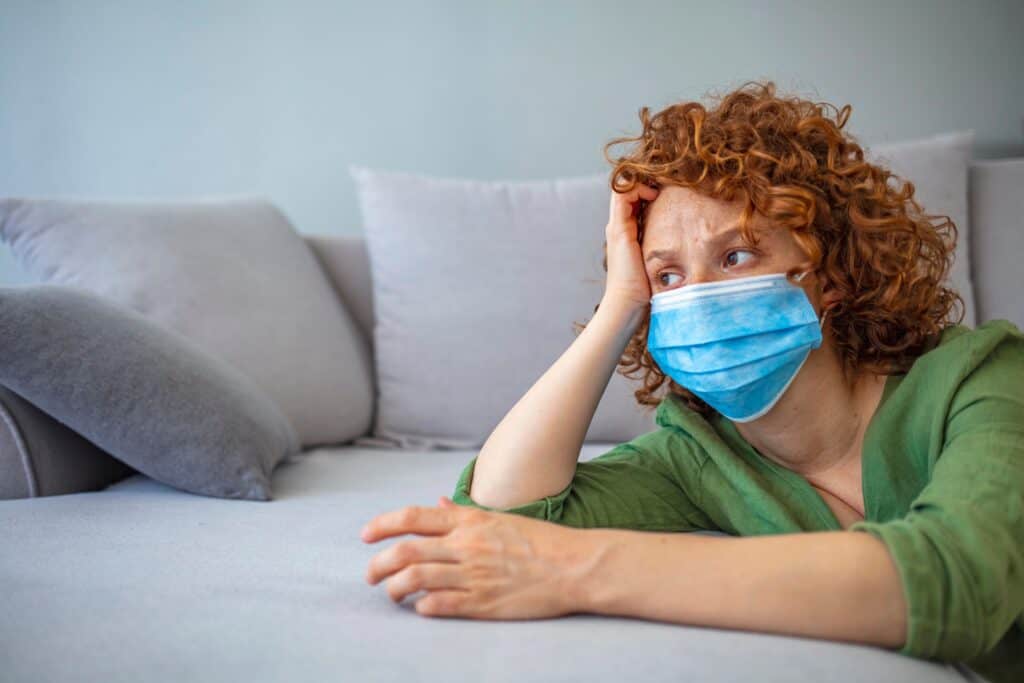
If you’ve felt a deep, persistent exhaustion since the pandemic, you’re not alone. It’s often called “quarantine fatigue,” a widespread feeling of weariness brought on by the stress, isolation, and upheaval of the COVID-19 era. This wasn’t just about feeling tired; it was a perfect storm for mental health challenges. The sudden loss of routines, social connections, and certainty created a heavy emotional burden for many people. In fact, at the peak of the pandemic, around 40% of adults in the U.S. reported struggling with their mental health or substance use.
This immense strain had devastating consequences. The disruption and emotional pain led many to cope in ways that were harmful. According to the CDC, drug overdose deaths tragically rose by about 30% in just one year, from 2019 to 2020. It’s a staggering statistic that highlights how deeply people were struggling. It’s important to understand that this isn’t a sign of personal failure. It’s a reflection of a collective public health crisis where millions of people were pushed to their limits. The anxiety, depression, and stress were real, and the turn toward substance use was, for many, a way to numb the pain of an incredibly difficult time. If this sounds familiar, know that your experience is valid, and you are far from the only one who felt this way.
What causes fatigue?
It’s easy to think of fatigue as just feeling physically tired, but it’s often much more complex. The quarantine experience amplified the common causes of fatigue, like poor sleep and chronic stress, turning them into a daily reality for many. Our routines were completely thrown off. Without the structure of commuting, regular work hours, or social events, our internal clocks got confused. This disruption, combined with constant anxiety about health, finances, and the future, made quality sleep feel impossible. Research shows that a huge number of people experienced sleep disturbances during this time. When you don’t get restorative sleep, you’re left with daytime fatigue that no amount of coffee can seem to fix.
This period also introduced a heavy dose of mental fatigue. Unlike physical fatigue from exercise, mental fatigue comes from sustained emotional and cognitive effort. Worrying constantly, adapting to new ways of working, and managing the emotional toll of isolation is draining. It’s the kind of exhaustion that leaves you feeling foggy and unmotivated, even if you haven’t moved from the couch all day. During the lockdown, many of us were battling both physical and mental fatigue at the same time, creating a cycle that was incredibly hard to break.
Mental health conditions
The pandemic didn’t just create new feelings of anxiety and depression; it also made existing mental health conditions much worse for many. The isolation and uncertainty acted like fuel on a fire for those already managing conditions like anxiety disorders or depression. For young adults, the impact was especially profound. In 2023, a staggering 50% of adults aged 18-24 reported symptoms of anxiety and depression, showing how deeply this demographic was affected by the disruption to their social and developmental years.
For many, fatigue and increased substance use are not the root problem but rather symptoms of an underlying mental health condition. This is often referred to as a dual diagnosis, where a substance use disorder and a mental health disorder occur at the same time. One often feeds the other. For instance, someone might drink alcohol to quiet their anxiety, only to find the anxiety worsens over time, leading to more drinking. Addressing one issue without the other rarely works. True, lasting recovery comes from integrated treatment that compassionately addresses both conditions simultaneously, helping people develop healthier coping skills for living one day at a time.
How can I ease or relieve fatigue at home?
Feeling drained day after day can feel hopeless, but there are small, manageable steps you can take at home to begin reclaiming your energy and well-being. You don’t have to make massive changes all at once. Instead, think of these tips as gentle adjustments to help your mind and body find balance. Here are a few evidence-based strategies to help you relieve fatigue:
- Establish a daily routine. Your body’s internal clock, or circadian rhythm, thrives on consistency. Try to wake up and go to bed around the same time each day, even on weekends. This simple habit can dramatically improve your sleep quality and reduce daytime fatigue.
- Prioritize sleep hygiene. Create a restful environment in your bedroom. Keep it cool, dark, and quiet. It’s also important to put away screens like phones and laptops at least an hour before bed. The blue light can interfere with your body’s ability to produce melatonin, the hormone that tells you it’s time to sleep.
- Engage in regular physical activity. When you’re exhausted, exercise might be the last thing on your mind, but even a short, 15-minute walk can boost your energy levels and improve your mood. Light physical activity is a powerful tool for better sleep and reduced stress.
- Maintain a balanced diet. What you eat directly impacts your energy. Focus on whole foods like fruits, vegetables, and lean proteins to avoid the energy crashes that come from sugar and processed foods. Staying hydrated by drinking plenty of water throughout the day is also key.
- Practice mindfulness or meditation. Chronic stress is a major cause of fatigue. Taking just a few minutes each day for deep breathing or a guided meditation can calm your nervous system and clear your mind. These mindfulness and addiction recovery techniques can make a big difference.
- Schedule social connections. Isolation can worsen fatigue. Make it a point to connect with friends or family, even if it’s just a quick phone call or a video chat. Nurturing your social ties is essential for your mental and emotional health.
When should I call my healthcare provider about fatigue?
While self-help strategies can be incredibly effective, there are times when fatigue and substance use are signs of a deeper issue that requires professional support. It’s important to know when to reach out for help. Recognizing that you need support is not a sign of weakness; it’s a courageous step toward healing.
Consider calling your healthcare provider if you notice any of the following warning signs:
- Your fatigue doesn’t improve even after making positive changes to your sleep, diet, and exercise habits.
- You find yourself using substances like alcohol or drugs more frequently or in larger amounts to cope with your feelings.
- You’ve tried to cut back on your substance use but find that you can’t, despite wanting to.
- Your fatigue or substance use is causing you to neglect your responsibilities at work, school, or home.
- You experience physical or emotional symptoms of withdrawal, like tremors, nausea, or intense anxiety, when you try to stop using a substance.
If these signs resonate with you, a confidential assessment can provide clarity and connect you with the right services. Understanding the root cause of your fatigue and substance use is the first step in creating a personalized plan for recovery.
There are people who understand what you’re going through and are ready to help you navigate this journey with compassion and expertise. Taking that step to ask for help can open the door to a healthier, more hopeful future. For more information on what to expect, you can learn about how rehab works and the different levels of care available.
Frequently asked questions
Substance abuse and quarantine fatigue are closely linked. During long periods of self-isolation and social distancing, many people experienced increased anxiety, depression, and low energy levels. These stressors led some individuals to rely on alcohol, prescription drugs, or other substances to cope. Studies from the National Institute on Drug Abuse have shown that pandemic-related stress and social isolation contributed to higher rates of alcohol use and drug misuse. Over time, this can increase the risk of developing a substance use disorder and make recovery even more challenging.
When dealing with quarantine fatigue, focusing on physical and mental health is key. Building healthy habits like regular exercise, balanced meals with whole grains, and maintaining a consistent sleep schedule can help restore energy levels. Talking to loved ones or joining online support groups can also provide mental health support. Limiting alcohol consumption and avoiding the misuse of prescription or illegal drugs are critical steps in protecting both mental and physical health. Even small lifestyle changes can be incredibly beneficial to your recovery process and overall well-being.
For those in addiction recovery, post-quarantine life can still bring feelings of stress, fatigue, and uncertainty. Staying connected with your support person, friends, or recovery community—whether in person or virtually—can make a major difference. If you’re struggling, reach out for professional addiction treatment or therapy to manage mental health issues like anxiety or depression. Continued focus on self-care, healthy coping skills, and accountability can help prevent relapse and strengthen long-term recovery. Remember, you don’t have to handle stress or isolation alone—help is easily accessible.
You’re not alone during the COVID 19 pandemic
The connection between quarantine fatigue and substance abuse is undeniable, but it’s also treatable. You don’t have to carry this weight by yourself. At Red Ribbon Recovery Indiana, we offer access to compassionate, evidence-based care designed to address the root causes of your struggles, not just the symptoms.
Getting help has never been more accessible. With flexible outpatient programs and telehealth services, you can receive support from the comfort and privacy of your home. The rise of virtual care has been a lifeline for many; in fact, telehealth has become a vital part of addiction and mental health treatment. A SAMHSA report shows that by 2020, nearly 60% of substance use treatment facilities were offering telemedicine services, making it easier for people to get the help they need. If you’re ready to take the first step, a virtual consultation can provide a clear, low-barrier path to start your recovery journey.
The strain of the last few years has been immense, but you don’t have to navigate the path forward alone. Healing is possible, and taking the first step is a sign of incredible strength. At Red Ribbon Recovery Indiana, our compassionate team is here to support you with a personalized plan that honors your unique journey. When you’re ready to talk, we’re here to listen. You can reach out to us by calling (317) 707-9848 or contact us today. A brighter, healthier future is within your reach, and we’re here to help you find it.
Sources
- CDC. A qualitative assessment of circumstances surrounding drug overdose deaths during the COVID-19 pandemic. https://www.cdc.gov/overdose-prevention/media/pdfs/SUDORS-Data-Brief-2.pdf
- National Institute on Drug Abuse. (November 20, 2023). COVID-19 and Substance Use. National Institute on Drug Abuse. https://nida.nih.gov/research-topics/covid-19-substance-use
- Harvard Health Publishing. (April 12, 2023). Boosting energy & managing fatigue. Harvard Health. https://www.health.harvard.edu/topics/energy-and-fatigue
- National Center for Complementary and Integrative Health. (January 2023). Mind and body approaches for stress and anxiety. NCCIH. https://www.nccih.nih.gov/health/providers/digest/mind-and-body-approaches-for-stress-science
- Indian Health Service. (October 11, 2024). Warning signs of substance and alcohol use disorder. IHS. https://www.ihs.gov/asab/familyfriends/warningsignsdrug/
- Substance Abuse and Mental Health Services Administration. (n.d.). A preliminary look at the mental health and substance use-related effects of COVID-19 on individuals. SAMHSA. https://www.samhsa.gov/sites/default/files/dtac/mental-health-substance-use-effects-covid-pandemic-srb.pdf
- Substance Abuse and Mental Health Services Administration. (December 29, 2021). Telemedicine services in substance use and mental health treatment facilities. SAMHSA. https://www.samhsa.gov/data/report/telemedicine-services
- Substance Abuse and Mental Health Services Administration. (n.d.). Integrated treatment for co-occurring disorders: Building your program. SAMHSA. https://library.samhsa.gov/sites/default/files/ebp-kit-building-your-program-10112019.pdf