
Methadone can stay in your system for days after your last dose, and its byproducts remain detectable even longer, up to about 90 days in a hair test. The answer to “how long does methadone stay in your system?” depends on your metabolism, your dose, how long you have taken it, and the type of drug test used. You might feel the effects for only a few hours, but the medication clears slowly because it is a long-acting opioid. Knowing these timelines can ease uncertainty and help you plan around drug testing and daily routines during medication-assisted treatment in Indiana.
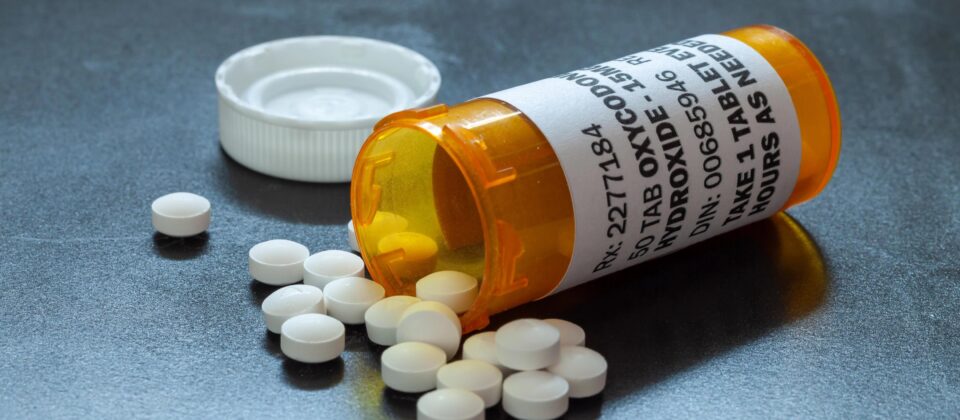
Understanding methadone: what is it and how does it work?
Methadone is a synthetic, long-acting opioid agonist used widely to treat opioid addiction. It’s one of several addiction medicines used in medication-assisted treatment. It works by fully activating the mu-opioid receptors in the brain. You can think of these opioid receptors as locks, and methadone acts as a key that fits them perfectly. By keeping these receptors activated at a steady, controlled level, methadone eases intense cravings and severe withdrawal symptoms without the rapid spikes that cause a euphoric high.
If you are wondering how long methadone takes to take effect, the answer is usually within two to four hours after a dose. The medication is absorbed slowly through the stomach. Because of this gradual absorption, patients on a stable maintenance dose usually feel completely normal rather than intoxicated.
When clinicians talk about how long a medication lasts, they refer to the half-life of methadone. A half-life is the time it takes for 50 percent of a substance to clear your body. The methadone half-life is highly variable, ranging anywhere from 8 to 59 hours depending on your body chemistry.
It generally takes about four to five half-lives for a drug to be more than 90 percent eliminated. Because methadone is long-acting, it takes much longer to leave your system completely than many other medications. Understanding this timeline helps you plan your recovery and know what to expect during treatment.
How long does methadone stay in your system?
The detection window depends heavily on your metabolism, your dose, and the specific type of drug test used. It is completely normal for traces of the medication to linger for days or even weeks because of its unique pharmacokinetic properties. In short, how long does methadone stay in the system for any one person varies more than it does for most other opioids.
| Testing method | Estimated detection window | Key considerations |
|---|---|---|
| Urine test | 3 to 14 days | Commonly detects the primary metabolite EDDP. |
| Blood test | 1 to 3 days | Reflects very recent use or therapeutic levels. |
| Saliva test | 1 to 3 days | Can detect the medication shortly after ingestion. |
| Hair follicle test | Up to 90 days | Shows long-term use rather than current impairment. |
Different testing methods have different strengths. Blood and saliva tests are best for spotting very recent use. Hair follicle tests are used to look at a longer history of use over several months. Because methadone is processed slowly, you should always expect it to remain detectable long after the physical effects have worn off. This is a normal part of the medication’s design and nothing to be alarmed about.
When a drug test is performed, laboratories often look for the primary metabolite EDDP. A metabolite is a substance created when your liver breaks down the original drug. Because your body processes methadone into EDDP, finding this specific metabolite is a clear indicator that the medication was properly digested.
It is important to remember that all detection timelines are just typical estimates. Depending on your personal metabolism, your daily dose, and the sensitivity of the test, your actual detection window can vary. If you ever have concerns about how this might impact your ability to pass a drug test for employment or legal reasons, always communicate openly with your treatment provider.

You can overcome addiction. Reach out to discover:
Methadone detection times by drug test type
When you move from learning about the medication to taking a drug test, it helps to understand how different testing methods work. Medical professionals use various tests to monitor methadone levels during treatment. Every method offers a different detection window. Remember that these are average estimates, and your personal timeline might look a little different.
Urine tests
Urine tests are by far the most common method used in opioid treatment programs. They are non-invasive, cost-effective, and highly reliable. Instead of looking only for methadone, these screenings usually look for the primary metabolite EDDP. Because your liver processes the medication into EDDP, this metabolite is often present in higher concentrations.
Blood tests
Blood tests have a much shorter detection window. They usually detect the medication for about 1 to 3 days after your last dose. Because blood tests measure the actual level of the drug currently circulating in your system, they are typically reserved for medical settings, emergency rooms, or immediate post-incident screenings.
Blood tests are invasive and require trained staff to draw the sample. Therefore, they are rarely used for routine monitoring in recovery programs. They are best used when a doctor needs to know your exact therapeutic levels at a specific moment in time.
Saliva tests
Saliva testing is another method used to spot very recent use. The drug can be detected in oral fluid just minutes after ingestion. It typically remains detectable in saliva for about 1 to 3 days.
While saliva tests are easy to administer, they are less standardized than urine tests. They are occasionally used in workplace drug screenings or roadside tests, but they only provide a narrow window of information. They answer whether the medication was taken in the last day or two, but they cannot show a long-term pattern of use.
Hair tests
Hair follicle tests offer the longest detection window of all the methods. It takes about 7 to 10 days for the drug metabolites to grow into the hair shaft above the scalp. Once there, a standard hair test can detect the medication for up to 90 days.
Hair tests measure long-term use rather than current impairment. They provide a historical record of what has been in your system over the past few months. While they are highly accurate for looking backward, they are not useful for determining if someone has taken a dose today or yesterday.
Free Insurance Check
Our rehab center accepts most insurance plans.
Check if your insurance will cover the cost of treatment by filling out our confidential insurance form. We accept most insurance plans.

Factors that affect how long methadone stays in your system
No two bodies process methadone exactly the same way, and it is a highly individualized medication. Does methadone have a long half-life? Yes, but the exact length depends on several personal variables. Your metabolism, your dose, and your overall health play major roles in how quickly your body clears the drug. There is no safe or effective way to speed up methadone elimination, and trying to do so can be dangerous.
Dosage and frequency of use
Your dosage size and how long you have been taking the medication are significant factors. Long-term use of methadone causes the medication to build up in your body tissues and fat cells. This accumulation means that a person taking a daily maintenance dose will take much longer to clear the drug than someone who took a single dose.
As your body chemistry adjusts to daily use, the medication reaches a steady state. When it comes time to stop, all of that accumulated medication must slowly be processed by the liver. Higher doses naturally require more time to be broken down and eliminated through your system.
Other medications and substances
Your liver enzymes are responsible for breaking down the drug. A specific enzyme called CYP3A4 metabolizes methadone into its inactive form. Other medications and substances can interact with these liver enzymes and change your pharmacokinetic properties.
For example, cimetidine is a common over-the-counter medication used to treat heartburn, and it can inhibit the enzymes that process methadone. Taking cimetidine can increase the half-life of methadone by up to 50 percent. Other prescription drugs, such as certain antidepressants or antifungal medications, can also slow down how fast methadone leaves your system. Always tell your doctor about every medication you take.
Hydration and pH levels
Your overall hydration and urinary pH levels can slightly shift your elimination rates. A highly acidic urinary pH can cause the drug to leave your body a little faster. Your age, body mass index, and kidney function also contribute to the timeline.
While these factors play a role, they only cause minor variations. You cannot safely manipulate your body chemistry or hydration levels to beat a drug test. The safest approach is always to follow your prescribed treatment plan and communicate openly with your clinical team.
How long does it take methadone to leave your system completely?
Because methadone has such a long half-life, full clearance takes time. If you are asking how long it takes for methadone to get out of your system, plan on roughly four to five half-lives, which can mean anywhere from a couple of days to about two weeks after your final dose.
Unopened liquid methadone dispensed by a pharmacy generally stays stable until its printed expiration date, but you should never keep, reuse, or share leftover doses, and any unused medication should be returned or safely disposed of.
WE ARE AVAILABLE 24/7
Request a call for answers and help.
If you or someone you care about is struggling with addiction or mental health problems, request a call to speak with a knowledgeable treatment specialist. Our team is here to help you understand your options for care. There is no cost or obligation to enter treatment by requesting a call.
"*" indicates required fields
False positives for methadone
A common concern for people in recovery is whether innocent over-the-counter medications can cause problems with testing. Can methadone cause a false positive? The short answer is yes. Certain everyday substances have occasionally triggered false positives on preliminary immunoassays.
The most common culprits are antihistamines and sleep aids. Medications like diphenhydramine and doxylamine share some structural similarities with opioids. In rare cases, taking these common cold or sleep medicines might cause an initial urine test to flag positive for methadone. If you are wondering how long does methadone stay in your system for a drug test, you should also be aware of what else might interfere with that test.
Fortunately, there is no need to panic if you pass a drug test but receive a confusing initial result. Treatment programs and laboratories use highly specific confirmatory lab testing to resolve false positives. A test called GC/MS separates the compounds and looks at their exact chemical fingerprint. This advanced lab confirmation easily distinguishes between methadone and a harmless allergy pill, turning a presumptive positive into a truly accurate negative.
Finding support for methadone recovery in Indiana
If you live in Indiana, you know firsthand that the opioid and methamphetamine crises have hit our communities hard. From the busy streets of Indianapolis and Fort Wayne to the quiet rural towns outside of Evansville, South Bend, and Gary, families across the state are looking for real help. At Red Ribbon Recovery Indiana, we understand the Midwestern values of faith, family, and hard work, and we are committed to being a grounded, community-focused partner for your recovery.
Financial worries should never stop you from getting help. We are proud to share that Indiana Medicaid covers a wide range of addiction treatment services for eligible residents. This includes outpatient care, drug and alcohol detox, and rehab programs. Medicaid removes the financial barriers so you can focus entirely on recommitting to your family, your community, and your health.
Rehab might feel like a big step, but remember why you're here—you’re looking for a way forward. We can help.
Frequently asked questions
How long does methadone stay in your system?
How long methadone stays in your system varies from person to person because methadone has a long and highly variable half-life. Factors that influence how long methadone remains in the system include the methadone dose, frequency of use, liver function, kidney function, metabolism, body composition, and length of treatment. Methadone’s long half-life also means its effects and detection window can extend well beyond those of many other opioids.
How long does methadone stay in urine?
Methadone can typically be detected in urine for several days after the last dose, although methadone detection times vary. Urine tests may detect methadone or its primary metabolite, EDDP, which helps confirm that the body has metabolized methadone. Factors such as long-term methadone use, liver function, dose, metabolism, and even urine characteristics can affect how long someone may test positive for methadone.
How do drug tests detect methadone?
The method for detecting methadone depends on the type of drug test. Urine tests are commonly used, while blood tests, saliva tests, and hair testing can provide different detection windows. Some tests mainly detect EDDP, methadone’s primary metabolite. Because standard opioid screenings may not reliably detect this synthetic opioid, a drug test may need to specifically include methadone or its metabolites.
Can methadone cause a false positive on a drug test?
Certain medications and testing limitations may cause a false positive on an initial methadone screening. If someone who has not taken methadone receives a positive result, confirmatory laboratory testing can help determine whether methadone or EDDP is actually present. Patients should tell healthcare providers about prescription drugs, over-the-counter medications, and other substances they take when undergoing drug testing.
Is it safe to stop taking methadone to clear it from your system?
Stopping methadone suddenly is generally not recommended for people receiving methadone as medication-assisted treatment (MAT) for opioid use disorder (OUD). Methadone works as a long-acting opioid medication by acting on opioid receptors to reduce withdrawal symptoms and cravings. Abruptly stopping maintenance treatment can trigger withdrawal symptoms and increase the risk of returning to other opioids. Anyone considering a methadone taper should work with their healthcare provider to develop a safe treatment plan rather than stopping solely to change how long methadone can be detected.
Take the next step with Red Ribbon Recovery Indiana
Understanding how your body processes medication is a vital part of taking control of your health. Whether you have drug testing questions or you are weighing your next steps, the right information helps you make confident choices. Recovery is about rebuilding your life, reconnecting with loved ones, and finding a supportive community right here in Indiana.
You do not have to sort out the medical details or the Medicaid paperwork on your own. Our team provides practical, warm, and expert care, whether you want to explore treatment options or safely taper off a medication. Call us today at (317) 707-9848 or visit Red Ribbon Recovery Indiana to schedule a confidential assessment with our clinical team. Contact us today.
We are here to help you or a loved one find addiction treatment near you.
Admitting you have a substance abuse problem and asking for help is not always easy. If you or a loved one are struggling with drug addiction, alcohol addiction or another substance use disorder, help is available. You can visit SAMHSA’s National Helpline to learn about resources in your area or reach out to our team by calling (317) 707-9848 to explore personalized treatment.
Treatment center reviews
Sources
- National Institute on Drug Abuse. (January 2024). Methadone. StatPearls Publishing.
- Indiana Family and Social Services Administration. (June 16, 2021). Substance Use Disorder (SUD)/Serious Mental Illness (SMI) Treatment. Indiana Medicaid.
- Centers for Medicare & Medicaid Services. (February 1, 2018). Healthy Indiana Plan SUD Implementation Protocol. Medicaid.gov.
- National Center for Biotechnology Information. (May 3, 2025). Elimination Half-Life of Drugs. StatPearls Publishing.
- National Center for Biotechnology Information. (July 4, 2023). Drug Elimination. StatPearls Publishing.
About the content

Written by: Carli Simmonds. Carli Simmonds holds a Master of Arts in Community Health Psychology from Northeastern University. From a young age, she witnessed the challenges her community faced with substance abuse, addiction, and mental health challenges, inspiring her dedication to the field.

Medically reviewed by: Jodi Tarantino, MSW, LICSW. Jodi Tarantino is an experienced, licensed Independent Clinical Social Worker (LICSW) and Program Director with over 20 years of experience in Behavioral Healthcare. Also reviewed by the RRR Editorial team.
Red Ribbon Recovery is committed to delivering transparent, up-to-date, and medically accurate information. All content is carefully written and reviewed by experienced professionals to ensure clarity and reliability. During the editorial and medical review process, our team fact-checks information using reputable sources. Our goal is to create content that is informative, easy to understand and helpful to our visitors.
Disclaimer: This website is for informational purposes only, not medical advice. Red Ribbon Recovery Indiana connects people with the full continuum of care, including a detox center Indiana, Indiana inpatient drug rehab, PHP Indiana, IOP Indiana, and outpatient rehab Indiana.
For those managing co-occurring conditions, our dual diagnosis treatment centers in Indiana treat addiction and mental health together. We also offer telehealth mental health and online addiction treatment for flexible, remote access to care.

