
Is methadone addictive? Methadone is a long-acting opioid, so it can be misused and it can cause addiction when someone takes it without a prescription, takes more than prescribed, or mixes it with other drugs. When it is dispensed through a certified opioid treatment program and taken as directed, it works differently. A stable dose prevents withdrawal and quiets cravings without the fast high and crash that keep heroin and fentanyl use going.
People on long-term methadone treatment do become physically dependent on it, which means stopping suddenly causes withdrawal. That is an expected effect of the medication and is different from addiction, which involves compulsive use despite harm. For many people in Indiana recovering from opioid use, that stability makes counseling, work, sleep, and family life manageable again.

What is methadone and how does it work?
Methadone is a synthetic opioid that doctors use to treat opioid use disorder and, separately, some types of severe pain. For opioid addiction, it is used as part of medication-assisted treatment, which pairs medication with counseling, behavioral support, and medical monitoring.
Methadone binds to the same mu-opioid receptors as heroin, fentanyl, and oxycodone. The difference is speed and duration. Methadone builds slowly and lasts a long time, so a steady daily dose keeps those receptors occupied enough to prevent withdrawal and reduce cravings without the sharp rise and fall of short-acting opioids.
That steadiness is the basis of methadone maintenance. Instead of cycling between using, cravings, and withdrawal, a person has room to focus on therapy, health, and relationships.
For people exploring treatment for opioid addiction in Indiana, methadone is one option among several. Whether it fits depends on opioid tolerance, medical history, other medications, past treatment, and how much daily structure a person can manage. People with long-term heroin addiction or fentanyl use often have a high tolerance, which is one reason methadone is considered for them.
How methadone compares with other addiction medicines
Methadone is one of three FDA-approved medications for opioid use disorder. The best choice depends on opioid tolerance, withdrawal risk, medical history, previous treatment, other medications, and whether someone can complete an opioid-free period before starting.
| Medication | How it works | Key consideration |
|---|---|---|
| Methadone | Full opioid agonist that activates opioid receptors in a controlled, long-acting way | Reduces cravings and withdrawal; for addiction treatment it is dispensed only through certified opioid treatment programs |
| Buprenorphine | Partial opioid agonist | Has a ceiling effect on some opioid effects and can be prescribed in a wider range of settings |
| Naltrexone | Opioid antagonist that blocks opioid receptors | Requires an adequate opioid-free period before treatment begins |
Methadone is a full agonist, while buprenorphine, the main ingredient in Suboxone, is a partial agonist with a ceiling effect. That difference can matter for people with a high tolerance or long-term fentanyl use. For a side-by-side look at access, flexibility, and withdrawal, see methadone vs Suboxone.
Naltrexone takes the opposite approach by blocking opioid receptors instead of activating them. Its monthly injectable form, Vivitrol, removes the need for a daily pill. A prescriber can compare the risks and benefits of each medication based on your history.
Pregnant women with opioid use disorder should plan medication treatment with an obstetric and addiction care team. Methadone and buprenorphine both have established roles during pregnancy under medical supervision.
You can overcome addiction. Reach out to discover:
Methadone half-life and daily dosing
Methadone has a long and highly variable half-life. In most adults it falls somewhere between about 8 and 59 hours, much longer than heroin, fentanyl, or oxycodone. Liver function, genetics, other medications, and how long someone has been taking methadone all affect how quickly it clears. For detection windows on urine, blood, saliva, and hair tests, see how long methadone stays in your system.
That long duration is why one daily dose can control withdrawal for a full day. It also means methadone builds up over the first several days of treatment, and the full effect of a dose change is not felt right away. Taking extra doses or increasing the dose too quickly can lead to dangerous accumulation, heavy sedation, slowed breathing, and overdose.
A prescribing doctor may gradually adjust the dose while monitoring:
- Withdrawal symptoms.
- Opioid cravings.
- Feeling tired or overly sedated.
- Continued use of illicit drugs or other opioids.
- Medication interactions.
- General health and treatment response.
Recent research notes that adequate maintenance dosing is important, but no universal dose works for everyone. Clinical guidelines emphasize individualized dosing, especially during the first several weeks of treatment.
Methadone treatment may continue for months or years when it remains beneficial. A person should not stop taking methadone or stop methadone treatment suddenly without medical guidance, because withdrawal symptoms can return and opioid tolerance may change.
Free Insurance Check
Our rehab center accepts most insurance plans.
Check if your insurance will cover the cost of treatment by filling out our confidential insurance form. We accept most insurance plans.

Common methadone side effects and safety
Most methadone side effects are mild and tend to ease once the dose is stable. Because methadone builds up over the first several days, clinicians start cautiously and adjust gradually.
Common methadone side effects include:
- Constipation.
- Dry mouth.
- Nausea.
- Drowsiness.
- Dizziness.
- Increased sweating.
- Weight gain.
- Feeling tired.
Talk with your prescriber about persistent or worsening symptoms instead of adjusting the dose on your own. For a fuller list, including less common but serious reactions such as heart rhythm changes, see methadone side effects.
Methadone interactions and overdose risk
Combining methadone with alcohol, benzodiazepines, opioid pain medicines, or other central nervous system depressants can increase the risk of severe sedation, respiratory depression, and opioid overdose.
Other medications may also affect how quickly methadone is processed, including some antibiotics, antifungals, seizure medications, and HIV medications. Because drug interactions can change methadone levels, a prescriber should have a complete list of prescription drugs, over-the-counter products, and supplements.
Methadone treatment has also been associated with reduced illicit opioid use and related harms, which can contribute to lower risks connected with injection drug use, including HIV transmission.
Physical dependence, withdrawal, and overdose warning signs
Physical dependence can develop during long-term methadone treatment, but that is not the same as addiction. Dependence means the body has adapted to the medication and may develop withdrawal symptoms if treatment stops suddenly.
Possible withdrawal symptoms include:
- Chills and sweating.
- Restlessness.
- Muscle or bone aches.
- Anxiety.
- Nausea or gastrointestinal discomfort.
- Sleep disruption.
An opioid overdose involving methadone can cause very slow or stopped breathing, extreme drowsiness, severe confusion, pinpoint pupils, blue or gray lips, or loss of consciousness.
If an overdose is suspected, call 911 immediately. Naloxone can temporarily reverse the opioid effects of methadone when available, but emergency medical care is still necessary because methadone can remain active longer than naloxone. Anyone who lives with a person taking methadone should keep naloxone at home. Our guide to overdose prevention and naloxone in Indiana explains how to get it.
WE ARE AVAILABLE 24/7
Request a call for answers and help.
If you or someone you care about is struggling with addiction or mental health problems, request a call to speak with a knowledgeable treatment specialist. Our team is here to help you understand your options for care. There is no cost or obligation to enter treatment by requesting a call.
"*" indicates required fields
How methadone fits into treatment for opioid use disorder
Methadone is a medication, not a level of care. It treats opioid use disorder and works best combined with counseling and other services as part of a broader medication-assisted treatment plan.
Federal rules set methadone apart from other addiction medicines. For opioid use disorder, it can only be dispensed through opioid treatment programs that are certified by SAMHSA and registered with the DEA. A regular doctor’s office cannot prescribe it for addiction, and retail pharmacies do not fill it for that purpose. These programs follow federal opioid treatment program standards for assessment, dosing, monitoring, and take-home eligibility.
In Indiana, the Division of Mental Health and Addiction reported 25 certified opioid treatment programs serving 14,825 people in state fiscal year 2024 (July 2023 to June 2024). The state keeps a current opioid treatment program directory with locations and contact information.
Access is still limited. A 2025 SAMHSA analysis of 2022 to 2024 national survey data found that only about 1 in 5 adults with opioid use disorder (19.4%) received any medication for it in the past year. In the Midwest, the figure was 20.3%.
How treatment intensity can change over time
The amount of behavioral and clinical support someone needs can change as recovery stabilizes. Methadone may continue while the surrounding level of care changes.
| Treatment phase | General focus | Possible support needs |
|---|---|---|
| Early stabilization | Establishing a safe and effective dose | Frequent monitoring, withdrawal management, counseling |
| Maintenance | Controlling cravings and withdrawal | Behavioral therapy, recovery planning, medical follow-up |
| Long-term recovery | Maintaining stability or considering gradual dose changes | Continued counseling, relapse prevention, community support |
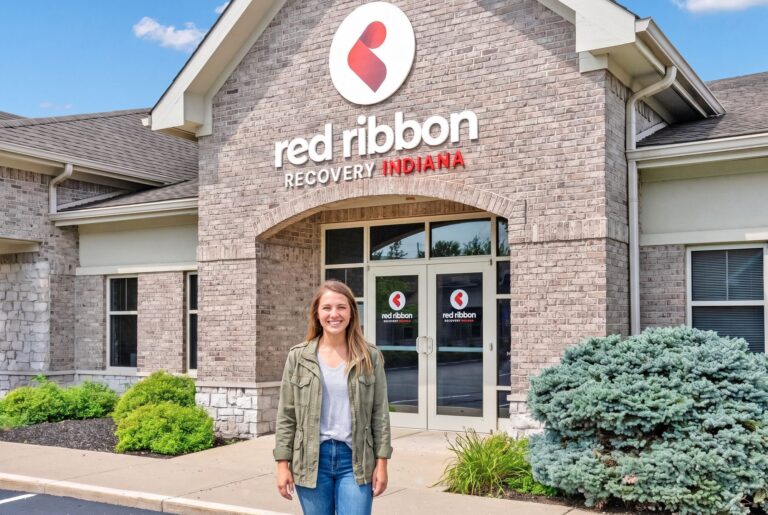
Red Ribbon Recovery Indiana in Greenwood offers outpatient levels of care that can run alongside medication treatment. Depending on clinical needs, a partial hospitalization program, intensive outpatient program, standard outpatient care, or virtual IOP provides different amounts of structure while daily dosing continues at an opioid treatment program.
When depression, anxiety, trauma, or another mental health condition occurs alongside opioid use, dual diagnosis treatment addresses both in the same plan. Aftercare adds continued accountability as formal treatment becomes less intensive.
Behavioral support alongside methadone maintenance
Methadone maintenance can reduce cravings and withdrawal symptoms, but medication does not address every part of opioid addiction. Behavioral approaches help people work through triggers, stress, relationships, and patterns connected to drug use.
Cognitive behavioral therapy helps identify the thoughts and situations tied to opioid use, while family therapy can address communication and trust at home. Some people also join a 12-step program or another peer-support group. Attitudes toward medication vary between individual meetings, so it helps to find a group that welcomes people on medication-assisted treatment.
Take-home methadone and safe storage
A federal rule update to 42 CFR Part 8 took effect in April 2024 and gave opioid treatment programs more flexibility. Clinicians can now offer take-home doses earlier based on clinical judgment and stability, and initial evaluations for methadone can happen by audio-video telehealth. The rule also clarified that attending counseling is offered as part of care and is no longer a condition of receiving medication. Each program still sets its own policies within those rules.
Take-home methadone needs to be stored in a locked place, out of reach of children and pets, and never shared. A dose that is safe for someone with opioid tolerance can be fatal to a child or to an adult who does not use opioids. Return or dispose of unused doses the way your program instructs.
Methadone prescribed for severe chronic pain follows a different dosing approach and is handled through regular prescriptions, separate from opioid treatment programs.
Rehab might feel like a big step, but remember why you're here. You’re looking for a way forward. We can help.
Key Takeaways
- Methadone is a medication that stabilizes opioid withdrawal and cravings, allowing individuals to focus on their recovery treatment.
- It is offered as part of structured medication programs to help individuals reclaim their relationships and daily routines from opioid use.
- For those in Indiana seeking opioid recovery options, including methadone treatment, resources are available by contacting the provided number.
Frequently asked questions
How does methadone maintenance treatment help with opioid addiction?
Methadone maintenance treatment can reduce cravings and withdrawal symptoms associated with opioid addiction, heroin dependence, and other forms of drug dependence. Methadone works by activating opioid receptors more gradually than many illegal opioids, with effects that may last 24 to 36 hours. As part of medication-assisted treatment, it is generally combined with medical monitoring, counseling, and behavioral support rather than used as a standalone approach.
How can the correct dose reduce opioid overdose risk?
The correct dose is individualized according to factors such as opioid tolerance, medical history, other medications, and treatment response. Overdose risk is especially important during early treatment because methadone can accumulate in the body. Excessive sedation, pinpoint pupils, dizziness, and slow or difficult breathing require immediate medical attention. Naloxone can temporarily reverse an opioid overdose, but methadone may remain active longer than naloxone.
Is methadone used only for drug dependence?
No. Methadone is used to treat opioid use disorder and can also provide pain relief for certain forms of severe pain. The dosing approach for pain is different from treatment for drug dependence. The World Health Organization includes methadone on its Model List of Essential Medicines, reflecting its established medical role.
How long does long-term treatment with methadone last?
There is no single timeline. Long-term treatment may continue for a year, several years, or longer when it remains clinically beneficial. Clinical guidelines have historically recommended at least 12 months for many people receiving methadone for opioid use disorder. Treatment duration should reflect individual stability, ongoing drug use, withdrawal risk, and recovery needs rather than an arbitrary deadline.
How does methadone work in closed settings?
In closed settings, such as correctional environments, continuity of methadone treatment can help prevent withdrawal and interruptions in care. Clinical guidelines generally emphasize maintaining appropriate treatment and planning continuity following release. Methadone does not produce the same effect in every person, so dosing and monitoring remain individualized, particularly when opioid tolerance or other health factors change.
Getting your footing back in Indiana
Recovery is about reclaiming the relationships and daily routines that make life worth the effort. If the daily struggle with opioid use has worn you down, a structured medication program offers a steady, reliable way forward. To talk through your options with someone who cares, contact us by calling (317) 707-9848 to learn more about your options in Indiana.
We are here to help you or a loved one find addiction treatment near you.
Admitting you have a substance abuse problem and asking for help is not always easy. If you or a loved one are struggling with drug addiction, alcohol addiction or another substance use disorder, help is available. You can visit SAMHSA’s National Helpline to learn about resources in your area or reach out to our team by calling (317) 707-9848 to explore personalized treatment.
Treatment center reviews
Sources
- National Institute on Drug Abuse. Chapter 5: Specialized Substance Abuse Treatment Programs. NCBI.
- SAMHSA. Become an Opioid Treatment Program (OTP). SAMHSA.
- Centers for Medicare & Medicaid Services. Opioid Treatment Programs (OTP). CMS.
- Indiana Department of Health. (March 31, 2021). Medication-Assisted Treatment (MAT). Indiana Department of Health.
- National Institutes of Health. Methadone – StatPearls. NCBI.
- Substance Abuse and Mental Health Services Administration. (September 9, 2025). NSDUH Data Spotlight: Medications for Opioid Use Disorder Among Adults Who Had an Opioid Use Disorder. SAMHSA.
- Indiana Division of Mental Health and Addiction. (2024). 2024 Annual Report: Opioid Treatment Program, FY24. Indiana General Assembly.
- Substance Abuse and Mental Health Services Administration. (February 2, 2024). Medications for the Treatment of Opioid Use Disorder. Federal Register.
About the content

Written by: Carli Simmonds. Carli Simmonds holds a Master of Arts in Community Health Psychology from Northeastern University. From a young age, she witnessed the challenges her community faced with substance abuse, addiction, and mental health challenges, inspiring her dedication to the field.

Medically reviewed by: Jodi Tarantino, MSW, LICSW. Jodi Tarantino is an experienced, licensed Independent Clinical Social Worker (LICSW) and Program Director with over 20 years of experience in Behavioral Healthcare. Also reviewed by the RRR Editorial team.
Red Ribbon Recovery is committed to delivering transparent, up-to-date, and medically accurate information. All content is carefully written and reviewed by experienced professionals to ensure clarity and reliability. During the editorial and medical review process, our team fact-checks information using reputable sources. Our goal is to create content that is informative, easy to understand and helpful to our visitors.
Disclaimer: This website is for informational purposes only, not medical advice. Red Ribbon Recovery Indiana connects people with the full continuum of care, including a detox center Indiana, Indiana inpatient drug rehab, PHP Indiana, IOP Indiana, and outpatient rehab Indiana.
For those managing co-occurring conditions, our dual diagnosis treatment centers in Indiana treat addiction and mental health together. We also offer telehealth mental health and online addiction treatment for flexible, remote access to care.

