
Vivitrol side effects fall into two groups. Nausea, headache, fatigue, and soreness at the injection site are common, mild, and usually gone within days.
The serious side effects are rare but need immediate medical attention: sudden opioid withdrawal, liver damage, and severe allergic reactions. Knowing the difference is the whole point.
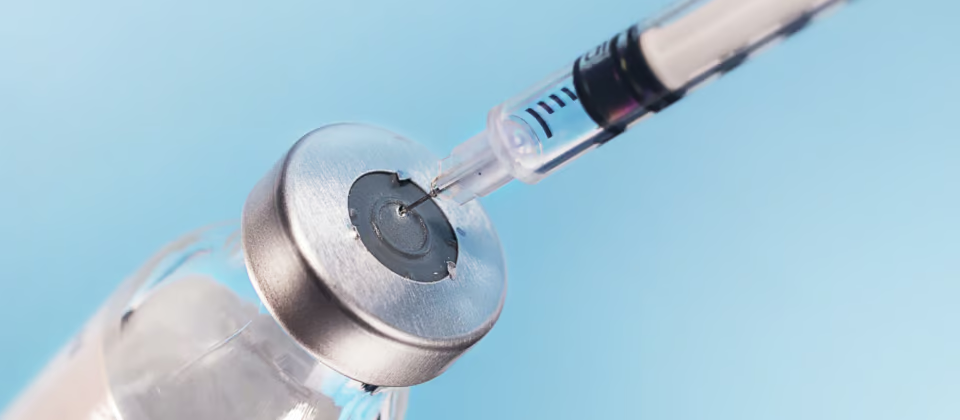
Vivitrol is a monthly injection of extended-release naltrexone. Vivitrol blocks opioid receptors, and understanding what to expect after each shot keeps your healthcare provider ahead of anything unusual.
Common side effects of Vivitrol
Most side effects associated with a Vivitrol shot are mild to moderate and improve within a few days to a few weeks as the body adjusts. The side effects Vivitrol causes most often are local: injection site reactions, followed by nausea and headache.
Vivitrol is one of several medication-assisted treatments used in addiction treatment, and knowing how the medication affects you helps you use it safely. Injectable naltrexone is the same core drug in a longer-acting form.
Vivitrol is approved for both alcohol dependence and opioid dependence. Whether you are starting Vivitrol for alcohol use disorder or opioid use disorder, the 380 mg dose and the side effects profile are the same.
| Side effect | How often | What helps |
|---|---|---|
| Injection site pain or swelling | Most frequent effect | Rotate sides, use a cold pack the first day. |
| Nausea | Very common after the first dose | Small frequent meals, steady hydration. |
| Headache | Common early | Rest in a quiet room and drink water. |
| Fatigue or unusual tiredness | Common | Keep a regular sleep schedule. |
| Muscle cramps or joint pain | Occasional | Light stretching and short walks. |
Nausea, headache, and unusual tiredness
Nausea is the most widely reported systemic side effect and usually arrives within hours of the first Vivitrol injection. For most people taking Vivitrol, it improves within a few days.
Headache, dizziness, decreased appetite, and unusual tiredness follow close behind. Unusual tiredness that keeps deepening rather than fading is worth a call, because it can also signal liver problems.
Muscle cramps, joint pain, and sleep changes
Muscle cramps, joint pain, and joint stiffness are mild side effects that show up for some people after a shot. Light stretching and short walks help more than rest does.
Does Vivitrol affect sleep? It can. Some people sleep more in the first week, others report trouble falling asleep, and both usually settle by the second injection.
Mood changes and depressed mood
In pivotal clinical trials, depressed mood was reported by ten percent of patients receiving Vivitrol at the 380 mg dose. Irritability and low mood are the most common mood-related side effects of Vivitrol.
Because the medication changes how your brain handles reward, some people receiving Vivitrol treatment feel emotionally flat early on. Tell your healthcare provider, since depression is treatable and should not be waited out.
Vivitrol injection site reactions
The side effects of Vivitrol injection that people notice first are local: injection site pain, tenderness, bruising, redness, and mild swelling. These Vivitrol shot side effects usually peak on day one and ease over the following week. Most side effects of Vivitrol shot doses settle well before the next injection, though a small lump can linger.
Less common effects
Some people report erectile dysfunction, appetite changes, or toothache. Kidney problems are uncommon but relevant if you already have reduced kidney function, so include that in your health history. The drug information contained on a package insert lists dozens of rare side effects. Ask a licensed healthcare professional which ones actually apply to you rather than reading the list alone.
Managing mild side effects at home
Small frequent meals and steady hydration handle most nausea. A quiet room and water handle most headaches, and a consistent sleep schedule supports your energy while your body adjusts.
Keep a short daily note of when a symptom starts, how strong it is, and whether it improves. That log helps your healthcare provider distinguish ordinary mild side effects from anything that needs a closer look.
Mild symptoms that are bothersome rather than dangerous still deserve a mention. Your healthcare provider can suggest medication or timing changes for nausea and headaches instead of leaving you to endure them.
You can overcome addiction. Reach out to discover:
Serious Vivitrol side effects requiring immediate medical attention
Serious side effects from Vivitrol are uncommon, but never downplay severe symptoms. Some complications are medical emergencies and require hospital care the same day.
Risk of sudden opioid withdrawal
You must be opioid free for 7 to 14 days before your first injection. Heroin, fentanyl, buprenorphine, methadone, and any prescription medication containing an opioid all count.
Injecting too soon knocks any remaining opioid drug off your receptors at once. That triggers precipitated withdrawal, and the opioid withdrawal symptoms are intense enough to require hospital care.
Those severe withdrawal symptoms are why opioid addiction and physical dependence history are reviewed so carefully before a first dose. Once the injection is given, the medication cannot be removed from your body.
Liver damage and liver function monitoring
Vivitrol can cause liver damage, and rare cases of hepatitis and serious liver injury have been reported. Call a doctor immediately for yellowing skin or eyes, dark urine, pale stools, or severe upper stomach pain. Anyone with existing liver disease needs closer watching, because impaired liver function changes how safely the drug is tolerated. Regular liver function tests track your enzymes throughout Vivitrol treatment.
Severe allergic reactions and anaphylaxis
A severe allergic reaction is life-threatening. Signs include sudden trouble breathing, wheezing, chest pain, severe hives, and swelling of the face, tongue, or throat.
Some allergic reactions present as eosinophilic pneumonia, with cough, wheezing, and shortness of breath developing over days. Serious allergic reactions of either kind mean emergency medical care, not a wait-and-see approach.
Severe injection site reactions
Severe injection site reactions are rare but can progress to tissue necrosis requiring surgical repair. Blistering, open wounds, spreading redness, warmth suggesting infection, discharge, or intense pain all mean call a doctor now.
Rotating sides with each monthly shot lowers the risk. People receiving Vivitrol injections long term should watch for scarring, and any injection site change that worsens after week one deserves medical attention.
Depression and suicidal thoughts
Depression and suicidal thoughts or behaviors are very rare but serious side effects. If they appear during Vivitrol treatment, they need immediate attention, not monitoring.
Tell a healthcare professional on your care team the same day. Mood symptoms respond to treatment, and adjusting the plan is far better than stopping Vivitrol treatment on your own.
OUR PROCESS
1
Get in touch
with us2
Do a free
assessment3
Review your
insurance4
Start your
addiction treatment
Start your recovery today!
(317) 707-9848How long do Vivitrol side effects last?
The medication stays active for about a month, but the uncomfortable effects don’t last that long. Most mild side effects resolve within a few days to two weeks.
The Vivitrol side effects timeline week by week
Week one carries the most. Nausea starts the day of the injection and typically improves within a few days, and injection site pain lessens noticeably over three to seven days. Weeks two through four are usually quiet. According to the FDA prescribing information, systemic side effects fade as the release curve flattens, even though the drug wears off only near the end of the month.
Vivitrol injection side effects that appear suddenly, intensify, or arrive weeks after your shot are a different story. That pattern deserves prompt review rather than waiting for the next appointment.
Long-term side effects of Vivitrol
Continuous monthly use is generally safe and effective when properly supervised. The main long-term side effects to watch for are liver problems and injection site scarring.
Long-term side effects of Vivitrol can include liver damage such as hepatitis, which usually heals over several months when treated. Untreated, it can cause lasting problems, which is why monitoring during long-term Vivitrol treatment matters.
The monthly shot compared with the daily naltrexone pill
Both use the same core medication. The injection removes the need to remember a daily dose, which many people find steadying during the high-risk early weeks.
The tradeoff is permanence. A pill can be stopped today, while an injection stays in your system for a month, so a healthcare professional reviews your medical history carefully first.
Free Insurance Check
Our rehab center accepts most insurance plans.
Check if your insurance will cover the cost of treatment by filling out our confidential insurance form. We accept most insurance plans.

Vivitrol safety: what to avoid during treatment
Vivitrol safety depends mostly on what you avoid during Vivitrol treatment. One drug combination in particular carries a real risk of death.
- Opioid overdose risk. You will not feel illicit opioids while the blockade holds. Taking large amounts to override it is the most common route to a fatal opioid overdose on this medication.
- Dangerous drug interactions. The injection blocks every opioid-containing product, including prescription pain relievers, some cough syrups, and certain anti-diarrhea medications.
- Consuming alcohol. Vivitrol reduces the reward from drinking, but it does not make alcohol safe, and heavy drinking still stresses your liver.
- Existing medical conditions. Liver disease, hemophilia, bleeding disorders, and kidney problems all change the risk picture.
- Pregnancy and breastfeeding. Discuss plans with your provider before your first shot so you can make the decision with full information.
Health history to share before you start
Bring your recent opioid and alcohol use, any liver problems, bleeding disorders, pregnancy status, and a full list of other medications, including over-the-counter products. Drug interactions are easiest to prevent before the first shot.
A complete health and medication history can help a healthcare professional identify potential interactions, contraindications, and other risks before treatment begins.
WE ARE AVAILABLE 24/7
Request a call for answers and help.
If you or someone you care about is struggling with addiction or mental health problems, request a call to speak with a knowledgeable treatment specialist. Our team is here to help you understand your options for care. There is no cost or obligation to enter treatment by requesting a call.
"*" indicates required fields
How Vivitrol fits into addiction treatment in Indiana
Medication handles the physical craving. Whether the target is alcohol dependence or opioid dependence, it does not handle habits, triggers, or relationships, which is why the injection works best inside a full treatment plan.
Pairing the injection with therapy
Injectable naltrexone performs best combined with psychosocial care, for alcohol use disorder and opioid use disorder alike. The Substance Abuse and Mental Health Services Administration reaches the same conclusion across its treatment guidance.
Vivitrol may be combined with cognitive behavioral therapy, group or individual therapy, and family therapy when clinically appropriate. Medication may address cravings or opioid receptor activity, while therapy can focus on coping skills, triggers, relationships, and behavior change.
Levels of care and local access
The appropriate level of care depends on withdrawal risk, medical stability, substance use patterns, mental health needs, and day-to-day functioning. Your addiction treatment plan can step through a PHP Indiana, an IOP Indiana, and an outpatient rehab Indiana as you stabilize, with dual diagnosis treatment centers in Indiana addressing any co-occurring condition.
When to talk with your doctor
Call a healthcare provider the same day for jaundice, intense abdominal pain, trouble breathing, chest pain, or a worsening injection site. Those are not wait-and-see symptoms. Also reach out when side effects stop being mild. If side effects disrupt your daily life, your healthcare professional can adjust supportive care rather than leaving you to push through.
Rehab might feel like a big step, but remember why you're here—you’re looking for a way forward. We can help.
Key Takeaways
- Vivitrol injections can cause common side effects like nausea and fatigue, as well as serious risks such as liver injury or severe injection site reactions.
- Before starting Vivitrol, it is crucial to consider your health history, recent opioid use, and other medications to ensure treatment safety.
- For questions about Vivitrol side effects, medication safety, or addiction treatment options in Indiana, contact the provided number.
Frequently asked questions
Can Vivitrol be used for alcohol dependence?
Vivitrol is approved for alcohol dependence in people who are able to stop drinking before treatment begins. It is an extended-release injectable suspension of naltrexone given on a monthly schedule. A healthcare provider considers alcohol use, medical history, liver health, and other medications when deciding whether Vivitrol is appropriate.
What drug interactions matter while receiving Vivitrol?
Drug interactions are especially important with opioid-containing medications because Vivitrol blocks opioid receptors. Prescription pain relievers, some cough medicines, and other opioid products may not work as expected while someone is receiving Vivitrol. A healthcare provider should review all prescribed medications, supplements, and other substances before treatment.
Does Vivitrol affect liver function?
Vivitrol can affect liver function in some people, particularly when liver disease is already present. Impaired liver function may change whether treatment is appropriate or whether additional monitoring is needed. Discuss yellowing of the skin or eyes, dark urine, or persistent upper abdominal pain promptly with a healthcare professional.
Can Vivitrol increase the risk of opioid overdose?
Opioid overdose risk can increase if someone tries to overcome the receptor blockade with large amounts of opioids or returns to opioid use after Vivitrol wears off, when tolerance may be lower. For people with opioid addiction, this is an important safety concern to discuss before and during treatment.
Can receiving Vivitrol cause erectile dysfunction or other side effects?
Erectile dysfunction has been reported, although it is less common than nausea, headache, fatigue, or injection-site reactions. The standard Vivitrol dose for approved uses is 380 mg given intramuscularly about once a month. Safe and effective treatment depends on appropriate screening, correct administration, and ongoing communication with a healthcare provider.
Getting started with Vivitrol treatment in Indiana
Vivitrol side effects can range from temporary nausea, fatigue, headache, or injection site discomfort to less common but serious concerns involving liver injury, severe injection site reactions, allergic reactions, or precipitated opioid withdrawal. Medication decisions should account for health history, recent opioid use, other medications, and any new or worsening symptoms. Contact us by calling (317) 707-9848 with questions about Vivitrol side effects, medication safety, opioid or alcohol use, and addiction treatment options in Indiana.
We are here to help you or a loved one find addiction treatment near you.
Admitting you have a substance abuse problem and asking for help is not always easy. If you or a loved one are struggling with drug addiction, alcohol addiction or another substance use disorder, help is available. You can visit SAMHSA’s National Helpline to learn about resources in your area or reach out to our team by calling (317) 707-9848 to explore personalized treatment.
Treatment center reviews
Sources
- National Center for Biotechnology Information. (2008). Chapter 5—Extended-Release Injectable Naltrexone. National Center for Biotechnology Information.
- Substance Abuse and Mental Health Services Administration. (August 25, 2025). Treatment Options for Substance Use Disorder. Substance Abuse and Mental Health Services Administration.
- National Center for Biotechnology Information. (July 21, 2023). Opioid Withdrawal – StatPearls. National Center for Biotechnology Information.
- National Center for Biotechnology Information. (March 24, 2020). Naltrexone – LiverTox. National Center for Biotechnology Information.
About the content

Written by: Carli Simmonds. Carli Simmonds holds a Master of Arts in Community Health Psychology from Northeastern University. From a young age, she witnessed the challenges her community faced with substance abuse, addiction, and mental health challenges, inspiring her dedication to the field.

Medically reviewed by: Jodi Tarantino, MSW, LICSW. Jodi Tarantino is an experienced, licensed Independent Clinical Social Worker (LICSW) and Program Director with over 20 years of experience in Behavioral Healthcare. Also reviewed by the RRR Editorial team.
Red Ribbon Recovery is committed to delivering transparent, up-to-date, and medically accurate information. All content is carefully written and reviewed by experienced professionals to ensure clarity and reliability. During the editorial and medical review process, our team fact-checks information using reputable sources. Our goal is to create content that is informative, easy to understand and helpful to our visitors.
Disclaimer: This website is for informational purposes only, not medical advice. Red Ribbon Recovery Indiana connects people with the full continuum of care, including a detox center Indiana, Indiana inpatient drug rehab, PHP Indiana, IOP Indiana, and outpatient rehab Indiana.
For those managing co-occurring conditions, our dual diagnosis treatment centers in Indiana treat addiction and mental health together. We also offer telehealth mental health and online addiction treatment for flexible, remote access to care.

