

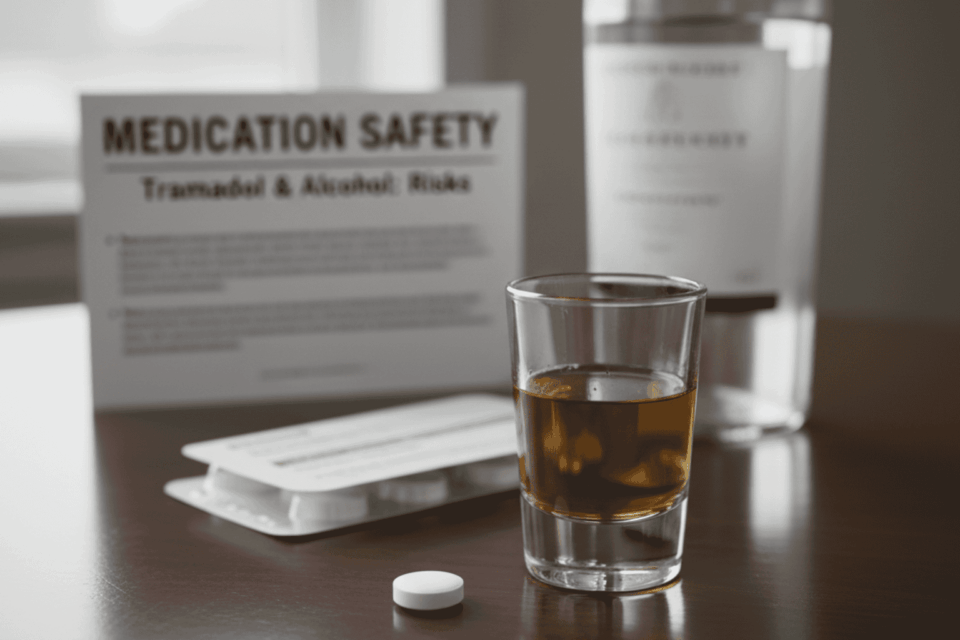
Tramadol and alcohol are two substances that can significantly affect how both the brain and body function. Tramadol is a prescription medication often used to treat moderate to severe pain, while alcohol is a common social beverage that acts as a depressant on the central nervous system. When either substance is used in excess, it can slow breathing, impair coordination, and impact decision-making. When taken together, the risks become even greater, as both amplify each other’s sedative and potentially dangerous effects.
At Red Ribbon Recovery Indiana, we recognize that education is one of the most crucial tools in preventing harm related to substance use. Understanding how tramadol and alcohol interact helps individuals, families, and communities recognize warning signs, reduce risk, and support better mental and physical health outcomes. Through awareness and open discussion, it becomes possible to prevent serious consequences and encourage safer, healthier choices.
How tramadol and alcohol affect the central nervous system
Both tramadol and alcohol act as central nervous system depressants, meaning they slow communication between the brain and the rest of the body. When someone is drinking alcohol while taking tramadol, the combined sedative effects can cause extreme drowsiness, confusion, slowed breathing, and loss of coordination. These effects occur because both substances interfere with how the brain processes pain messages, manages alertness, and regulates movement.
Understanding how these two substances interact in the central nervous system highlights why mixing tramadol and alcohol is considered extremely dangerous. Even small amounts can create significant risk, especially for people with chronic pain, a history of substance misuse, or existing mental health issues.
How does combining tramadol with drinking alcohol affect mental health?
Both tramadol and alcohol alter brain chemistry, affecting mood, motivation, and emotional control. When taken together, they can increase irritability, sadness, or anxiety. Over time, this combination may lead to mental health issues such as depression, emotional instability, or substance use disorder.
Dangers of mixing tramadol and alcohol: risk of dual addiction
Mixing tramadol and alcohol can cause dependence on both substances. This condition, often called dual addiction, creates a cycle where a person relies on one substance to manage the effects of the other. The constant shift in brain chemistry can make it difficult to manage emotions and can worsen mental health problems over time.
Prolonged use can increase the risk of anxiety disorders, mood swings, and self-destructive behaviors. The link between alcohol, mental health, and tramadol abuse highlights the importance of early awareness and intervention before these effects become long-lasting.

Alcohol and tramadol risks and withdrawal symptoms
Both tramadol and alcohol affect the central nervous system, and stopping them suddenly can cause severe withdrawal symptoms. When the body becomes used to these substances, it struggles to adjust once they are removed. This reaction can lead to physical discomfort, emotional distress, and in some cases, medical emergencies.
Common withdrawal symptoms
People who have consumed tramadol regularly or engaged in alcohol abuse may experience:
- tremors or shaking
- anxiety or panic
- sweating and chills
- insomnia or difficulty sleeping
- nausea and vomiting
- mood changes or irritability
- in severe cases, seizures or hallucinations
Withdrawal and the risk of tramadol or alcohol overdose
Withdrawal can also increase the risk of overdose. When tolerance drops after stopping tramadol and alcohol, returning to previous higher doses can overwhelm the body, leading to respiratory depression, loss of consciousness, or even life-threatening overdose. This is especially dangerous when other drugs are involved or when alcohol is consumed again during withdrawal.
The importance of medical supervision
Because both substances can cause serious consequences during the withdrawal process, detox at a detox center Indiana must occur under medical supervision. Healthcare providers can monitor vital signs, manage severe withdrawal symptoms, and reduce the risk of respiratory failure or other complications. Safe withdrawal helps protect both physical health and mental stability during recovery.
Long-term effects of tramadol and alcohol misuse
Prolonged tramadol and alcohol use can cause significant damage to the liver, heart, and brain. These substances slow the central nervous system and interfere with normal organ function, which can lead to high-risk health problems such as liver damage, irregular heartbeat, and reduced oxygen flow to the brain. Heavy or repeated alcohol drinking while taking tramadol increases the chances of developing certain cancers, liver disease, and respiratory failure.
Effects on mental health and cognition
Over time, chronic substance misuse can lead to severe mental health issues. People may experience memory loss, confusion, mood changes, and difficulty managing chronic pain without medication.
These effects are often worsened when other drugs or alcoholic beverages are involved. Long-term tramadol and alcohol abuse may also contribute to depression, anxiety, and substance use disorder, especially when emotional support and mental health care are limited.
Lasting consequences of tramadol and alcohol abuse
Even after a person stops consuming alcohol or taking tramadol, some effects may persist if the body and brain have not fully healed. Without proper mental health support, people may continue to struggle with negative consequences such as fatigue, poor concentration, and emotional instability.
Understanding the long-term risks of alcohol and tramadol use is essential for reducing harm and promoting lasting recovery and well-being.

Levels of care for drug and alcohol treatment
Detox is often the first step in managing substance misuse involving tramadol and alcohol. This process helps the body safely clear toxins while minimizing withdrawal symptoms such as tremors, anxiety, or nausea.
Detox may take several days, depending on how much alcohol or tramadol was used and whether other drugs were involved. Medical supervision is recommended to reduce the risk of respiratory depression or other complications during this stage.
Inpatient treatment
Inpatient or residential programs provide a structured environment where individuals can focus on recovery full-time. These settings often include individual counseling, group therapy, and education about substance abuse and mental health.
Inpatient care can be beneficial for people with dual addiction, severe withdrawal, or co-occurring mental health disorders.
Partial hospitalization treatment
Partial hospitalization programs (PHP) are designed for individuals who need a higher level of care than outpatient treatment but do not require overnight stays.
These programs typically offer daily therapy sessions, medical support, and education about coping with substance use disorder and its effects on physical and mental health.
Intensive outpatient treatment
Intensive outpatient programs (IOP) provide structured therapy several times a week while allowing individuals to maintain work, school, or family responsibilities.
Treatment often focuses on relapse prevention, managing mental health symptoms, and developing strategies to avoid triggers related to tramadol and alcohol use.
Standard outpatient treatment
Outpatient care offers flexibility for individuals who are stable and ready to apply recovery skills in daily life. This level of care may include individual therapy, peer support, and continued monitoring of mental health and progress.
Dual diagnosis treatment
Many people who struggle with alcohol abuse or tramadol misuse also face underlying mental health issues such as depression, anxiety, or trauma.
Dual diagnosis treatment focuses on addressing both conditions at once, helping individuals understand how mental illness and substance use influence each other.
Virtual treatment
Virtual or telehealth programs make mental health and substance use education accessible through online therapy sessions, support groups, and recovery planning.
These programs can help reduce barriers to care, especially for individuals who live in rural areas or cannot attend in person.
12-step treatment
12-Step programs are community-based approaches that emphasize peer support, accountability, and ongoing recovery.
Meetings are available in person and online, offering a safe space for individuals to share experiences, build healthy connections, and maintain sobriety from drugs and alcohol.

Understanding the risks and finding support
Mixing tramadol and alcohol creates significant risks for both the body and mind. These substances may seem manageable on their own, but when combined, they can lead to life-threatening respiratory depression, mental health challenges, and long-term harm to the heart, liver, and brain. Awareness and education are essential in preventing misuse and helping individuals make informed decisions about their health.
At Red Ribbon Recovery Indiana, our drug rehab in Indiana, we believe that knowledge is the first step toward safety and recovery. Our goal is to provide accurate, compassionate information about substance use, mental health, and prevention resources so that individuals and families can better understand the challenges they face. If you or someone you care about is affected by tramadol and alcohol misuse, contact us at Red Ribbon Recovery Indiana to learn more about the risks and available support that can make a lasting difference.
Sources
- Dic-Ijiewere, E. O., & Osadolor, H. B. (2023). CYP24A1 and CYP3A4 levels, renal, hepatic changes, and incidence of oxidative stress in tramadol-alcohol concomitant misuse. Cureus, 15(3), e36877.
- Canver, B. R., Newman, R. K., & Gomez, A. E. (2025). Alcohol withdrawal syndrome. In StatPearls [Internet]. Treasure Island (FL): StatPearls Publishing. Updated February 14, 2024.
- Manouchehri, A., Nekoukar, Z., Malakian, A., & Zakariaei, Z. (2023). Tramadol poisoning and its management and complications: A scoping review. Annals of Medicine and Surgery (London), 85(8), 3982–3989.

