

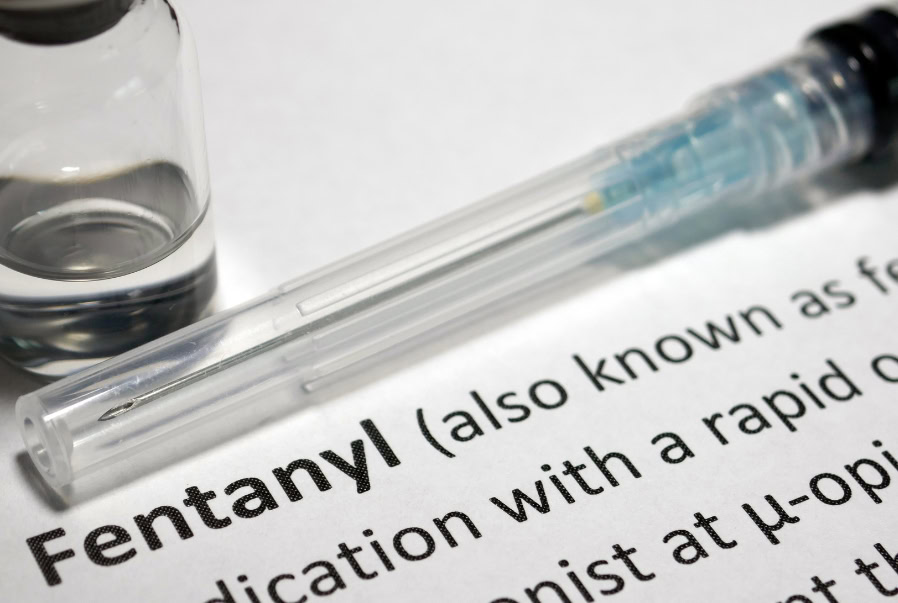
Fentanyl in Indiana is not a headline from a few years ago. It is the single biggest reason overdoses turn deadly today, and it has quietly changed the risk for anyone who uses street drugs of any kind. Even as overdose deaths finally start to fall statewide, fentanyl remains the driver families need to understand. If someone you love uses drugs, this is the threat to plan around, and there are concrete things you can do this week to lower the risk.
Why fentanyl is so dangerous
Fentanyl is a synthetic opioid that is far more potent than heroin. A very small amount can stop someone’s breathing, and the difference between a dose that gets someone high and a dose that kills them is tiny. It is also cheap to produce, which is why it has spread through the drug supply so completely. When Indiana overdose deaths surged, synthetic opioids like fentanyl were behind most of them, and even the recent decline has not removed fentanyl from the picture.
How fentanyl took over Indiana’s supply
Fentanyl spread because it is cheap and easy to move. It is manufactured in labs rather than grown, so suppliers can produce large amounts at low cost and mix it into other drugs to stretch their product and deepen dependence. Over the past several years it has replaced much of the heroin supply and worked its way into the pill and stimulant markets. For families, the lesson is that the drug landscape their loved one is facing is more dangerous than the one they may remember from a decade ago, even when the substance looks the same.
There is real good news worth naming. A weaker fentanyl supply is one reason overdose deaths have dropped sharply since 2023, with opioid deaths down nearly 50 percent nationally from their peak. Federal data show the share of seized pills carrying a potentially lethal dose of fentanyl fell from 76 percent in 2023 to 29 percent in 2025. That is progress, not safety. Fentanyl is still in the supply, still unpredictable, and still the leading cause of overdose death, so the steps below have not changed.
Fentanyl is showing up in more than opioids
This is the part that catches families off guard. Fentanyl is no longer just a heroin problem. It is being pressed into counterfeit pills made to look like real prescription oxycodone, Xanax, or Adderall, and it is turning up in cocaine and methamphetamine. That means people who never intended to touch an opioid can still overdose on one. A college student who buys what they think is a study pill, or a weekend user who buys cocaine, can be exposed without knowing it.
The practical takeaway is blunt. Unless a medication came from a pharmacy in its original bottle, there is no way to know what is in it by looking. That uncertainty is exactly what makes fentanyl so lethal, and it is why prevention has to assume the worst about any non-prescribed pill or powder.
Warning signs of a fentanyl overdose
Knowing the signs lets you act in the minutes that matter. Call 911 immediately if you see:
- Slow, shallow, or stopped breathing, sometimes with a gurgling or snoring sound
- Blue or gray lips, fingertips, or skin
- Pinpoint pupils and a limp body
- Unresponsiveness, meaning the person does not wake to their name or to a firm rub on the breastbone
If you suspect an overdose, give naloxone if you have it. Because fentanyl is so strong, one dose may not be enough, so be ready to give a second and keep emergency help on the way.
Two tools that lower the risk today
Two free resources make a measurable difference. Fentanyl test strips let someone check a substance for fentanyl before using, which is not a guarantee of safety but does give a person the information to make a different choice. Naloxone reverses an opioid overdose and should be in the home of anyone who has a loved one at risk. Both are available across Indiana at community distribution sites, and naloxone is also mailed free to residents who request it.
Having these tools in the house is not permission or encouragement. It is the same logic as keeping a fire extinguisher. You hope you never use it, and you are grateful it is there if you do.
Why treatment is the real protection
Test strips and naloxone reduce the chance that a bad moment becomes a fatal one. They do not treat the addiction underneath. As long as fentanyl is in the supply, continued use means continued exposure to a drug that is engineered to be unpredictable. The most durable way to protect a loved one is to help them stop using, and that means treatment built for opioids specifically.
Effective care usually combines medication-assisted treatment, which reduces cravings and withdrawal, with counseling that addresses the reasons use started. Many people also need telehealth addiction treatment in Indiana to make appointments realistic around work and family. The right combination depends on the person, and it is worth talking through with clinicians who treat opioid use disorder every day.
Recovery from fentanyl is realistic. People rebuild jobs, relationships, and health every day, and the first appointment is usually the hardest part. What makes it stick is staying in care long enough for the brain and body to heal, which is why aftercare and ongoing support matter as much as the first few weeks.
How to talk to a loved one about the risk
You do not need a perfect speech to bring up fentanyl. Lead with concern rather than accusation, and keep it specific. You might say that you have read the supply is contaminated now, that you are scared for them, and that you want them to at least keep naloxone and test strips on hand. Meeting someone where they are, without demanding they quit on the spot, keeps the conversation open. Small agreements, like carrying naloxone or letting you hold some, can become the first steps toward a larger one.
How Red Ribbon Recovery Indiana helps
Red Ribbon Recovery Indiana provides opioid addiction treatment in Indiana through outpatient programs based in Greenwood and available statewide by telehealth. That includes medication-assisted treatment, a partial hospitalization program, an intensive outpatient program, dual diagnosis care for co-occurring anxiety, depression, or trauma, and aftercare that keeps support in place long after the first appointment.
When a person needs medical detox or a referral to inpatient rehab in Indiana before outpatient treatment, we coordinate that placement with trusted partners and then bring them into our programs to continue recovery. Families do not have to navigate the system alone.
Frequently asked questions
How do I know if a pill has fentanyl in it?
You cannot tell by sight. Fentanyl test strips are the only at-home way to check, and any non-prescription pill should be treated as a risk.
Can you overdose on fentanyl in cocaine or meth?
Yes. Fentanyl contamination in stimulants is a growing cause of overdose in people who do not consider themselves opioid users.
Does naloxone reverse a fentanyl overdose?
Yes, though it may take more than one dose because fentanyl is so potent. Always call 911 as well.
Do not wait for the next scare. If fentanyl has touched your family, call Red Ribbon Recovery Indiana at (317) 707-9848 to verify your insurance and start opioid treatment. The sooner use stops, the sooner the risk drops.
Sources
- Indiana Public Media. (March 23, 2026). Drop in opioid overdose deaths nears 50% since 2023. Indiana Public Media.
- Centers for Disease Control and Prevention. (May 14, 2025). U.S. overdose deaths decrease almost 27% in 2024. National Center for Health Statistics.
- Overdose Lifeline. (n.d.). Naloxone distribution in Indiana.
- Indiana Department of Health. (n.d.). Overdose prevention. IN.gov.

