
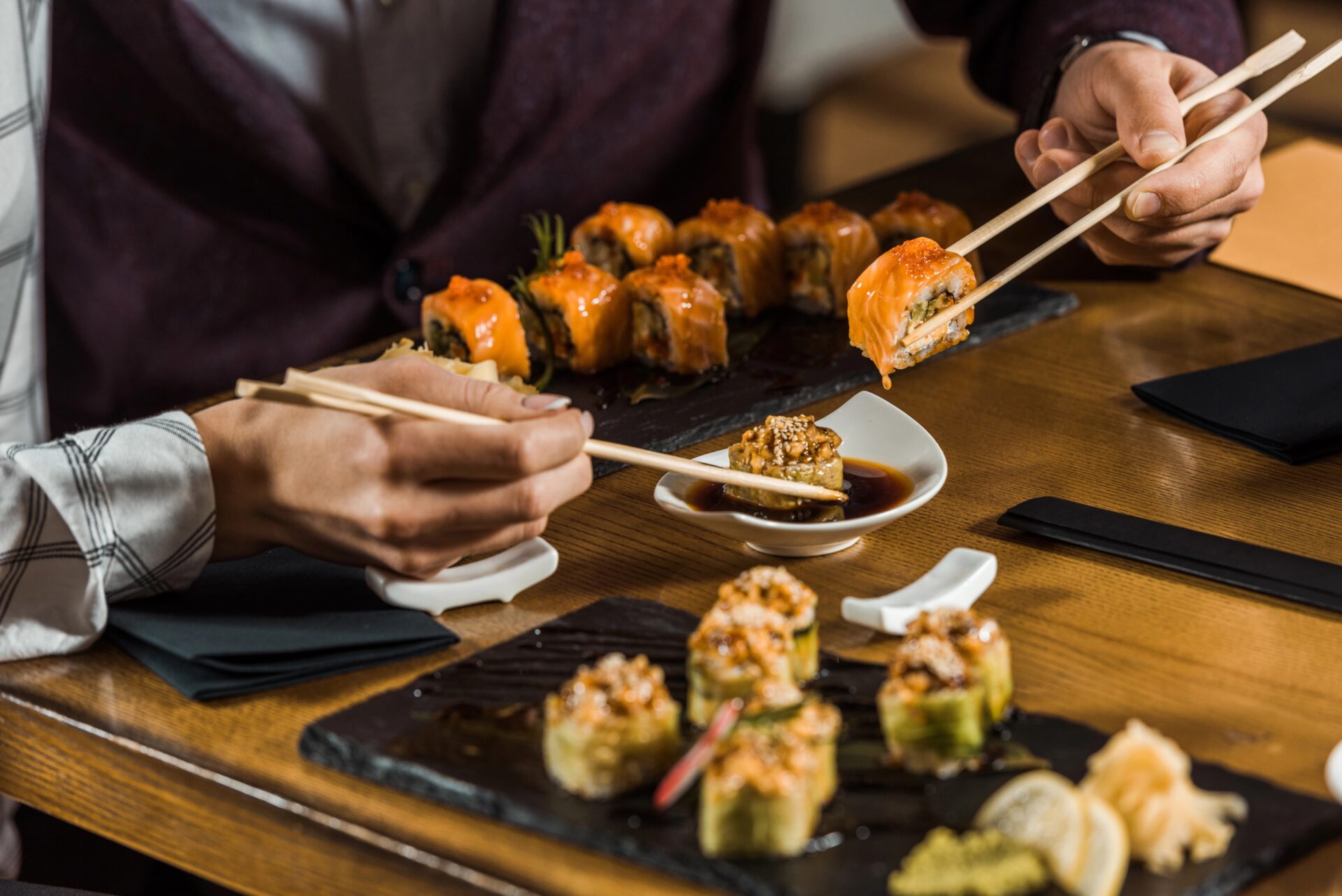
Stepping back into the world after committing to sobriety is a huge accomplishment, but it can also feel like navigating a minefield. Simple things, like grabbing a meal with friends, suddenly seem complicated. If the thought of eating at restaurants while sober fills you with a mix of excitement and anxiety, you’re not alone. It’s a common hurdle in the recovery journey, but it’s one you can absolutely clear with a little preparation and confidence. This isn’t about missing out; it’s about discovering new ways to enjoy life and connect with the people you care about, fully present and in control.
Understanding the challenge of eating at restaurants while sober
Feeling anxious about dining out is completely valid. Restaurants are often designed around the sale of alcohol, and it can feel like it’s everywhere. In fact, studies show how alcohol is frequently used to make people feel more sociable, which can add to the pressure. This creates a challenging environment for anyone in recovery. The triggers can come from all directions. There are environmental cues, like the sight of a wine bottle or the smell of beer, that can spark a craving.
Then there’s the social pressure from friends or colleagues who might not understand your journey and encourage you to have “just one.” And finally, there are internal triggers, like old memories or feelings of stress, that you might have previously managed with a drink. These feelings are especially common when navigating social anxiety, a challenge that many face in early sobriety.
Preparing for a sober dining experience
One of the best ways to build confidence for sober dining is to have a solid plan before you even leave the house. Walking in prepared can make all the difference, turning a potentially stressful situation into an enjoyable one. Here are a few practical coping skills and steps you can take:
- Choose the right setting. Suggest restaurants that are more focused on food than alcohol. A cozy café, a family-style Italian place, or a spot known for its amazing desserts is often a safer bet than a loud sports bar or a trendy cocktail lounge.
- Look at the menu online. Most restaurants post their menus online. Take a few minutes to decide what you want to eat and, just as importantly, what you’ll drink. Having a non-alcoholic beverage in mind, like an iced tea or a specific soda, means you can order confidently without hesitation.
- Bring a sober friend. If possible, go with a supportive friend or family member who knows about your recovery. Having an ally with you can provide a powerful sense of support and accountability. If you’re looking for ways to prepare for social events, exploring tips for your first 30 days of sobriety can offer valuable strategies.
- Have a response ready. Think about what you’ll say if someone offers you a drink. A simple, “No thanks, I’m good with my water,” is usually enough. You don’t owe anyone a detailed explanation.
Navigating social situations
Once you’re at the restaurant, your preparation will pay off. When the server comes to take drink orders, you can confidently ask for your pre-selected non-alcoholic beverage. Don’t be afraid to order first to set the tone. How you handle these moments is a skill, and like any skill, it gets easier with practice. The ability to set boundaries and manage social anxiety is central to what we teach at Red Ribbon Recovery.
Understanding the strong association between social influences and drinking outcomes is key. Our dual diagnosis treatment in Indiana, for instance, uses evidence-based therapies to help you build confidence for these exact real-world scenarios. It’s also wise to have an exit plan. If you start to feel overwhelmed or triggered, it is perfectly okay to leave. You can say you have an early morning or you’re not feeling well. Your well-being comes first, always.
Practice saying no
Having a few go-to phrases ready can make it easier to decline a drink without feeling awkward. The key is to be polite but firm. Here are a few confident statements you can use:
- “No thanks, I’m driving tonight.”
- “I’m not drinking right now, but I’d love a club soda with lime.”
- “Thank you, but I’ll just stick with my water for now.”
- “I’m focusing on my health, so I’m skipping alcohol.”
Remember, “no, thank you” is a complete sentence. Your personal choice not to drink doesn’t require a lengthy explanation or justification.
Beware of foods that contain alcohol
It’s not just the drinks you have to think about. Alcohol can sneak into various menu items, and even a small amount can be a trigger or compromise your sobriety. It’s important to be aware of common dishes that may contain hidden alcohol. A little vigilance can help you make safe and confident choices for your meal.
- Sauces and glazes. Dishes like penne alla vodka, beer-can chicken, or anything with a wine reduction sauce or bourbon glaze will contain alcohol.
- Beer-battered foods. Fried fish, onion rings, or other items with a beer batter should be avoided.
- Flambéed dishes. Anything set alight with liquor, like steak Diane or bananas Foster, will still have alcohol in it.
- Classic desserts. Tiramisu, cherries jubilee, and rum cake are common desserts made with alcohol.
Don’t ever feel ashamed to ask your waiter about the ingredients in a dish. A simple question like, “Is there any alcohol in this sauce?” is completely normal. Your server is there to help you have a good experience, and ensuring your meal aligns with your recovery is part of that. Knowing the risks is a key part of managing Alcohol Addiction.
Exploring exciting non-alcoholic options
Here’s the wonderful news: dining out sober is more exciting than ever. Thanks to the growing sober-curious movement, which has led to more people seeking healthier beverage options, restaurants are stepping up their game. The drink menu isn’t just about alcohol anymore. Many establishments now offer a creative and delicious selection of non-alcoholic beverages that are just as special as their cocktail counterparts. You can find everything from craft mocktails made with fresh juices and artisanal syrups to zero-proof spirits that mimic the complexity of gin or whiskey.
Don’t be afraid to ask the bartender to create something special for you. This is a chance to explore new flavors and reframe your thinking. Sobriety isn’t about restriction; it’s about discovering a richer, more vibrant way of living. Embracing this is truly a gift of sobriety.
Frequently asked questions
It’s really challenging when you feel social pressure from friends. Your first step is to use one of your prepared responses, such as a simple, firm “No, thanks, I’m not drinking tonight.” You don’t need to explain yourself further.
If the pressure continues, it might be time to set a clearer boundary or even leave the situation. Your sobriety and well-being are the top priority. Remember, true friends will respect your choices and support your recovery journey.
Feeling a little out of place at first is completely normal, especially if everyone else drinks alcohol. Try to shift your focus. Instead of thinking about what you’re missing, concentrate on what you’re gaining: clear conversations, the delicious taste of your meal, and a morning with no regrets.
Ordering a fun mocktail or a special non-alcoholic beverage can also help you feel more included. Having a festive glass in your hand can make a big difference, and it reminds you that you’re treating yourself, too. and remind
This is a very personal choice and an important question in recovery. Most “non-alcoholic” beers and wines still contain trace amounts of alcohol (up to 0.5% by law). For some people, the taste and smell can be a powerful trigger, creating cravings for the real thing.
Others find them to be a safe substitute that helps them feel included in social situations. It’s often best to be cautious, especially early in your sobriety. We recommend discussing this with a therapist or support network to decide what’s right for your journey.
If a strong craving hits, the first step is to pause and take a few deep breaths. Try not to panic. Excuse yourself from the table and go to the restroom or step outside for a moment to reset.
Use this time to “play the tape forward” and think about the consequences of giving in. If you have a sober friend or family member you can text, reach out to. If the feeling is too intense, use your exit plan and leave; your recovery always comes first. or
A great strategy is to be the one who makes the plans! Instead of waiting for an invitation to a bar or restaurant, you can suggest activities that are naturally alcohol-free. This puts you in control of the environment.
Consider suggesting things like grabbing coffee, going for a hike, seeing a movie, trying a new dessert spot, visiting a museum, or even taking a cooking class together. Framing it as a fun, new experience often gets people excited to break out of the usual routine.
Stay sober while enjoying a good meal
Beyond simply navigating a challenge, dining out sober brings incredible rewards that reinforce your recovery journey. You’ll find that you’re more present, fully engaged in conversations, and able to create genuine connections with your friends and family. You’ll remember every detail of the evening clearly, from the delicious food to the shared laughter. Plus, you’ll wake up the next morning feeling refreshed and proud of yourself, with no regrets and a healthier bank account. Each successful outing builds your confidence and resilience, proving that a joyful, fulfilling social life is not just possible, it’s a beautiful part of your sober lifestyle.
Navigating your social life while maintaining sobriety is a journey of rediscovery, and you don’t have to do it alone. Building confidence and developing coping skills through an outpatient rehab in Indiana are key to long-term success. If you need support, the compassionate team at Red Ribbon Recovery Indiana is here to help. Give us a call at (317) 707-9848 or reach out to us online to learn more about how we can support you on your path to a fulfilling, sober life.
Sources
- (May 25, 2023). Alcohol may make you more sociable in person, but not online. American Association of Universities.
- PubMed Central. (January 2012). Association between social influences and drinking outcomes. PubMed Central.
- PubMed. Cognitive functioning in sober social drinkers: a review of the literature. PubMed.
- (January 18, 2024). Understanding sober-curious: Consumer mindsets in the move to healthier beverages. Yale School of Management.