
Anxiety treatment helps when worry, panic, or avoidance starts running your days, disrupting sleep, work, and relationships. Anxiety disorders are among the most treatable mental health conditions, and the best-supported options are cognitive behavioral therapy, exposure-based therapy, and certain medications.
Anxiety is common. In 2024, about 19.4 million U.S. adults (7.4%) had moderate or severe symptoms of generalized anxiety disorder, and nearly 4 in 10 of them received no mental health treatment in the past year, according to SAMHSA. At Red Ribbon Recovery Indiana in Greenwood, we treat anxiety in our outpatient programs, especially when it occurs alongside alcohol or drug use, with in person and virtual care.

Understanding anxiety disorders and treatment options

An anxiety disorder involves persistent fear, worry, or avoidance that causes significant distress or gets in the way of daily life. Symptoms often include racing thoughts, muscle tension, poor sleep, a rapid heartbeat, and trouble concentrating.
The main anxiety disorders are generalized anxiety disorder, panic disorder, social anxiety disorder, separation anxiety disorder, and specific phobias. Obsessive-compulsive disorder (OCD) and post-traumatic stress disorder (PTSD) share features with anxiety but are diagnosed and treated as separate conditions.
Anxiety affects children and adults, and symptoms vary widely. A mental health professional looks at how long symptoms have lasted, family history, physical health, current medications, and substance use before recommending treatment. When anxiety and substance use occur together, dual diagnosis treatment addresses both at the same time.
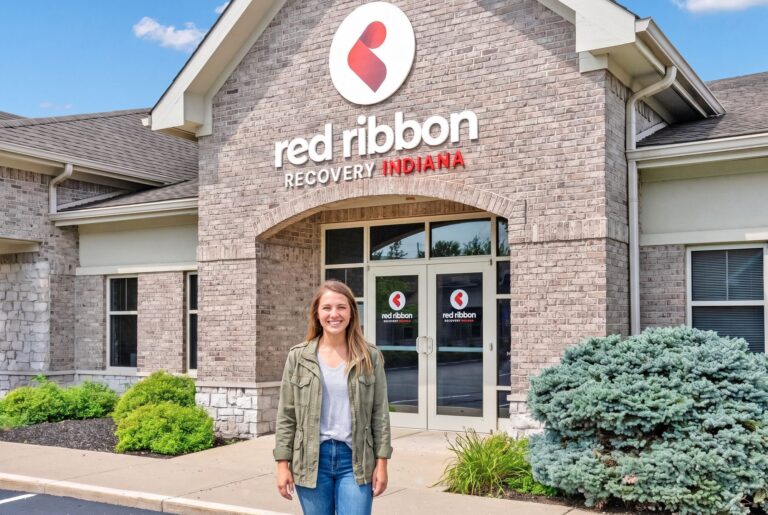
You can overcome addiction. Reach out to discover:
Psychological therapies for anxiety disorders
Psychotherapy, also called talk therapy, is a first-line treatment for most anxiety disorders. Different approaches help you understand anxious thoughts, reduce avoidance, manage emotional reactions, and build practical coping skills.
Cognitive behavioral therapy (CBT) is the most studied psychological treatment for anxiety. Other approaches, including exposure therapy, acceptance and commitment therapy (ACT), and the distress tolerance skills taught in dialectical behavior therapy (DBT), may fit depending on your diagnosis, symptom severity, and goals. Most of this work happens in individual therapy, sometimes paired with group sessions.
How cognitive therapy and exposure therapy help manage anxiety
Cognitive behavior therapy, commonly called cognitive behavioral therapy (CBT) in the United States, is a structured psychological treatment that helps people recognize connections between thoughts, feelings, and behaviors. Cognitive therapy focuses on identifying negative thoughts and developing more balanced ways of interpreting anxiety-provoking situations. Behavior therapy emphasizes practical changes, including reducing avoidance and strengthening problem-solving skills.
Exposure therapy helps people gradually confront feared situations, memories, or sensations in a controlled environment. Rather than avoiding everything that triggers anxiety, individuals learn to tolerate uncertainty and discover that feared outcomes may be less likely or more manageable than anticipated. Research supports exposure-based approaches for several anxiety disorders, although treatment techniques differ depending on the diagnosis.
Acceptance and commitment therapy and mindfulness-based approaches
Acceptance and commitment therapy (ACT) teaches you to notice difficult thoughts and emotions without being controlled by them. Instead of trying to get rid of every anxious feeling, ACT helps you take actions that match your values, which builds psychological flexibility.
Mindfulness practices can add to other treatments by bringing attention back to the present moment. Structured programs such as mindfulness-based cognitive therapy usually run about eight weeks. These methods can help manage anxiety symptoms, but they are not a substitute for professional care when symptoms are severe or persistent. Our blog covers how mindfulness supports addiction recovery as well.
How treatment differs for generalized anxiety disorder and other conditions
Each anxiety disorder has its own pattern, and treatment is matched to it:
- Generalized anxiety disorder. Persistent, hard-to-control worry about many areas of life. CBT focused on worry and tolerating uncertainty is a first-line treatment, often with an SSRI or SNRI.
- Panic disorder. Repeated, unexpected panic attacks and fear of the next one. Treatment usually includes exposure to the physical sensations of panic so they lose their power.
- Social anxiety disorder. Intense fear of being judged or embarrassed that leads to avoiding social or performance situations. CBT with gradual exposure has the strongest evidence.
- Specific phobias. Intense fear of a particular object or situation, such as heights, needles, or flying. Exposure therapy is highly effective, sometimes in just a few sessions.
Some people do well with therapy alone, and others benefit from therapy combined with medication.
Building a personalized anxiety treatment plan
A good anxiety treatment plan reflects the type of anxiety disorder, how severe it is, your physical health, and your preferences. Some people do well with psychotherapy alone, while others need medication or a combination.
Your provider should also check whether medical conditions, prescription drugs, heavy caffeine use, alcohol, or other substances are feeding your anxiety. A plan may include stress management, relaxation skills, better sleep habits, and group therapy or support groups alongside individual treatment.
OUR PROCESS
1
Get in touch
with us2
Do a free
assessment3
Review your
insurance4
Start your
addiction treatment
Medication for anxiety disorders
Medication can be an effective component of anxiety treatment, particularly when symptoms are persistent, severe, or interfere with daily functioning. Selective serotonin reuptake inhibitors (SSRIs) and serotonin-norepinephrine reuptake inhibitors (SNRIs) are commonly prescribed for several anxiety disorders. Some people benefit from medication alongside psychotherapy, while others respond well to psychological treatment alone.
Medication selection depends on the type of anxiety disorder, medical history, possible side effects, and other mental health conditions. A licensed healthcare professional can help determine whether medication is appropriate and monitor its effects over time.
Types of anxiety medication
Anxiety medications fall into a few main classes, each with a different job. Some work gradually to stabilize mood and stress over several weeks, while others ease physical symptoms in the moment or interrupt an acute panic attack. Which one fits depends on your symptoms, your history, and whether substance use is part of the picture.
The most common classes and their key trade-offs are summarized here.
| Medication class | Examples | Common applications | Important considerations |
|---|---|---|---|
| SSRIs | Sertraline, escitalopram | Generalized anxiety, panic disorder, social anxiety | Often take several weeks to improve symptoms |
| SNRIs | Venlafaxine, duloxetine | Certain anxiety disorders | Side effects and suitability vary |
| Beta blockers | Propranolol | Selected physical symptoms, including performance anxiety | Do not directly address persistent anxious thoughts |
| Benzodiazepines | Lorazepam, diazepam | Selected short-term situations | Dependence, sedation, and withdrawal risks require caution |
Choosing medication based on symptoms and health history
SSRIs and SNRIs are usually the first medications considered for generalized anxiety disorder and other anxiety conditions. They can take several weeks to work and can cause side effects, so a prescriber should monitor how you respond.
Beta blockers can reduce physical symptoms such as trembling or a racing heart in specific situations, particularly performance anxiety. Benzodiazepines relieve severe anxiety quickly but carry risks of sedation, tolerance, physical dependence, and withdrawal. They are generally reserved for short-term or carefully selected situations.
When anxiety occurs alongside alcohol or drug use, medication decisions need extra care. Combining benzodiazepines with alcohol or opioids can slow breathing to dangerous levels, as our page on the dangers of mixing Xanax and alcohol explains. Stopping benzodiazepines suddenly after dependence develops can cause serious withdrawal. If you’re worried about your own use, read about benzodiazepine addiction treatment and talk with a healthcare professional before changing any medication.
Free Insurance Check
Our rehab center accepts most insurance plans.
Check if your insurance will cover the cost of treatment by filling out our confidential insurance form. We accept most insurance plans.

Managing anxiety through lifestyle and coping strategies
Lifestyle adjustments can complement psychotherapy and medication by supporting emotional well-being and helping people manage everyday stress. Regular exercise, adequate sleep, relaxation techniques, and supportive relationships may reduce anxiety symptoms, although they are not substitutes for professional treatment when symptoms are severe.
Practicing coping skills consistently can make them easier to use during stressful moments. These strategies can be adapted to accommodate individual needs, physical health conditions, mobility limitations, and co-occurring mental health concerns.
Mindfulness and breathing techniques for anxiety
Anxiety can cause rapid breathing, muscle tension, and difficulty concentrating. Mindfulness and relaxation techniques may help individuals notice these physical symptoms and respond more calmly. People can practice them independently or incorporate them into a broader treatment plan.
Common coping strategies include:
- Controlled breathing. Practice slow, comfortable breathing to help regulate breathing patterns during periods of stress.
- The 5-4-3-2-1 grounding technique. Identify five things you can see, four you can feel, three you can hear, two you can smell, and one you can taste to reconnect with the present moment.
- Progressive muscle relaxation. Gently tense and release muscle groups to notice physical tension and encourage relaxation.
These exercises may provide temporary relief, but persistent or severe anxiety often requires additional psychological or medical support.
Physical activity, nutrition, and stress management
Regular physical activity can reduce anxiety symptoms, improve mood, and support better sleep. Walking, swimming, cycling, yoga, and other forms of movement all count, so pick what fits your abilities and preferences.
Eating regular meals, staying hydrated, and limiting caffeine can help with physical symptoms that mimic or worsen anxiety. Alcohol and nicotine disrupt sleep and can increase anxiety, especially during withdrawal or the “rebound” after drinking. People who use alcohol to calm their nerves often find their baseline anxiety rises over time.
If you’re managing anxiety in alcohol addiction recovery or recovery from other substances, steady routines and our aftercare program can help you keep your progress. These habits support professional care but are not a cure for an anxiety disorder.
WE ARE AVAILABLE 24/7
Request a call for answers and help.
If you or someone you care about is struggling with addiction or mental health problems, request a call to speak with a knowledgeable treatment specialist. Our team is here to help you understand your options for care. There is no cost or obligation to enter treatment by requesting a call.
"*" indicates required fields
When anxiety symptoms need additional support
Everyone feels anxious at times, particularly during stressful situations or major life changes. However, persistent worry, overwhelming fear, or physical symptoms that interfere with everyday responsibilities may indicate an anxiety disorder. People with anxiety disorders may experience difficulty sleeping, muscle tension, avoidance, irritability, or anxious feelings that seem difficult to manage.
Anxiety can also become worse when someone is dealing with other mental health issues, chronic stress, or substance use. Conditions such as depression and bipolar disorder may involve anxiety symptoms, making careful assessment important. A mental health professional can evaluate whether symptoms are connected to an anxiety disorder, another mental health condition, medication effects, or a physical health concern.
Finding effective treatment when self-help is not enough
Lifestyle changes, relaxation techniques, and supportive routines can help reduce anxiety symptoms, but they may not provide sufficient relief for everyone. When anxiety begins affecting relationships, self-esteem, work, or daily activities, professional evaluation can help identify appropriate treatment options.
Research suggests that psychological therapies, particularly cognitive behavioral therapy, can provide lasting benefits for many anxiety disorders. Some people also benefit from antidepressant medication or a combination of psychotherapy and medication. The best treatment depends on symptom severity, personal preferences, medical history, and co-occurring conditions.
When anxiety occurs alongside alcohol or drug use, coordinated care can address both concerns. Recognizing these connections is an important part of treating mental health conditions and developing healthier coping strategies over time.
Meet the team of specialists at Red Ribbon Recovery Indiana

Elliott Hughes
Program Director
Tianna Ceaser, LCSW
Clinical Director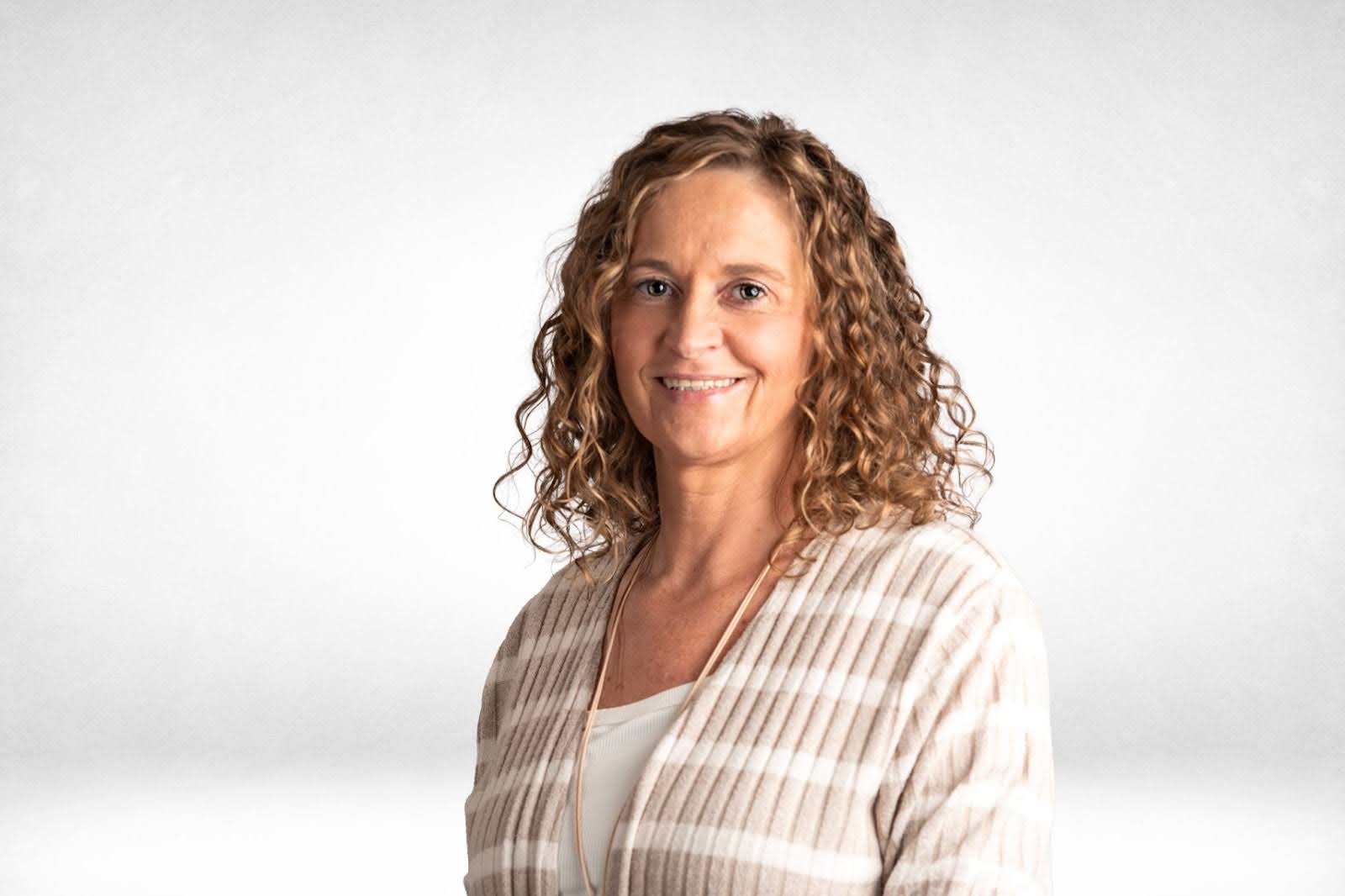
Amanda Ingram, CADAC II
Case ManagerUnderstanding anxiety treatment options in Indiana
Finding anxiety treatment in Indiana starts with understanding the type and severity of your symptoms. A mental health professional can assess whether outpatient therapy, medication management, or a more structured program is the right starting point.
Access varies across the state, and rural counties often have fewer providers and longer drives. Red Ribbon Recovery Indiana offers care in person in Greenwood, close to Indianapolis, and through telehealth mental health treatment for people elsewhere in Indiana. Whoever you choose, look for licensed clinicians with experience treating anxiety, especially if you have other mental health or substance use concerns.
Treatment approaches for anxiety and co-occurring conditions
Anxiety and substance use often go together. In the 2024 national survey, adults with moderate or severe anxiety symptoms were more than twice as likely to use marijuana (32.0% vs. 13.3%) and more likely to binge drink (27.6% vs. 20.5%) than adults with minimal symptoms. Some people use alcohol or drugs to quiet anxious feelings, but substance use and withdrawal can make anxiety worse.
When both are present, dual diagnosis care treats them in one plan instead of two. Clinicians look at how symptoms interact and decide whether you need individual psychotherapy, medication management, substance use counseling, or more structured support. You can learn more about marijuana addiction treatment and our other addiction treatment programs.
How to compare anxiety treatment programs
Different levels of care offer different amounts of structure. To compare programs, it helps to know the main options:
- Standard outpatient. Outpatient treatment usually means weekly individual therapy and medication follow-up, which fits mild to moderate symptoms.
- Intensive outpatient program (IOP). An IOP provides several hours of therapy a few days a week while you keep working or attending school.
- Partial hospitalization program (PHP). A PHP offers treatment most of the day, several days a week, for people whose symptoms make daily life hard to manage.
- Virtual care. Our virtual IOP and telehealth sessions connect you with licensed clinicians from home.
Online therapy works well for many people, but suitability depends on symptom severity, privacy at home, access to technology, and whether you need in-person medical care.
Preparing for an anxiety treatment appointment
Preparation can make conversations with a mental health provider more productive. Consider the following steps:
- Document your symptoms. Write down when anxious feelings occur, how long they last, and how they affect daily activities.
- Review your medical history. Note current prescription medications, physical conditions, and any alcohol or substance use concerns.
- Identify treatment goals. Consider whether you want help managing panic symptoms, reducing avoidance, improving sleep, or addressing co-occurring mental health conditions.
- Ask about practical considerations. Discuss treatment approaches, appointment availability, insurance coverage, and whether online therapy is appropriate. You can verify your insurance before your first call.
There is no single right path through anxiety treatment. Coming prepared helps you and your provider choose a starting point faster.
Rehab might feel like a big step, but remember why you're here. You’re looking for a way forward. We can help.
Key Takeaways
- Anxiety can severely impact daily life, making decisions heavy, disrupting sleep, straining relationships, and narrowing routines.
- Treatment helps address the constant pattern of worry, creating space between fear and daily decisions to improve overall well-being.
- An assessment can clarify your specific needs, and you can contact them at (317) 707-9848 to explore outpatient therapy and psychiatric care options, available virtually across Indiana.
Frequently asked questions
When should you seek treatment if you feel anxious all the time?
Feeling anxious occasionally is a normal response to stress, but persistent worry, muscle tension, sleep disturbances, or excessive anxiety that interferes with daily activities may indicate an anxiety disorder. Symptoms of anxiety can also overlap with other mental disorders or physical health conditions. If anxiety gets worse or becomes difficult to manage, a mental health professional can evaluate potential contributing factors and recommend appropriate treatments for anxiety. Early assessment may help prevent symptoms from becoming more disruptive.
Can eye movement desensitization and reprocessing help treat anxiety disorders?
Eye movement desensitization and reprocessing (EMDR) is a trauma-focused psychotherapy primarily used for post-traumatic stress disorder (PTSD). It may help individuals process distressing memories that contribute to fear and emotional distress. However, EMDR is not a first-line treatment for every anxiety disorder. Cognitive behavioral therapy (CBT), exposure therapy, and other evidence-based approaches are often more directly supported for generalized anxiety, panic disorder, and specific phobias. Interpersonal psychotherapy may be considered when relationship difficulties contribute to emotional distress, although more research is needed to establish its effectiveness for specific anxiety disorders.
Are beta blockers or antidepressants the best treatment for anxiety?
The best treatment depends on the anxiety disorder, symptom severity, and individual medical history. Selective serotonin reuptake inhibitors (SSRIs) are commonly prescribed antidepressants for anxiety treatment. Beta blockers may reduce physical symptoms of performance anxiety, such as trembling or rapid heartbeat, but do not directly treat persistent anxious thoughts. Benzodiazepines may provide short-term relief in selected circumstances, although dependence and withdrawal risks require caution. Medication should always be supervised by a prescribing healthcare professional rather than chosen based on assumptions about chemical imbalances.
Can online therapy work as well as in-person anxiety treatment?
Research suggests that structured online CBT can produce outcomes comparable to face-to-face treatment for some anxiety disorders. Online programs often use cognitive behavioral therapy principles and may include video sessions, secure messaging, or guided exercises. Some people can access online care from home without a referral, depending on the provider and insurance requirements. Resources from the National Institute of Mental Health and the American Psychiatric Association can help individuals understand evidence-based treatment approaches. The effectiveness of online therapy depends on the program, professional support, and individual needs.
What lifestyle changes can help manage anxiety disorders?
Regular physical exercise, consistent sleep, mindfulness, and relaxation techniques may help manage anxiety disorders by supporting emotional regulation and reducing stress. Limiting excessive caffeine and alcohol can also help prevent symptoms from becoming worse. Although anxiety is sometimes described in terms of chemical imbalances, its causes are more complex and may involve genetics, health conditions, and life experiences. Magnesium deficiency can contribute to certain physical symptoms, but supplementation is not an established treatment for anxiety without a diagnosed deficiency. Lifestyle changes work best as complements to appropriate professional care.
Understanding anxiety treatment and recovery with Red Ribbon Recovery Indiana
Anxiety treatment can help you understand persistent worry, manage physical and emotional symptoms, and respond to stress in healthier ways. Whether you’re living with generalized anxiety disorder, panic disorder, social anxiety, or another condition, care should reflect your symptoms, preferences, and daily responsibilities.
When anxiety occurs alongside alcohol or drug use, treating both is part of recovery. Red Ribbon Recovery Indiana accepts most private insurance plans (not Medicare or Medicaid) and offers in person and virtual care. To ask questions or learn about treatment options, contact us or call (317) 707-9848.
We are here to help you or a loved one find addiction treatment near you.
Admitting you have a substance abuse problem and asking for help is not always easy. If you or a loved one are struggling with drug addiction, alcohol addiction or another substance use disorder, help is available. You can visit SAMHSA’s National Helpline to learn about resources in your area or reach out to our team by calling (317) 707-9848 to explore personalized treatment.
Treatment center reviews
Read what treatment patients and their families have to say about their experiences at Red Ribbon Recovery Indiana.
Sources
- Substance Abuse and Mental Health Services Administration. (2025). Symptoms of generalized anxiety disorder among adults (NSDUH Data Brief, Vol. 2, No. 3). Substance Abuse and Mental Health Services Administration.
- Substance Abuse and Mental Health Services Administration. (September 26, 2025). Managing Life with Co-Occurring Disorders. Substance Abuse and Mental Health Services Administration.
- U.S. Department of Agriculture. (2020). Rural Community Action Guide. U.S. Department of Agriculture.
- ASPE. (n.d.). Indiana Summary: State Residential Treatment for Behavioral Health. ASPE.
- Indiana Family and Social Services Administration. (n.d.). Behavioral Health Services. Indiana Family and Social Services Administration.
- PubMed Central. (2019). Long-term Outcomes of Cognitive Behavioral Therapy for Anxiety-Related Disorders. PubMed Central.
About the content

Written by: Carli Simmonds. Carli Simmonds holds a Master of Arts in Community Health Psychology from Northeastern University. From a young age, she witnessed the challenges her community faced with substance abuse, addiction, and mental health challenges, inspiring her dedication to the field.

Medically reviewed by: Jodi Tarantino, MSW, LICSW. Jodi Tarantino is an experienced, licensed Independent Clinical Social Worker (LICSW) and Program Director with over 20 years of experience in Behavioral Healthcare. Also reviewed by the RRR Editorial team.
Red Ribbon Recovery is committed to delivering transparent, up-to-date, and medically accurate information. All content is carefully written and reviewed by experienced professionals to ensure clarity and reliability. During the editorial and medical review process, our team fact-checks information using reputable sources. Our goal is to create content that is informative, easy to understand and helpful to our visitors.
Disclaimer: This website is for informational purposes only, not medical advice. Red Ribbon Recovery Indiana connects people with the full continuum of care, including a detox center Indiana, Indiana inpatient drug rehab, PHP Indiana, IOP Indiana, and outpatient rehab Indiana.
For those managing co-occurring conditions, our dual diagnosis treatment centers in Indiana treat addiction and mental health together. We also offer telehealth mental health and online addiction treatment for flexible, remote access to care.