
Methadone side effects can range from common symptoms such as drowsiness, sweating, nausea, constipation, and dry mouth to more serious complications involving breathing, heart rhythm, or blood sugar. The severity and timing of these effects can vary based on dose, other medications, overall health, and how long methadone has been used. Understanding which symptoms are expected, which should be discussed with a healthcare professional, and which require immediate medical attention can help people use methadone more safely and recognize problems early.
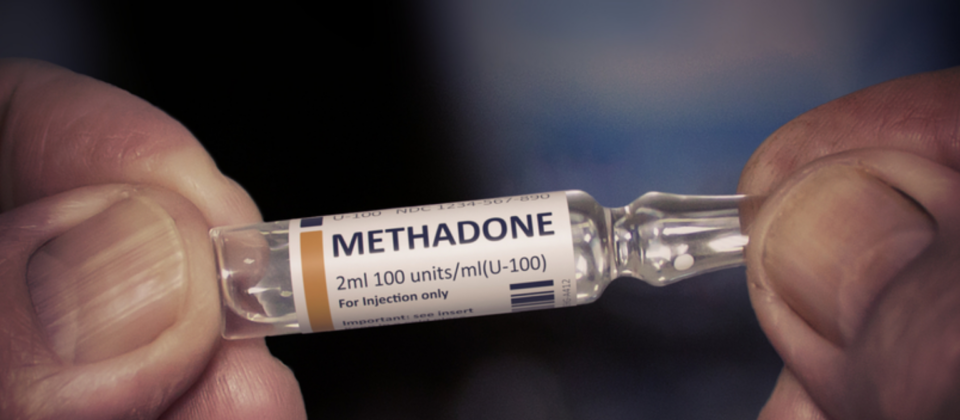
What does methadone do to your body?
Methadone is a long-acting opioid agonist prescribed for opioid use disorder and certain forms of chronic pain. It activates opioid receptors more gradually than shorter-acting opioids, which can reduce withdrawal symptoms and cravings when used for opioid use disorder.
That steady activation is how the medication works, and it is also where the side effects of methadone come from. Methadone is one of several addiction medicines used in addiction treatment, and a supervised methadone maintenance treatment program pairs the medication with counseling rather than treating the substance problem with drugs alone.
Research consistently shows supervised programs are tied to lower relapse, misuse, and death rates versus untreated addiction.
Methadone for chronic pain relief
The same receptor action delivers pain relief, which is why the medication is also prescribed for chronic pain. Pain relief from one dose fades in hours even though the medication lingers, unlike shorter-acting opioids where pain returns with withdrawal.
In addiction care, pain control is not the goal of the medication. Craving control is, and that shapes which side effects patients notice.

You can overcome addiction. Reach out to discover:
Short-term methadone side effects
Most methadone effects appear during induction, the first days or weeks while your care team finds the right amount. Unlike other opioids, the medication builds slowly, so individual factors like age and liver function change the pace.
The risk of respiratory depression is highest in the first 24 to 72 hours and after any dose increase. Avoid driving or operating heavy machinery until treatment is stable, because sedation and dizziness slow reflexes.
Common reactions and methadone symptoms
Mild methadone adverse effects are expected early on. These methadone symptoms are uncomfortable rather than dangerous, and most patients see them improve once treatment steadies.
- Constipation. The most persistent effect, because opioids slow digestive motility. It usually needs ongoing management with fiber, food changes, and water.
- Drowsiness. Sedation peaks after each dose and eases as your body adapts.
- Sweating and dry mouth. Both are common, and neither usually resolves completely.
- Nausea, dizziness, and joint pain. Worst in the first weeks. Taking the medication with food helps.
- Weight gain. Appetite often returns in recovery, so some gain is expected.
Serious side effects that need emergency care
Severe reactions are uncommon but real. Extreme confusion, hallucinations, seizures, severe allergic reactions, and low blood sugar all mean you should contact emergency services now.
Methadone can also prolong the QT interval, altering the heart’s electrical conduction and causing life-threatening irregular heartbeats. Ask about an ECG if you have a cardiac history or take other drugs that affect heart rhythm.
Is methadone dangerous?
Taken as prescribed and dispensed under supervision, the medication is safe and well tolerated. The danger comes from combining it with other central nervous system depressants.
Alcohol, benzodiazepines, other opioids, and sedative drugs multiply the risk of fatal respiratory depression. About 5,000 people die from methadone overdose every year, usually from that drug combination. For that reason, these drugs are tightly regulated.
An opioid overdose can also follow a return to street drugs after tolerance drops. Anyone concerned about breathing trouble in a person who has taken opioids should contact emergency services immediately.
Interactions run the other way too. St. John’s wort and some anticonvulsants speed clearance and trigger withdrawal, so tell your pharmacist and prescriber about all prescription drugs, supplements, and over-the-counter products before any procedure.
Free Insurance Check
Our rehab center accepts most insurance plans.
Check if your insurance will cover the cost of treatment by filling out our confidential insurance form. We accept most insurance plans.

Long-term effects of methadone
The long-term side effects of methadone look different from first-week reactions. Several factors shape them, including how much you take, how long you take it, and your overall health.
What does long-term methadone use do to your brain?
Long-term methadone use can shift brain chemistry and function. Some patients report memory problems, low mood, and reduced interest in activities they once enjoyed.
Research does not suggest permanent harm at therapeutic levels, and these long-term effects of methadone often improve as the amount drops. Any co-occurring mood disorder deserves its own care, which is why dual diagnosis treatment centers in Indiana matter alongside the medication.
Hormonal and sexual side effects
Long-term use can affect endocrine function and reproductive hormone secretion. That produces decreased libido, erectile dysfunction, and menstrual irregularities in some people.
These are the most under-reported methadone long-term effects, largely because patients hesitate to report them. Skipping the medication to escape them backfires and triggers severe withdrawal from opioids instead.
Tolerance and physical dependence
As with all opioids, patients taking methadone develop tolerance, meaning larger amounts are needed for the same effect, which raises overdose risk. Long-term use also creates physical dependence, which is your body adapting rather than addiction.
Dependence and addiction are different. Dependence is expected with these medications and is not a sign that treatment is failing.
How long can you be on methadone?
There is no time limit. Many patients stay on methadone for years because, in most circumstances, stopping raises relapse risk more than continuing, and long-term use of methadone beats an unsupervised return to opioids.
Bladder problems, gallbladder problems, and dental issues can surface over years, so ongoing health checks track them. Your prescriber will determine the right duration with you rather than setting an arbitrary date.
WE ARE AVAILABLE 24/7
Request a call for answers and help.
If you or someone you care about is struggling with addiction or mental health problems, request a call to speak with a knowledgeable treatment specialist. Our team is here to help you understand your options for care. There is no cost or obligation to enter treatment by requesting a call.
"*" indicates required fields
Balancing methadone adverse effects against recovery goals
Methadone treatment involves weighing medication benefits against side effects, medical risks, and the individual goals of recovery. For people with opioid use disorder, methadone can reduce withdrawal symptoms and cravings while helping create enough stability to focus on behavioral and practical changes.
Side effects do not automatically mean methadone needs to be stopped. Constipation, sweating, fatigue, sexual changes, or other concerns may sometimes be managed while treatment continues. More serious problems, including respiratory depression, significant sedation, or heart rhythm changes, require medical evaluation and may affect the treatment plan.
Medication is only one part of addiction treatment. Behavioral therapy, mental health care, peer support, and changes in daily routines may all play roles alongside medication when clinically appropriate.
Therapy alongside methadone treatment
Methadone can address the physical effects of opioid dependence, but it does not directly change the thoughts, behaviors, relationships, or circumstances connected to substance use.
Approaches such as cognitive behavioral therapy may help people identify patterns that contribute to opioid use and develop more practical ways to respond to stress, cravings, and high-risk situations.
Motivational interviewing may also help someone explore mixed feelings about treatment, medication, or changing substance use without relying on confrontation. This can be particularly useful when a person is unsure about continuing methadone, reducing the dose, or making other recovery-related changes.
Group therapy can add peer connection and opportunities to practice coping and communication skills. When family participation is appropriate and the client consents, family therapy may help address boundaries, communication, and the effects of opioid use on relationships.
Mental health and opioid use
Opioid use disorder may occur alongside depression, anxiety, trauma-related symptoms, or another mental health condition. These concerns can also influence sleep, motivation, medication adherence, and the way someone experiences methadone side effects.
When mental health and substance use concerns occur together, dual diagnosis treatment centers in Indiana may address both within the broader treatment plan rather than treating one concern in isolation.
Mental health symptoms should also be evaluated separately from medication effects. Fatigue, low mood, sleep problems, or difficulty concentrating may have several possible causes, so changes should not automatically be attributed to methadone.
Levels of care during opioid addiction treatment
The appropriate level of treatment depends on opioid use patterns, withdrawal risk, medical stability, mental health symptoms, home environment, and the amount of daily structure needed.
PHP Indiana may provide more daytime structure while allowing someone to live outside a residential setting.
IOP Indiana may be appropriate when structured treatment is still needed but greater flexibility around work, school, or family responsibilities is possible.
Outpatient rehab Indiana generally represents a lower-intensity option for people who are medically stable and able to manage more of their recovery outside scheduled treatment hours.
Methadone prescribing and these behavioral levels of care do not necessarily occur in the same setting. Medication management should remain coordinated with the healthcare professional responsible for the prescription.
Storing methadone and taking it safely
Methadone should be stored securely and kept away from children, pets, and anyone for whom it was not prescribed. Because methadone is a potent opioid, even a single unintended dose can cause severe respiratory depression in someone without opioid tolerance.
Other medications, alcohol, sedatives, and changes in health should be discussed with the prescribing healthcare professional because they may alter methadone levels or increase sedation and breathing risks.
What happens if you stop taking methadone?
Stopping methadone abruptly can trigger withdrawal symptoms and increase the risk of returning to opioid use. Because methadone is long-acting, withdrawal may develop more slowly and last longer than withdrawal from some shorter-acting opioids.
Tapering should be individualized rather than based on a fixed schedule. Dose, duration of treatment, cravings, withdrawal symptoms, other opioid use, mental health, and overall stability can all influence the pace.
Some people continue methadone for extended periods, while others eventually reduce or transition medications under medical supervision. Aftercare and a 12-step program are examples of additional recovery supports some people may choose as treatment needs change.
Rehab might feel like a big step, but remember why you're here—you’re looking for a way forward. We can help.
Key Takeaways
- Methadone use can cause common side effects such as constipation, sweating, nausea, and drowsiness.
- Serious risks include respiratory depression, heart rhythm changes, severe sedation, and overdose, with long-term use potentially affecting hormones and sexual function.
- Ongoing medical monitoring is essential due to the range of side effects and the risk of physical dependence, and resources are available for addiction treatment questions.
Frequently asked questions
What is methadone maintenance treatment?
Methadone maintenance treatment uses a long-acting opioid medication to help manage opioid use disorder. Methadone can reduce withdrawal symptoms and cravings without producing the rapid cycle associated with shorter-acting opioids such as heroin. Treatment may continue for several months or longer depending on individual needs, response, and recovery goals.
Can methadone increase the risk of opioid overdose?
Yes. Methadone can contribute to opioid overdose, especially when combined with alcohol, benzodiazepines, sedatives, or other opioids. Risk may also increase when tolerance changes or doses are adjusted too quickly. Severe drowsiness, slowed breathing, or loss of consciousness require immediate medical attention.
How is methadone provided during treatment?
Methadone used for opioid use disorder is generally provided through regulated treatment settings rather than a standard retail pharmacy. Dosing and monitoring requirements differ from methadone prescribed for pain, so the setting and treatment plan depend on why the medication is being used.
Can methadone treatment support rehabilitation after heroin use?
For some people recovering from heroin or other opioid use, methadone can reduce withdrawal symptoms and cravings while creating more stability for rehabilitation. Behavioral therapy, peer support, mental health care, and changes in daily routines may also be included depending on individual needs.
How long can someone stay on methadone?
There is no universal time limit. Some people use methadone for several months, while others remain on it for years. Decisions about continuing, tapering, or changing treatment should consider withdrawal symptoms, cravings, relapse risk, side effects, and overall stability rather than an arbitrary deadline.
Take the next step in Indiana
Methadone side effects range from common concerns such as constipation, sweating, nausea, and drowsiness to more serious risks involving respiratory depression, heart rhythm changes, severe sedation, or overdose. Long-term use may also affect hormones, sexual function, physical dependence, and other aspects of health, making ongoing medical monitoring important. Contact us by calling (317) 707-9848 with questions about methadone side effects, opioid use, medication safety, and addiction treatment options in Indiana. Red Ribbon Indiana is here to help.
We are here to help you or a loved one find addiction treatment near you.
Admitting you have a substance abuse problem and asking for help is not always easy. If you or a loved one are struggling with drug addiction, alcohol addiction or another substance use disorder, help is available. You can visit SAMHSA’s National Helpline to learn about resources in your area or reach out to our team by calling (317) 707-9848 to explore personalized treatment.
Treatment center reviews
Sources
- National Center for Biotechnology Information. (January 11, 2024). Methadone – StatPearls – NCBI Bookshelf. National Institutes of Health.
- Indiana Family and Social Services Administration. (July 14, 2020). FSSA: DMHA: Opioid Treatment Program. IN.gov.
- Substance Abuse and Mental Health Services Administration. (December 22, 2025). What is Methadone? Side Effects, Treatment & Use. SAMHSA.
- Substance Abuse and Mental Health Services Administration. (August 25, 2025). Treatment Options for Substance Use Disorder. SAMHSA.
- Centers for Medicare & Medicaid Services. (n.d.). Access to Care. Medicaid.
About the content

Written by: Carli Simmonds. Carli Simmonds holds a Master of Arts in Community Health Psychology from Northeastern University. From a young age, she witnessed the challenges her community faced with substance abuse, addiction, and mental health challenges, inspiring her dedication to the field.

Medically reviewed by: Jodi Tarantino, MSW, LICSW. Jodi Tarantino is an experienced, licensed Independent Clinical Social Worker (LICSW) and Program Director with over 20 years of experience in Behavioral Healthcare. Also reviewed by the RRR Editorial team.
Red Ribbon Recovery is committed to delivering transparent, up-to-date, and medically accurate information. All content is carefully written and reviewed by experienced professionals to ensure clarity and reliability. During the editorial and medical review process, our team fact-checks information using reputable sources. Our goal is to create content that is informative, easy to understand and helpful to our visitors.
Disclaimer: This website is for informational purposes only, not medical advice. Red Ribbon Recovery Indiana connects people with the full continuum of care, including a detox center Indiana, Indiana inpatient drug rehab, PHP Indiana, IOP Indiana, and outpatient rehab Indiana.
For those managing co-occurring conditions, our dual diagnosis treatment centers in Indiana treat addiction and mental health together. We also offer telehealth mental health and online addiction treatment for flexible, remote access to care.

