

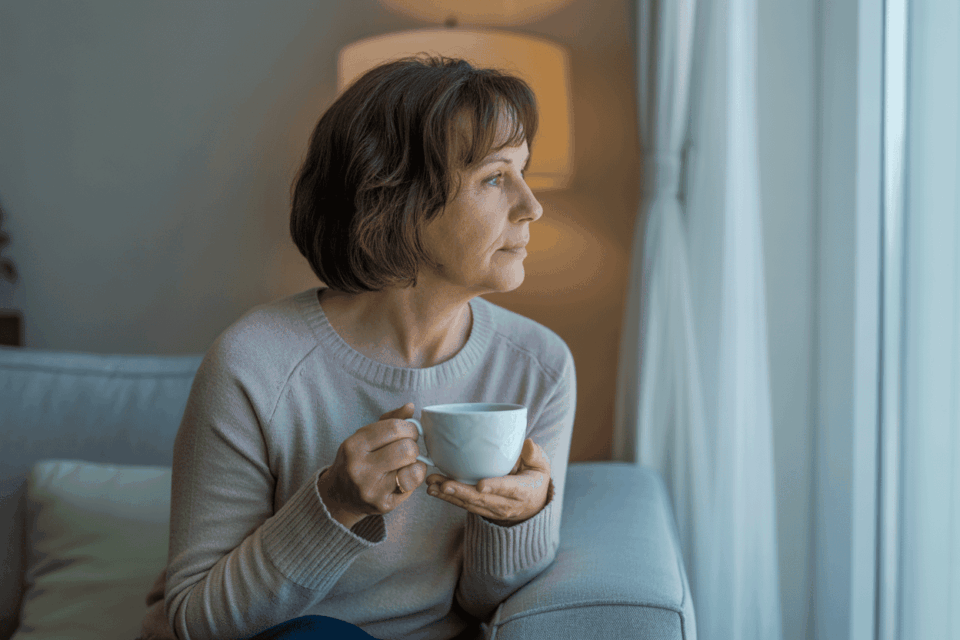
Over the past few years, more women than ever have turned to alcohol as a way to cope with stress, exhaustion, and emotional overwhelm. A quiet glass of wine after a stressful day can slowly turn into a heavy, lonely routine. If you’ve found yourself wondering when unwinding started to feel less like comfort and more like necessity, you’re not alone. The way alcohol affects women is profoundly shaped by both biology and the hidden pressures we carry, and recognizing those differences is where real, shame-free healing begins.
Why alcoholism in women often goes unnoticed
Alcoholism in women can be a quiet, hidden struggle, often masked by the very roles we’re expected to play. Many women feel pressure to manage work, family, and social obligations perfectly, leading them to drink privately as a way to cope with overwhelming stress. This private consumption means the signs of a developing Alcohol Addiction are much harder for loved ones to spot. Cultural trends, like “wine mom” jokes on social media, also play a significant role.
They normalize heavy drinking as a funny, acceptable way to deal with the demands of motherhood and life in general. This can make it difficult for a woman to see her own drinking patterns as problematic. Instead of recognizing the early signs of alcoholism, she might dismiss her increased reliance on alcohol as just a way to handle stress or fatigue, delaying the moment she seeks help and allowing the cycle of shame to continue in silence. Learning about why people drink alcohol can help shed light on these underlying pressures.
What are signs of alcoholism in women?
When we picture alcoholism, we often think of stereotypes that don’t fit the reality for many women. The signs of a female alcoholic are frequently more subtle and can be easily mistaken for something else.
A woman struggling with alcohol misuse may not look like the old clichés; she might be a high-functioning professional, a dedicated mom, or a caring friend. Because these signs can be emotional, behavioral, and physical, it’s helpful to understand them in distinct categories. Recognizing these nuanced alcoholism symptoms is the first step toward compassion and support, both for yourself and for the women in your life.
Emotional and mental signs of alcoholism
One of the earliest signs of a problem can be a shift in emotional well-being. Alcohol is often used as a coping mechanism, but it can quickly start to magnify the very feelings you’re trying to numb.
- Increased anxiety or irritability. You might find yourself feeling on edge more often, with a shorter fuse for everyday frustrations, especially when you can’t drink.
- Noticeable mood swings. Alcohol can disrupt the brain’s chemistry, leading to unpredictable emotional highs and lows that feel out of your control.
- Feelings of guilt or shame. A heavy sense of guilt after drinking, or shame about the amount you consume, is a powerful indicator that your relationship with alcohol has become unhealthy.
- Using alcohol to cope with depression or trauma. If drinking becomes your primary way to manage feelings of sadness, anxiety, or past trauma, it’s a sign of dependence.
Common behavioral signs of alcoholism
As dependence grows, your daily habits and behaviors often change to accommodate the need to drink. These shifts can be subtle at first but become more pronounced over time.
- Drinking alone or in secret. You may start hiding your drinking from loved ones to avoid judgment or concern, turning to alcohol for comfort when no one is around.
- Hiding alcohol. Stashing bottles in your car, office, or other hidden places is a common way to ensure you always have access to alcohol.
- Neglecting responsibilities. You might struggle to keep up with work, household chores, or family commitments because of drinking or its aftereffects.
- Losing interest in hobbies. Activities you once enjoyed may fall by the wayside as drinking takes up more of your time and energy.
- Becoming defensive about drinking. If friends or family express concern, you might react with anger or denial to shut down the conversation.
Physical signs associated with alcoholism
The toll of heavy drinking eventually shows up in your physical health. These symptoms are often the body’s way of signaling that it’s overwhelmed.
- Experiencing blackouts or memory loss. Waking up with no memory of the night before is a serious sign of dangerous drinking levels. Learning the signs of alcohol poisoning can be critical.
- Developing a high tolerance. Needing more and more alcohol to achieve the same feeling is a classic sign that your body is adapting to heavy use.
- Withdrawal symptoms when not drinking. Feeling shaky, anxious, nauseous, or sweaty when you stop drinking indicates a physical dependence, often requiring support from a detox center in Indiana.
- Changes in appearance. This can include facial redness or puffiness, bloodshot eyes, and unexplained weight gain or loss.
Why is alcohol bad for women?
It’s not just a saying; alcohol genuinely is worse for women due to key biological differences. Women typically have less body water than men of the same weight, so when you have a drink, the alcohol becomes more concentrated in your system.
Additionally, women have lower levels of an enzyme called alcohol dehydrogenase, which helps break down alcohol in the stomach and liver. This means alcohol stays in your body longer and at higher levels. Because of these factors, women are more likely to experience blackouts and more severe hangovers, even when drinking the same amount as men. These health risks are why the National Institute on Alcohol Abuse and Alcoholism (NIAAA) has specific guidelines, defining heavy drinking for women as consuming four or more drinks in a single day or eight or more drinks in a week. Understanding these definitions of excessive drinking can help clarify the risks.
What does alcoholism do to a woman’s body?
The long-term health consequences of alcoholism are especially severe for women, often appearing sooner and with lower levels of alcohol consumption compared to men. The damage affects nearly every system in the body.
- Increased risk of breast cancer. The link is clear and direct; research shows that even one drink per day can increase a woman’s risk for breast cancer by 5% to 15%.
- Severe liver damage. Women are more likely than men to develop alcohol-associated hepatitis (inflammation of the liver) and cirrhosis (scarring of the liver), which can be fatal.
- Heart disease. Chronic heavy drinking can lead to high blood pressure, an irregular heartbeat, and damage to the heart muscle, weakening its ability to pump blood.
- Brain damage. Alcohol misuse can cause the brain to shrink, leading to problems with memory, learning, and decision-making that can be long-lasting.
- Pregnancy complications. Drinking during pregnancy can lead to miscarriage, stillbirth, and fetal alcohol spectrum disorders (FASDs), which cause lifelong physical and developmental problems for the child.
Knowing these risks underscores the importance of seeking help, as the journey to sobriety is also a journey back to physical health. You can learn more about how long it takes to recover from alcoholism and begin healing your body.
Effective treatment for alcohol dependence and alcoholism in women

Healing from alcohol dependence is most effective when the treatment is designed specifically for women. Because women often face different challenges, such as co-occurring mental health conditions like depression and anxiety, a one-size-fits-all approach isn’t enough. This is why dual diagnosis treatment in Indiana, which addresses both a substance use disorder and mental health concerns simultaneously, is so vital.
Furthermore, many women who struggle with alcoholism have a history of trauma. Trauma-informed care creates a safe, supportive environment where you can begin to heal the root causes of addiction without fear of judgment. An effective recovery plan often includes a full continuum of care, from initial detox and residential programs to outpatient rehab in Indiana that fits into your life. The path to recovery starts with a single step, and our admissions process is designed to be simple and supportive.
You don’t have to go through this alone
Recognizing that alcohol’s impact on you is different is not a sign of weakness,it’s the first, most powerful step toward healing. Recovery is not just possible; it’s a reality for so many women who have walked this path before you.
Remember, you deserve to feel whole again. When you’re ready to take the next step, our compassionate team at Red Ribbon Recovery Indiana is here to listen and help you find the right path forward. Please call us at (317) 707-9848 or reach out through our contact page for a confidential conversation. A life free from alcohol is waiting for you.
Sources
- National Institute on Alcohol Abuse and Alcoholism. (May 08, 2025). The Basics: Defining How Much Alcohol is Too Much. National Institute on Alcohol Abuse and Alcoholism.
- Oregon Health & Science University. Women and Alcohol: Risks, Benefits and Why We’re Different – OHSU. Oregon Health & Science University.
- Centers for Disease Control and Prevention. (August 20, 2024). Addressing Excessive Alcohol Use: State Fact Sheets – CDC. Centers for Disease Control and Prevention.
- Frezza, M., Di Padova, C., Pozzato, G., Terpin, M., Baraona, E., & Lieber, C. S. (1990). High blood alcohol levels in women. The role of decreased gastric alcohol dehydrogenase activity and first-pass metabolism. New England Journal of Medicine, 322(2), 95–99.
- Sutker, P. B., Tabakoff, B., Goist, K. C., & Randall, C. L. (1983). Acute alcohol intoxication, mood states and alcohol metabolism in women and men. Pharmacology Biochemistry and Behavior, 18, 349–354.
- University of California, Santa Barbara. Alcohol 101-Gender Differences. Alcohol and Drug Program, UCSB.
- Wetherill, R. R., & Fromme, K. (2016). Alcohol-induced blackouts: A review of recent clinical research with relevance for the study of alcohol effects on working and social memory. Alcoholism: Clinical and Experimental Research, 40(4), 645–656.
- Greenfield, S. F., & Henrich, M. W. (2020). Gender Differences in the Epidemiology of Alcohol Use and Related Harms. Alcohol Research: Current Reviews, 40(2).
- Gavin, F. H. (1995). Medical Risks for Women Who Drink Alcohol. Journal of General Internal Medicine, 10(S–1), S30–S37.
- National Institute on Alcohol Abuse and Alcoholism. (December 01, 2020). Women and Alcohol. National Institute on Alcohol Abuse and Alcoholism.
- Centers for Disease Control and Prevention. (January 14, 2025). Alcohol Use and Your Health – CDC. Centers for Disease Control and Prevention.
- Centers for Disease Control and Prevention. (January 31, 2025). Alcohol Use Effects on Men’s and Women’s Health – CDC. Centers for Disease Control and Prevention.
- Smith-Warner, S. A., Spiegelman, D., Yaun, S. S., van den Brandt, P. A., Folsom, A. R., Goldbohm, R. A., … & Hunter, D. J. (1998). Alcohol and breast cancer in women: a pooled analysis of cohort studies. JAMA, 279(7), 535–540.
- Seitz, H. K., Pelucchi, C., Bagnardi, V., & La Vecchia, C. (2012). Epidemiology and pathophysiology of alcohol and breast cancer: Update 2012. Alcohol and Alcoholism, 47(3), 204–212.
- U.S. Department of Health and Human Services. Alcohol and Cancer Risk 2024. U.S. Department of Health and Human Services.
- National Cancer Institute. (May 02, 2025). Alcohol and Cancer Risk Fact Sheet – NCI. National Cancer Institute.
- Poole, C. J. M. (2023). Supporting pregnant and parenting women who use alcohol during pregnancy: A critical interpretive synthesis. Frontiers in Global Women’s Health, 4.
- National Center for Biotechnology Information. (September 11, 2001). Trauma-Informed Care: A Sociocultural Perspective – NCBI. National Center for Biotechnology Information.
- University of San Francisco. Trauma-Informed Treatment for Alcohol Use Disorder. University of San Francisco.
- Substance Abuse and Mental Health Services Administration. TIP 51: Quick Guide For Administrators Substance Abuse Treatment. Substance Abuse and Mental Health Services Administration.
- Substance Abuse and Mental Health Services Administration. (September 26, 2025). Managing Life with Co-Occurring Disorders – SAMHSA. Substance Abuse and Mental Health Services Administration.

