
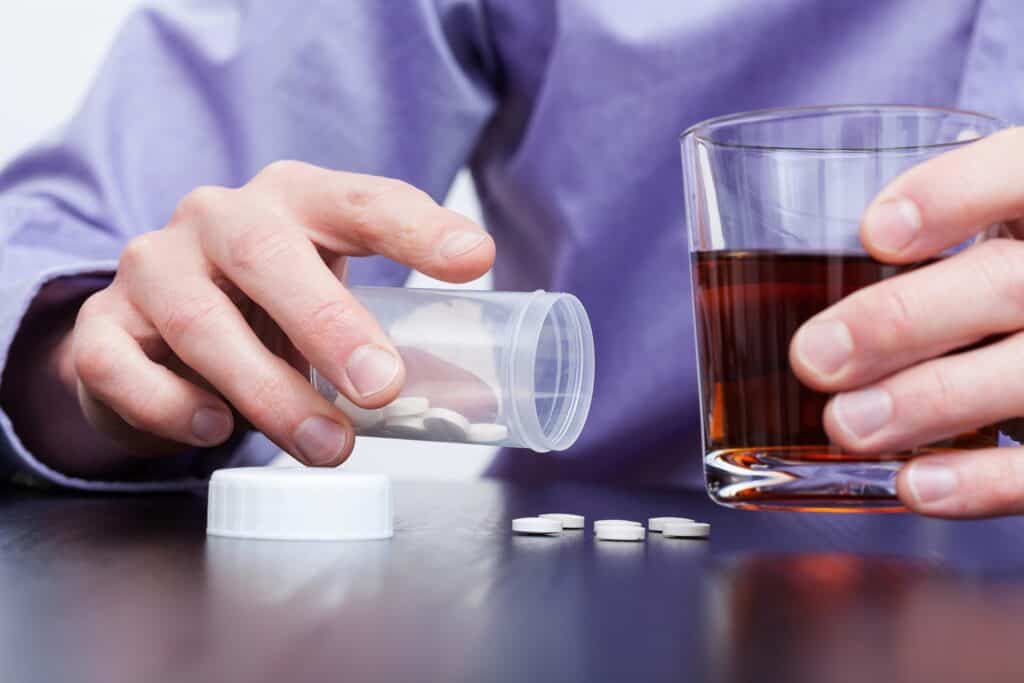
Naltrexone is an FDA-approved medication often prescribed to treat both alcohol use disorder and opioid use disorder. When it’s taken as part of a structured treatment plan that includes counseling and support, naltrexone therapy can make a real difference, helping people manage alcohol cravings, reduce how much alcohol they drink, lower the risk of heavy drinking, and support long-term recovery.
At Red Ribbon Recovery Indiana, we believe that no one should have to face alcohol use or other substance use disorders alone. If you or someone you love is struggling with alcohol abuse or has questions about mixing alcohol and naltrexone, our compassionate team is here to provide guidance, clarity, and support.
How does naltrexone work for alcohol cravings?
Naltrexone is available in oral naltrexone or intramuscular naltrexone form. Naltrexone blocks opioid receptors in the brain, preventing the “feel good chemicals” from creating pleasurable effects when you drink alcohol. This helps people reduce their alcohol consumption and manage alcohol dependence more effectively.
Studies, including meta-analyses reviewed by the World Health Organization and various American addiction centers, show that naltrexone treatment can significantly reduce alcohol cravings and lower relapse rates when combined with counseling, behavior support, and support groups such as Alcoholics Anonymous.
When used as part of a structured treatment plan, naltrexone can be a safe and effective tool to treat alcohol use disorder. At Red Ribbon Recovery Indiana, our team carefully evaluates each client’s medical history, alcohol use patterns, and treatment goals to determine whether naltrexone is the right fit for their recovery journey.
Who is a good candidate for naltrexone?
Not everyone with alcohol use disorder is the right fit for taking naltrexone, so it’s important to understand who benefits most. Generally, people who want to treat alcohol dependence and reduce cravings after completing detox may be good candidates. Because naltrexone works by blocking opioid receptors in the brain, it helps reduce the rewarding effects of drinking alcohol, making it easier to stay in recovery.
You may be a strong candidate for naltrexone and alcohol treatment if:
- You have been diagnosed with alcohol use disorder or long-term alcohol dependence
- You are medically stable and no longer experiencing acute withdrawal symptoms
- You want to lower the urge to drink alcohol and stay motivated in recovery
- You are committed to combining oral naltrexone or injectable naltrexone with counseling, therapy, or support groups
- You do not have severe liver problems or certain medical conditions that could make naltrexone unsafe
On the other hand, naltrexone is not typically recommended for individuals currently experiencing opioid withdrawal, those actively using opioids, or those with significant liver disease. Because naltrexone blocks opioid receptors, it can cause people who rely on opioids for pain relief or chronic pain management to feel sick if taken incorrectly.
Can you drink alcohol while on naltrexone?
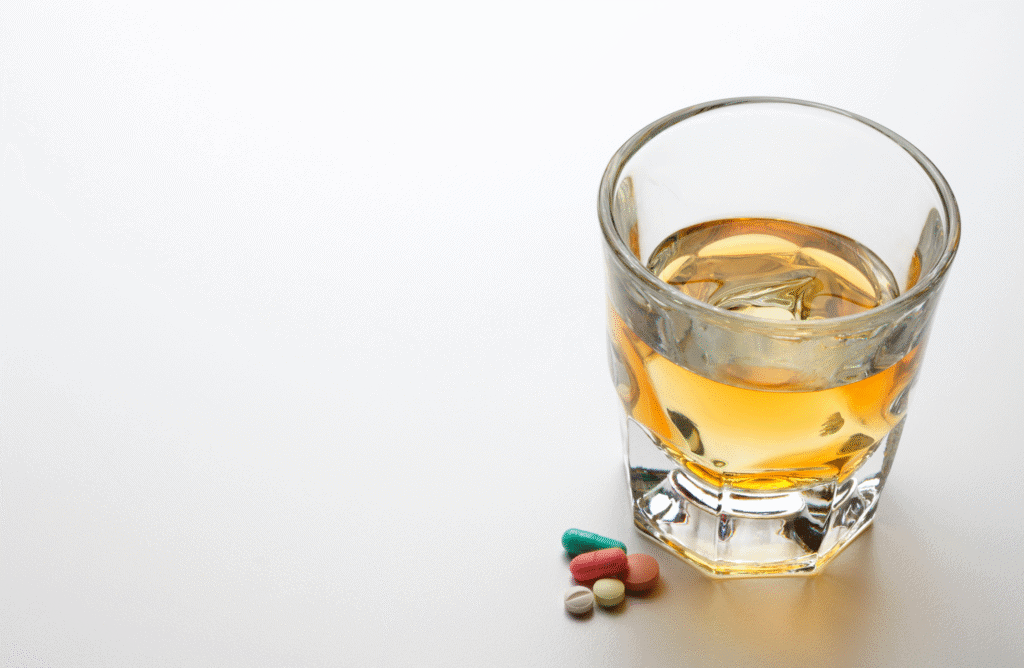
While it is possible to drink alcohol while taking naltrexone, it’s not recommended. Combining naltrexone with alcohol can lead to nausea, vomiting, trouble sleeping, and other withdrawal symptoms in some patients.
Although naltrexone blocks much of the pleasurable response from alcohol, it doesn’t stop the harmful physical effects of alcohol use; meaning heavy drinking can still cause serious problems like liver damage or life-threatening health issues.
Potential risks of combining naltrexone and alcohol consumption
Even though naltrexone reduces the rewarding effects of drinking, some people may try to drink more to “override” the medication.
This increases health risks, including:
- Alcohol withdrawal if you suddenly quit drinking after heavy use
- Blood tests showing impaired liver function
- Depression, mood swings, or other mental health symptoms
- High doses of alcohol leading to dangerous intoxication despite reduced euphoria
Starting naltrexone should always be done under the supervision of a health care professional to minimize potential risks and ensure the body adjusts safely.
Naltrexone and co-occurring disorders
Many people living with alcohol use disorder also struggle with depression, anxiety, trauma, or other mental health conditions. In some cases, individuals may also face opioid use disorder alongside alcohol misuse, creating additional challenges. For these clients, taking naltrexone can be an important part of an integrated, dual diagnosis treatment plan.
Because naltrexone works by blocking receptors in the brain, it can reduce cravings and help people stop drinking or limit the urge to drink alcohol. This stability allows clients to focus on therapy for underlying mental health struggles without the constant pull of addiction. However, naltrexone is a medication, not a cure-all. It must be prescribed by a doctor as part of a structured program that includes counseling, behavioral therapies, and support groups.
In dual diagnosis care, naltrexone is often used alongside other evidence-based therapies to address both the addiction and the mental health disorder. For example, someone with anxiety who turns to alcohol may find that taking naltrexone reduces the drive to drink, while therapy provides healthier coping tools. Clients with trauma may also benefit from naltrexone’s ability to reduce cravings so they can fully engage in processing their experiences.

Myths vs. facts about naltrexone
Because naltrexone is a medication used to treat alcohol use disorder and opioid use disorder, there are often misunderstandings about how it works and what patients can expect. At Red Ribbon Recovery Indiana, we believe in giving clear, honest answers so people can make informed choices about their care.
Myth 1: Taking naltrexone will make you feel sick if you drink alcohol.
Fact. Unlike older medications such as disulfiram, naltrexone does not cause violent sickness when combined with alcohol. Most people do not experience nausea or vomiting simply from drinking on naltrexone. Instead, the medicine works by blocking opioid receptors in the brain, which reduces the rewarding effects of alcohol and helps patients stop drinking more easily.
Myth 2: Naltrexone is addictive or works like an opioid.
Fact. Naltrexone is not an opioid drug, and it is not addictive. It does not produce a “high” or lead to dependence. Its primary purpose is to help people reduce alcohol use and support long-term recovery from alcohol and opioid use disorder.
Myth 3: The side effects are too severe for most people.
Fact. Like any medication, naltrexone treatment can come with side effects, especially in the first week of use. Some patients may experience mild nausea, headache, or fatigue, but these symptoms usually improve as the body adjusts to the dose. Serious side effects are rare and typically monitored by a doctor before and during treatment.
Myth 4: You can take naltrexone without medical supervision.
Fact. Safe use of naltrexone always requires the guidance of a doctor or treatment program. Because the medication is processed through the liver, patients need medical evaluation, proper dosing, and ongoing monitoring to ensure safety—especially if they have other health conditions.
Myth 5: Naltrexone works on its own.
Fact. While naltrexone can help people reduce cravings and stop drinking, it is most effective when combined with therapy, counseling, and support groups. Medication alone cannot address the emotional, behavioral, and social factors that drive alcohol use disorder. That’s why Red Ribbon Recovery integrates naltrexone into a whole-person treatment plan that supports lasting recovery.
Naltrexone and Alcohol Dependence Recovery Support
At Red Ribbon Recovery Indiana, we know that medications like naltrexone work best when they’re part of a comprehensive treatment plan, one that addresses not only cravings but also the emotional, mental, and behavioral aspects of recovery. Many programs in Indiana combine medical support with therapies and community care designed to treat the whole person.
A typical approach may include:
- Medical detox. A safe, supervised environment to manage alcohol withdrawal symptoms and stabilize the body before beginning ongoing treatment.
- Inpatient residential treatment. 24/7 care in a supportive setting that removes outside triggers and allows individuals to focus fully on recovery.
- Partial hospitalization program (PHP). A structured, daylong program that offers intensive treatment while allowing clients to return home in the evenings.
- Intensive outpatient program (IOP). Flexible treatment that combines therapy, relapse prevention, and accountability for those balancing recovery with daily responsibilities.
- Group therapy and peer support. A community-centered approach that provides encouragement and accountability from others facing similar challenges.
- Dual diagnosis care. Treatment for co-occurring mental health conditions, such as depression, anxiety, or trauma, alongside alcohol use disorder.
- Relapse prevention planning. Practical tools to reduce alcohol intake, replace triggers, and maintain long-term sobriety.
Naltrexone can be a valuable part of this journey, but it isn’t a “quick fix.” Healing takes commitment, consistency, and compassionate support.

Taking the next step toward recovery
If you or someone you love is struggling with alcohol use disorder, you don’t have to face it alone. Whether you’re exploring naltrexone treatment, seeking help with alcohol withdrawal symptoms, or searching for a program that understands the unique challenges of recovery, Red Ribbon Recovery Indiana is here to help.
Our compassionate team provides evidence-based treatment, personalized care plans, and a safe environment to support both your immediate needs and your long-term goals. Recovery isn’t just about quitting alcohol; it’s about rebuilding health, restoring relationships, and rediscovering hope. Contact us today to learn more about our programs and take the first step toward a healthier, sober future.
Sources
- Anton, R. F. (2008). Naltrexone for the management of alcohol dependence. The New England Journal of Medicine, 359(7), 715–721. https://doi.org/10.1056/NEJMct0801733
- Mayo Clinic Staff. (n.d.). Naltrexone (oral route): Description. Mayo Clinic. https://www.mayoclinic.org/drugs-supplements/naltrexone-oral-route/description/drg-20068408
- Volpicelli, J. R., Clay, K. L., Watson, N. T., & Volpicelli, L. A. (1994). Naltrexone and the treatment of alcohol dependence. Alcohol Health & Research World, 18(4), 272–278. https://www.ncbi.nlm.nih.gov/pmc/articles/PMC6876440/