

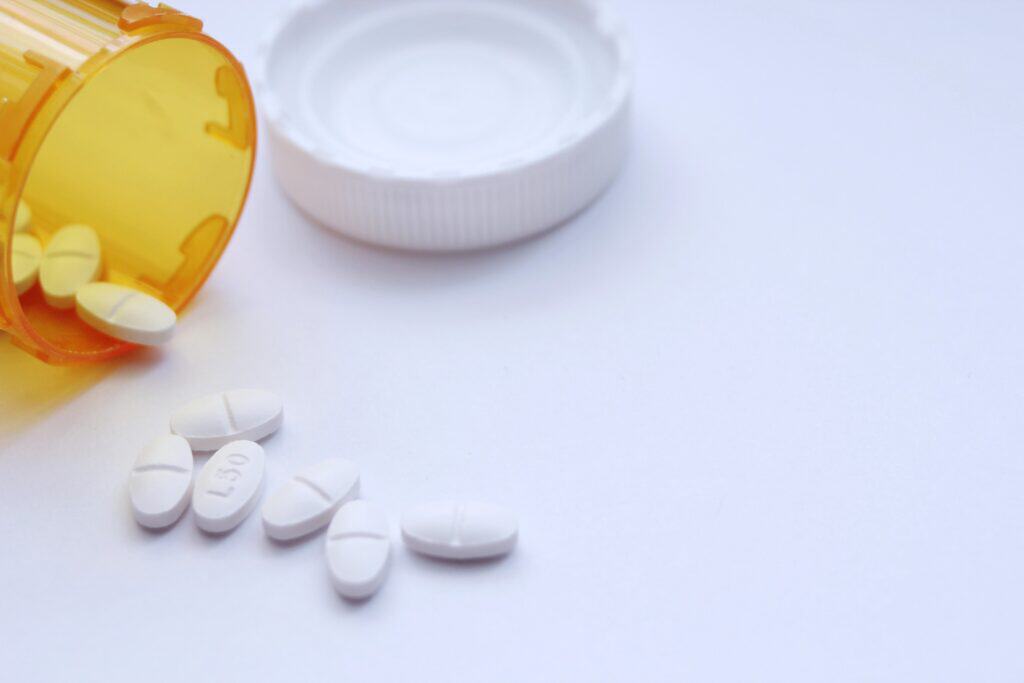
Xanax, the brand name for alprazolam tablets, is one of the most commonly prescribed medications for managing anxiety disorders and panic disorders in the United States. While it can be effective in providing immediate relief from panic attacks and overwhelming anxiety, there’s one critical question many people ask: Is Xanax addictive?
The short answer is yes—Xanax is addictive. And without proper medical guidance, alprazolam use can quickly spiral into Xanax addiction, with serious consequences for both mental health and physical well-being.
At Red Ribbon Recovery Indiana, we provide specialized, compassionate care for individuals facing benzodiazepine use disorders, including those struggling with Xanax abuse, withdrawal symptoms, and long-term recovery.
Xanax and anxiety disorders: why is Xanax so addictive?
Xanax works by enhancing the effects of GABA, a calming neurotransmitter in the central nervous system. This reduces overactivity in the brain, helping to alleviate symptoms of generalized anxiety disorder, panic disorders, and insomnia. But this same mechanism also produces feelings of euphoria, sedation, and relief—especially at higher doses.
When taken in ways other than prescribed—or for extended periods—Xanax use can alter brain function, causing dopamine release and leading to drug-seeking behavior. Over time, the body builds physical dependence, meaning the person must continue taking Xanax to avoid withdrawal symptoms, including:
- Rebound anxiety or worsening panic
- Insomnia and irritability
- Tremors, sweating, and nausea
- Cognitive impairment and confusion
- Slurred speech or poor coordination
- Shallow breathing and in severe cases, respiratory failure
In fact, Xanax withdrawal—especially if done suddenly—can be life-threatening, and should always be done under medical supervision.
Behavioral Signs and symptoms of Xanax addiction
Xanax addiction creeps in slowly for many users. It often starts with alprazolam used to treat anxiety or for a diagnosed condition and escalates due to increasing tolerance, self-medication, or recreational misuse.
Behavioral signs of Xanax abuse and Xanax addiction may include:
- Visiting multiple doctors to get extra prescriptions
- Taking more than the recommended dose
- Lying about or hiding drug use
- Neglecting responsibilities at work, school, or home
- Social withdrawal and mood changes
- Using Xanax in combination with other drugs or grapefruit juice (which increases potency)
Physical signs include drowsiness, slurred speech, memory lapses, and difficulty focusing. Over time, misuse can lead to respiratory depression, overdose, or dangerous interactions with opiate use and different benzodiazepines.
According to the National Institute on Drug Abuse, benzodiazepines like Xanax are frequently among the drugs involved in overdose deaths, especially when mixed with alcohol or opioids.
How Xanax addiction differs from other substance use disorders
While all substance use disorders can harm both physical and mental health, Xanax addiction presents unique challenges that set it apart from alcohol or opioid dependence. As a benzodiazepine, taking Xanax affects the nervous system by enhancing the calming effects of gamma aminobutyric acid (GABA) — a neurotransmitter that slows brain activity. This can bring rapid relief for anxiety and panic disorders, but it also creates a powerful reinforcing effect that makes tolerance develop quickly.
Unlike alcohol or opioids, abruptly stopping Xanax can cause dangerous withdrawal symptoms that impact both body and mind. Without a gradual taper, individuals face an increased risk of severe rebound anxiety, seizures, or even a Xanax overdose if they relapse after a period of abstinence. The tapering process for benzodiazepines is typically longer and more medically involved than for many other substances, requiring careful monitoring to protect a client’s physical and mental health.
These differences highlight why recovery from a benzodiazepine use disorder must go beyond detox. Effective treatment should address the mental health disorder that may have led to taking Xanax in the first place, provide coping strategies that support GABA regulation without drugs, and offer ongoing support throughout the recovery journey.
At Red Ribbon Recovery Indiana, our programs are built to meet these unique needs with compassion, clinical expertise, and a focus on long-term stability.

The role of co-occurring mental health disorders and Xanax abuse
Many people begin taking Xanax (alprazolam) to manage anxiety, panic, or insomnia — often as part of a legitimate prescription. However, when these underlying mental health conditions aren’t addressed alongside the medication, the likelihood of alprazolam misuse increases. Over time, this can lead to higher tolerance, the need for higher doses, and eventually physical dependence.
Co-occurring disorders, such as depression, PTSD, or bipolar disorder, can alter the nervous system in ways that make individuals more vulnerable to substance misuse. Without proper addiction treatment that addresses both the mental health disorder and the substance use issue, people face an increased risk of relapse or developing dependence on other benzodiazepines.
When a mental health disorder and substance use disorder occur together, the risk factors and symptoms of Xanax addiction can intensify — from physical symptoms like tremors and shallow breathing to severe rebound anxiety and mood instability. In some cases, abrupt withdrawal without medical support can be life threatening.
The safest and most effective way forward is an integrated treatment plan that combines therapeutic approaches such as CBT, DBT, and medication management with gradual tapering and relapse prevention strategies.
At Red Ribbon Recovery Indiana, our drug rehab in Indiana, we believe addressing both conditions at the same time is the key to lasting recovery — and we’re here to provide the professional help needed every step of the way.
Risks of mixing alprazolam tablets with other substances
Combining Xanax use with alcohol, opioids, or other benzodiazepines dramatically increases the risk of serious harm. Xanax already has a high addiction potential due to its ability to enhance the calming effects of GABA receptors in the brain, slowing activity in the nervous system. When taken alongside most drugs that also depress the central nervous system, the sedative effects multiply, creating a dangerous synergy that can lead to respiratory depression, unconsciousness, or even death.
Mixing substances also impacts the half life of Xanax, causing it to remain in the body longer and potentially build up to toxic levels. This increases the likelihood of cognitive impairment, severe confusion, and dangerous loss of coordination — effects that can threaten personal safety and overall well being.
Certain prescription medications can also interact with Xanax in unpredictable ways. For example, combining it with certain pain relievers or sleep aids can suppress breathing, while pairing it with specific antidepressants may intensify sedation and slow heart rate. Even when Xanax is prescribed as an addict med for short-term anxiety relief, using it with other substances without the guidance of a qualified healthcare provider can quickly become life-threatening.
At Red Ribbon Recovery Indiana, our drug rehab in Indiana, we educate clients about these risks, monitor for interactions, and design treatment plans that address both the substance use and the underlying factors that lead to dangerous combinations. Avoiding these high-risk pairings is not just about safety — it’s an essential part of achieving lasting recovery.
Treating Xanax addiction: what you need to know
The good news? Xanax addiction is treatable—with the right support, care, and commitment.
At Red Ribbon Recovery Indiana, our addiction treatment approach is tailored to meet each client’s unique needs. We understand the addiction potential of alprazolam tablets and offer a safe, structured path forward.
Our addiction treatment options for alprazolam use include:
- Drug and Alcohol Detox at a detox center Indiana is a help for xanax addiction and other substance use disorders
- Inpatient and Outpatient treatment for those with stable living environments
- Gradual tapering under medical supervision to reduce benzodiazepine withdrawal risks
- Behavioral therapy and counseling to address underlying mental health disorders
- Support for co-occurring substance use disorders and drug abuse
- Ongoing support for long term recovery through peer groups, relapse prevention strategies, and aftercare
We focus on restoring overall quality of life, not just removing the drug. Whether your Xanax addiction began in a family’s medicine cabinet or through a legitimate prescription, you deserve professional help and a clear, compassionate treatment plan.

The bottom line: is Xanax addictive?
Yes—Xanax is highly addictive. While it may be effective in treating anxiety, its rapid onset, high addiction potential, and difficult withdrawal symptoms make it a risky medication when not used correctly.
If you or someone you care about is showing signs of Xanax addiction, don’t wait. Early intervention can prevent negative consequences, reduce the increased risk of Xanax overdose, and set the stage for a safe, successful recovery journey.
Red Ribbon Recovery Indiana is here to walk alongside you with expert care, evidence-based strategies, and unwavering compassion. Call or contact us online today for next steps in your recovery journey, you don’t have to do this alone.
Sources
- Nuss, P., & Gauthier, I. (2015). Anxiety disorders and GABA neurotransmission: A disturbance of modulation. Neuropsychiatric Disease and Treatment, 11, 165–175.
- National Institute on Drug Abuse. (2023). Benzodiazepines and opioids. Research Topics: Opioids – Benzodiazepines and Opioids.

