
Serving your country is an honor, but it comes with a weight that few outside the military can understand. The pressure, the stress, and the experiences you go through can create a perfect storm, and sometimes, turning to alcohol feels like the only way to quiet the noise. If you’re reading this, you might be wondering if there’s a way to find active duty sobriety. Please know that you’re not alone in this, and taking the first step to explore your options is a sign of incredible strength, not weakness. This is a safe space to find the resources and understanding you deserve.
Active duty sobriety: understanding the unique stressors faced by active duty military personnel
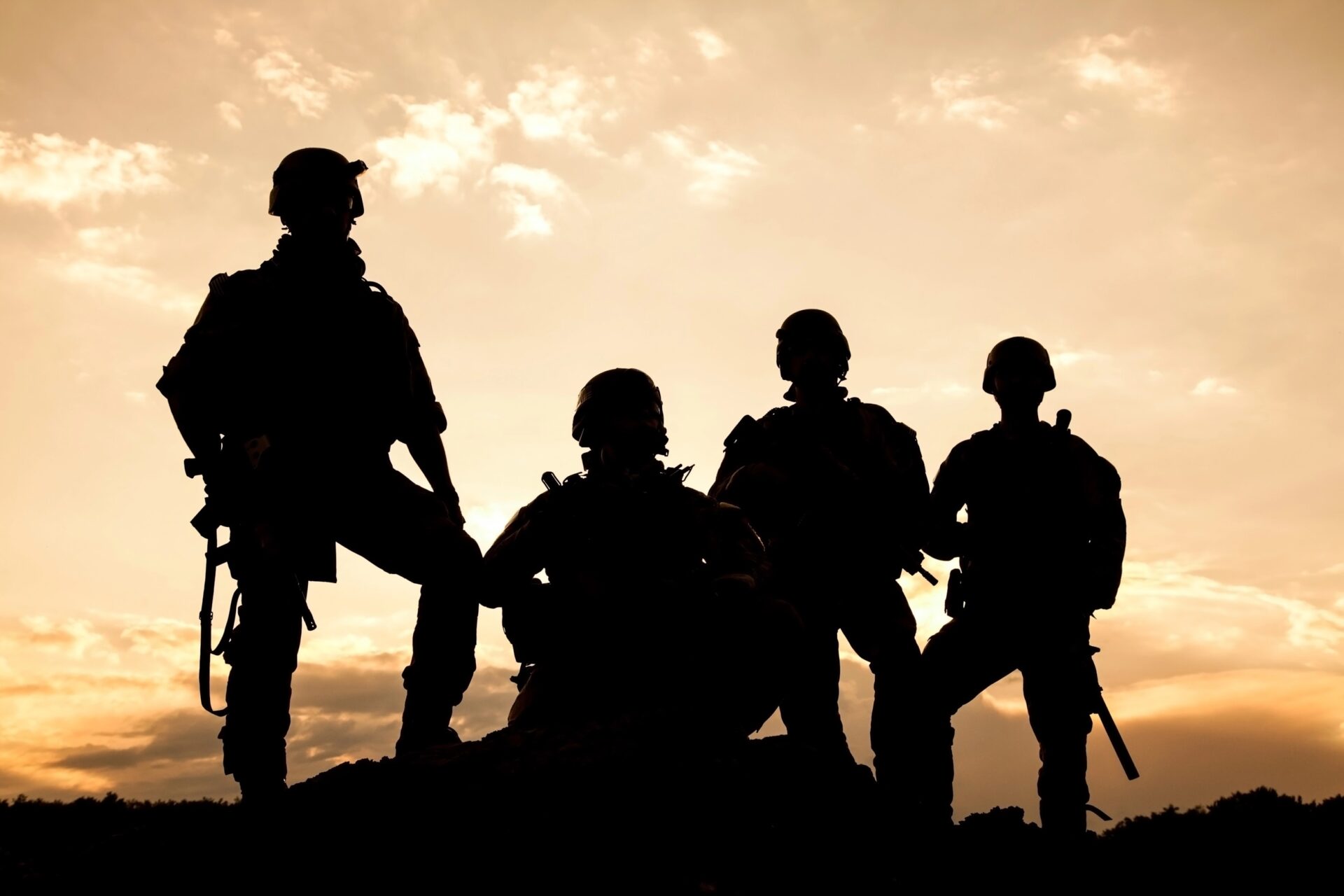
Life in the military is defined by pressures that don’t exist in the civilian world. The demand for peak performance, constant readiness, and exposure to high-stress duties can take a significant toll on your mental and emotional health. For many personnel, these challenges are amplified by direct combat exposure and the trauma that can follow. It’s a heavy burden to carry, and it’s understandable why some service members turn to alcohol as a way to cope or numb the pain. This is a common response to an uncommon level of stress.
This often leads to what is known as a dual diagnosis, where a substance use disorder and a mental health condition, like post-traumatic stress disorder (PTSD), exist at the same time. The two are deeply connected; in fact, studies estimate that up to 50% of individuals with PTSD also struggle with Alcohol Addiction. According to the National Institute on Drug Abuse, while illicit drug use is lower among military personnel, binge drinking is reported at higher rates than in the civilian population. Recognizing this link is the first step toward finding integrated treatment that addresses the root of the issue, not just the symptoms.
Deployment and combat-related stress
The cycle of deployment and redeployment creates a unique set of challenges. Prolonged separation from your family and support systems, combined with the constant high-alert state required in a combat zone, can be incredibly isolating. Exposure to traumatic events can leave deep scars, making it difficult to readjust to life back home. For many, alcohol becomes a tool to manage the anxiety that comes with these experiences, to fall asleep when their mind won’t shut off, or to create emotional distance from painful memories. Exploring the connection between stress and alcoholism can help you understand these urges to self-medicate.
The link between PTSD and alcohol abuse among military members
For service members living with PTSD, the symptoms can feel relentless. Flashbacks, nightmares, and hypervigilance can make everyday life feel unsafe and unpredictable. In an effort to regain control, many turn to alcohol to suppress these intrusive thoughts and feelings. While it might offer temporary relief, this pattern can quickly lead to alcohol abuse and dependency, creating a cycle where both the PTSD and the addiction feed each other. This is why integrated, dual diagnosis treatment in Indiana is so critical. It addresses the co-occurring disorders together, helping you heal from the trauma while building a foundation for lasting sobriety. Understanding the nature of psychological addiction is a key part of this healing process.
Common challenges faced by military personnel
For active duty personnel, seeking help for alcohol addiction comes with a unique set of hurdles that go beyond the challenges faced by civilians. The very culture that builds strength and resilience can also create barriers to asking for support. The fear of being seen as weak, letting down your unit, or facing negative career consequences can feel overwhelming. These professional and cultural pressures often prevent service members from taking that first crucial step toward recovery, leaving them to struggle in silence.
Stigma around substance abuse in the military
The “warrior ethos” is a cornerstone of military culture, emphasizing toughness, self-sufficiency, and the ability to handle any challenge without complaint. While these values are essential for mission success, they can create a powerful stigma when it comes to mental health and addiction. Within this culture, needing help can be wrongly perceived as a personal failure or a sign of weakness. This internal and external pressure is a significant deterrent, as no one wants to be the one who breaks ranks or appears unable to cope.
Barriers for military members
Beyond the cultural stigma, there are very real and practical barriers to accessing treatment. Service members often worry about confidentiality, wondering who in their command will be notified if they seek help. There are also valid concerns about the potential impact on security clearances and future career opportunities. Adding to that are the logistical challenges of scheduling and attending treatment while balancing the demanding schedule of active duty. Understanding how long rehab can take and what it entails is an important part of planning for recovery within the constraints of military life.
Evidence-based treatment options for active duty military
Navigating the path to recovery while on active duty requires solutions that are not only effective but also flexible and confidential. Fortunately, there are evidence-based treatment options designed to fit the unique needs of military personnel. Programs like intensive outpatient (IOP) and partial hospitalization (PHP) offer structured, effective care without requiring you to step away from your duties completely. With the growth of telehealth services, high-quality therapy and support are more accessible than ever, no matter where you are stationed.
Many service members are also concerned about how to pay for treatment. It’s important to know that TRICARE provides comprehensive coverage for various levels of care for substance use disorders. According to the official TRICARE website, this can include everything from outpatient programs and IOP to inpatient services when medically necessary. This ensures that you can access the help you need without the added stress of financial burden. To find out what your specific plan covers, contact our team for a confidential assessment to understand your options.
Inpatient vs. outpatient alcohol rehab programs
Choosing the right level of care is a critical step in your recovery journey. While both inpatient and outpatient programs are effective, outpatient options often provide the flexibility needed for active duty personnel. Here’s a quick comparison:
- Inpatient Drug Rehab Indiana. This involves residing at a treatment facility for a set period, usually 30 to 90 days. It offers a highly structured, immersive environment free from outside triggers, which is ideal for those with severe addiction or co-occurring health issues who need 24/7 support.
- Outpatient rehab. This model allows you to live at home and continue with your daily responsibilities, including your military duties. You attend therapy sessions several times a week, either in person or through telehealth. This flexibility helps you maintain family connections and your career while building recovery skills. Deciding between inpatient vs. residential treatment or outpatient care depends entirely on your personal needs.
- Telehealth services. A key component of modern outpatient care, telehealth overcomes geographic and scheduling barriers. It offers a secure, confidential way to connect with therapists and support groups, making it an incredibly valuable tool for service members.
Aftercare and ongoing support for military personnel in recovery
Completing a treatment program is a monumental achievement, but recovery doesn’t end there. It’s a long-term process that requires ongoing commitment and support. Aftercare is the bridge between formal treatment and lasting sobriety, helping you navigate the challenges of everyday life without returning to alcohol.
Building a strong support network is essential for preventing relapse and reinforcing the healthy habits you learned in rehab. This can include participating in peer support groups with other veterans, continuing with individual therapy, and engaging with alumni programs to stay connected to a community that understands your journey. Embracing the gift of sobriety is a continuous path, and aftercare provides the map to help you stay on course.
Frequently asked questions
TRICARE is the official health insurance program for active-duty and retired U.S. military personnel, as well as their families. It provides comprehensive coverage for a wide range of medical services, ensuring service members have access to the care they need for their physical and mental health.
Importantly, TRICARE covers various levels of addiction treatment, including outpatient programs, therapy, and inpatient care when medically necessary. This helps reduce financial barriers, making it easier for individuals to get professional help for alcohol or substance use disorders.
A sober living program offers a structured, supportive, and substance-free group home for individuals working on their recovery. Unlike a formal rehab facility, it provides more independence while still maintaining rules to ensure a safe and healthy environment for everyone living there.
Residents are typically expected to work or attend school, pay rent, and participate in house meetings or support groups. It acts as a bridge between intensive treatment and returning to everyday life, helping to reinforce the skills needed for lasting sobriety.
A sober living program can benefit individuals in the early stages of recovery who need a structured and supportive environment. It’s an excellent option for those who have completed an inpatient or residential treatment program but aren’t quite ready to return home to potential triggers and stressors.
It also helps people who need to build a stronger foundation for their sobriety by practicing new life skills in a community of peers. This transitional step provides accountability and support while you focus on long-term recovery.
Take the first step towards active duty sobriety
The journey of a thousand miles begins with a single step. You’ve carried the weight of your service with honor, and now it’s time to invest in your own health and well-being. A future free from the grip of alcohol is possible, and it starts with a simple, confidential conversation. If you’re ready to explore your path to active duty sobriety, our compassionate team is here to help. Call us at (317) 707-9848 to speak with someone who understands. At Red Ribbon Recovery Indiana, our drug rehab in Indiana, we believe in you and your capacity for healing. If you’d like to learn more or reach out online, please contact us. Taking this step is a powerful move toward the life you deserve.
Sources
- National Institute on Drug Abuse. (10-23-2019). Substance use and military life drugfacts. National Institute on Drug Abuse.
- U.S. Department of Veterans Affairs. (10-16-2009). How deployment stress affects families. National Center for PTSD.
- National Library of Medicine. (01-01-2015). Stigma as a barrier to seeking health care among military personnel …. PubMed Central.
- U.S. Army. (12-05-2022). Army experts: mixed messages can fuel stigma, prevent soldiers …. U.S. Army.
- U.S. Department of Veterans Affairs. (05-15-2017). Treatment of co-occurring ptsd and substance use disorder in va. National Center for PTSD.
- Tricare. (10-29-2024). Substance use disorder treatment. Tricare.
- U.S. Department of Veterans Affairs. (04-12-2023). One veterans story of going from substance abuse to sobriety. VA News.
- Substance Abuse and Mental Health Services Administration. No date. Helplines: mental health, drug, alcohol issues. SAMHSA.
- Military OneSource. (01-08-2025). Military drug prevention program basics. Military OneSource.