

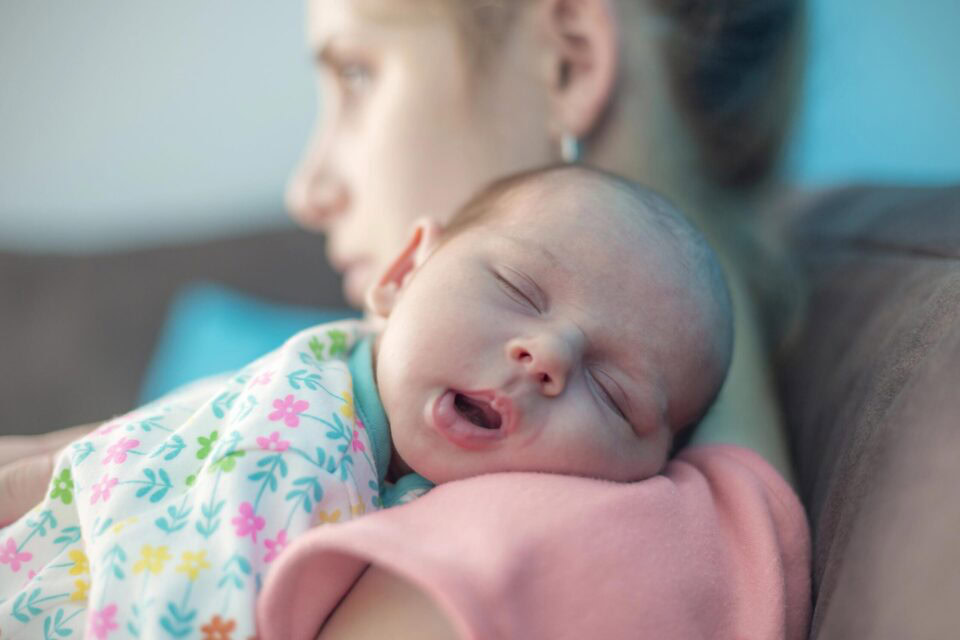
Bringing your baby home is supposed to be a joyful time, yet many new parents find themselves flattened by exhaustion, sadness, or a numbness that makes it hard to recognize themselves. If that is where you are right now, you are not alone. Post partum depression is a common, treatable medical condition, not a reflection of weakness or failure. Knowing what the symptoms look like, how to recognize them, and where to find help is the first step toward feeling like yourself again, and real support is within reach.
What is postpartum depression?
Postpartum depression is a serious mood disorder that occurs during pregnancy or up to a year after childbirth. It is not a character flaw or a sign of failure. The condition involves intense sadness, exhaustion, and anxiety that can deeply disrupt daily life. The medical community officially classifies it as depression with peripartum onset, according to the DSM-5-TR.
Maternal mental health is a critical part of overall healthcare, yet up to 50% of cases go undiagnosed. Many parents feel too ashamed to admit they are struggling, and stigma and a lack of awareness often keep people quiet. In the United States, prevalence rates hover around 11.5 percent, which means millions of families navigate this every year. You are far from the only person feeling this way.
Understanding postpartum depression starts with recognizing it as a treatable medical issue that responds well to mental health care. The physical and emotional demands of bringing a baby home are immense, and when those demands combine with a clinical mood disorder, the weight can feel impossible to carry.
Seeking a formal diagnosis is the safest way to protect yourself and your family. The National Institute of Mental Health provides extensive data confirming that this condition requires professional care. Acknowledging the problem is the clearest path to feeling like yourself again.
What does postpartum depression feel like?
If you are wondering what postpartum depression feels like, the honest answer is that it goes far past normal new-parent exhaustion. It can feel like a heavy, persistent cloud of sadness and anxiety that makes basic daily tasks nearly impossible, well beyond simply needing a nap.
When typical exhaustion crosses the line into a depressive episode, you will notice specific changes in your thoughts and body. A clinical evaluation looks for several distinct patterns.
These symptoms often appear together and persist for weeks:
- Intense sadness. You might cry frequently without fully understanding why.
- Severe exhaustion. Sleep feels impossible even when your baby is resting safely.
- Postpartum anxiety. You may experience terrifying, intrusive thoughts about your baby getting hurt.
- Trouble bonding. Feeling emotionally disconnected from your infant is a hallmark of this condition.
- Complete numbness. A total lack of interest in activities or people you used to love.
Maternal-infant bonding suffers greatly when a parent is overwhelmed by these symptoms. You might feel like you are failing, but these feelings are medical indicators. They do not mean you are a bad parent. When you cannot sleep, eat, or find joy in your child, a deeper medical issue is at play. Proper cognitive behavioral therapy can address these thoughts and help you regain control. Recognizing these symptoms early allows you to find relief faster.
Symptoms vs. baby blues
The difference between normal emotional adjustment and a clinical mood disorder comes down to duration and severity. Baby blues are incredibly common, affecting up to 75 percent of all new parents, and they involve mild crying, anxiety, and mood swings that pass on their own.
How the two conditions differ
The baby blues are short-lived. They usually surface a few days after delivery, peak around day four or five, and fade completely within two weeks with no medical treatment. Your body is adjusting to sudden hormonal shifts and a serious lack of sleep.
Postpartum depression is a severe, long-lasting illness that calls for professional clinical evaluation. If sadness, anger, anxiety, or withdrawal last beyond 14 days, or if they physically impair your ability to function, you are likely dealing with more than the baby blues. Intensity is the other clue. The blues might make you tearful, while clinical depression can make it hard to eat, sleep, or care for yourself and your baby.
| Feature | Baby blues | Postpartum depression |
|---|---|---|
| Duration | Fades within two weeks | Lasts longer than two weeks |
| Emotional symptoms | Mild mood swings and tearfulness | Severe sadness, anxiety, and hopelessness |
| Physical symptoms | Normal postpartum fatigue | Insomnia, extreme exhaustion, appetite changes |
| Impact on daily life | Manageable with rest | Severely disrupts ability to function |
When to reach out for an evaluation
Knowing the timeline helps you understand when to ask for help. Postpartum blues do not cause you to detach from reality or from the people you love. When symptoms last well past the two-week mark, deepen, or start to interfere with bonding and daily care, that is the signal to consult a doctor.
You do not have to wait out the pain alone. A clinician can screen you, confirm what you are experiencing, and start a plan quickly. Pinning down the exact nature of your symptoms puts you on the fastest path to recovery.
A serious warning sign: postpartum psychosis
In rare cases, roughly one to two births in every thousand, a parent can develop postpartum psychosis. This is a medical emergency. Warning signs include hallucinations, extreme confusion, paranoia, rapid mood swings, or thoughts of harming yourself or the baby. If you notice any of these, seek emergency medical care right away by going to the nearest emergency room. Postpartum psychosis is treatable, and getting help quickly protects both you and your child.
What causes postpartum depression?
The exact cause of this condition is a complex mix of physical, emotional, and environmental factors. Fast drops in estrogen and progesterone after birth create a vulnerable biological state. When you combine those hormonal changes with extreme tiredness, the brain struggles to regulate mood properly.
Psychosocial stressors play a massive role in triggering symptoms. Life stress, such as financial worry or relationship conflict, acts as an accelerant. For families in places like Fort Wayne or rural Indiana, limited social support and thin local infrastructure can make these stressors feel insurmountable. This condition stems from a combination of these physical shifts, genetic predisposition, and environmental strain.
Who is at risk for postpartum depression?
Certain historical risk factors increase the likelihood of developing this disorder. A personal or family history of depression is the strongest predictor. A traumatic birth experience can also leave deep emotional scars that complicate recovery.
Common risk factors include:
- Prior mental health issues. A history of mood disorders significantly raises your risk profile.
- Complicated deliveries. Emergency medical interventions can trigger trauma responses.
- Lack of a support system. Facing parenthood in isolation increases vulnerability.
Healthcare providers use screening tools to identify at-risk parents early. The Edinburgh Postnatal Depression Scale is a standard questionnaire that tracks mood changes. Honest answers on the EPDS allow doctors to intervene before symptoms become unmanageable.
Postpartum depression in fathers
This condition does not exclusively impact the person who gave birth. Research shows that PPD affects 8 to 10 percent of fathers. The stress of a new baby, combined with sleep deprivation, alters paternal brain chemistry as well.
Paternal depression is highly correlated with maternal depression. When one partner struggles, the other often absorbs the overflow of stress and anxiety. A family history of psychiatric disorders further increases a father’s risk. The entire family unit requires robust social support to thrive. Dual diagnosis treatment concepts remind us that treating the whole family environment leads to the most stable recovery.
How is postpartum depression treated?
Postpartum depression is a highly treatable medical condition. Recovery involves a comprehensive care approach tailored to your specific symptoms and life circumstances. Working with a qualified mental health professional provides the fastest route to stability.
Treatment takes patience, but the outcomes are very strong. A combined approach of therapy, practical home support, and sometimes medication offers the best results. No one has to suffer through this silently.
Psychotherapy and counseling
Talk therapy is typically the first line of defense for maternal mental health. Speaking with a trained counselor helps you untangle complex, frightening thoughts. Psychotherapy provides a safe, completely non-judgmental space to process the massive life transition of parenthood.
Cognitive behavioral therapy is exceptionally effective for this condition. It teaches you how to identify negative thought loops and replace them with grounded, realistic perspectives. Interpersonal therapy focuses on improving communication and repairing strained relationships. Both forms of counseling equip you with practical coping strategies for the hardest days.
Medication options
When therapy alone is not enough, medication becomes a vital tool. Antidepressants help balance the neurotransmitters in your brain, restoring your baseline mood. Many people hesitate to take medication, fearing it means they have failed, but it is simply a medical tool for a medical problem.
Safe prescription options are widely available. SSRIs are the most commonly prescribed class of medication for this condition, and many are considered safe to take while breastfeeding. You must always consult a healthcare provider to find the right medical fit, since they will weigh the benefits against any potential side effects. The Centers for Disease Control and Prevention strongly endorses evidence-based medical treatments to protect the health of the mother.
Building support into daily life
Recovery is not only clinical. Steady sleep when possible, gentle movement, regular meals, and time connected to other adults all help stabilize mood alongside treatment. For parents whose depression overlaps with substance use, coordinated care matters, and Red Ribbon Recovery Indiana offers outpatient options such as our intensive outpatient program and dual diagnosis support so treatment can fit around the demands of a new baby.
How can I help someone with postpartum depression?
Learning how to help someone with postpartum depression means showing up with patience, empathy, and practical action. Words of encouragement are nice, but concrete help at home is what truly changes the environment. Focus on reducing her mental and physical load.
When deciding how to step in, look for tasks you can simply take over without asking. Asking a struggling parent how to help forces them to manage you. Instead, observe what needs doing and handle it quietly.
Highly effective ways to offer help include:
- Take over night feeds. Protecting her sleep is the most powerful intervention you can offer.
- Manage the household. Do the laundry, wash the dishes, and prep meals without being asked.
- Listen without judgment. Let her speak about her fears without trying to fix them immediately.
- Coordinate medical care. Schedule her therapy appointments and offer to drive her there.
Spousal support is statistically proven to reduce symptom severity. When a partner absorbs the stress of daily logistics, the mother has space to heal.
Community-based support
Healing happens faster when you lean on your local community. In Indiana, the value of showing up for neighbors and family runs deep. Community-based support fills gaps that medical care alone cannot reach.
Support groups offer a unique kind of relief. Sitting in a room with other parents facing the same fears is deeply validating. Local perinatal support groups, faith communities, and family networks across Indiana can provide meals, childcare, and steady emotional anchors when you need them most. Sharing your story in a safe space reminds you that recovery is entirely possible.
Finding your way back with Red Ribbon Recovery Indiana
Healing from postpartum depression takes time, medical guidance, and a community that refuses to let you fall. Recognizing the symptoms is the critical first step toward regaining your health. The exhaustion and fear you feel right now are symptoms of a medical condition, not permanent facts about your ability to parent.
If you are having thoughts of self-harm, thoughts of harming your baby, or feel entirely detached from reality, treat it as an emergency and get help immediately by going to the nearest emergency room. These are urgent medical situations, and fast care protects both you and your baby.
At Red Ribbon Recovery Indiana, we are committed to whole-family wellness and lasting mental health recovery across our local community. We understand the specific challenges Hoosiers face and provide the clinical expertise needed to regain stability. If you or your partner are struggling with co-occurring mental health and substance use issues, call us today at (317) 707-9848 to talk through our care programs. Contact us today.

