
Staying sober after rehab is one of the hardest parts of recovery, and the first months home are often the riskiest. The structure that protected you during treatment disappears, and the daily routines, social settings, and stressors of regular life return all at once. Learning how to stay sober takes more than willpower. It takes a daily plan, the right support, and clear strategies for handling triggers as they come up.

Establish a new routine and develop sober habits
Early recovery leaves you with a lot of free time. You suddenly have hours that used to be spent on substance use. Without structure, this idle time is a high-risk window for relapse. Building strong sober habits reduces anxiety and decision fatigue. It gives your day purpose and stability.
Why daily structure matters
A solid routine protects your new life. Evidence shows that scheduling your day helps form healthy patterns and significantly lowers relapse risks. Start with small, non-negotiable anchors. Wake up at the same time every day. Eat regular meals. Attend your support meetings or therapy sessions. Comprehensive addiction treatment programs help you build these structures during clinical care so they carry into daily life after discharge.
Find an activity that means something to you
You need meaningful ways to stay sober. Finding a local hobby in Indiana helps replace old patterns. This could be woodworking, gardening, or volunteering in your community. Engaging in things you love naturally boosts healthy brain chemicals. It gives you a sense of pride and connection. Learning how to fill your time with intentional recovery activities is a crucial step in maintaining your progress.
Practice self-care and manage stress
Focus on basic self-care to protect your well-being. Prioritize your physical health through balanced nutrition and adequate sleep. Managing your stress levels is vital to prevent anxiety from building up. Use the HALT method to check in with yourself, asking if you are Hungry, Angry, Lonely, or Tired. These simple checks are powerful tips for staying sober and grounded.
Protect your sleep schedule
Sleep is one of the most underrated tools for staying sober. Years of substance use disrupt natural sleep cycles, and the early months of recovery often involve vivid dreams or insomnia that gradually improve. Aim for seven to nine hours nightly, keep bedtime consistent, and reduce caffeine after early afternoon. A rested brain is significantly better at managing cravings and emotional volatility.
You can overcome addiction. Reach out to discover:
Plan for the unexpected moments that test your sobriety
Recovery rarely fails during the moments you have prepared for. It fails during the ones you did not see coming. Building a sobriety plan that accounts for life’s unpredictable challenges protects your progress when willpower alone is not enough.
Have a relapse prevention plan in writing
A relapse prevention plan is not just a clinical formality. It is a personal document you can return to when your judgment feels cloudy. Write down your top triggers, your earliest warning signs, the people you can call, and the specific actions you commit to taking when cravings hit. Keep the plan accessible on your phone or in your wallet so you can read it in a moment of crisis. Having the words already chosen takes the pressure off creating them under stress.
Build a list of go-to people
Identify three to five people you can call without explanation. These should include your sponsor or peer mentor, a trusted family member, a therapist or counselor, and at least one friend in recovery. Save them as favorites in your phone. The simple act of having a familiar voice on the other end of the line often defuses a craving before it escalates. Reach out before you think you need to.
Prepare for holidays and special occasions
Holidays, anniversaries, birthdays, and family gatherings carry both emotional weight and environmental risk. Alcohol is often present, old roles resurface, and unresolved feelings can return unexpectedly. Decide in advance how you will handle these days. Will you bring a sober ally? Will you leave early? Will you skip the gathering entirely this year? Planning ahead removes the pressure of making decisions in the moment.
Handle major life stressors with extra care
Job changes, breakups, financial pressure, illness, and grief all stress the nervous system in ways that can shake even strong recovery. During these seasons, double down on the basics rather than scaling back. Attend more support meetings, schedule extra therapy sessions, lean on your community, and protect your sleep. Tell people you trust what is happening so they can offer support before you have to ask.
Recognize when you need to step up your care
Sometimes daily routines and weekly therapy are not enough, and that is information, not failure. Returning to a higher level of care after a slip or during a particularly difficult season is a sign of wisdom, not weakness. Whether that means stepping back into an IOP Indiana program for additional structure or seeking a brief return to residential care, the willingness to step up protects everything you have built.
Keep your treatment team's number handy
The relationship with your treatment team does not end at discharge. Keep their number saved and use it. Many people in recovery wait too long to reach out, hoping the difficult feelings will pass on their own. A quick check-in call with a clinician you already know can prevent a setback from becoming a full relapse. Your treatment team wants to hear from you between formal appointments.
Free Insurance Check
Our rehab center accepts most insurance plans.
Check if your insurance will cover the cost of treatment by filling out our confidential insurance form. We accept most insurance plans.

Build a support network in your community
Returning home to your family and community is a powerful part of healing. In Indiana, we rely heavily on our neighbors. Building a strong support network is essential for long-term recovery. Whether you live in Indianapolis, Fort Wayne, or a rural town, connection matters.
The danger of isolation
Isolation is dangerous in early recovery. Surrounding yourself with supportive friends and loved ones creates a safety net. Research consistently shows that joining local support groups can dramatically lower relapse rates. Group meetings provide a safe space to share struggles and victories with people who understand exactly what you are going through.
Family involvement and boundaries
Family members play a massive role in your journey. Loved ones often ask how to help a recovering loved one stay sober. The best way they can help is by setting boundaries and offering non-judgmental support. Healthy relationships reduce conflict and create a stable home environment. Family therapy gives everyone the tools to navigate this new chapter together.
Peer support and recovery community
Peer-led groups remain one of the most reliable sources of long-term support. A 12 step program offers community-based accountability with people who share your experience. For those who prefer different approaches, alternatives to AA provide secular and structured peer support options. Sometimes, specialized care is needed to address underlying mental health struggles alongside addiction, which is where a dual diagnosis treatment centers in Indiana program can offer comprehensive support for you and your family.
WE ARE AVAILABLE 24/7
Request a call for answers and help.
If you or someone you care about is struggling with addiction or mental health problems, request a call to speak with a knowledgeable treatment specialist. Our team is here to help you understand your options for care. There is no cost or obligation to enter treatment by requesting a call.
"*" indicates required fields
Recognize your triggers and stay out of risky situations
A major part of staying sober is knowing what puts your progress at risk. Environmental triggers are the people, places, and things linked to your past substance use. Even after rehab, these familiar cues can spark intense cravings.
| Common Trigger | Example Situation2 | Exit Plan & Coping Strategy |
|---|---|---|
| Social Events | Parties where alcohol is served | Bring your own car and set a strict time limit to leave. |
| Old Friends | Running into people you used to drink with/td> | Keep the conversation short and mention an early commitment. |
| Stressful Days/td> | A demanding week at work or home | Call a sponsor or attend a local support meeting immediately. |
Preparing for social events
Managing social events requires preparation and clear boundaries. You should always have a concrete exit plan before you arrive. Decide on your personal limit, such as a specific time to leave or a behavior that signals it is time to go. It helps to rehearse a simple, polite exit script. You do not owe anyone a long explanation. Keeping your own transportation ensures you are never stuck in an uncomfortable situation.
Recognizing internal triggers
Not all triggers are external. Internal triggers include emotions like loneliness, boredom, anger, grief, or even unexpected joy. Identifying these emotional patterns helps you respond with healthy coping skills rather than substances. Therapy, journaling, and honest conversations with sponsors or support group members help you stay aware of what your body and mind are telling you.
Leave when something feels unsafe
If an environment feels unsafe, leave immediately. Call a supportive friend on your way home to process the experience. Taking a proactive approach is a core element of any successful relapse prevention strategy. Prioritize staying sober above pleasing others.
Engage in aftercare and professional support
Recovery does not end when you leave a treatment facility. Professional aftercare is essential for lasting success. Continuing your care through outpatient therapy and counseling keeps you connected and accountable long after the initial program ends.
Why structured aftercare matters
Staying engaged in a structured aftercare program significantly improves your chances of staying sober. Studies show that individuals who maintain ongoing support are far more likely to stay on track at the six-month mark and beyond. Aftercare bridges the gap between intensive treatment and fully independent recovery.
Outpatient options to consider
For many people, ongoing outpatient care is the right level of support after residential treatment. Outpatient rehab Indiana maintains long-term progress with weekly therapy sessions, while an IOP Indiana program offers more intensive support for those who need additional structure during the transition.
Medication management
For many, medication management is a crucial part of ongoing health. Your care team might recommend medication assisted treatment options like naltrexone or the vivitrol shot to help manage cravings. These medications work alongside therapy to support long-term sobriety. Indiana Medicaid covers many of these vital services for eligible residents.
Rehab might feel like a big step, but remember why you're here—you’re looking for a way forward. We can help.
Key Takeaways
- Sustaining sobriety after rehab requires daily commitment, courage, and consistent positive choices, including setting routines and attending support groups.
- Building a structured weekly schedule, engaging with local support groups, and maintaining close contact with your care team are crucial for long-term success.
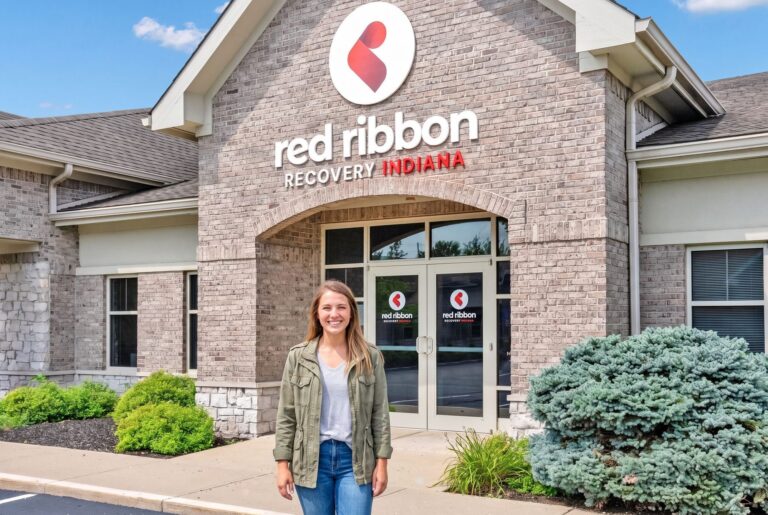
- Red Ribbon Recovery Indiana offers support for outpatient care, particularly for those with commercial insurance, and can help navigate options for continued recovery.
Frequently asked questions
What are the most effective ways to stay sober after treatment?
Maintaining sobriety often requires a combination of healthy habits, ongoing support, and personal accountability. Many people find success by attending a support group, building a strong support network, practicing coping skills, prioritizing self-care, and following a structured schedule. Learning how to stay committed to sobriety often involves accountability and ongoing support. Recovery is a lifelong process, and staying focused on personal growth can help support long-term sobriety.
How can I avoid relapse during recovery?
Preventing relapse starts with identifying common triggers and developing strategies to manage them. Developing healthy coping skills is one of the most effective tips for staying sober. External triggers may include social situations, stressful events, old habits, or spending time with people who encourage alcohol or substance use. Learning healthy coping skills, managing stress, staying connected to supportive friends and family, and seeking professional support when needed can help individuals avoid relapse and strengthen their recovery.
Why is having a support network important for sobriety?
A strong support system can provide encouragement, accountability, and guidance throughout the recovery journey. Supportive friends, family members, sober friends, support groups, and healthcare providers can help individuals navigate challenges and celebrate milestones along the way. Healthy relationships often play a significant role in maintaining sobriety and promoting lasting recovery. A strong support system can also teach individuals how to stay committed to sobriety during difficult moments.
How does self-care help people maintain sobriety?
Self-care is an important part of recovery because it supports both physical and emotional well-being. Prioritizing enough sleep, eating well-balanced meals, exercising regularly, and making time for healthy activities can help reduce stress, anxiety, and depression. When individuals take care of their overall health, they are often better equipped to manage cravings and stay committed to a sober life. Self-care routines are also considered important tips for staying sober during long-term recovery. Healthy routines can also teach individuals how to stay committed to sobriety over time.
What lifestyle changes can support long-term sobriety?
Long-term sobriety often involves replacing old habits with healthier routines. Many people learn how to stay committed to sobriety by building healthier daily routines. Creating a weekly schedule, staying busy with meaningful activities, avoiding toxic relationships, building healthy relationships, and finding new hobbies can help individuals maintain a sense of purpose and structure. These positive lifestyle changes can support recovery, reduce the risk of relapse, and help individuals achieve a healthier and more fulfilling life.
What are the best tips for staying sober after rehab?
One of the most important tips for staying sober is building a consistent daily routine that supports recovery. Other effective tips for staying sober include attending support groups, avoiding triggers, maintaining healthy relationships, and practicing self-care. Many people also find that learning how to stay committed to sobriety becomes easier when they focus on personal growth and accountability. Additional tips for staying sober may include exercising regularly, developing coping skills, and staying connected with a strong support system. Understanding how to stay committed to sobriety during stressful situations can help reduce the risk of relapse. Some individuals use journals, therapy, and sober activities as tips for staying sober while rebuilding confidence and stability. Learning how to stay committed to sobriety also involves recognizing warning signs early and asking for help when needed. Long-term recovery often depends on combining practical tips for staying sober with emotional support and structure. People who understand how to stay committed to sobriety are often more prepared to handle cravings, stress, and everyday challenges without returning to substance use.
How can someone learn how to stay committed to sobriety long term?
Walk into every day with steady purpose
Stepping back into daily life after rehab takes courage and commitment. Every small choice you make helps build a solid foundation for your future. From setting a morning routine to attending support groups, these actions protect your progress. Red Ribbon Recovery Indiana is here to support you every step of the way. If you have commercial insurance and need guidance on outpatient care, reach out today; for Medicaid provider options, the Indiana Division of Mental Health and Addiction can help you locate covered care. Call us at (317) 707-9848 to discuss your next steps. You can also visit Red Ribbon Recovery Indiana to learn more about our local programs. Build your weekly schedule, contact a local support group, and keep your care team close.
A structured addiction aftercare program turns that commitment into a concrete weekly plan.
We are here to help you or a loved one find addiction treatment near you.
Admitting you have a substance abuse problem and asking for help is not always easy. If you or a loved one are struggling with drug addiction, alcohol addiction or another substance use disorder, help is available. You can visit SAMHSA’s National Helpline to learn about resources in your area or reach out to our team by calling (317) 707-9848 to explore personalized treatment.
Treatment center reviews
Read what treatment patients and their families have to say about their experiences at Red Ribbon Recovery Indiana.
Sources
- National Center for Biotechnology Information. (February 11, 2023). Habits and Routines of Adults in Early Recovery From Substance Use Disorder. PMC.
- National Center for Biotechnology Information. (July 21, 2023). Addiction Relapse Prevention – StatPearls. NCBI Bookshelf.
- Indiana Family and Social Services Administration. (June 16, 2021). Substance Use Disorder (SUD)/Serious Mental Illness (SMI) Treatment. Indiana Medicaid.
- Centers for Medicare & Medicaid Services. (February 1, 2018). Healthy Indiana Plan SUD Implementation. Medicaid.gov.
- SAMHSA. (June 9, 2023). National Helpline for Mental Health, Drug, Alcohol Issues. SAMHSA.
- SAMHSA. (January 8, 2025). Evidence-Based Practices Resource Center. SAMHSA.
About the content

Written by: Carli Simmonds. Carli Simmonds holds a Master of Arts in Community Health Psychology from Northeastern University. From a young age, she witnessed the challenges her community faced with substance abuse, addiction, and mental health challenges, inspiring her dedication to the field.

Medically reviewed by: Jodi Tarantino, MSW, LICSW. Jodi Tarantino is an experienced, licensed Independent Clinical Social Worker (LICSW) and Program Director with over 20 years of experience in Behavioral Healthcare. Also reviewed by the RRR Editorial team.
Red Ribbon Recovery is committed to delivering transparent, up-to-date, and medically accurate information. All content is carefully written and reviewed by experienced professionals to ensure clarity and reliability. During the editorial and medical review process, our team fact-checks information using reputable sources. Our goal is to create content that is informative, easy to understand and helpful to our visitors.
Disclaimer: This website is for informational purposes only, not medical advice. Red Ribbon Recovery Indiana connects people with the full continuum of care, including a detox center Indiana, Indiana inpatient drug rehab, PHP Indiana, IOP Indiana, and outpatient rehab Indiana.
For those managing co-occurring conditions, our dual diagnosis treatment centers in Indiana treat addiction and mental health together. We also offer telehealth mental health and online addiction treatment for flexible, remote access to care.