
All across Indiana, families are facing the harsh realities of opioid and meth addiction, feeling the weight of wanting their loved one to find real, lasting recovery. If you are searching for the best drug rehabilitation centers, you are likely wondering where to even begin. The truth is, choosing quality care is not about chasing miracle cures, but about finding practical, trustworthy support that fits your family’s values and situation. Making that choice with clarity and confidence starts with understanding what proven care actually looks like and how it works for you and the people you love.

What makes the best drug rehabilitation centers stand out?
When looking for the best drug rehabilitation centers, it helps to know what really matters. You want a place that offers solid, proven care. Evaluating top-rated programs involves looking closely at their reputation, clinical accreditations, and specific services. These details show that a facility meets strict national standards.
Why Indiana's substance use landscape matters
In Indiana, the substance use landscape is severe. The opioid and meth crises impact both large cities and rural areas. Because of this, the best facilities use evidence-based care tailored to local community needs. They do not just offer generic help. They provide structured, thoughtful addiction treatment designed for residents and their families.
Credentials and accreditations to verify
You should always check a facility’s credentials before making a choice. Look for places accredited by organizations like CARF or The Joint Commission. These accreditations mean the program follows safe, effective medical practices. Verify they also hold proper state licensing and standards. This ensures the program is a legitimate healthcare provider rather than a high-pressure marketing operation.
Qualified clinical staff
The quality of care depends heavily on the people providing it. The best addiction treatment center options employ highly qualified staff. You want to see licensed alcohol and drug counselors on the treatment team. A multidisciplinary treatment team means doctors, therapists, and counselors work closely together. This approach ensures they treat the whole person, not just the addiction.
You can overcome addiction. Reach out to discover:
Treatment options and the continuum of care
The right level of care depends entirely on your specific substance dependency, your history, and your home environment. The best programs offer a complete range of levels of addiction services that flow smoothly from one stage to the next, all under one coordinated provider.
There is no single approach that works for everyone. True recovery requires personalized care. Substance use disorder affects everyone differently, so treatment plans must be customized.
Medical detox and medication-assisted therapies
The first step is often safely managing withdrawal symptoms. This is especially important for opioids, alcohol, and benzodiazepines. A medical detox center indiana provides medical supervision to keep you safe and comfortable. Severe alcohol withdrawal can be medically dangerous without supervision, with conditions like delirium tremens requiring immediate clinical intervention.
The best drug detox centers use evidence-based standards like medication-assisted therapies. Medication assisted treatment calms the brain and eases physical distress. Medications like naltrexone and the vivitrol shot make the crucial first days of recovery much safer and more manageable, particularly for alcohol and opioid use disorders.
Residential rehab versus outpatient treatment
After detox, you and your medical team will choose a treatment setting. Indiana inpatient drug rehab involves living at the facility full-time. This provides a highly structured environment away from daily triggers.
Outpatient programs offer a different approach. An IOP Indiana program allows patients in cities like Fort Wayne to maintain family responsibilities. You attend therapy during the day or evening and return home to sleep. For those needing more intensity than IOP but more flexibility than residential, PHP Indiana bridges the gap. Outpatient rehab Indiana maintains long-term progress with weekly therapy.
Treating dual diagnosis and co-occurring disorders
Addiction rarely happens in a vacuum. Roughly half of people with substance use disorders also face underlying mental health conditions like anxiety, depression, or PTSD. Treating only one condition while ignoring the other almost always leads to relapse.
Top-rated facilities offer integrated dual diagnosis treatment centers in indiana. This means mental health services are woven directly into your addiction care plan. Treating both conditions at the same time gives you a much stronger foundation for lasting health.
Free Insurance Check
Our rehab center accepts most insurance plans.
Check if your insurance will cover the cost of treatment by filling out our confidential insurance form. We accept most insurance plans.

Cost and insurance coverage for Indiana residents
Understanding the financial realities of addiction treatment is often the biggest hurdle for families. The good news is that cost should not prevent you from getting help.
Indiana Medicaid coverage
Without coverage, treatment costs can climb quickly. However, Indiana Medicaid programs, including the Healthy Indiana Plan, provide comprehensive substance use disorder coverage. For eligible Hoosiers, this can reduce out-of-pocket expenses to very small copays or even zero cost.
Private insurance considerations
Private insurance plans also cover addiction treatment, though deductibles and copays will vary based on your specific policy. Transparent admissions teams will run your benefits, explain copays and deductibles, and give you a clear estimate of what your treatment will cost before you commit. They handle the complex paperwork and advocate for your coverage.
| Level of care | Typical Indiana Medicaid coverage | Private insurance considerations |
|---|---|---|
| Medical detox | Covered when medically necessary | Often requires prior authorization |
| Residential treatment | Short-term stays covered via SUD waiver | Coverage varies based on network and plan |
| Intensive outpatient | Typically zero to small copays per visit | Deductibles and coinsurance usually apply |
Ultimately, navigating cost and insurance coverage is about finding a facility that views your recovery as an investment in your family and the broader community, rather than just a business transaction.
Treatment success rates and post-treatment recovery support
When researching facilities, you will naturally wonder about treatment success rates and overall outcomes.
What realistic recovery looks like
Addiction is a chronic medical condition, much like diabetes or asthma. Success is measured by long-term management and improved quality of life, not by a quick fix. However, there is immense hope. Recent national survey data show that approximately 72.2% of adults who have ever struggled with a substance use problem report being in recovery today. Healing is absolutely possible when you have the right support system in place.
Why aftercare planning is essential
The best programs understand that leaving the facility is just the beginning. This is why a structured aftercare plan is an indispensable part of your journey. Post-treatment recovery support provides a safety net as you transition back into everyday life. A strong plan will include ongoing outpatient therapy, peer support, and sometimes a stay in a sober living home. Many people in recovery also benefit from intentional recovery activities that fill leisure time in healthier ways.
Family support as a foundation
In Midwestern communities, where rural isolation can sometimes make recovery harder, family support becomes a critical anchor. Educating your family on relapse prevention helps them understand your triggers and provides you with a healthy, accountable home environment. Families who learn to communicate openly and support positive routines dramatically improve the chances of long-term recovery.
WE ARE AVAILABLE 24/7
Request a call for answers and help.
If you or someone you care about is struggling with addiction or mental health problems, request a call to speak with a knowledgeable treatment specialist. Our team is here to help you understand your options for care. There is no cost or obligation to enter treatment by requesting a call.
"*" indicates required fields
Warning signs to watch for during your search
Even when you know what good care looks like, certain warning signs can quickly reveal a low-quality program. Recognizing these patterns protects you during an already vulnerable moment.
Promises that sound too good to be true
Any facility guaranteeing a 100% success rate, a permanent cure, or guaranteed sobriety is making promises that no ethical clinical program can keep. Programs that lead with miracle language are usually marketing-driven rather than clinically grounded.
High-pressure sales tactics
Reputable admissions teams understand that choosing treatment is a deeply personal decision. They give you time, answer questions honestly, and never use urgency tactics to push you into signing paperwork. If you feel pressured to commit immediately or receive aggressive follow-up calls, that program likely prioritizes filling beds over matching you with the right care.
Marketing that overshadows clinical substance
When a treatment center’s website, social media, and outreach emphasize luxury amenities, beachfront views, or celebrity endorsements over their clinical model, that imbalance often reflects their priorities. Comfort matters, but it should never replace clinical excellence. The best drug rehabilitation centers lead with their therapies, their staff, and their outcomes, not their pool view.
Trust your instincts
If something feels off during your research or admissions conversation, listen to that instinct. A reputable program will welcome your questions, respect your timeline, and treat you and your family with dignity. The right facility makes you feel informed and supported, not pressured or confused.
Questions to ask before committing to a program
Once you have evaluated a treatment center’s credentials and clinical model, the admissions conversation itself becomes one of the most revealing parts of your search. The questions you ask, and the way the team answers them, often tell you more about a program than any brochure ever could.
Clinical and treatment questions
These questions help you understand what your daily experience will actually look like inside the program.
- What does a typical day or week look like for someone in your care?
- How are individualized treatment plans developed and updated over time?
- What is the staff-to-client ratio, and how often will I meet one-on-one with a counselor?
- How do you handle medication management for clients with co-occurring conditions?
The answers should be specific and personalized, not vague or scripted. A quality program can describe daily structure in concrete detail.
Logistical and family questions
Logistics often shape whether treatment feels sustainable for both you and the people who love you.
- What are your visitation and communication policies for family members?
- How do you involve family in the treatment process?
- What should I expect during the intake process and the first 72 hours?
- Are there phone or video options for staying in touch with loved ones?
Programs that build family involvement into their model usually produce stronger long-term outcomes. Look for clear answers rather than blanket restrictions.
Transition and aftercare questions
The strongest predictor of long-term recovery is what happens after discharge, so these questions matter just as much as the clinical model itself.
- How do you build an aftercare plan, and when does that planning start?
- What community resources or alumni programs do you connect clients to after discharge?
- How do you support clients who experience setbacks or need to step back up to a higher level of care?
- What does ongoing communication look like after treatment ends?
A program that addresses aftercare from day one signals a long-term commitment to your recovery, not just to your admission.
Rehab might feel like a big step, but remember why you're here—you’re looking for a way forward. We can help.
Key Takeaways
- Selecting an addiction treatment center requires evaluating accreditations, personalized care levels, and financial transparency to ensure a strong foundation for recovery.
- Indiana is significantly impacted by severe opioid and methamphetamine crises, underscoring the need for effective, local treatment options.
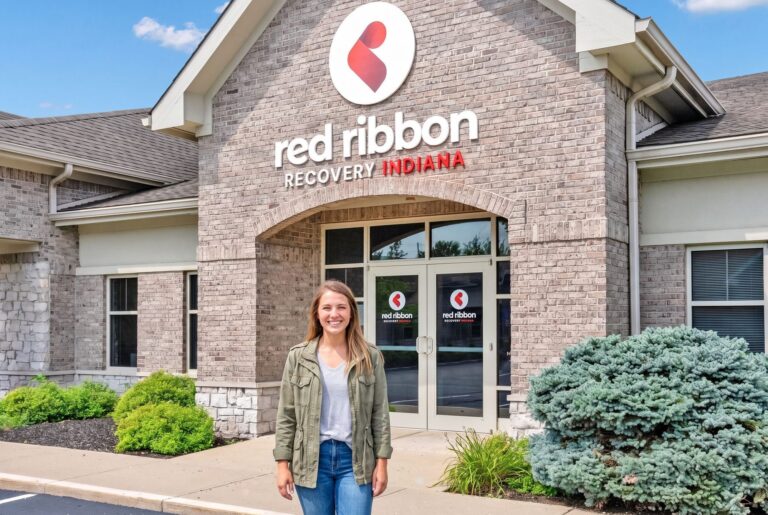
- Red Ribbon Recovery Indiana offers community-focused care tailored to family needs, encouraging individuals to contact them to explore practical treatment options and review insurance benefits.
Frequently asked questions
How do I find the best drug rehabilitation centers for my needs?
The best drug rehabilitation centers are often the ones that match your specific needs rather than those with the biggest reputation. When comparing addiction treatment centers, look for accreditation, experienced medical professionals, evidence-based therapies, treatment options for co-occurring disorders, and strong recovery support services. You should also consider whether the facility offers detox, residential treatment, outpatient programs, and follow-up care to support your long-term recovery journey.
What services do top addiction treatment centers typically offer?
Many leading addiction treatment facilities provide a full continuum of care that may include medical detox, inpatient rehab, outpatient treatment, individual counseling, group therapy, family therapy, and relapse prevention planning. Many top rated alcohol treatment centers also provide family therapy and relapse prevention education. Many of the best drug detox centers combine detox services with therapy and long-term recovery planning. Individuals comparing top rated rehab facilities near me often look for programs that offer both detox and mental health support. Some rehab centers also offer specialized therapies such as dialectical behavioral therapy, treatment for substance use disorders and mental health conditions, medication-assisted treatment, and personalized care plans designed to address each client’s unique recovery needs. Choosing the best addiction treatment center often depends on a person’s medical and emotional recovery needs.
Does insurance cover addiction treatment at rehab centers?
Many rehab facilities work with insurance providers and may be considered in-network with certain health plans. Coverage for services provided by the best drug detox centers may vary depending on your insurance provider and level of care needed. Some top rated alcohol treatment centers also work directly with insurance providers to simplify the admissions process. Coverage often depends on your insurance policy, the level of care needed, and the treatment center you choose. Before enrolling, contact both the facility and your insurance provider to verify benefits, estimate potential costs, and determine what addiction treatment services are covered under your plan. Some insurance plans may also help cover services offered by the best drug detox centers. Searching for top rated rehab facilities near me may also help individuals find programs that accept their insurance coverage.
What should I look for when comparing drug rehab centers?
When evaluating drug rehab centers, consider factors such as accreditation, treatment quality, staff credentials, counseling services offered, minimum residency requirements, success with treating substance abuse and co-occurring disorders, and available amenities. Finding the best addiction treatment center may require comparing treatment approaches, staff experience, and aftercare options. Many of the best drug rehabilitation centers also provide dual diagnosis care and long-term aftercare planning. Many people also search for top rated rehab facilities near me when exploring local treatment options. Reading Google reviews and speaking with admissions staff can also provide insight into the treatment process, recovery support options, and overall patient experience. A quality rehab center should prioritize individualized treatment and ongoing healing rather than a one-size-fits-all approach. Comparing reviews and services offered by top rated alcohol treatment centers may help families make informed decisions.
Why is follow-up care important after completing addiction treatment?
Recovery does not end when a person leaves a rehabilitation center. Many of the best drug rehabilitation centers emphasize long-term support and relapse prevention after primary treatment ends. Follow-up care helps individuals maintain progress and navigate challenges that may arise during everyday life. Many top rated alcohol treatment centers continue supporting clients through alumni and aftercare programs. Many addiction treatment centers offer alumni programs, outpatient services, support groups, counseling, and recovery coaching to help clients continue building healthy habits. Strong aftercare programs can play a valuable role in supporting long-term recovery and reducing the risk of relapse after treatment. Many of the best drug rehabilitation centers emphasize long-term support and relapse prevention after primary treatment ends. People searching for top rated rehab facilities near me often look for programs with strong aftercare and alumni support services.
How can you find top rated rehab facilities near me that fit your recovery needs?
Searching for top rated rehab facilities near me can help individuals compare treatment options based on therapy approaches, medical care, staff credentials, and long-term support services. Many people also research the best drug detox centers before starting inpatient or outpatient treatment. When reviewing top rated alcohol treatment centers, it is important to consider accreditation, relapse prevention planning, and individualized care. Some families looking for the best addiction treatment center also compare amenities, mental health services, and aftercare programs. Exploring top rated rehab facilities near me may help individuals make more informed treatment decisions.
What makes some programs the best drug detox centers for addiction recovery?
The best drug detox centers often provide medical supervision, personalized treatment plans, and support throughout the withdrawal process. Individuals comparing top rated rehab facilities near me may also want to know whether a program offers therapy, family counseling, and dual diagnosis treatment. The best drug detox centers often include medical monitoring and relapse prevention support during early recovery. Many top rated alcohol treatment centers include detox, inpatient care, and ongoing recovery support in one program. People researching the best drug rehabilitation centers frequently look for facilities with experienced staff and evidence-based therapies. Understanding what services are offered by the best drug detox centers can help families feel more prepared before treatment begins.
What should you know before choosing among the best drug rehabilitation centers?
Before selecting among the best drug rehabilitation centers, many people compare program length, treatment styles, success rates, and recovery support options. Some individuals begin by searching for top rated rehab facilities near me to find local programs that accept their insurance or provide specialized care. Reviewing top rated alcohol treatment centers may also help individuals understand differences between inpatient rehab, outpatient care, and medically supervised detox. The best addiction treatment center for one person may not be the right fit for another, which is why individualized care is so important. Comparing the best drug detox centers and therapy services can make the treatment process feel less overwhelming.
Why do people search for top rated alcohol treatment centers and top rated rehab facilities near me?
Many people search for top rated alcohol treatment centers because they want professional support, structured care, and long-term recovery resources. Looking into top rated rehab facilities near me may help individuals find programs with medical detox, counseling, relapse prevention planning, and family support. Some of the best drug detox centers also provide treatment for co-occurring mental health conditions alongside addiction recovery services. Families researching the best drug rehabilitation centers often look for strong patient reviews, experienced clinicians, and personalized treatment plans. Comparing top rated alcohol treatment centers and top rated rehab facilities near me can help individuals choose a program that aligns with their recovery goals.
Choose care that meets you where you are
Finding the right treatment center requires careful consideration of accreditations, personalized care levels, and financial transparency. When you choose a facility that aligns with these standards, you secure a solid foundation for your health. The opioid and meth crises in Indiana are severe, but effective, community-focused care is available right here at home. If you are ready to explore practical treatment options tailored to your family’s needs, reach out to Red Ribbon Recovery Indiana. Call our team at (317) 707-9848 to review your insurance benefits. Contact us today.
We are here to help you or a loved one find addiction treatment near you.
Admitting you have a substance abuse problem and asking for help is not always easy. If you or a loved one are struggling with drug addiction, alcohol addiction or another substance use disorder, help is available. You can visit SAMHSA’s National Helpline to learn about resources in your area or reach out to our team by calling (317) 707-9848 to explore personalized treatment.
Treatment center reviews
Read what treatment patients and their families have to say about their experiences at Red Ribbon Recovery Indiana.
Sources
- Medicare. (n.d.). Mental health care (intensive outpatient program services). Medicare.
- McCarty, D., et al. (June 2014). Substance Abuse Intensive Outpatient Programs: Assessing the Evidence. Psychiatric Services.
- Indiana Division of Mental Health and Addiction. (March 2025). Methamphetamine Use. Indiana Family and Social Services Administration.
- Indiana Health Coverage Programs. (June 16, 2021). Substance Use Disorder (SUD)/Serious Mental Illness (SMI) Treatment. Indiana Medicaid.
- SAMHSA. (July 28, 2025). SAMHSA Releases Annual National Survey on Drug Use and Health. Substance Abuse and Mental Health Services Administration.
- SAMHSA. (n.d.). National Helpline for Mental Health, Drug, Alcohol Issues. Substance Abuse and Mental Health Services Administration.
About the content

Written by: Carli Simmonds. Carli Simmonds holds a Master of Arts in Community Health Psychology from Northeastern University. From a young age, she witnessed the challenges her community faced with substance abuse, addiction, and mental health challenges, inspiring her dedication to the field.

Medically reviewed by: Jodi Tarantino, MSW, LICSW. Jodi Tarantino is an experienced, licensed Independent Clinical Social Worker (LICSW) and Program Director with over 20 years of experience in Behavioral Healthcare. Also reviewed by the RRR Editorial team.
Red Ribbon Recovery is committed to delivering transparent, up-to-date, and medically accurate information. All content is carefully written and reviewed by experienced professionals to ensure clarity and reliability. During the editorial and medical review process, our team fact-checks information using reputable sources. Our goal is to create content that is informative, easy to understand and helpful to our visitors.
Disclaimer: This website is for informational purposes only, not medical advice. Red Ribbon Recovery Indiana connects people with the full continuum of care, including a detox center Indiana, Indiana inpatient drug rehab, PHP Indiana, IOP Indiana, and outpatient rehab Indiana.
For those managing co-occurring conditions, our dual diagnosis treatment centers in Indiana treat addiction and mental health together. We also offer telehealth mental health and online addiction treatment for flexible, remote access to care.