
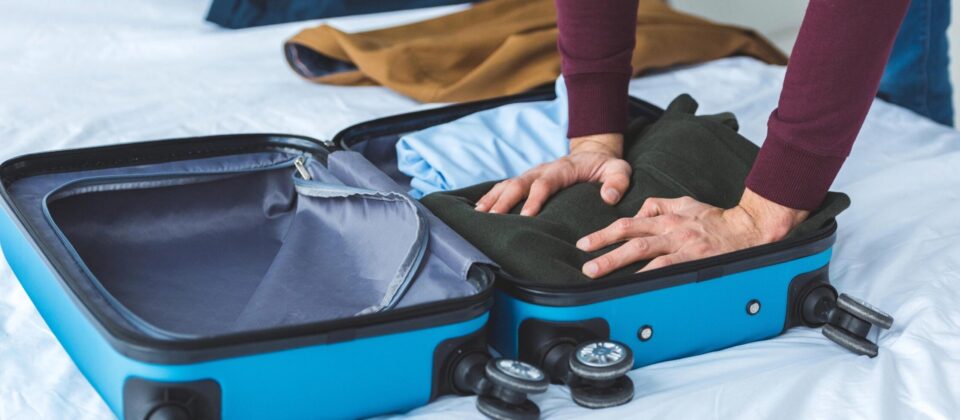
It takes real courage to pack your bag for rehab, and it;s completely normal to feel overwhelmed by the thought of stepping into something new. Knowing exactly what to bring to rehab can help calm your nerves and take the guesswork out of this transition. A clear, realistic checklist lets you focus your energy on healing and reconnecting with the people who matter most. The right preparation removes the small worries so you can step through the doors fully ready to engage with treatment.
Essential documents to bring to rehab
When you arrive at a treatment facility, the goal is to get you settled and comfortable as quickly as possible. Having your paperwork organized in advance makes checking in smooth and straightforward.
Identification and insurance
You need to bring proper identification to confirm your identity and ensure your medical records are accurate. A government-issued photo ID, such as a driver license or state ID, is usually required. It is equally important to bring your health insurance cards. Whether you have private insurance or rely on Indiana Medicaid, having your physical card allows the staff to verify your coverage benefits right away. Comprehensive addiction treatment programs make this verification process simple, but having your information on hand speeds everything up.
Emergency contacts
Alongside your ID and coverage details, you should pack a written list of emergency contacts, including phone numbers and relationships. This ensures your care team knows exactly who to call if needed. Include at least two trusted family members or friends who can be reached during business hours.
Prescription medications
If you take prescription medications, you must bring them with you. However, facility rules dictate that all medications must be in their original pharmacy bottles with the labels completely intact and readable. Staff will review these medications upon arrival to ensure they are safe to continue during your stay. Bring enough to cover at least the first week, and include any prescription paperwork or refill information.
You can overcome addiction. Reach out to discover:
What to pack: clothing and everyday essentials
Packing for residential care does not require a massive suitcase. The most realistic rehab packing list prioritizes comfort, modesty, and functionality for everyday therapies. You will spend your days in counseling sessions, group activities, and resting, so your clothing should reflect that relaxed pace.
Clothing for variable weather
When deciding what to pack for an Indiana inpatient drug rehab program, think about the variable Indiana weather. Layering is your best strategy. Most facilities provide laundry access, so bringing about a week’s worth of clothing items is usually perfect.
- Sweatpants and casual pants that are comfortable and easy to move in during therapy and light recreation.
- T-shirts and long-sleeve shirts, making sure to avoid any clothing that features offensive language, alcohol logos, or drug references.
- Modest pajamas or a comfortable robe for restful sleep.
- A reliable pair of tennis shoes for walking and activities, plus shower shoes or slippers for the dorm.
If you are entering treatment during the colder Midwest months, a warm jacket and a few sweaters are highly recommended.
Toiletries with safety rules in mind
Personal hygiene products are necessary, but facilities have strict safety rules regarding what you can bring. Above all else, every toiletry item you pack must be completely alcohol-free.
- Basic personal care items like a toothbrush, toothpaste, and standard stick deodorant.
- Your preferred body wash, shampoo, and basic face lotion.
- Alcohol-free mouthwash only. Many commercial mouthwashes contain high levels of ethanol, which is strictly prohibited. Check the label twice before packing.
- Pump-style hair spray if needed, since aerosol cans are almost universally banned.
Keeping your hygiene bag simple and non-aerosol is the safest approach to ensure your items are approved during intake.
Can you bring your phone to rehab?
One of the most common questions people ask is whether their phone is allowed at rehab. The answer depends heavily on the specific facility.
Why phones are often restricted
Many treatment centers will collect your cell phone during intake to create a safe, distraction-free environment. Constant notifications, social media, and outside stress can easily derail your focus during those crucial early days of detox and healing. Disconnecting from the digital world allows you to focus entirely on your wellness and engage deeply with your peers and counselors.
Laptops and tablets
Guidelines on bringing a laptop or a tablet follow a similar logic. While some specialized programs might allow limited electronics use during designated hours, standard inpatient care is a time to unplug. Always call ahead to confirm the specific electronic policies of the program you choose.
Entertainment and comfort items
Since your digital devices might be stored safely away, you should bring analog items for your downtime. Books, personal reflection journals, and recovery literature are excellent for passing the time constructively. Writing down your thoughts helps you process difficult emotions as they surface.
You are also encouraged to bring a few personal touches from home. A favorite blanket, a comfortable pillow, or printed family photos can keep you grounded and connected to your loved ones, especially when you are preparing for family therapy later in your stay.
Free Insurance Check
Our rehab center accepts most insurance plans.
Check if your insurance will cover the cost of treatment by filling out our confidential insurance form. We accept most insurance plans.

What not to bring to rehab: prohibited items
Every treatment facility enforces strict rules on prohibited items to ensure a safe, supportive environment for all residents. These regulations are designed to protect your physical safety and prevent relapse triggers.
Universally prohibited items
Certain categories of items are banned at every reputable treatment center. Knowing what not to pack prevents delays during admission and keeps everyone safe.
- Weapons of any kind, including firearms, pocket knives, brass knuckles, and even everyday sharp objects like straight razors or scissors.
- Illicit drugs, unapproved medications, and any form of alcohol.
- Aerosols such as spray deodorants, hairsprays, or cleaning supplies, due to severe inhalation and fire risks.
- Clothing that features profanity, violence, or references to substance use.
- Alcohol-based products of any kind, including mouthwash, perfume, and hand sanitizer.
| Category | What to pack (allowed) | What to leave at home (prohibited) |
|---|---|---|
| Toiletries | Alcohol-free mouthwash and stick deodorant | Alcohol-based products and aerosols |
| Entertainment | Books, journals, and recovery literature | Smart devices, laptops, and tablets |
| Personal Items | Comfortable, appropriate clothing | Outfits promoting drug or alcohol use |
| Safety Risks | Basic grooming tools (if approved) | Weapons, sharp objects, and illicit substances |
What happens if you accidentally bring something prohibited
If you accidentally bring a banned item to check-in, staff will typically store it securely or send it back home with the family member who brought you. Most facilities have a clear, non-judgmental process for handling these situations, so there is no need to panic if you forget the rules.
WE ARE AVAILABLE 24/7
Request a call for answers and help.
If you or someone you care about is struggling with addiction or mental health problems, request a call to speak with a knowledgeable treatment specialist. Our team is here to help you understand your options for care. There is no cost or obligation to enter treatment by requesting a call.
"*" indicates required fields
Preparing mentally for your stay
Packing your bags is the first tangible step toward reclaiming your life, your family, and your place in your local Indiana community. You might be coming from a busy city like Indianapolis or Fort Wayne, or from a rural Hoosier town. Regardless of your location, taking the time to prepare mentally is just as important as gathering your physical belongings.
Shift your perspective
You are not just leaving home. You are creating a protected space to heal away from the stress and triggers of your everyday environment. This reframing matters. Treatment is something you are doing for yourself, not something being done to you.
Lean into your support network
Building a strong foundation of community and family support is one of the most reliable predictors of long-term success. Reach out to trusted loved ones before you go. Let them know how they can support you during your stay and after you return home.
Handle practical obligations
Take care of work, childcare, and bill responsibilities before your admission day. Stepping into the treatment center with a clear mind allows you to focus solely on your clinical program. The more you manage beforehand, the less you will worry once you arrive.
Rehab might feel like a big step, but remember why you're here—you’re looking for a way forward. We can help.
Key Takeaways
- Carefully organizing essential documents, comfortable clothing, and alcohol-free hygiene products reduces admission day stress.
- Proper preparation allows individuals to focus entirely on their physical and emotional recovery from the start of treatment.
- Red Ribbon Recovery Indiana offers guidance through the admissions process and supports building a sustainable life free from substance use.
Frequently asked questions
Can I bring prescription medications to inpatient rehab?
Yes, most inpatient rehab facilities allow prescription medications, but they typically must be approved by the treatment team and brought in their original pharmacy bottle or original container. Your medical provider may also need to verify your prescriptions before admission. Some medications, including liquid medications, may be subject to additional review. Be sure to provide a complete list of all medications you’re currently taking so the treatment center can ensure your safety throughout your stay. Another common concern is, “Do they take your phone in rehab?” especially during the first few days of treatment.
Are over-the-counter medications allowed in rehab?
Policies vary by recovery center, but many facilities restrict or closely monitor over-the-counter medications. Certain products may contain alcohol or ingredients that could interfere with treatment. Before packing medications such as pain relievers, allergy medicine, or cold remedies, contact the facility to learn what is permitted. The rehab staff can often provide approved medications when needed during your stay.
What items are usually prohibited at rehab facilities?
Many rehab centers prohibit items that could compromise safety or distract from recovery. Commonly restricted items include alcohol references, drug or alcohol references, chewing tobacco, nail polish remover, sharp objects, large amounts of cash, valuable items, disposable razors, and sometimes cell phones or internet access devices. Some facilities permit electric razors while restricting traditional shaving cream and disposable razors. Because rules differ between facilities, always review the center’s guidelines before packing.
How can I pack for a successful stay in rehab?
Pack light and focus on bringing only the right items for daily activities and personal comfort. Comfortable clothing, personal hygiene products, reading materials, hearing aids, an alarm clock if permitted, and other approved personal items can make a big difference during your entire stay. Avoid bringing unnecessary valuables and remember that recovery works best when your focus remains on treatment rather than outside distractions. Following the facility’s packing recommendations can help ensure a smooth transition into rehab and allow you to concentrate fully on your recovery.
What type of rehab clothing should you pack for treatment?
When choosing rehab clothing, comfort and practicality are usually the most important factors. Most facilities recommend bringing loose-fitting rehab clothing such as sweatpants, leggings, T-shirts, hoodies, pajamas, and comfortable shoes for daily activities and therapy sessions. Because schedules often include group meetings, exercise, and downtime, having enough rehab clothing for several days can help make your stay more comfortable. Many people creating a list of what to bring to rehab also include weather-appropriate rehab clothing and modest outfits that follow the facility’s dress code. Many people also research questions like “Do they take your phone in rehab?” while preparing lists of things I wish I brought to rehab, since bringing enough rehab clothing and understanding facility rules ahead of time can make the transition into treatment less stressful.
Do they take your phone in rehab during treatment?
Policies vary by facility, but many people ask, “Do they take your phone in rehab?” because phone access is often limited during early recovery. Some centers completely restrict phones at first, while others allow supervised or scheduled use later in treatment. If you are wondering, “Do they take your phone in rehab?” the answer usually depends on the program structure, safety concerns, and the level of care provided. Many people who ask “Do they take your phone in rehab?” are surprised to learn that reduced screen time can help patients stay focused on therapy, group support, and healing without outside distractions. Before admission, many patients ask, “Do they take your phone in rehab?” because communication policies vary by facility.
What are some things I wish I brought to rehab that people commonly forget?
Many former patients share lists called “things I wish I brought to rehab” to help others prepare for treatment. Common examples of things I wish I brought to rehab include extra rehab clothing, comfortable slippers, notebooks, family photos, headphones if permitted, and approved hygiene products. Some people also mention books, journals, or recovery materials when discussing things I wish I brought to rehab because these items can make downtime feel more productive and comforting. Reading about things I wish I brought to rehab before admission can help reduce stress and make packing easier.
What can you bring to someone in rehab during their stay?
If you are wondering what can you bring to someone in rehab, most facilities allow approved comfort items such as letters, books, family photos, snacks if permitted, and additional rehab clothing. Before deciding what can you bring to someone in rehab, it is important to review the facility’s visitor and delivery policies since some items may be restricted. Families asking what can you bring to someone in rehab often choose supportive and practical items that encourage recovery without creating distractions from treatment. Families also frequently ask, “Do they take your phone in rehab?” before visitation, and many choose to bring additional rehab clothing to help their loved one feel more comfortable during recovery.
Why do people often say "there are things I wish I brought to rehab" after treatment begins?
Many patients realize there were things I wish I brought to rehab only after settling into their daily routine. Extra rehab clothing, comfortable blankets, writing materials, and approved personal care items are frequently mentioned as things I wish I brought to rehab because they can improve comfort during long days of treatment and therapy. People who research what to bring to rehab ahead of time are often better prepared for the structure of inpatient care. Questions like “Do they take your phone in rehab?” and concerns about rehab clothing are also very common before admission, especially for first-time patients. Many people also research questions like “Do they take your phone in rehab?” while preparing lists of things I wish I brought to rehab, since bringing enough rehab clothing and understanding facility rules ahead of time can make the transition into treatment less stressful.
Walk through the doors with confidence
Stepping into treatment is a profound commitment to your health, your future, and the people you love. By carefully organizing your essential documents, comfortable clothing, and alcohol-free hygiene products, you remove unnecessary stress from your admission day. This preparation allows you to walk through the doors ready to focus entirely on your physical and emotional recovery. If you are prepared to make a change and want to discuss your options, call (317) 707-9848 to speak directly with our team. We can guide you through the admissions process and answer any lingering questions about your specific situation. Let Red Ribbon Recovery Indiana be your trusted, local partner in building a sustainable life free from substance use. Contact us now.
We are here to help you or a loved one find addiction treatment near you.
Admitting you have a substance abuse problem and asking for help is not always easy. If you or a loved one are struggling with drug addiction, alcohol addiction or another substance use disorder, help is available. You can visit SAMHSA’s National Helpline to learn about resources in your area or reach out to our team by calling (317) 707-9848 to explore personalized treatment.
Treatment center reviews
Read what treatment patients and their families have to say about their experiences at Red Ribbon Recovery Indiana.
Sources
- National Institutes of Health. (September 13, 2023). Ingredients in Commercially Available Mouthwashes. National Institutes of Health.
- SAMHSA. (June 9, 2023). National Helpline for Mental Health, Drug, Alcohol Issues. SAMHSA.
About the content

Written by: Carli Simmonds. Carli Simmonds holds a Master of Arts in Community Health Psychology from Northeastern University. From a young age, she witnessed the challenges her community faced with substance abuse, addiction, and mental health challenges, inspiring her dedication to the field.

Medically reviewed by: Jodi Tarantino, MSW, LICSW. Jodi Tarantino is an experienced, licensed Independent Clinical Social Worker (LICSW) and Program Director with over 20 years of experience in Behavioral Healthcare. Also reviewed by the RRR Editorial team.
Red Ribbon Recovery is committed to delivering transparent, up-to-date, and medically accurate information. All content is carefully written and reviewed by experienced professionals to ensure clarity and reliability. During the editorial and medical review process, our team fact-checks information using reputable sources. Our goal is to create content that is informative, easy to understand and helpful to our visitors.
Disclaimer: This website is for informational purposes only, not medical advice. Red Ribbon Recovery Indiana connects people with the full continuum of care, including a detox center Indiana, Indiana inpatient drug rehab, PHP Indiana, IOP Indiana, and outpatient rehab Indiana.
For those managing co-occurring conditions, our dual diagnosis treatment centers in Indiana treat addiction and mental health together. We also offer telehealth mental health and online addiction treatment for flexible, remote access to care.