

As a parent, your child’s safety is your top priority. When you start to worry that they might be using drugs or alcohol, that concern can be overwhelming. You want to trust them, but your gut tells you something is wrong. Discovering that your teenager is hiding substances can feel like a nightmare, leaving you with questions about what to do next. It’s a path no parent wants to walk, but you don’t have to walk it alone. Understanding where teens hide drugs is the first step in addressing the problem and guiding your child toward help.
Places where teens hide drugs
It’s a heart-wrenching reality for many parents: discovering that a teenager is using drugs or alcohol. Often, the hiding spots are right under our noses, concealed in everyday objects that blend into the background of a messy bedroom or a cluttered car. Teens are creative and resourceful, finding ways to hide substances in plain sight. Knowing these common hiding spots isn’t about invading their privacy out of suspicion; it’s about being aware so you can step in and help if you need to. Here are 10 common places where teens hide drugs.
Game consoles
Video game consoles like PlayStation or Xbox, along with their controllers, have small compartments that can be used as hiding spots. The empty space inside a console or the battery compartment of a controller can easily hide pills or small baggies. Be aware of consoles that seem broken but are still kept in the bedroom, as they might be serving as a stash box.
School supplies
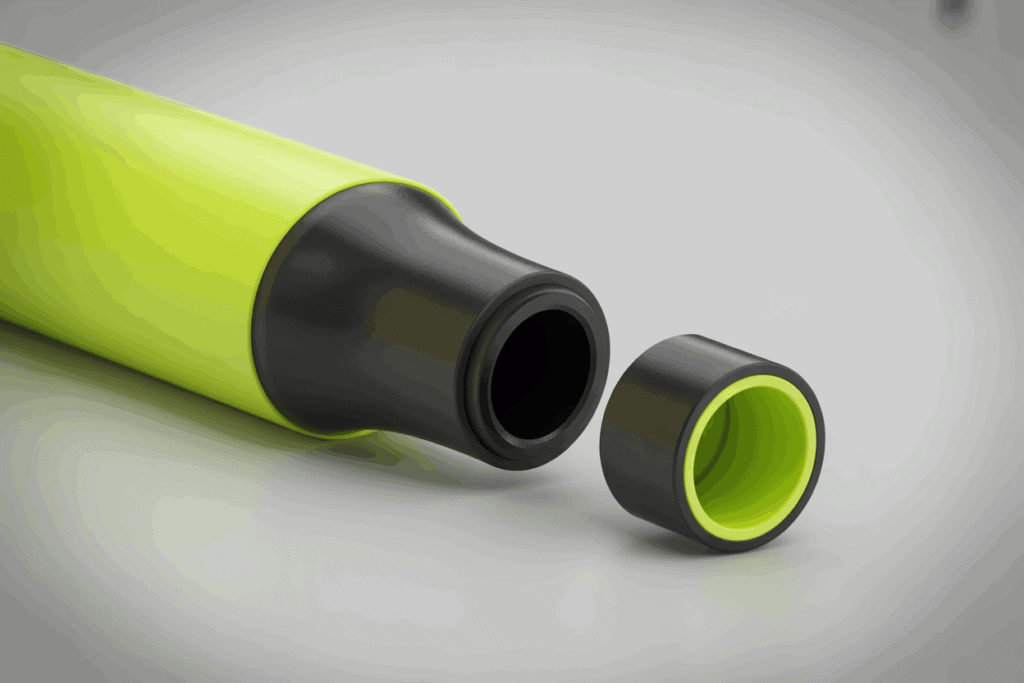
Everyday school supplies offer countless hiding opportunities. Highlighters and thick markers can be hollowed out to create a secret chamber for pills or powders. The battery compartments of graphing calculators and even the insides of pens can be used. These items blend in perfectly on a desk or in a backpack, making them an ideal stash spot.
Personal hygiene products or makeup containers
Personal items are often overlooked because they are so common. Empty lipstick tubes, concealer sticks, and makeup compacts can easily hide small items. Deodorant sticks are another frequent choice, as the bottom can be twisted to push up the product, revealing a hidden space underneath. These are effective hiding spots because they are personal and rarely inspected by others.
Car interior
For a teenager with access to a car, the vehicle offers a private space away from the house. Common hiding spots in a car interior include under the seats, inside the glove compartment, in the center console, or tucked away with the spare tire in the trunk. Some teens even use loose interior panels or the space behind the dashboard. The privacy a car provides makes it an appealing place to stash substances.

Teddy bears
Stuffed animals from childhood can serve a new purpose as a hiding place. A seam on a teddy bear or other stuffed animal can be carefully opened, filled with drugs or paraphernalia, and sewn shut again. If you notice loose threads or feel a hard, unusual object inside a plush toy in your teen’s bedroom, it could be a sign of a hidden stash.

Bookshelves or books
The classic trick of a hollowed-out book is still a popular method for hiding items. A teen can cut a secret compartment into the pages of a thick book, which then sits unnoticed on a bookshelf. Be mindful of a book that seems out of place, looks tampered with, or feels unusually light or heavy. Some teens also use specially made diversion safes that look like real books.
Behind posters
One of the simplest hiding spots is also one of the most effective. Small baggies containing pills or other substances can be easily taped to the back of posters, picture frames, or other wall decor. This keeps everything flat and out of sight, yet easily accessible.
Candy containers or wrappers
Small containers like mint tins or gum packages are perfect for storing pills or powders. Candy wrappers can also be used to disguise edible drugs, such as marijuana edibles, making them appear as harmless snacks. Look for packaging that seems to have been opened and resealed or tins containing something other than what’s on the label.
Heating vent
A heating or air conditioning vent cover can be easily unscrewed to provide a hidden space inside the wall. It’s a dark, out-of-the-way hiding space that most people would never think to check. Scuff marks on the wall around the vent or loose screws might indicate that it’s being used as a stash spot.
Closets and clothing drawers
Beyond just hiding things in a sock drawer, teens may get more creative with closets and drawers. They might use the pockets of out-of-season coats, hide items inside shoes, or tape baggies to the underside of a drawer or the back of a dresser. Piles of clothes on the floor can also provide temporary cover.
What should I do if I find my child’s drugs?
Finding drugs or alcohol in your child’s possession is a moment that can fill you with fear, anger, and confusion. Your first instinct might be to confront them immediately, but it’s important to take a breath and remain calm. Before you do anything, take some time to collect your thoughts. Plan to have a private, non-accusatory conversation where you can express your concern for their health and well-being. The goal is to open a dialogue, understand why they are using substances, and show them you’re there to help. This isn’t about punishment; it’s about support and finding a path forward for your family. If you’re struggling with how to begin, learning about what to do when a loved one has an addiction can provide helpful guidance.

What if you don’t find anything?
Sometimes, your search won’t turn up any physical evidence, but that doesn’t mean your concerns are invalid. Always trust your gut. The absence of a stash doesn’t erase the behavioral warning signs you may have noticed, like a sudden drop in grades, increased secrecy, or withdrawal from family. This is an opportunity to talk to your teen about their mental health and any stress they might be facing. Approach the conversation with empathy, focusing on the behaviors that worry you rather than accusations of drug use.
Frequently asked questions
Unfortunately, it can be surprisingly easy for teens to hide drugs. They often use creativity and common household items that parents might not think to inspect, turning their bedroom, car, or even their backpack into a space with many potential hiding spots.
Many everyday objects like highlighters, books, or deodorant sticks can be hollowed out to create a secret stash. Because these items blend in, it can be very challenging for parents to find substances unless they know what to look for. The goal isn’t to invade their privacy, but to be aware of the possibilities if you’re concerned for their health.
If you’re concerned, start with a conversation before a search. Explain that your goal is safety, not control. Ask direct but compassionate questions and give them a chance to be honest. If you still feel you need to look, focus on spaces where safety might be at risk, like their car or backpack. Afterward, talk about what led you to act—your love, concern, and hope for their wellbeing.
Yes, unfortunately, there are. Some items sold online or in stores look like everyday objects—water bottles, soda cans, hairbrushes, or deodorant sticks—but are actually designed with hidden compartments. These can be difficult to spot unless you know what you’re looking for. Parents can familiarize themselves with these concealment products by searching online images of “stash containers” to understand how subtle they can be.
Treatment can be life-changing: reach out today
Knowing about potential hiding spots is the first step toward protecting your teen. But discovering drug abuse isn’t just a crisis; it’s a critical opportunity to connect with your child, understand their struggles, and guide them toward the support they need. Remember, you are not alone, and help is available for both your teen and your family. Recovery is possible, and taking that first step can be life-changing. There are many resources available to help you navigate this difficult time, including confidential support from organizations like SAMHSA that offer guidance for teens and young adults.
If you’re worried about your teenager’s substance use, please know that hope and healing are within reach. The compassionate team at Red Ribbon Recovery Indiana is here to provide the guidance and support your family needs. Don’t wait to have a confidential conversation about the next steps. Call us today at (317) 707-9848 or contact us to learn how we can help your family begin the journey to recovery.
Sources
- Federal Bureau of Investigation. (April 1, 2012). Characteristics and Implications of Diversion Safes. FBI Law Enforcement Bulletin.
- Office of Juvenile Justice and Delinquency Prevention. (January 1, 2004). Suspect Your Teen Is Using Drugs or Drinking?: A Brief Guide to Action. National Criminal Justice Reference Service.
- Substance Abuse and Mental Health Services Administration. (August 19, 2024). Mental Health, Drug and Alcohol: Support for Teens and Young Adults. U.S. Department of Health and Human Services.
- National Institute on Drug Abuse. (June 2023). Preventing Drug Misuse and Addiction: The Best Strategy. U.S. Department of Health and Human Services.