

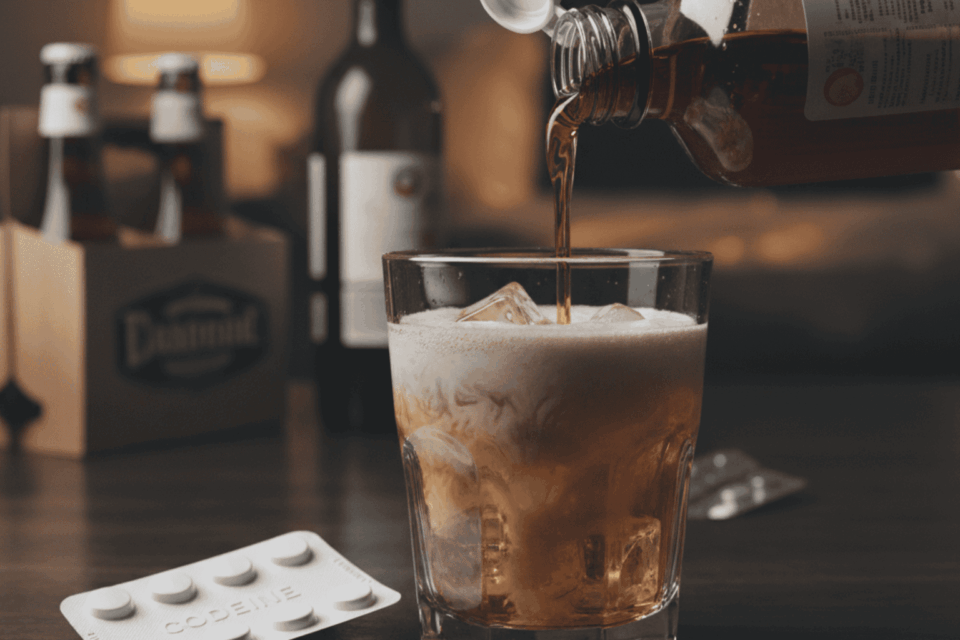
Mixing codeine and alcohol may seem harmless to some, especially when codeine is prescribed to relieve mild to moderate pain or to suppress coughing. However, both substances are central nervous system depressants that slow brain activity, reduce alertness, and affect breathing. When taken together, they increase the risk of respiratory depression, extreme sleepiness, and dangerous reactions such as confusion or loss of consciousness.
At Red Ribbon Recovery Indiana, we understand that drinking alcohol while taking codeine often happens without awareness of the risks. Many people prescribed codeine do not realize that combining it with alcohol, muscle relaxants, or other medicines can increase the risk of overdose and serious health complications. Our mission is to raise awareness about substance misuse and to provide reliable mental health and safety education for individuals and families.
How mixing alcohol and codeine affects the body
Both alcohol and codeine belong to the group of central nervous system depressants. They slow communication between the brain and body, which can make someone feel calm or sedated but also impair coordination and judgment.
When mixed, the sedative effects multiply, increasing the likelihood of breathing problems, difficulty staying awake, or even life-threatening respiratory depression.
Alcohol use on the central nervous system
Alcohol is a psychoactive substance found in beer, wine, and liquor. Drinking alcohol changes brain chemistry by affecting neurotransmitters responsible for mood, memory, and movement. Even a small amount of alcohol can slow reaction time and impair focus. Prolonged alcohol use increases the risk of alcohol abuse, liver damage, and other health problems.
Common symptoms of alcohol intoxication include:
- Slurred speech.
- Loss of coordination.
- Nausea or vomiting.
- Confusion or blackouts.
- Shallow or irregular breathing.
Codeine use and its effects
Codeine is a prescription opioid derived from the opium poppy. It is commonly prescribed to relieve pain, treat coughs, or reduce discomfort after injury or illness. Codeine affects the brain’s opioid receptors to change how pain signals are processed. However, taking codeine regularly or combining it with alcohol, over-the-counter medications, or street drugs can quickly become habit-forming and dangerous.
Common symptoms and side effects of codeine use include:
- Drowsiness or dizziness.
- Constipation or stomach cramps.
- Shallow breathing or slow heart rate.
- Itching or flushed skin.
- Constipation or difficulty urinating.
The dangers of mixing codeine and alcohol
Mixing codeine and alcohol overwhelms the body’s ability to process both substances. Because they both depress the central nervous system, this combination can slow heart rate, breathing, and cognitive function. Even if someone takes prescribed codeine as directed, drinking alcohol within a few hours can still cause harmful or life-threatening effects.
Physical health risks of mixing central nervous system depressants
Combining these substances can harm nearly every organ system. The liver, which metabolizes both alcohol and codeine, is particularly vulnerable to inflammation and long-term damage. People who take acetaminophen with codeine are at an even greater risk for liver injury, especially when drinking alcohol.
Other physical dangers include:
- Difficulty breathing or respiratory failure.
- Low blood pressure or irregular heartbeat.
- Nausea, vomiting, and dehydration.
- Loss of consciousness or coma.
- Increased risk of opioid overdose.
Prolonged use or taking high doses of either substance can also cause severe constipation, paralytic ileus, or other digestive complications that may require medical attention.
Effects of codeine and alcohol on mental health
Both codeine and alcohol affect mood regulation and mental health. Mixing them can worsen symptoms of anxiety, depression, or other mental illnesses. Individuals may also experience irritability, mood swings, or confusion. Over time, this combination can interfere with cognitive function and increase the risk of substance-induced mental health disorders.
Greater risk of addiction to combination products or other drugs
Because codeine can relieve pain and alcohol can reduce stress, the combination may seem comforting at first. However, repeated use reinforces the brain’s reward pathways, leading to tolerance, dependence, and addiction. People may start taking higher doses or drinking more often to achieve the same effects, putting them at greater risk for overdose and long-term harm.

Recognizing a codeine and alcohol overdose
When alcohol and codeine are consumed together, overdose can happen quickly and without warning. These substances slow vital functions like breathing and heart rate, and in high doses, they can cause respiratory arrest or cardiac failure.
The following symptoms may indicate a codeine and alcohol overdose
Recognizing the signs early can save a life. Common overdose symptoms include:
- Extremely slow or shallow breathing.
- Confusion or unresponsiveness.
- Cold or clammy skin, bluish lips, or fingertips.
- Pinpoint pupils.
- Weak pulse or loss of consciousness.
- Seizures or sudden collapse.
If someone shows the following symptoms or stops breathing, seek emergency medical attention or call 911 immediately. Quick medical intervention can prevent serious harm.
Avoiding alcohol while taking codeine
Avoiding alcohol while taking codeine is the safest way to reduce health risks. Even small amounts of alcohol can increase sedation and slow reaction times. Because codeine may remain active in the system for several hours, drinking alcohol later in the day can still lead to harmful interactions.
Talk to your doctor or pharmacist before taking codeine products or combination products containing alcohol or acetaminophen.

Withdrawal symptoms and medical supervision
When someone stops drinking alcohol or taking codeine after regular use, the body can struggle to adjust. Both substances affect the central nervous system, so suddenly removing them can cause uncomfortable or even dangerous reactions. Withdrawal is the body’s way of trying to rebalance after dependence, and the symptoms can range from mild to severe depending on how long and how much was used.
People who stop drinking alcohol or taking codeine suddenly may experience withdrawal symptoms such as:
- Runny nose or watery eyes.
- Muscle aches or stomach cramps.
- Nausea or vomiting.
- Sweating or shaking.
- Anxiety, restlessness, or insomnia.
These symptoms can become severe and may include hallucinations or seizures without medical supervision. A healthcare provider can help manage withdrawal safely and reduce discomfort. In cases of prolonged use or dual addiction, professional monitoring is essential to prevent relapse or life-threatening complications.
Treatment for codeine and alcohol addiction
Recovering from mixing alcohol and codeine takes time, patience, and the right support. Treatment often begins with understanding how these substances affect the body, why they are habit-forming, and how professional guidance can help restore balance and stability.
People are encouraged to tell their doctor about all medications they are taking, including over-the-counter medicines, cough syrup, or other drugs that may increase the risk of dangerous interactions.
Medical detoxification
Medical detox at a detox center Indiana is often the first step in safely managing dependence on alcohol or codeine. This process helps the body remove toxins while minimizing withdrawal symptoms such as sweating, nausea, fast heartbeat, or sleep-related breathing problems.
Healthcare providers closely monitor for severe side effects like respiratory distress or codeine overdose and provide comfort medications as needed. Medical detox should always be done under supervision rather than at home to prevent life-threatening complications.
Inpatient treatment
Inpatient treatment offers 24-hour care in a structured setting for people recovering from alcohol misuse or opioid dependence. This environment provides medical support for symptoms such as anxiety, insomnia, and physical pain while helping individuals rebuild emotional strength.
Licensed clinicians may adjust certain medications to treat pain safely without increasing the risk of dependence. Inpatient care also allows people to stabilize before returning home, reducing the likelihood of relapse or drug abuse.
Partial hospitalization treatment
Partial hospitalization treatment provides daily therapeutic support for people who no longer need inpatient care but still require a higher level of structure. This program focuses on identifying triggers for mixing alcohol and prescription drugs, improving emotional regulation, and learning coping techniques to manage stress without turning to substances.
Sessions often explore how long-term use of alcohol and opioids impacts breathing, mood, and cognitive function.
Intensive outpatient treatment
Intensive outpatient treatmentt (IOP) helps individuals maintain recovery while balancing work, school, or family responsibilities. Therapy sessions focus on building resilience, understanding personal triggers, and addressing co-occurring issues like depression or anxiety.
People also learn how certain medications and alcohol interact and why avoiding alcohol while taking codeine can prevent serious side effects such as shallow breathing or dizziness.
Dual diagnosis treatment
For those with both substance use and mental health challenges, dual diagnosis treatment addresses both at the same time. Many people who struggle with drinking alcohol or taking codeine regularly also experience anxiety, trauma, or mood instability.
Treating these underlying issues helps reduce the urge to self-medicate and supports long-term recovery.
Virtual treatment programs and community-based support
Virtual programs and recovery support groups provide an accessible, ongoing connection for people working toward sobriety. Online meetings, educational workshops, and peer-led discussions help reduce isolation and build accountability.
Many of these resources are recommended by organizations like the National Library of Medicine and other trusted health sources to promote awareness and harm reduction.

Seeking help and understanding the risks
Mixing codeine and alcohol can have life-threatening consequences. Even when treating moderate pain, drinking alcohol while taking prescribed codeine increases the risk of respiratory depression, confusion, and dangerous side effects. Understanding these risks helps prevent medical emergencies and supports long-term mental and physical health.
Here at Red Ribbon Recovery Indiana, we encourage individuals and families to stay informed about the dangers of combining alcohol, opioids, and other drugs. With access to reliable education, mental health resources, and ongoing awareness programs, people can make safer choices and reduce the risk of substance misuse. For more information or support, contact us to learn more about available educational and community-based recovery resources.
Sources
- Peechakara, B. V., Tharp, J. G., Eriator, I. I., et al. (2025). Codeine. Treasure Island (FL): StatPearls Publishing.
- Cudworth, A. G., Barber, H. E., & Calvey, T. N. (1975). The effect of codeine phosphate on the absorption of ethyl alcohol. British Journal of Clinical Pharmacology, 2(1), 65–67.
- National Institute on Drug Abuse. (2024). Benzodiazepines and opioids.
- National Institute on Drug Abuse. (2024). What classes of prescription drugs are commonly misused?

