
Choosing a rehab facility is one of the most important decisions you or your loved one will ever make. With so many options available in Indiana, it can be hard to know where to start or what to look for. The good news is that knowing how to choose a rehab facility does not require medical expertise. It requires asking the right questions, understanding the key markers of quality care, and finding a program that fits your specific situation. This page breaks down everything you need to know to move forward with confidence.

Key factors to consider when choosing a rehab facility
When you are looking for a rehab facility, the choices can feel overwhelming. Knowing what to prioritize makes the process much easier. You want to look for specific markers that indicate a high-quality program. These factors show that treatment providers use evidence-based practices to support long-term recovery. Addiction treatment is not a one-size-fits-all process. By evaluating a few critical areas, you can narrow down your options and find a place you can thoroughly trust.
Accreditation and licensing
Accreditation acts as a seal of approval from a trusted third-party organization. Facilities that hold accreditations from groups like CARF or The Joint Commission meet rigorous national standards. This ensures they provide a safe environment and high-quality care. This baseline level of safety should be a non-negotiable starting point in your search for a reliable drug rehab Indiana.
Staff credentials and expertise
A strong program relies on a multidisciplinary treatment team. This team should include licensed therapists, qualified physicians, registered nurses, and dedicated addiction counselors. The qualifications of these professionals directly shape the quality of your care. When evaluating staff, ask if they require ongoing training. Continuing education ensures the team stays up to date with the latest clinical advancements. A facility with a healthy staff-to-client ratio ensures that you receive the individualized attention you need. Qualified experts know how to safely manage withdrawal symptoms and guide complex behavioral therapies.
Specialization and experience
Not all programs have the same focus. You need a facility with deep experience treating your specific substance use disorders. In Indiana, the opioid epidemic and methamphetamine crises require specialized, intensive care. Facilities must understand the unique physical and psychological impacts of these specific drugs. It is also vital to find programs equipped to treat co-occurring disorders through dual diagnosis treatment centers in Indiana. According to the National Survey on Drug Use and Health, hundreds of thousands of Indiana residents face both mental illness and substance use challenges. This is known as dual diagnosis care. Addressing mental health conditions alongside addiction provides a much stronger foundation for lasting recovery.
Location and environment
Choosing between a local program and a distant one is a major decision. Staying close to cities like Indianapolis or Fort Wayne allows for strong family support. Family involvement is a massive benefit for many people in our community. On the other hand, traveling further away can remove you from familiar triggers. Whatever location you choose, the rehabilitation facility itself must feel safe, exceptionally clean, and highly supportive. The right environment allows you to focus completely on your healing process without unnecessary distractions.
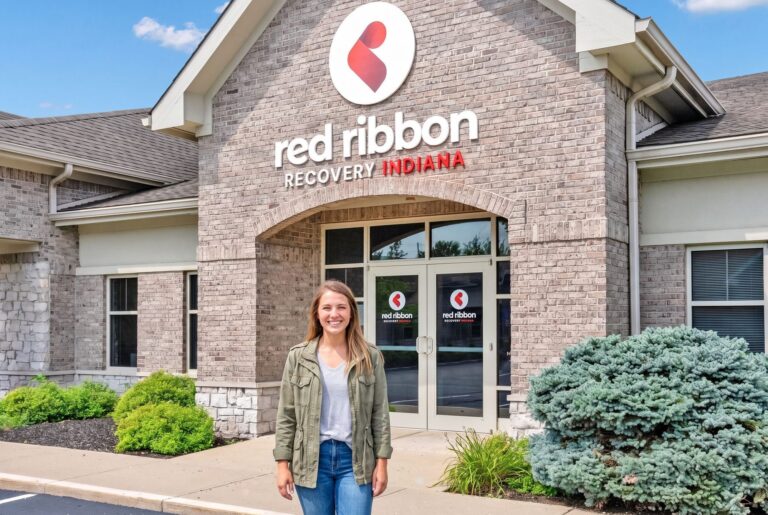
You can overcome addiction. Reach out to discover:
Choosing the right level of care for rehab
Selecting the appropriate level of care is a critical part of knowing how to choose a rehab facility. The main choice often comes down to inpatient versus outpatient care. Indiana inpatient drug rehab requires you to stay at the facility full-time. Outpatient rehab Indiana allows you to live at home while attending scheduled therapy sessions. Your decision depends heavily on the severity of your addiction, the safety of your home environment, and your personal daily responsibilities.
| Feature | Inpatient (residential) reha | Outpatient rehab |
|---|---|---|
| Environment | Live on-site in a highly structured, substance-free setting. | Live at home and travel to the clinic for scheduled sessions. |
| Intensity of Care | Immersive daily therapy with a completely focused routine. | Part-time therapy ranging from a few hours to several days a week. |
| Best Suited For | Severe addictions, lack of home support, or need for medical detox. | Mild to moderate addictions with a strong, sober support system at home. |
| Flexibility | Very structured with little outside flexibility. | Allows you to maintain work, school, and family responsibilities. |
| Medical Supervision | Continuous 24-hour medical and emotional support. | Medical support is available only during active appointment hours. |
If you require medical supervision to safely manage withdrawal, a detox period is usually the first step. After detox, an inpatient program provides the immersive care needed to break severe habits. For those stepping down from residential care or managing milder substance issues, outpatient programs offer essential support. Understanding these levels of care helps you pick the safest environment for your specific situation.
Understanding different approaches to choosing a drug rehab
When choosing a drug rehab, the facility’s specific clinical approach matters immensely. High-quality programs always build their foundation on evidence-based treatment methods. These are therapies rooted in intensive scientific research and proven to yield positive outcomes.
Cognitive behavioral therapy is a cornerstone of effective recovery. It helps you identify negative thought patterns and develop healthier coping skills, empowering you to handle stress and triggers without turning to substances. Dialectical behavior therapy dbt is another widely used evidence-based approach that focuses on emotional regulation and distress tolerance.
For many Hoosiers, medication assisted treatment is an essential lifeline, particularly for those battling opioid or alcohol use disorders. Facilities utilize FDA-approved medications to safely reduce cravings and normalize brain chemistry. When combined with counseling, this approach drastically improves long-term success rates.
The best programs also incorporate holistic therapies to heal the whole person. Techniques like mindfulness meditation, yoga, and proper nutrition counseling support your physical and emotional well-being. Treatment plans should never be generic. Your care must be highly individualized, addressing your unique history, physical health, and personal goals. A rehab facility that combines proven medical interventions, behavioral counseling, and holistic care gives you the strongest possible toolkit for lasting sobriety.
Free Insurance Check
Our rehab center accepts most insurance plans.
Check if your insurance will cover the cost of treatment by filling out our confidential insurance form. We accept most insurance plans.

Important questions to ask a potential rehab facility
When you call or tour a facility, it is incredibly helpful to have a list of specific questions ready. Asking the right questions ensures you find a program that truly meets your needs.
- What is your staff-to-patient ratio? A lower ratio means you receive more personalized care and attention from medical professionals.
- How do you define and measure your success rate? Reputable rehab centers track long-term functional improvements, not just program completion rates. Be very cautious of any facility that promises a guaranteed or 100 percent success rate.
- What is included in your aftercare services? A comprehensive aftercare plan is vital for your ongoing health. Ask if they provide follow-up counseling, support group connections, and specific relapse prevention strategies.
- Is family participation encouraged in your treatment programs? Family therapy can rebuild broken trust and create a healthy, supportive home environment for life after treatment.
While research shows that the vast majority of patients who complete structured treatment report an improved quality of life, recovery remains a deeply personal process. Facilities that offer honest, transparent answers to these questions are usually the safest and most reliable choices for your care.
Navigating cost and insurance for rehab in Indiana
The financial aspect of treatment is often a major source of stress when learning how to choose a rehab facility. We encourage you to start by calling your insurance provider directly to understand your exact benefits.
Most reputable facilities accept private insurance plans, which can significantly reduce your out-of-pocket cost. Additionally, Indiana Medicaid covers a wide range of addiction treatment services for eligible residents. This includes detox center indiana services, residential care, and outpatient rehab indiana.
If you do not have insurance coverage, many centers offer self-pay options, sliding scale fees based on your income, or flexible payment plans. You should never let the fear of cost prevent you from asking for help. A great first step is to verify your insurance with the facility’s admissions team. They can clearly explain your coverage and help you navigate the financial details. A great first step is to verify your insurance with the facility’s admissions team. They can clearly explain your coverage and help you navigate the financial details.
WE ARE AVAILABLE 24/7
Request a call for answers and help.
If you or someone you care about is struggling with addiction or mental health problems, request a call to speak with a knowledgeable treatment specialist. Our team is here to help you understand your options for care. There is no cost or obligation to enter treatment by requesting a call.
"*" indicates required fields
Your next steps: how to find a rehab now
Taking action can feel intimidating, but breaking it down into simple, practical steps makes it manageable.
- Check your insurance. Call your provider or the facility to confirm your exact coverage benefits.
- Tour the facility. If possible, visit in person or take a virtual tour to ensure the environment feels safe and welcoming.
- Check their credentials. Verify that the treatment providers are fully licensed and highly experienced.
- Confirm the aftercare. Make sure they offer ongoing support for your long-term recovery journey.
Making this choice is a courageous step forward. Compassionate rehabilitation help is available, and you do not have to figure this out alone.
Rehab might feel like a big step, but remember why you're here—you’re looking for a way forward. We can help.
Key Takeaways
- When seeking a rehab facility, prioritize accreditation, staff expertise, and evidence-based therapies.
- Verify your insurance and ask direct questions about clinical approaches to ensure the program aligns with your specific medical needs.
- Red Ribbon Recovery Indiana offers comprehensive, community-focused care and encourages contacting them to explore treatment options and verify insurance.
Frequently asked questions
How do you choose the right rehab facility for addiction treatment?
Choosing the right rehab facility starts with understanding your specific needs, treatment goals, and the level of support required for recovery. Some people benefit from inpatient drug rehab, while others may do well in outpatient treatment programs or specialized dual diagnosis care for mental health and substance use disorder. It is important to research treatment centers carefully, review their website information, speak with treatment providers, and ask questions about therapies, services, staff credentials, and the recovery process. Finding the right rehab often means choosing a treatment facility where patients feel safe, supported, and understood throughout healing and ongoing recovery. Understanding how to find a rehab that matches your recovery goals is an important part of choosing a drug rehab and building long term support.
What should you look for in a treatment center?
When comparing treatment centers, it can help to look at several important aspects of care, including medical support, therapy options, mental health services, relapse prevention planning, discharge support, and family involvement. Many rehabilitation facilities offer evidence-based therapies, trauma-informed care, group counseling, and specialized programs for alcohol addiction, substance use disorder, or co-occurring disorders. You may also want to ask whether physicians, therapists, nurses, and caregivers are involved throughout the treatment process and what kind of support is available after completing the program. People researching how to find a rehab often compare therapy programs, medical support, staff credentials, and aftercare services. Individuals searching for what are the best rehab centers often look for facilities that provide compassionate care, medical supervision, and personalized treatment planning.
Does health insurance cover rehab treatment?
Many health insurance plans provide coverage for addiction treatment, mental health services, and substance abuse treatment programs, though benefits vary depending on the insurance provider and treatment facility. Some rehab centers are considered in-network with certain insurance providers, which may lower out-of-pocket costs for patients and families. Before beginning treatment, it is important to contact the rehab facility or insurance company to determine what services are covered, what payment options are available, and whether prior authorization or referrals are required for treatment. Many people researching what are the best rehab centers also compare insurance coverage, in-network providers, and payment options before starting treatment.
Why is dual diagnosis treatment important?
Dual diagnosis treatment is important because many people struggling with addiction also experience mental health disorders such as anxiety, depression, trauma, or other psychiatric conditions. Treating only the substance use without addressing mental health concerns can increase the risk of relapse and make long-term recovery more difficult. Treatment providers who focus on both addiction and mental health can help patients develop healthier coping skills, address underlying emotional issues, and build stronger foundations for recovery and healing.
How can families help during the recovery process?
Family members often play an important role in the recovery process by providing encouragement, participating in family therapy, and learning more about addiction and recovery. Many treatment programs encourage loved ones to stay involved through counseling sessions, educational resources, or support programs designed for families and caregivers. Recovery can affect every aspect of a person’s life, and having healthy support systems in place may help individuals maintain progress, reduce relapse risk, and continue healing after leaving a treatment facility.
How to find a rehab and what are the best rehab centers for long term recovery?
Learning how to find a rehab often starts with understanding your treatment needs, recovery goals, insurance coverage, and preferred level of care. Many people researching what are the best rehab centers compare inpatient programs, outpatient treatment, medical detox services, therapy options, and dual diagnosis support before making a decision. Choosing a drug rehab may also involve reviewing staff credentials, reading patient reviews, asking about aftercare programs, and speaking directly with admissions teams. When learning how to choose a rehab facility, it can help to ask detailed questions about treatment approaches, relapse prevention planning, family involvement, and long term recovery support. Understanding how to find a rehab that feels safe, supportive, and personalized can make the recovery process feel less overwhelming.
What should families know when choosing a drug rehab for a loved one?
Families researching how to find a rehab for a loved one may feel overwhelmed by the number of treatment options available. Choosing a drug rehab often involves comparing treatment programs, medical care, therapy services, mental health support, and aftercare planning. Some families also ask what are the best rehab centers for alcohol addiction, substance use disorder, or dual diagnosis treatment depending on the person’s needs. Choosing a rehab facility may include discussing insurance coverage, transportation, visitation policies, and recovery goals with treatment providers. When learning how to find a rehab, families may also benefit from asking whether the facility offers family counseling, relapse prevention education, and continued support after treatment ends.
What factors are important when choosing a drug rehab program?
Several factors can influence the process of choosing a drug rehab program, including the severity of addiction, mental health concerns, medical needs, and the type of treatment environment a person prefers. Many individuals researching what are the best rehab centers look for evidence-based therapies, experienced medical professionals, individualized treatment plans, and strong aftercare support. Choosing a drug rehab may also involve deciding between inpatient rehab, outpatient programs, sober living options, or specialized treatment for alcohol or drug addiction. People learning how to find a rehab should also consider location, insurance benefits, program length, and whether the treatment center offers support for families and long term recovery planning.
How do you know what are the best rehab centers for your specific needs?
Understanding what are the best rehab centers for your situation depends on several personal factors including addiction history, physical health, mental health conditions, and recovery goals. Many people start by researching how to find a rehab that offers the right level of medical care, therapy, and emotional support for their needs. Choosing a drug rehab can take time, especially when comparing treatment philosophies, success programs, detox options, and aftercare services. Some people researching how to choose a rehab facility also look for programs that specialize in trauma, family therapy, relapse prevention, or dual diagnosis treatment. When choosing a drug rehab, it is important to find a facility where individuals feel respected, supported, and comfortable throughout the healing process. Individuals learning how to find a rehab may also review treatment approaches, recovery success programs, and available mental health support before choosing care.
Finding a treatment facility in Indiana
Finding the right facility requires careful attention to accreditation, staff expertise, and evidence-based therapies. By verifying your insurance and asking direct questions about clinical approaches, you can confidently identify a program that meets your specific medical needs. At Red Ribbon Recovery Indiana, we are dedicated to providing comprehensive, community-focused care for those facing severe substance use challenges. If you want to explore your treatment options and verify your insurance benefits, contact us. Call us at (317) 707-9848 to speak with an admissions counselor. We will guide you through the intake process and help coordinate your care.
We are here to help you or a loved one find addiction treatment near you.
Admitting you have a substance abuse problem and asking for help is not always easy. If you or a loved one are struggling with drug addiction, alcohol addiction or another substance use disorder, help is available. You can visit SAMHSA’s National Helpline to learn about resources in your area or reach out to our team by calling (317) 707-9848 to explore personalized treatment.
Treatment center reviews
Read what treatment patients and their families have to say about their experiences at Red Ribbon Recovery Indiana.
Sources
- Centers for Medicare & Medicaid Services. (April 22, 2024). Medicare and Medicaid Programs: Minimum staffing standards for long-term care facilities and Medicaid institutional payment transparency reporting. Centers for Medicare & Medicaid Services.
- Substance Abuse and Mental Health Services Administration. (2023). Indiana – National Survey on Drug Use and Health. Substance Abuse and Mental Health Services Administration.
- American Society of Addiction Medicine. (August 3, 2021). ASAM Criteria. American Society of Addiction Medicine.
- Substance Abuse and Mental Health Services Administration. (2020). National Survey of Substance Abuse Treatment Services (N-SSATS): 2020. Substance Abuse and Mental Health Services Administration.
- National Institutes of Health. (2010). Cognitive-behavioral therapy for substance use disorders. National Institutes of Health.
- U.S. Food and Drug Administration. (December 26, 2024). Information about medications for opioid use disorder (MOUD). U.S. Food and Drug Administration.
- National Center for Biotechnology Information. (2016). Measuring recovery from substance use or mental disorders. National Center for Biotechnology Information.
- State of Indiana. (June 16, 2021). Substance Use Disorder (SUD)/Serious Mental Illness (SMI) Treatment. Indiana Health Coverage Programs.
- National Academies of Sciences, Engineering, and Medicine. (2004). Chapter 5. Outpatient treatment financing options and strategies. National Academies Press.
- Substance Abuse and Mental Health Services Administration. (June 9, 2023). National Helpline for Mental Health, Drug, Alcohol Issues. Substance Abuse and Mental Health Services Administration.
- National Institute on Aging. (February 3, 2020). How to prepare for a doctor’s appointment. National Institute on Aging.
About the content

Written by: Carli Simmonds. Carli Simmonds holds a Master of Arts in Community Health Psychology from Northeastern University. From a young age, she witnessed the challenges her community faced with substance abuse, addiction, and mental health challenges, inspiring her dedication to the field.

Medically reviewed by: Jodi Tarantino, MSW, LICSW. Jodi Tarantino is an experienced, licensed Independent Clinical Social Worker (LICSW) and Program Director with over 20 years of experience in Behavioral Healthcare. Also reviewed by the RRR Editorial team.
Red Ribbon Recovery is committed to delivering transparent, up-to-date, and medically accurate information. All content is carefully written and reviewed by experienced professionals to ensure clarity and reliability. During the editorial and medical review process, our team fact-checks information using reputable sources. Our goal is to create content that is informative, easy to understand and helpful to our visitors.
Disclaimer: This website is for informational purposes only, not medical advice. Red Ribbon Recovery Indiana connects people with the full continuum of care, including a detox center Indiana, Indiana inpatient drug rehab, PHP Indiana, IOP Indiana, and outpatient rehab Indiana.
For those managing co-occurring conditions, our dual diagnosis treatment centers in Indiana treat addiction and mental health together. We also offer telehealth mental health and online addiction treatment for flexible, remote access to care.