
It’s natural to feel uneasy about stepping into something unfamiliar, especially when you are looking at rehab as a next step. Imagine waking up somewhere designed just for your healing, where the day’s purpose is to give you distance from the stress and chaos of active addiction, whether you are coming from Indianapolis or a quiet corner of Indiana. Knowing what is a typical day in rehab can help take the mystery out of treatment and replace it with confidence. The steady rhythms of structured care help you rebuild trust with your family, reconnect with your community, and start feeling like yourself again.

What happens in rehab? setting expectations
If you are wondering what is a typical day in rehab, the best word to describe it is structured. A residential program is not a hospital stay where you simply rest in bed. It is an active, deeply engaging process. Structured routines help lower anxiety for newcomers. Predictability reduces the heavy cognitive load of making decisions while you navigate early recovery.
Why structure works
High-intensity residential care provides 20 or more hours of addiction treatment services each week. This intensive schedule keeps you focused on your goals. You will spend your days learning about substance use disorders, practicing new coping skills, and building a foundation for a healthier life. Comprehensive addiction treatment programs give you the structured framework that makes long-term recovery possible.
The case for a longer stay
It takes time to rewire habits. Research generally recommends at least 90 days of continuous treatment for the best outcomes. While no program can guarantee a specific result, this evidence-based timeline offers the most reliable path toward lasting change. You do not have to put your life on hold forever. Immersing yourself in Indiana inpatient drug rehab simply gives you the focused time you need to heal.
Accessible care
Financial concerns should never be the reason someone delays treatment, and our admissions team will help verify your benefits before you commit.
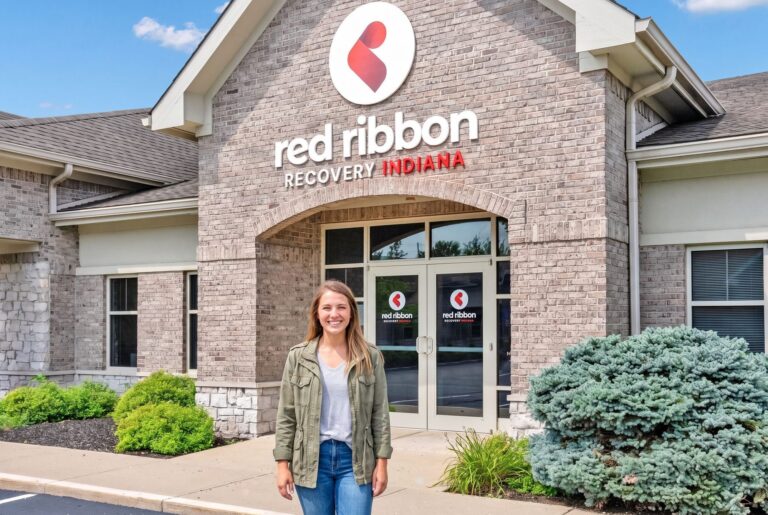
You can overcome addiction. Reach out to discover:
A typical day in rehab: morning schedule
A typical day in rehab begins with a fresh start and clear intentions. Mornings are designed to gently wake up your body and mind. You will find that an organized morning schedule reduces the chaos you might be used to.
Early wake-up and morning routine
Most facilities expect you to wake up early, usually between 6:30 and 7:00 a.m. Sleeping in is not an option. You will start with a basic personal hygiene routine, such as taking a shower and making your bed. Rebuilding self-care habits is a quiet but powerful part of recovery.
For those in a detox center Indiana program, mornings also include medical check-ins. Nurses will check your vital signs and administer any necessary medications. After this, you will head to the dining room for a nutritious breakfast. Eating a balanced meal stabilizes your blood sugar and energy levels, which is critical for healing.
Morning group therapy
After breakfast, you will usually attend your first group therapy session of the day. Morning groups act as a check-in point. You might share how you are feeling, discuss any lingering cravings, and set a personal goal for the day.
These group sessions build a crucial support network. When you sit with peers who understand your struggles, you realize you are not carrying the weight alone. Setting intentions together creates a positive, forward-looking tone for everything that follows.
Free Insurance Check
Our rehab center accepts most insurance plans.
Check if your insurance will cover the cost of treatment by filling out our confidential insurance form. We accept most insurance plans.

Afternoons: daily therapy and skill-building
As the morning ends, you will transition into the mid-day and afternoon segments. This part of the day shifts toward deeper clinical work and skill development. The afternoon holds the core of your treatment experience.
| Time of day | Activity phase | Typical focus |
|---|---|---|
| 7:00 AM | Morning routine | Wake-up, vitals, breakfast, and hygiene. |
| 9:00 AM | Morning therapy | Group check-ins and setting daily goals. |
| 12:00 PM | Lunch and rest | Balanced meal and brief personal downtime. |
| 1:30 PM | Specialized therapy | Individual counseling and skill-building. |
| 5:30 PM | Dinner | Community meal and social connection. |
| 7:00 PM | Evening support | 12-step meetings and quiet reflection. |
Individual behavioral therapy
Afternoon blocks often include intensive one-on-one counseling. You will work privately with a therapist to dig into the root causes of your substance use. These sessions are highly personalized to fit your specific treatment plan.
Cognitive behavioral therapy is widely used during these afternoon hours. CBT helps you identify negative thought patterns that lead to substance use and replace them with healthier responses. It teaches practical, lasting coping skills you can use long after treatment ends.
Specialized therapeutic modalities
Rehab is not just about sitting in a therapist’s office. Your afternoons will also include specialized therapy sessions to break up the clinical work. DBT therapy teaches mindfulness and distress tolerance, while EMDR therapy helps process unresolved trauma. Motivational interviewing builds your internal commitment to change throughout the week.
Holistic and family activities
Programs frequently offer family therapy to help repair relationships and rebuild trust at home. You might also participate in art therapy or mindfulness exercises. These activities offer new ways to process complex emotions without relying on substances.
Evenings in rehab: support meetings and rest
As the sun sets, the focus of rehab shifts from active clinical therapy to community and reflection. You will likely feel tired from the heavy emotional work of the day. The evening schedule is designed to help you decompress safely.
Community dinner
Community dinners kick off the evening. Sharing a meal with peers reinforces the bonds you are building in your recovery journey. Food becomes more than fuel during this time, it becomes a daily ritual of connection.
Peer support meetings
After dinner, most facilities host onsite mutual-help groups. A 12 step program meeting provides a structured space to process the day. You can share your successes, admit your struggles, and learn from others. These meetings help you build a reliable sober network that will sustain you long after you leave the facility.
For those who prefer different approaches, alternatives to AA provide secular and structured options. The best programs offer multiple paths so you can find the framework that fits your personal values.
Downtime and lights out
Following the meeting, you will have a block of designated downtime. Unstructured time is kept to a minimum in rehab, but this specific window allows you to read, journal, or call family members. Healthy downtime is critical for managing stress. Finally, strict lights-out policies ensure you get a full night of sleep. Rest is vital, as a healing brain requires consistent, high-quality sleep to recover.
WE ARE AVAILABLE 24/7
Request a call for answers and help.
If you or someone you care about is struggling with addiction or mental health problems, request a call to speak with a knowledgeable treatment specialist. Our team is here to help you understand your options for care. There is no cost or obligation to enter treatment by requesting a call.
"*" indicates required fields
How a typical day shifts in different levels of care
The structure of your day depends heavily on which level of care you are in. Knowing how the rhythm changes helps you prepare for each phase of treatment.
Inpatient and residential days
Days in residential or inpatient care are the most structured, with nearly every hour planned from wake-up through lights out. This level of immersion is ideal for those who need full distance from daily triggers.
Partial hospitalization days
A PHP Indiana program offers a similar clinical intensity during the day, typically five to six hours of structured treatment, but you return home each evening. This level builds the bridge between full immersion and independent living.
Intensive outpatient days
An IOP Indiana program meets several days a week for a few hours at a time, leaving you space to maintain work, school, or family obligations. The daily rhythm becomes much more flexible at this stage.
Standard outpatient days
Outpatient rehab Indiana typically involves one or two weekly therapy sessions. By this point, your daily life looks much like life before treatment, with sobriety practices woven naturally into your routine.
Aftercare and beyond
Once formal treatment ends, aftercare provides ongoing structure through alumni groups, occasional therapy check-ins, and continued accountability. Many people in long-term recovery also explore meaningful recovery activities that fill leisure time in healthier ways.
Find a program that fits your life in Indiana
Indiana residents face unique addiction challenges. The opioid and methamphetamine crises have hit our state hard. From Indianapolis to Fort Wayne, and across our rural farming communities, the impact is severe. Finding the right program means choosing a place that understands these local realities.
Your recovery is about recommitting to your family and your local community. You need a treatment center that honors values like hard work, faith, and mutual support. Red Ribbon Recovery Indiana provides tailored, structured inpatient treatment designed specifically for our community.
If you are wondering about the next steps, learning about the levels of addiction services available is a great place to start. A typical day in rehab is full of work, but it is the kind of work that gives you your life back. You do not have to navigate this crisis alone.
Rehab might feel like a big step, but remember why you're here—you’re looking for a way forward. We can help.
Key Takeaways
- A typical day in rehab follows a structured routine designed to rebuild lives and foster commitment to recovery.
- The daily schedule includes essential elements such as therapy sessions, healthy meals, and opportunities for peer support.
- Embracing this consistent routine helps individuals overcome the fear of the unknown and actively rewrite their life story.
Frequently asked questions
How much group therapy is included in a typical day in rehab?
Group therapy is often a crucial element of addiction treatment and may take up several hours of the day. During group sessions, individuals discuss challenges related to substance use disorders, emotional health, relapse prevention, and recovery strategies. Led by a licensed therapist, these sessions provide peer support and help participants learn from others on similar recovery journeys. Many treatment centers combine short group sessions with skill-building workshops to strengthen communication, self-esteem, and healthy coping mechanisms. Many families researching treatment also ask, “what does a typical day in rehab look like?” before choosing a program.
Will I receive individual therapy during rehab?
Yes. Most drug and alcohol rehab programs include regular individual therapy sessions as part of the treatment process. During these sessions, individuals work one-on-one with experienced clinicians to explore the underlying causes of addiction, develop coping skills, and address co-occurring mental health concerns. Common forms of therapy may include individual behavioral therapy, motivational interviewing, and other evidence-based approaches that support emotional healing and lasting recovery. Individual counseling is often one of the most important parts of a typical day in drug rehab.
Are holistic therapies included in addiction treatment programs?
Many addiction treatment centers incorporate holistic therapy into their treatment programs alongside traditional counseling. Depending on the facility, this may include art therapy, music therapy, equine therapy, mindfulness practices, fitness activities, and other wellness-focused services. These therapies can help individuals regulate mood, improve physical health, reduce stress, and support the overall therapeutic process during early recovery.
What happens after treatment sessions end for the day?
Most rehab programs include free time during the afternoon schedule or evening hours, but recovery-focused activities continue throughout the day. Clients may attend support groups such as Alcoholics Anonymous, participate in family therapy, connect with peers, exercise, or attend educational sessions focused on preventing relapse. Ongoing support and healthy daily routines help individuals prepare for life after treatment and promote long-term sobriety once they leave the inpatient program or transition to an intensive outpatient program or partial hospitalization program.
What does a typical day in rehab look like during the first week of treatment?
During the first few days of treatment, many people wonder what does a typical day in rehab look like and how structured the schedule will be. A typical day in drug rehab often begins with breakfast, wellness check-ins, and group therapy sessions focused on recovery skills. Throughout the day, clients may attend individual counseling, educational workshops, and holistic activities designed to support emotional healing. Understanding what does a typical day in rehab look like can help reduce anxiety and make the transition into treatment feel more manageable.
What is a typical day in rehab for someone attending residential treatment?
If you are asking what is a typical day in rehab, most residential programs follow a highly organized routine that supports accountability and stability. A typical day in drug rehab may include morning meditation, therapy sessions, relapse prevention classes, fitness activities, and evening recovery meetings. Every typical day in drug rehab is designed to provide structure, accountability, and consistent emotional support. Because every center is different, what does a typical day in rehab look like can vary depending on the level of care, therapy approach, and personal treatment goals.
How much therapy is included in a typical day in drug rehab?
A typical day in drug rehab usually includes several hours of therapy and recovery-focused programming. Many people researching treatment ask what does a typical day in rehab look like because they want to know how much time is spent in counseling versus downtime. In most programs, a typical day in drug rehab combines group therapy, one-on-one counseling, educational sessions, and wellness activities throughout the day. Understanding what does a typical day in rehab look like ahead of time can help individuals prepare mentally for the recovery process.
What does a typical day in rehab look like after detox is completed?
After detox, what does a typical day in rehab look like often becomes more focused on emotional healing, routine building, and relapse prevention. A typical day in drug rehab may include cognitive behavioral therapy, peer support groups, recreational activities, and life-skills development. For individuals wondering what is a typical day in rehab after the stabilization phase, most schedules are designed to create consistency while helping clients build healthy coping mechanisms. Many treatment centers structure a typical day in drug rehab to balance therapy, reflection, wellness, and recovery education. Although schedules vary, a typical day in drug rehab usually follows a consistent routine focused on long-term recovery.
Step into a daily routine that rebuilds your life
Stepping into treatment is a brave decision that requires genuine commitment. Knowing exactly what a structured day involves helps remove the fear of the unknown. By embracing the daily routine of therapy, healthy meals, and peer support, you are actively choosing to rewrite your story. If you are a resident of Indiana looking for a compassionate, community-grounded program, we are here to support your next steps. Please call (317) 707-9848 to speak with our admissions team today. Visit Red Ribbon Recovery Indiana to verify your insurance benefits and schedule your initial assessment. Contact us today.
We are here to help you or a loved one find addiction treatment near you.
Admitting you have a substance abuse problem and asking for help is not always easy. If you or a loved one are struggling with drug addiction, alcohol addiction or another substance use disorder, help is available. You can visit SAMHSA’s National Helpline to learn about resources in your area or reach out to our team by calling (317) 707-9848 to explore personalized treatment.
Treatment center reviews
Read what treatment patients and their families have to say about their experiences at Red Ribbon Recovery Indiana.
Sources
- American Society of Addiction Medicine. (2021, July 29). About the ASAM Criteria. American Society of Addiction Medicine.
- Substance Abuse and Mental Health Services Administration. (2023, June 9). National Helpline for Mental Health, Drug, Alcohol Issues. Substance Abuse and Mental Health Services Administration.
- National Institute on Drug Abuse. Principles of Drug Addiction: A Research-Based Guide (Third Edition). National Institute on Drug Abuse.
- Indiana Family and Social Services Administration. (2021, June 16). Substance Use Disorder (SUD)/Serious Mental Illness (SMI) Treatment. Indiana Health Coverage Programs.
- National Institutes of Health. (2010). Cognitive-Behavioral Therapy for Substance Use Disorders. PMC.
About the content

Written by: Carli Simmonds. Carli Simmonds holds a Master of Arts in Community Health Psychology from Northeastern University. From a young age, she witnessed the challenges her community faced with substance abuse, addiction, and mental health challenges, inspiring her dedication to the field.

Medically reviewed by: Jodi Tarantino, MSW, LICSW. Jodi Tarantino is an experienced, licensed Independent Clinical Social Worker (LICSW) and Program Director with over 20 years of experience in Behavioral Healthcare. Also reviewed by the RRR Editorial team.
Red Ribbon Recovery is committed to delivering transparent, up-to-date, and medically accurate information. All content is carefully written and reviewed by experienced professionals to ensure clarity and reliability. During the editorial and medical review process, our team fact-checks information using reputable sources. Our goal is to create content that is informative, easy to understand and helpful to our visitors.
Disclaimer: This website is for informational purposes only, not medical advice. Red Ribbon Recovery Indiana connects people with the full continuum of care, including a detox center Indiana, Indiana inpatient drug rehab, PHP Indiana, IOP Indiana, and outpatient rehab Indiana.
For those managing co-occurring conditions, our dual diagnosis treatment centers in Indiana treat addiction and mental health together. We also offer telehealth mental health and online addiction treatment for flexible, remote access to care.