

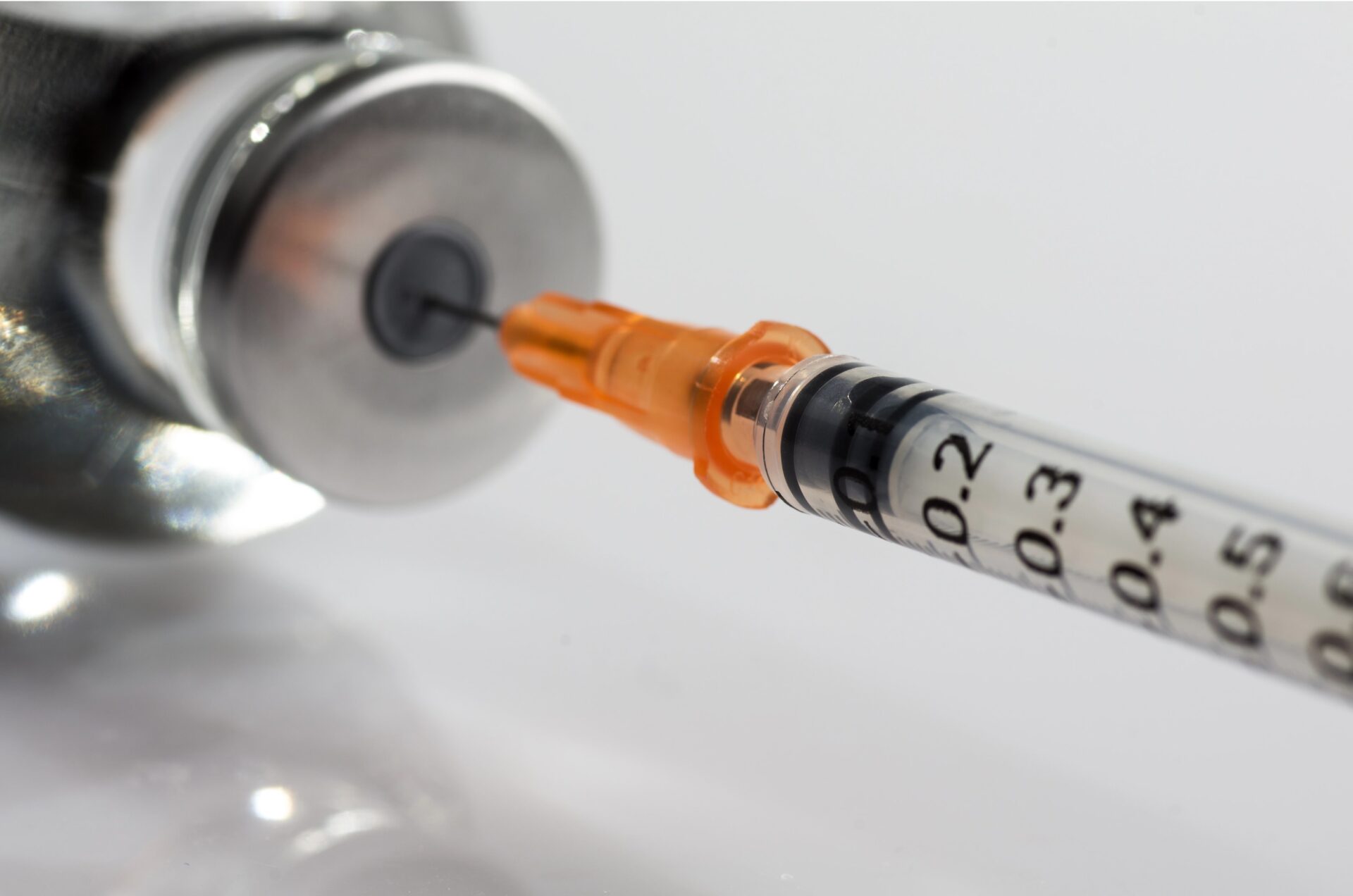
You may have heard of semaglutide, often marketed as Ozempic and Wegovy, as a medication for type 2 diabetes and weight management. It’s been incredibly effective for those approved uses, but recently, scientists have started noticing something else: it seems recent science may show semaglutide reducing alcohol cravings. is has opened up a whole new area of research, particularly how Semaglutide reduced alcohol cravings for those struggling with Alcohol Addiction.
Once-weekly Semaglutide in adults with alcohol use disorder
When you hear about a new potential treatment, it’s natural to wonder how the research was actually done. It helps to know if the study was thorough and who was involved. The recent clinical trial on semaglutide was a phase 2, double-blind, randomized study, which is the gold standard for testing a new medication. It involved 48 adults who all met the criteria for alcohol use disorder (AUD). Over nine weeks, these participants received a once-weekly injection of either a low-dose semaglutide or a placebo, which is a substance with no active effect. The researchers then followed up at the tenth week to assess the outcomes.
The group of participants was made up of 34 women (71%) and 14 men, with an average age of about 40. This is important because it gives us a snapshot of who this research applies to right now. The main goal was to see if semaglutide had any real, measurable effect on drinking behaviors and cravings compared to the placebo. By using this careful, controlled approach, the study provides the first solid, scientific evidence that this medication could play a role in alcohol addiction treatment, moving the conversation from anecdotal stories to credible data.
The role of dopamine
So, how could a medication for diabetes and weight loss possibly affect alcohol cravings? The answer seems to lie in the brain’s reward system, and specifically, a chemical called dopamine. Think of dopamine as the brain’s way of saying, “That was good, let’s do it again.” It’s released when we do something pleasurable, like eating a good meal or spending time with loved ones, reinforcing that behavior and making us want to repeat it.
Alcohol hijacks this system. It causes a large, artificial surge of dopamine, creating a powerful sense of pleasure and reward that’s much stronger than what we get from everyday activities. Over time, the brain starts to associate alcohol with this intense reward, which leads to cravings. The brain’s reward pathway gets rewired to prioritize drinking above other things. This is where semaglutide, a GLP-1 receptor agonist, comes in.
The leading theory is that these medications work on the same neural pathways that alcohol affects. It’s like they can turn down the volume on the reward signal that alcohol creates. The drinking experience becomes less intensely pleasurable, which in turn helps to reduce the motivation to drink. It doesn’t eliminate the reward response, but it seems to dampen it enough to make alcohol less appealing and easier to resist.
Changes in alcohol consumption
When it comes to measuring whether a treatment is working, the numbers matter. In the semaglutide clinical trial, the results showed some very specific changes in drinking patterns. It’s interesting because the medication didn’t change how often people drank. Participants taking semaglutide had roughly the same number of drinking days as those taking the placebo. Where the real difference showed up was in how much they drank on those days.
Weekly consumption and craving
Beyond just tracking the number of drinks, the researchers also looked at the subjective experience of craving, that intense desire to drink. This is where the connection between mind and behavior becomes clear. The study found that semaglutide significantly reduced weekly alcohol craving (β, −0.39). This finding is so important because it gets to the heart of what drives compulsive drinking.
When you feel a weaker desire to drink, it becomes much easier to manage your consumption. The internal battle isn’t as intense. This reduction in craving is likely the reason participants drank less on the days they did drink. It wasn’t about willpower alone; the medication seemed to be fundamentally changing their relationship with alcohol by quieting the urge. Managing cravings is a key part of any successful plan for overcoming alcohol withdrawal, and these findings suggest a potential new tool to help with that process.
Weight, safety, and adverse effect outcomes
Of course, any discussion about a medication has to include safety and side effects. Since semaglutide is already widely used for weight management, it wasn’t surprising that participants in the trial experienced weight loss. Here’s what the study found:
- Body weight change. On average, those in the semaglutide group lost about 5% of their body weight during the trial. In contrast, the placebo group saw a negligible change of 0.18%.
- Common side effects. The adverse effects reported were consistent with what’s already known about GLP-1 agonists. The most common ones were gastrointestinal issues, including nausea, constipation, and diarrhea.
- Safety profile. Importantly, no serious adverse events were reported in the semaglutide group, and no one had to stop the trial due to side effects. The medication was generally well-tolerated.
These findings are reassuring, but they also underscore the importance of medical supervision. While the side effects were manageable in the trial, they are still important safety considerations. Anyone thinking about this medication needs to discuss the potential risks and benefits with a healthcare professional to ensure it’s a safe and appropriate choice for them. Understanding all the potential risks and effects of alcohol treatment options is a critical part of making an informed decision.
What this research does (and does not) mean for treatment
While these findings are promising, it’s important to understand what this research does and does not show. Semaglutide is not currently approved to treat alcohol use disorder, and this phase 2 clinical trial was relatively small and short in duration. Larger, longer-term studies are still needed to confirm whether these effects are consistent across broader populations and whether benefits are sustained over time.
It’s also important to note that semaglutide did not eliminate alcohol use or stop drinking entirely. Participants continued to drink, just in lower quantities and with reduced cravings. This suggests the medication may support alcohol reduction, but it does not replace comprehensive treatment. Alcohol use disorder is a complex medical condition influenced by biology, psychology, environment, and behavior, and effective care usually requires more than one approach.
For these reasons, semaglutide should be viewed as a potential adjunct, not a standalone solution. Evidence-based treatment for alcohol use disorder still centers on behavioral therapy, medical oversight, relapse prevention planning, and support for co-occurring mental health conditions. Any medication use should be guided by a qualified healthcare professional as part of a personalized treatment plan.
Frequently asked questions
A randomized, placebo-controlled clinical trial conducted at the University of North Carolina School of Medicine found that participants receiving low-dose semaglutide showed significantly fewer drinks per drinking day compared to the placebo group. Over nine weeks, participants also delayed drinking and consumed fewer grams of alcohol. These findings suggest semaglutide shows promise for the treatment of alcohol use disorder, though larger clinical trials are still needed.
Semaglutide works by activating the glucagon-like peptide-1 (GLP-1) receptor, which plays a role in appetite regulation and reward processing. Addiction science research and animal models suggest GLP-1 receptor agonists may reduce the reinforcing effects of alcohol by dampening dopamine signaling linked to craving and binge drinking. This mechanism may help people better control their drinking quantity and reduce heavy drinking episodes.
No, semaglutide is not currently approved by the FDA to treat alcohol use disorder or alcohol abuse. Its use for reducing alcohol cravings would be considered off-label. While initial findings from clinical research are encouraging, experts emphasize the need for future clinical trials before semaglutide can be recommended as a standard treatment for alcohol use disorder or other substance use disorders.
Semaglutide reducing alcohol cravings: is there a connection?
This potential new medication could one day be a valuable part of a holistic treatment plan, complementing evidence-based therapies that are already proven to work. A personalized recovery journey might include outpatient rehab in Indiana, behavioral therapy, and dual diagnosis care to address any co-occurring mental health conditions. Every person’s path is unique, and the most effective treatment is one that is tailored to your specific needs.
If you’re exploring your options, the most important step you can take is to speak with a professional. A compassionate and knowledgeable team can help you understand all the available treatments and create a plan that feels right for you. Change is possible, and you don’t have to do it alone. If you’re ready to take the next step, please reach out to us. You can call us at (317) 707-9848 or learn more about our approach at Red Ribbon Recovery Indiana. Please contact us today to get started.
Sources
- JAMA Psychiatry. (February 12, 2025). Once-weekly semaglutide in adults with alcohol use disorder. JAMA Psychiatry.
- National Institute on Alcohol Abuse and Alcoholism. (1995). Alcohol and dopamine. National Institute on Alcohol Abuse and Alcoholism.
- University of Pennsylvania. (February 5, 2025). Neuroscience and addiction: Unraveling the brain’s reward system. University of Pennsylvania.
- U.S. Food and Drug Administration. [PDF] A reduction in the World Health Organization (WHO) risk levels of …. U.S. Food and Drug Administration.
- National Institutes of Health. (May 13, 2022). Once-weekly semaglutide for weight management: A clinical review. National Institutes of Health.
- MedlinePlus. (August 15, 2025). Semaglutide injection: MedlinePlus drug information. MedlinePlus.
- Harvard Medical School. (June 30, 2023). Embracing diversity: The imperative for inclusive clinical trials. Harvard Medical School.
- ClinicalTrials.gov. (October 20, 2025). Study details | NCT07218354. ClinicalTrials.gov.
- National Institutes of Health. (June 20, 2025). Substance use disorder treatment outcomes. National Institutes of Health.